


 Česky (CZK)
 Slovensky (EUR)
 Deutsch (EUR)
 Austria
 Belgium
 Bulgaria
 Croatia
 Denmark
 Estonia
 Finland
 France
 Germany
 Greece
 Hungary
 Italy
Italy Latvia
 Lithuania
 Luxembourg
 Netherlands
 Poland
 Portugal
 Romania
 Slovenia
 Spain
Spain Sweden










How size and shape change the taste and texture of food: the most important decisions are made on the cutting board
The same ingredient can look and taste completely different depending on how you cut it. In Asian cuisines, where cooking is often quick, at high temperatures, and in a precise sequence of steps, cutting is not a "side preparation" – it is part of the technique. The shape determines how quickly the ingredient softens, how it holds juice, how it browns, how much sauce clings to it, and how it is eaten with chopsticks or a spoon.
What is tricky about home Asian cooking is that many problems don’t arise in the pan but before that. When pieces are poorly chosen, sauce often won’t save it: part will be raw, part overcooked, aromatic bases will burn, and instead of stir-frying, ingredients start stewing in their own water. The good news: this can be improved fastest by changing the size, shape, and preparation organization.
🍳 Why preparation is so important in Asian cooking (and why you can’t "cut on the fly")
In kitchens where work is fast and often at high temperature, there’s no time to look for more ingredients, cut vegetables, or stir starch. Everything must be prepared beforehand – typically in stir-fry and wok techniques, quick noodle dishes, fried rice, briefly stir-fried vegetables, or bowls and salads with multiple components.
When preparation doesn’t fit, it shows very specifically:
- some parts remain raw, others overcooked (because they have different thickness/size),
- aromatic elements burn before the rest is done (because they wait in the pan while you cut),
- sauce doesn’t cover the food evenly (different surface, different pieces),
- ingredients release water and instead of stir-frying, they stew (combination of bad cutting and wet surface),
- the dish loses its “rhythm” – the individual steps don’t connect and the result feels clumsy.
By the way, this is one of the reasons why street food style cooking works so well in Asia: speed and precision are not just about the flame but about preparation and repeatability. That’s why it makes sense to train your "eye" for piece size – sometimes it even helps to observe how ingredients are processed in ready-made Asian dishes, where it’s often clearly shown what holds structure and what easily falls apart.
🍜 Size and shape change the result: four cuts, four different ingredient behaviors
It’s not just about aesthetics. The same ingredient behaves differently depending on the cut: it softens faster or slower, holds juice differently, browns differently, coats with sauce differently, is eaten differently, and behaves differently mixed with other components in a bowl. Below are four typical situations you most commonly encounter in Asian cooking.
Thin cuts: speed, heat contact, and easy sauce coating
Thin slices and thin strips make sense wherever you need quick preparation and where the sauce should "embrace" the ingredient without long cooking. Practically: a thin piece is ready in a short time, and because it has a large surface-to-volume ratio, it browns and absorbs seasoning more easily.
Typical use: quick wok dishes (stir-fry), noodles in a pan, quick vegetables “to bite” – and situations where the food should be easy to eat with chopsticks (not too big, not too heavy pieces).
🍜 Larger pieces: juiciness and ingredient clarity in the dish
Larger pieces are suitable for stewing, roasting, grilling, or dishes where the ingredient should stay distinct and juicy. When the piece is bigger, it doesn’t heat through as quickly – which is an advantage where you don’t want everything to fall apart or dry out quickly.
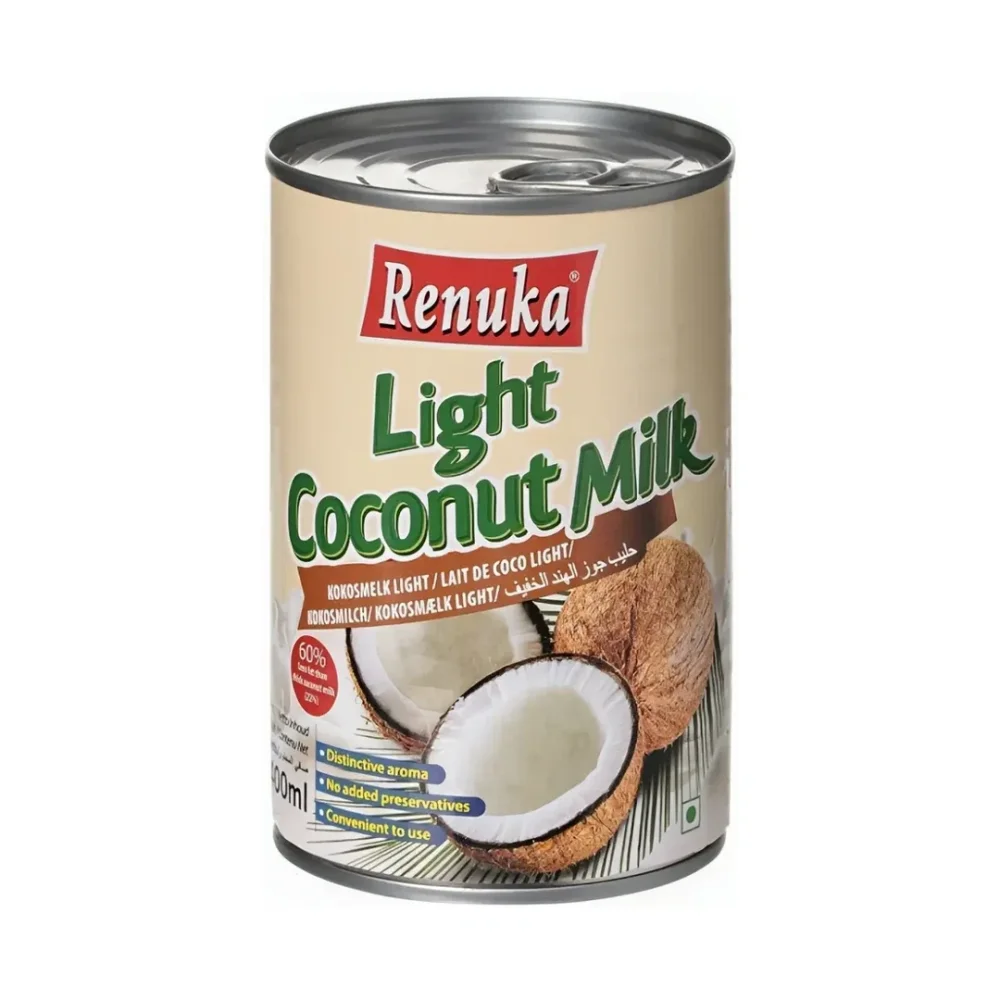
This also includes cooking “in sauce” and longer heat treatments, where moisture isn’t a problem but part of the result. In such dishes, a creamier base often makes sense, for example with coconut milk; if you want a lighter profile, you might consider Renuka light coconut milk – in such an environment, ingredients won’t try to brown but will cook evenly.
Even small pieces: when everything is mixed and should cook "equally fast"
Uniformity is often more important than size in fast cooking. Once you mix multiple ingredients together and want them done in the same time window, every difference in thickness starts to matter. Even small pieces are typical for fried rice, quick stir-fry mixtures, and dishes where every bite should feel similar.
Practical impact: uniform cutting helps keep the “cleanliness” of the dish – you won’t get sauce that’s intense in some places and watery in others, or part of the vegetables soft and part hard only because of varying cuts.
Irregular cuts: sometimes intentional, but often chaotic in a fast pan
Irregular cutting can make sense in rustic dishes where varied texture and different degrees of doneness are either acceptable or even desirable. In a fast pan, it often causes issues: small pieces burn while large ones stay hard. The result seems messy and harder to eat.
When shape is not just technique: symbolism of shapes in festive dishes
In festive Asian dishes, shape and form are often treated even more strictly than in daily cooking. It’s not only about taste: important can be the symbolism of ingredients and shapes (for example as wishes for happiness, longevity, or abundance) as well as family tradition. That’s why festive dishes tend to be more conservative – changing shape or form may mean losing part of the meaning, not just the texture.
Cutting must match the technique: wok, soups, cold dishes, grill, and fillings
One rule that saves the most disappointment in practice: first clarify the technique and only then cut. The same ingredient behaves differently in a wok, differently in soup, and differently in salad.
For wok and stir-fry: smaller and uniform pieces, thinner meat slices
In wok and stir-fry, you usually want speed, color, and freshness. The cut corresponds to that:
- rather smaller and uniform pieces,
- thinner slices of meat, so it sears quickly and isn’t rubbery,
- cut vegetables considering hardness and time (harder ones need smaller/thinner cuts or earlier entry into the pan),
- avoid large pieces that won’t "become ready" in the short time window.
For soups and broths: distinguish the base and the final bowl
With soups and broths, it’s useful to think in two layers: what gives flavor to the base and what is pleasant to eat in the finished bowl. Aromatics in the base can be larger and more robust, while final toppings and additions can be finer – among other reasons to be easy to eat and not overpower the rest.
For salads and cold dishes: tenderness and how much dressing the ingredient holds
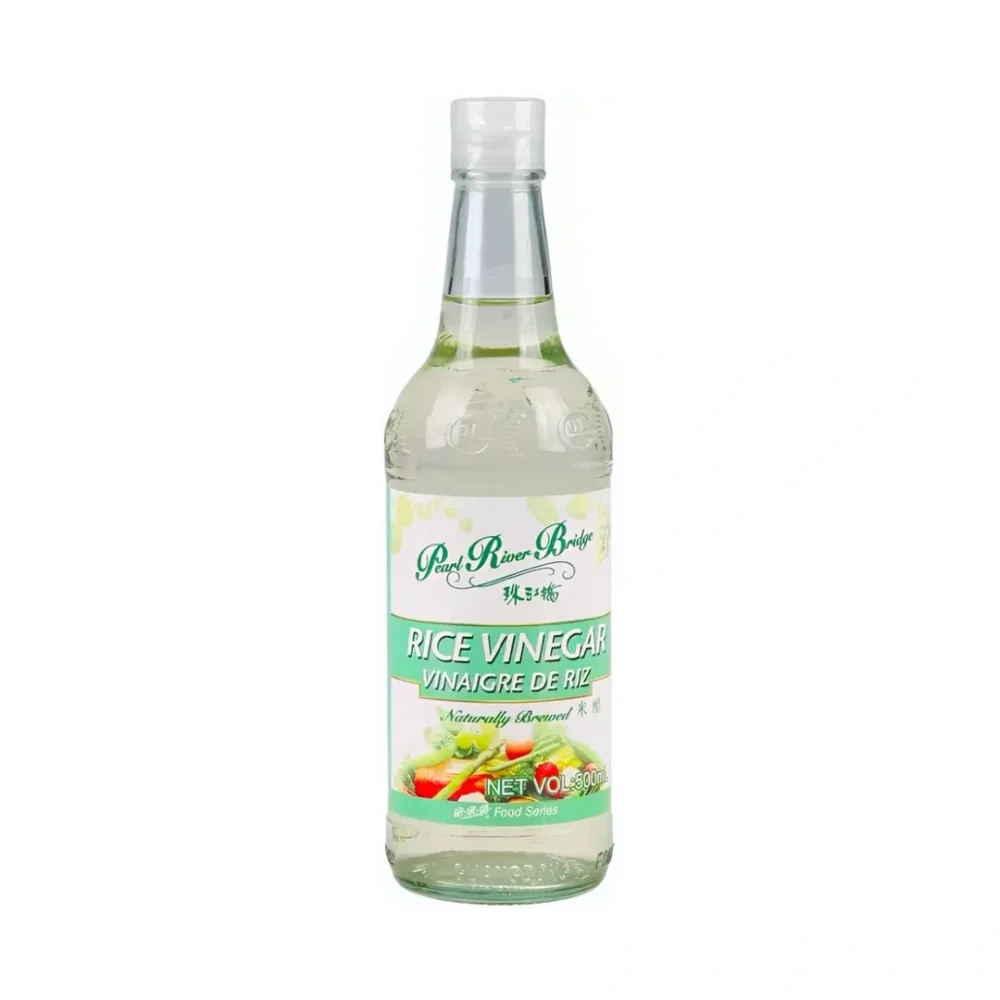
In cold dishes, delicacy and ease of consumption are important. Shape also affects how much dressing the ingredient holds and whether each bite is evenly flavored. This is often where milder acidity works well – for example rice vinegar; if you want a clean, non-aggressive acidity in dressings or for sushi rice, it makes sense to use P.R.B. rice vinegar.
For grill and roasting: pieces must “withstand time”
On grill or in oven, it’s essential that thin parts don’t burn before thick parts heat through. Therefore, it’s worth monitoring similar thickness or separating quickly cooked parts and cooking them separately.
For dumplings, pancakes, and fillings: so the filling holds but isn’t textureless
Cutting is key for fillings: too large pieces are hard to wrap and the filling won’t "hold together," too finely chopped can create a paste without texture. The cut should match how the filling should feel in the bite – cohesive but still with readable texture.
How to use this practically at home: a simple system for quick Asian cooking
The most practical home improvement is not to learn one perfect cut but to set a routine that works across dishes. Here’s a procedure mostly suited for wok / stir-fry, but principles transfer elsewhere.
🍜 1) Prepare everything in advance and separate ingredients by time
Before turning on the pan, have everything cut and ready. If you make a mixture of multiple ingredients, separate them by how fast they cook (fast things separately, slow things separately). This also helps with the order of adding, which is crucial in quick cooking.
2) Monitoring surface: dryness, moisture, and why food sometimes stews instead of stir-fries
Cutting is only part of preparation – equally important is the surface of the ingredient. Excess moisture is a problem mainly for wok and stir-fry, tofu, mushrooms, meat that should brown, and vegetables that should stay fresh (not "boiled"). On the other hand, for broths, stewing, steaming, or cooking in sauce, moisture is often not a problem, sometimes even desired.
The most common home shortcut that spoils results: putting washed ingredients directly into the pan. Some ingredients must at least be briefly dried to actually stir-fry properly.
3) Sauce and cut must cooperate: surface determines how well seasoning "fits"
When an ingredient has a larger surface (thinner slices, smaller pieces), it usually coats more easily and uniformly with sauce. Larger pieces often require technique (time, temperature, possibly longer contact with sauce) so seasoning isn’t just on the surface.
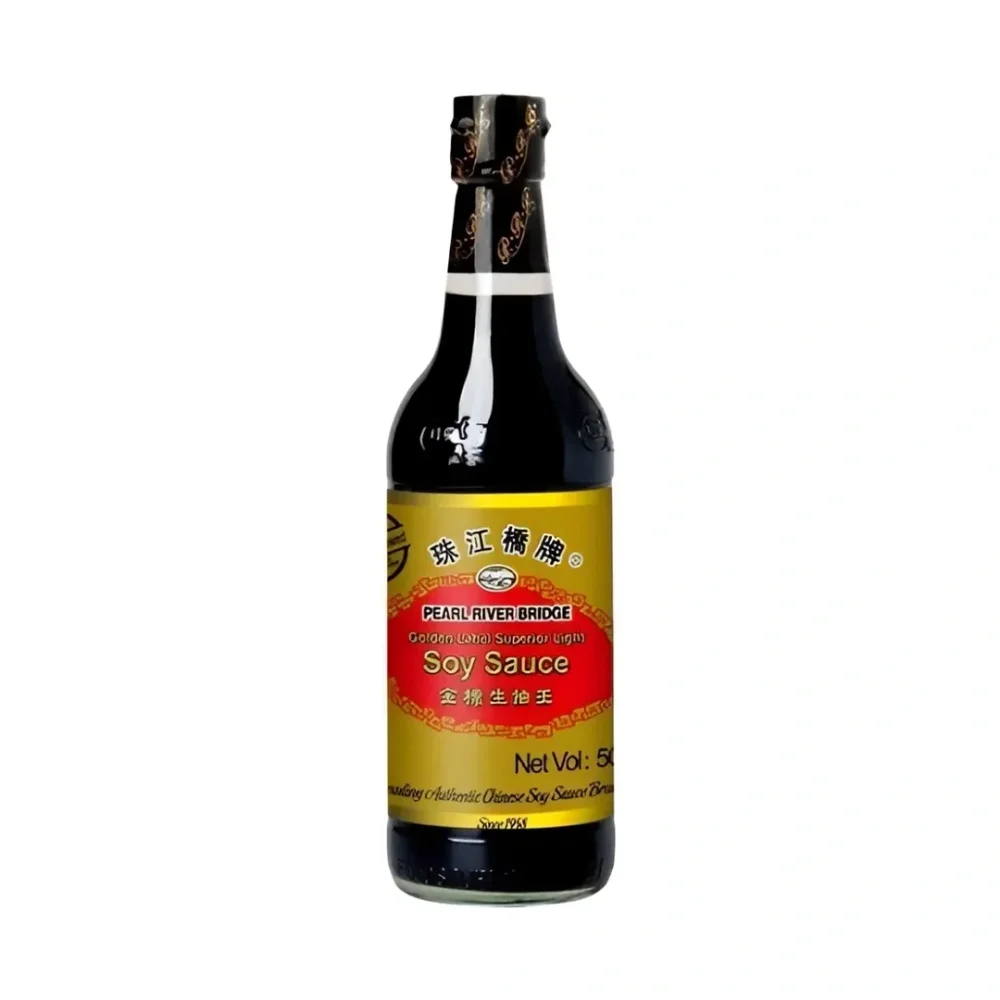
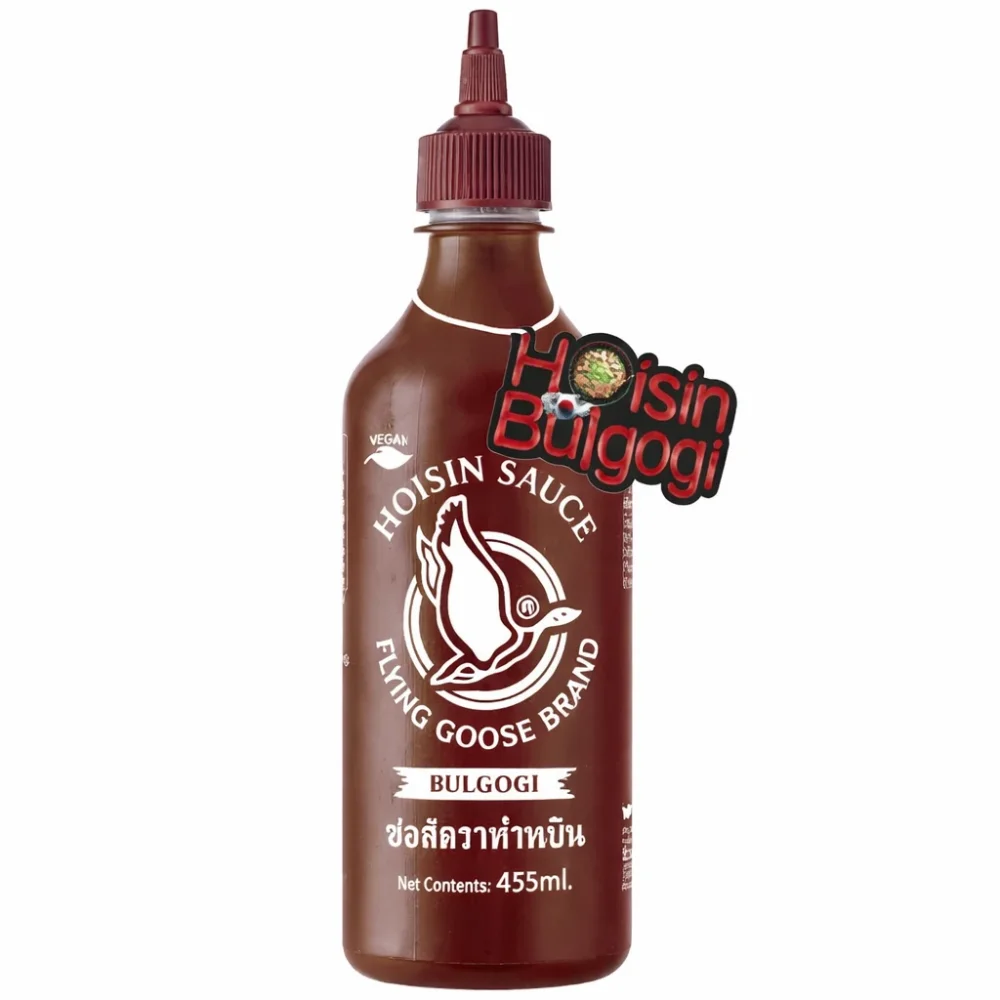
For wok cooking, it’s good to use seasonings that quickly add saltiness and umami without long cooking – typically light soy sauce. If you want a mildly salty profile that doesn’t darken the dish, you can use P.R.B. Superior Golden Label light soy sauce. And if you want a “quick glaze” without complex flavor assembly, a thicker sweet-salty style can serve well for stir-fry or as a marinade, for example Flying Goose hoisin sauce (Bulgogi) – this kind of sauce usually behaves best with smaller and thinner pieces.
🍜 4) Choose oil so it doesn’t overpower the cut and ingredients
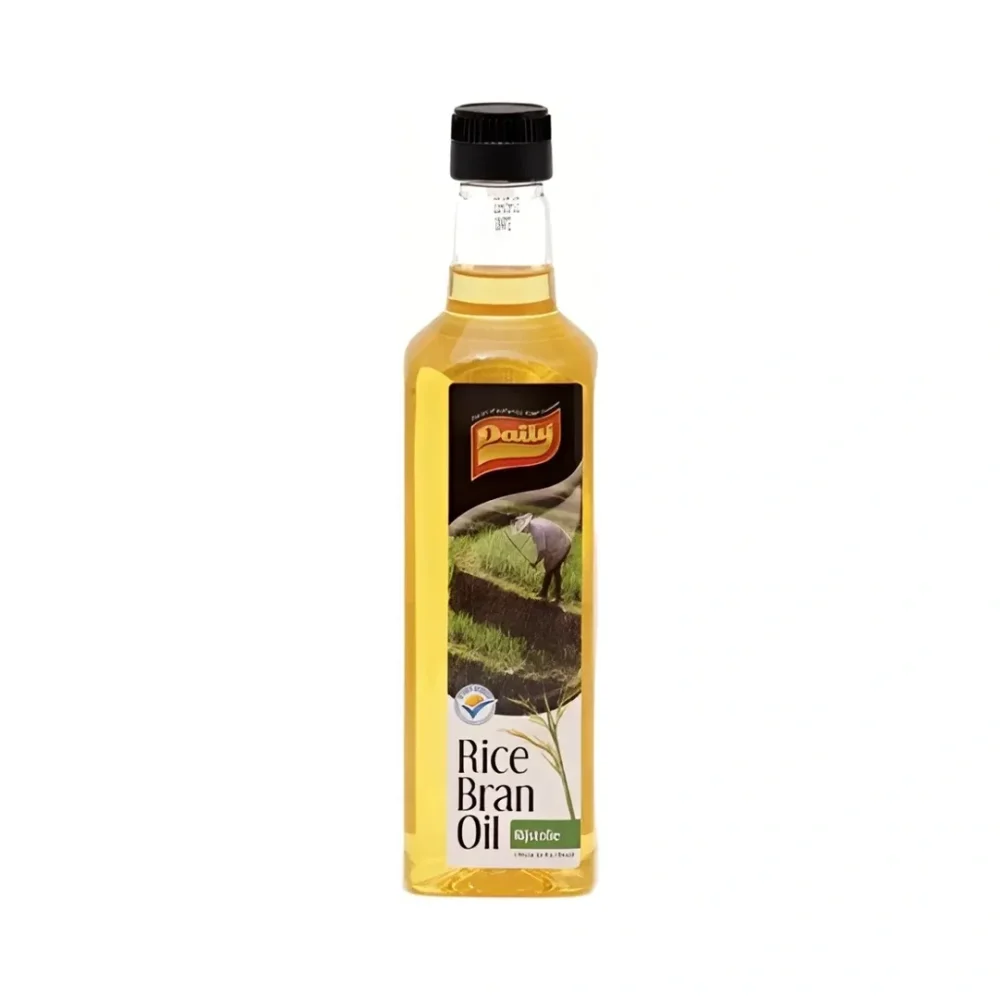
For fast techniques, neutral oils often help, not overpowering ingredient flavor and allowing subtle texture differences to shine. An example of such a profile is Daily rice oil.
5) A short detour: shape isn’t just cutting – rice also has a "right type" based on texture
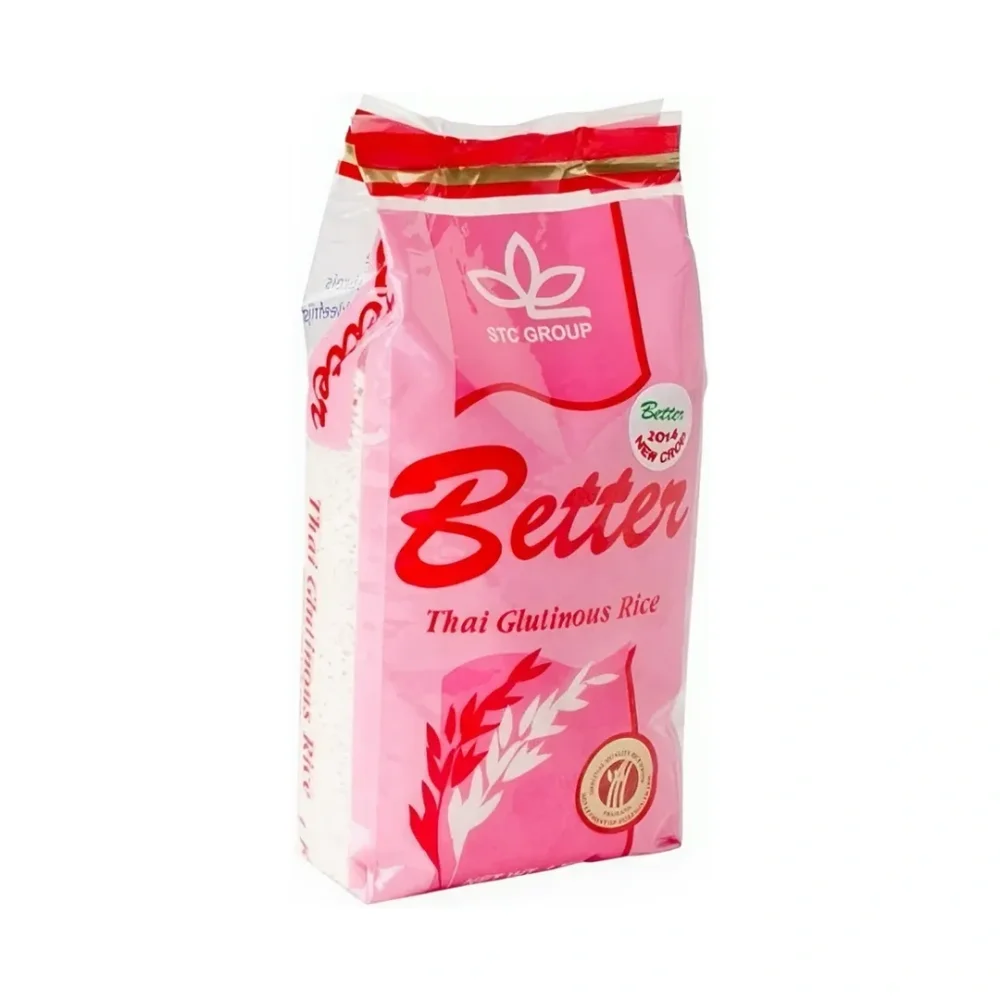
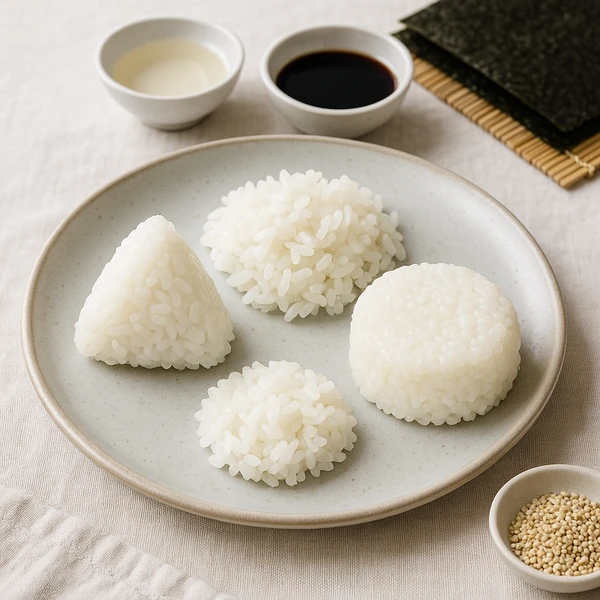
Some texture differences arise already from ingredient choice, not the knife. A typical example is rice: it cannot be treated as one universal commodity because different grain shapes and types behave differently after cooking. If you need rice that holds together (for example as a side for Thai dishes), a sticky type makes sense, for instance Better Brand sticky rice. The same type won’t automatically be best for every other use – and this is a common source of disappointment.
If you are more interested in working with rice and shape in sushi (fish cuts, component composition, rice seasoning), the guide continues with Sushi Preparation.
Most common mistakes: what goes wrong most often and how to fix it
- Mixture of differently sized pieces in one pan. Fix: unify thickness for quick techniques, or separate ingredients into two parts and add them gradually.
- Irregular cut in stir-fry. Fix: keep irregularity for more rustic dishes; in a wok, it’s a fast way for part to burn and part to stay hard.
- Wet ingredients put directly into the pan after washing. Fix: for things that should stir-fry and brown, at least dry the surface. Otherwise, ingredients stew and texture contrast is lost.
- Cutting “on the fly” and panic in step order. Fix: make mise en place – cut, measure, prepare – then cook. For quick dishes, it makes a bigger difference than a “better sauce.”
- Trying to save a bad cut with sauce. Fix: go back a step. Sauce won’t evenly cover food with differently sized pieces and varying surfaces.
- Seeing shape only as decoration. Fix: treat shape as a technology – it affects softening speed, browning, juice retention, and how the food is eaten.
If with soy sauces you notice different styles behave differently (different saltiness, strength, uses), the guide Other soy sauces – is helpful, just for basic orientation that "soy sauce" is not always one and the same thing.
What to take away from the article
- The result is often decided already on the cutting board: bad cutting and poor preparation organization immediately affect quick cooking.
- Size and shape are not aesthetics: they affect softening, juiciness, color, sauce coating, and how the food is eaten.
- Thin cuts are for speed and sauce, larger pieces for juiciness and longer techniques, uniform small pieces for mixing and the same timing, irregularity often harms in the wok.
- Cutting must match the technique: wok, soups, cold dishes, grill and fillings have different requirements.
- The surface of the ingredient is as important as the cut: excess moisture is a common reason in stir-fry why the food stews instead of stir-frying.

Read next
If you want to explore this topic further, continue with these related blog guides and articles:
