


 Česky (CZK)
 Slovensky (EUR)
 Deutsch (EUR)
 Austria
 Belgium
 Bulgaria
 Croatia
 Denmark
 Estonia
 Finland
 France
 Germany
 Greece
 Hungary
 Italy
Italy Latvia
 Lithuania
 Luxembourg
 Netherlands
 Poland
 Portugal
 Romania
 Slovenia
 Spain
Spain Sweden










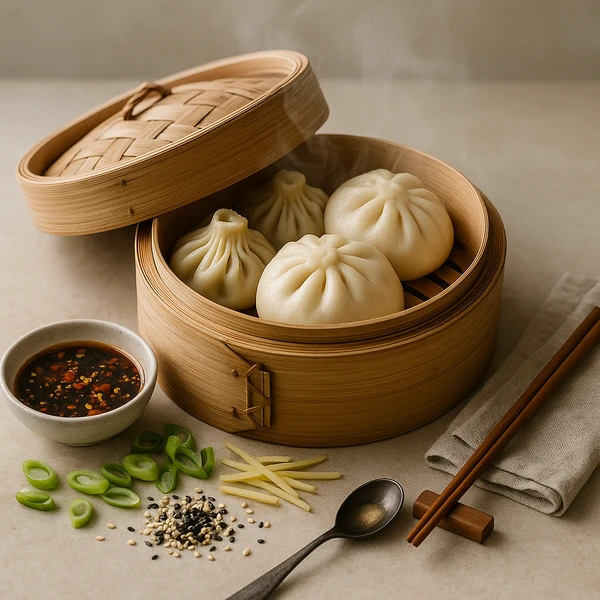
Steaming dumplings and bao: how to achieve the right texture, selection, and common mistakes
Steaming is one of the techniques in Asian dumplings that most determines the outcome: whether the wrapper will be soft and elastic or, on the contrary, soggy, heavy, or "rubbery." In this guide, you'll clarify exactly what steaming means, which types of dumplings and bao are most commonly steamed, how to choose (especially with frozen pieces), and how to avoid mistakes that ruin texture and flavor.
Why steam: the technique that defines the identity of dumplings and bao
In Asian cuisine, technique is not just a "method to finish cooking." Very often it defines the identity of the dish itself: the same filling in a similar wrapper can feel completely different depending on whether you boil it in water, pan-fry it, or prepare it by steaming.
With dumplings and bao, this is especially clear because the wrapper (dough or starch layer) and its texture play an equally important role as the filling. Steaming is typically the way to achieve a more delicate, "cleaner" bite without sogginess caused by direct contact with water. This is why you encounter steaming both with dim sum and with filled bao buns.
🌶️ What steaming is and how it differs from boiling in water
Steaming means heat treatment using steam. The key difference compared to boiling is that the ingredient does not lie in water. This directly affects the resulting texture: steaming keeps it different than if you boiled the dumpling or bao submerged in water.
In practice, it’s useful to think about steaming as technically as you would about temperature control in other Asian methods: the goal is a stable, controlled process, not aggressive "fast" cooking. With many Asian dishes, gentler handling of heat helps retain structure and clarity; with dumplings and bao, this is most noticeable in the wrapper.
Which types of dumplings and bao are most commonly steamed: the wrapper matters
A "dumpling" is not just one thing. It’s a whole family of dishes united by the principle: the wrapper or starch layer hides the filling (or forms a standalone bite). Across different parts of Asia, the wrapper material, shape, thickness, and whether the pockets are boiled, steamed, or fried vary. And it’s precisely the wrapper that makes steaming make the most sense for certain groups:
Wheat pockets: jiaozi and relatives (steaming as one of several equal options)
A typical example is Chinese jiaozi: usually a wheat wrapper with meat and vegetable filling (often pork, Chinese cabbage, chives, ginger, or shrimp). Jiaozi can be boiled in water, steamed or pan-fried. So, it’s not that steaming is "correct" and boiling is "wrong" – they yield different results.
A practical tip from the experience of choosing styles: boiled jiaozi pieces tend to be softer and more "about the filling," while fried ones have the contrast of a crispy bottom and juicy center. Steamed versions often stand in between: the wrapper holds shape and texture remains delicate without contact with water.
Dim sum pieces: when steaming is not a supplement but a base
In the world of dim sum steaming is one of the techniques that create the typical dining experience. It’s important to know that dim sum is not just a “kind of dumpling” but a style of serving and eating smaller portions. However, for most people, the entry point to dim sum is through dumplings and filled buns – typically mentioned are har gow, siu mai, xiao long bao and char siu bao.
For exactly these dim sum pieces, steam is often the natural environment: the goal is a delicate, distinct wrapper texture and juicy filling without sogginess.
Leavened dumplings and filled buns: bao as a test of proper steaming
Bao (filled buns) belong to the group of yeasted or leavened dumplings and buns. Here, steaming typically aims at fluffy dough. With bao, you can also very quickly tell quality and whether the chosen style was suitable: after preparation, the dough should be fluffy, not dense and rubbery.
Soup and broth dumplings: sometimes the "right" way is broth
Not all dumplings are automatically steamed. There are also soup and broth dumplings, where broth and short boiling is the natural context. A practical conclusion is simple: before choosing steaming as a universal solution, it’s worth clarifying which family the dumpling belongs to and its role in the dish (standalone bite vs. part of a soup).
How to choose dumplings/bao for steaming at home and how to season them to make sense
Dumplings in Asia are practical (easy to portion, transport, and freeze), social (often prepared by multiple people), and festive. But for home use, the most important thing is this: you quickly spot the difference between a piece built for good texture and one that will get heavy or start tearing after steaming.
🌶️ How to recognize good frozen pieces (and warning signs)
- The wrapper should not be cracked, dried out, or stuck together in one clump.
- The filling should correspond to the name and should not appear "fluffy" with starch.
- With dim sum pieces, watch the ratio of wrapper to filling.
- With gyoza and jiaozi, it’s good when the pieces hold their shape and have a reasonably thin wrapper.
- With bao, it’s crucial after preparation that the dough is fluffy, not rubbery and dense.
- With shrimp and meat varieties, seek clear flavor, not just saltiness.
A practical shortcut: a higher-quality dumpling after cooking or steaming doesn’t feel heavy, its filling is juicy, the wrapper does not tear, and the entire bite has a clear taste.
Seasoning and dips: stick to clear saltiness, umami, and pungency
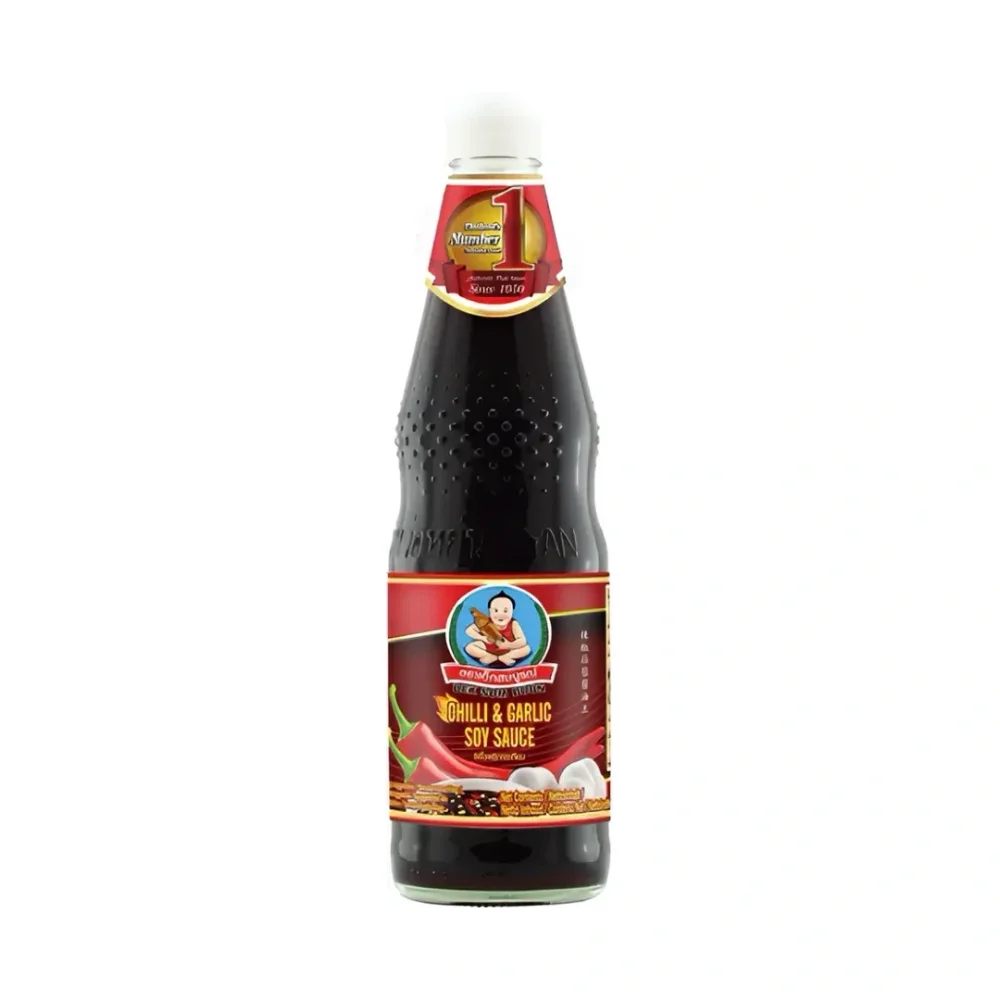
For many dumplings, the simplest seasoning is most sensible – one that supports the filling and wrapper without overpowering them. For a "quick dip," a stronger soy base is suitable – for example, Dek Som Boon soy sauce with chili and garlic, which combines saltiness, umami, garlic, and spiciness in one flavor.
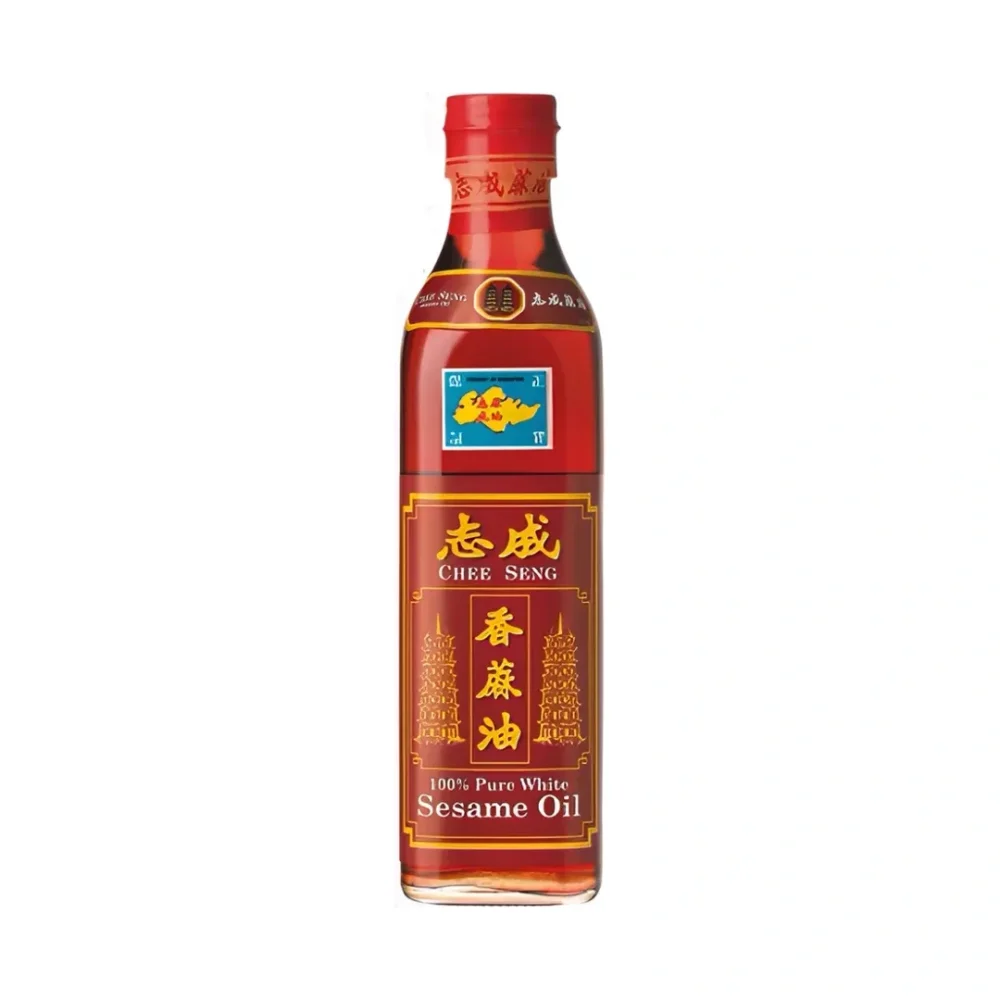
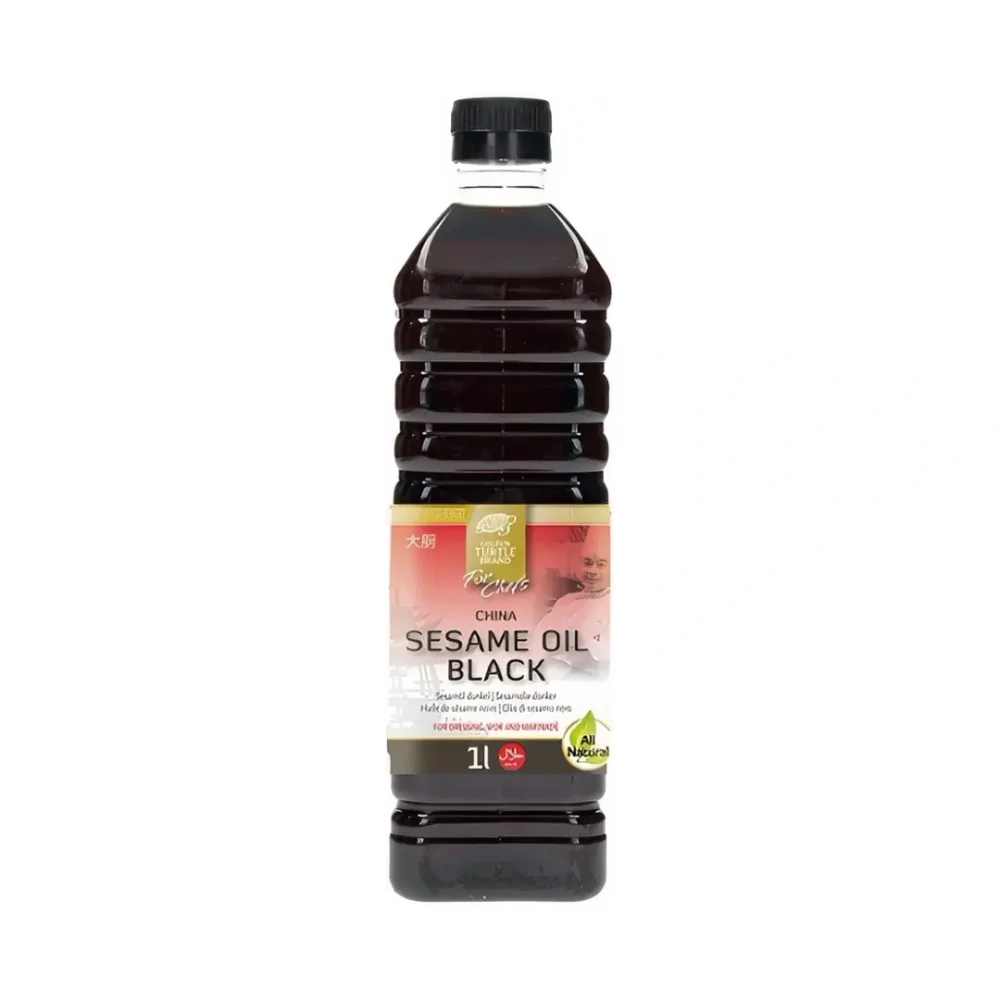
For sesame aroma, it’s good to know there are different profiles: milder, “rounder,” and strongly aromatic. For adjusting dips or final seasoning, you can use Chee Seng white sesame oil (mild nutty character) or the stronger Golden Turtle black sesame oil, which has a more intense nutty aroma. It’s not about “better vs. worse” but how strong a sesame note you want in the dip.
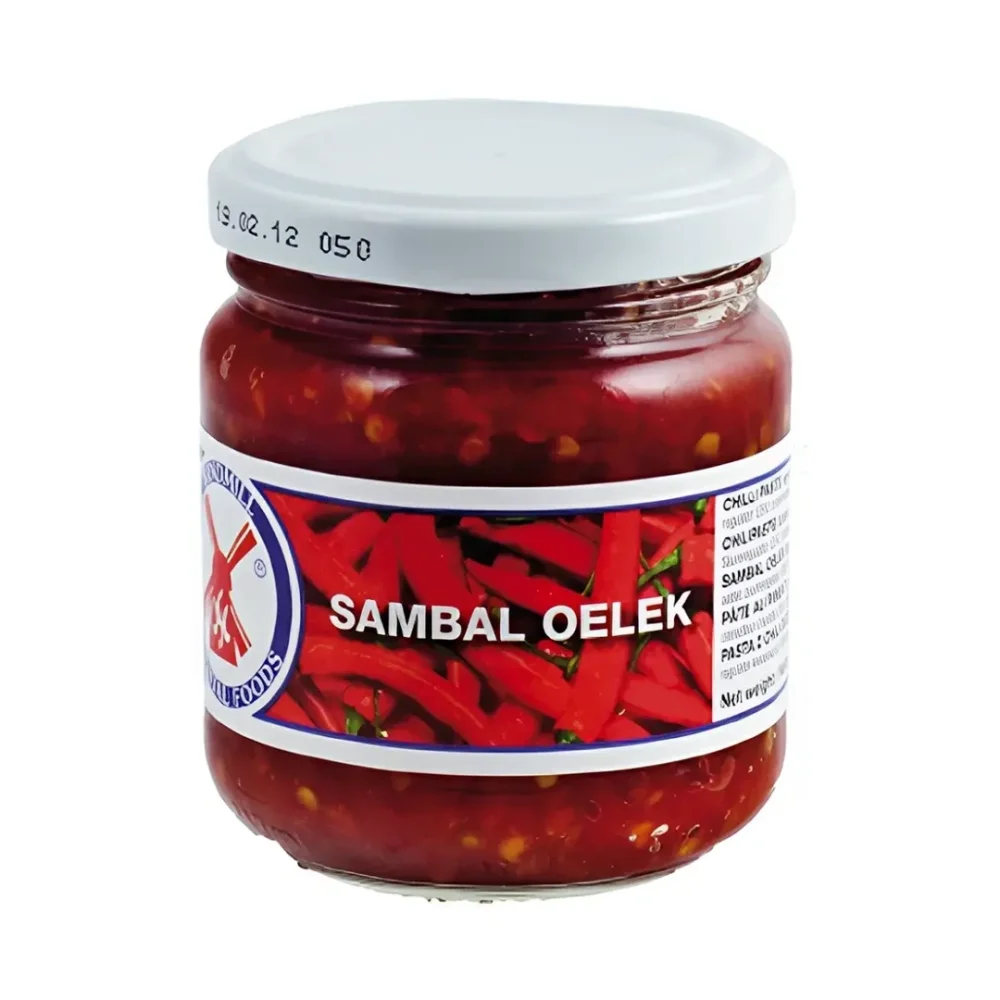
If you want to add spiciness step by step and prefer it more “chili” than “soy,” a pure chili paste like Windmill Sambal Oelekis practical.
Most common mistakes when steaming dumplings and bao (and how to recognize them)
- Confusing steaming with boiling. Steaming and boiling are not just two ways to "finish" food – they create different textures. If you want to keep the wrapper soft and not soggy, it’s essential that the piece is not in direct contact with water.
- Expecting all dumplings to behave the same. Even within one family (like jiaozi), there are variants: boiled, steamed, and fried. When you pick a technique, you also choose the style of the bite (softer and more “about the filling” vs. contrasting and fried).
- Underestimating the quality of the wrapper in frozen pieces. Cracked, dried out, or stuck wrappers often show by tearing after cooking or feeling heavy.
- “Rubbery” bao as a sign of a bad result. Bao is expected to have fluffy dough; if it feels dense and rubbery, something is wrong either with the quality of the piece or the chosen preparation (and in practice, this also affects less ability to absorb dip and pleasant eating).
- Seasoning that overpowers the filling. With dumplings, it’s easy to overshoot spiciness or saltiness. It’s better to start moderately and adjust taste step by step (e.g., with sesame oil or chili paste).
What to take away from this article
- In Asian cuisine, technique often determines how a dish will feel – for dumplings and bao, this applies doubly because of the wrapper and texture.
- Steaming differs from boiling mainly in that the food is not in contact with water, which directly affects texture.
- There isn’t "one correct dumpling": some types are naturally steamed (dim sum, bao), others belong in broth or on a pan.
- With frozen pieces, watch the condition of the wrapper, the ratio of wrapper to filling, clarity of flavor, and especially fluffiness in bao after cooking.
- Keep seasoning simple and clear: add soy base, sesame aroma, and pungency in a way that supports the filling without overpowering it.

Read next
If you want to explore this topic further, continue with these related blog guides and articles:
