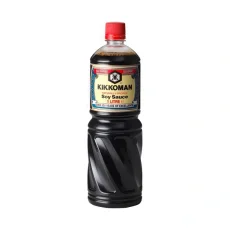
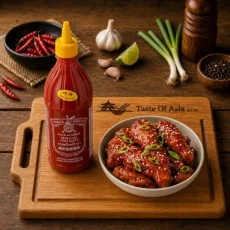
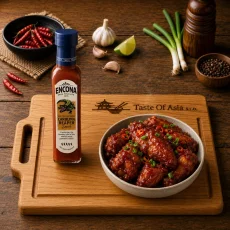
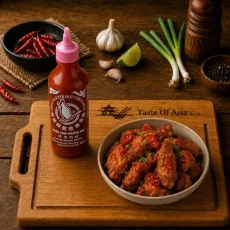
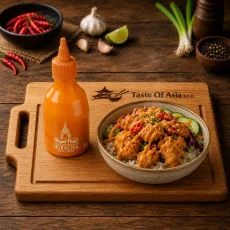
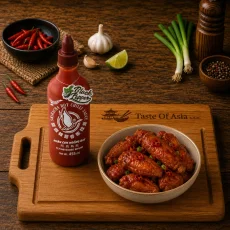
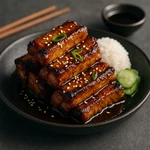
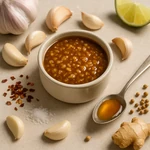
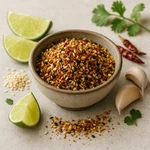
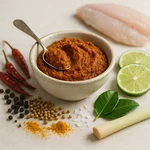
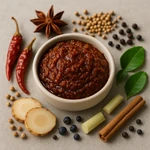
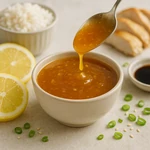
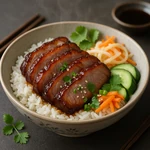
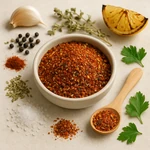
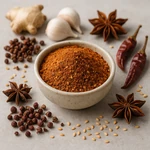
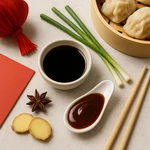
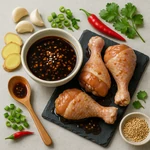
These oven-baked ribs get their “restaurant shine” from a simple two-step method: slow, covered roasting until tender, then quick high-heat glazing with a honey–soy sauce reduction scented with garlic and ginger. The result is deeply savory, gently sweet, and irresistibly sticky.
Honey ribs feel “restaurant-level” because the flavor hits in layers: sweet up front, savory in the middle, and warm spice in the finish—plus that glossy, sticky glaze. The secret isn’t complicated technique; it’s choosing a spice profile that can season the meat and still shine after caramelization.
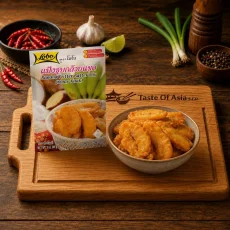
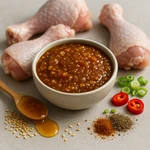
Chicken drumsticks are made for bold seasoning: the skin renders, the meat stays juicy, and a honey-forward spice mix turns the surface glossy and caramelized. This guide shows how to build (or use) a honey-spiced seasoning so your drumsticks come out sweet, savory, gently warm, and unmistakably “glazed”.
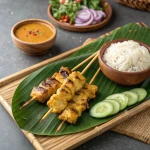
Satay is Southeast Asia’s iconic grilled skewer: small pieces of meat soaked in a fragrant marinade, cooked fast over high heat, and served with a creamy peanut sauce. This version is easy to make at home on a grill, grill pan, or in the oven—ideal for weeknights and great for sharing.
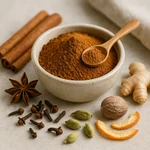
Gingerbread spice is a warm, aromatic blend built around cinnamon, ginger, clove and other “sweet” spices. It’s famous for gingerbread—but it’s just as useful in oatmeal, hot drinks, fruit desserts, and even subtly spiced savory dishes. Here’s what’s usually inside, how to dose it, and how to keep it fragrant all season.
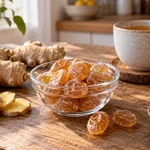
Discover the secrets of health and flavor in every bite! Ginger candies are not only a great treat, but also a natural aid for your digestion and immunity. Read our article and find out how ginger candies can help you in your everyday life and why they should be a staple in your home!
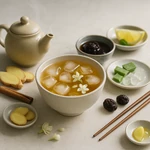
Immerse yourself in the world of Korean ginger tea! This spicy and refreshing drink is ideal for warming up on cold days. Read about how Koreans use ginger for its unique flavor and beneficial properties.
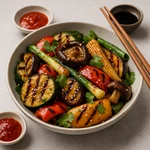
High heat is the secret to truly great grilled vegetables: you get sweet, smoky flavor, crisp edges, and a juicy bite. This Asian-inspired version uses a quick soy-based marinade with optional Sriracha for heat—perfect as a side dish, or as the main event over rice or noodles.
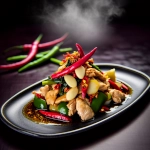
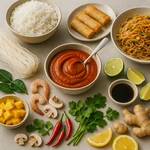
This chilli ginger garlic stir-fry is the kind of dinner you can cook faster than you can order takeaway: sizzling aromatics, crisp-tender vegetables, and a glossy sweet-sour-soy sauce. Make it with tofu, chicken, or just vegetables—one pan, big flavor.
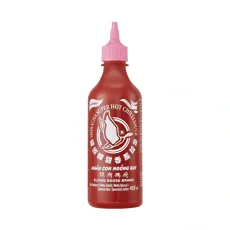
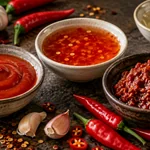
Want to add a new dimension to your dishes? Chili sauces will liven up grilled foods, tacos, soups, or salads. With different levels of spiciness, everyone can find the right one for them. Whether you're looking for a mild flavor or intense heat, chili sauces will give your dishes an exciting taste experience.
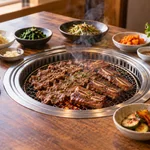
Discover the magic of Korean BBQ! With delicious sauces and tasty side dishes, you'll enjoy an unforgettable grilling experience full of flavors you'll love.
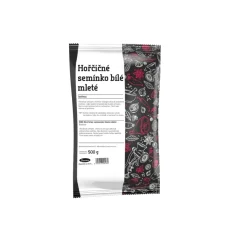
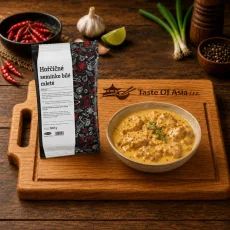
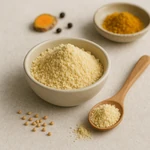
Ground white mustard seed is a quiet workhorse in the spice cupboard: it brings a gentle heat, a warm mustard aroma, and extra “body” to sauces and marinades. Used well, it can deepen everything from salad dressings and rubs to Asian-style curries and stir-fry sauces—without overpowering the dish.
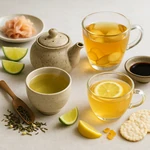
Are you interested in Korean lemon tea? This refreshing drink full of citrus flavor is popular all over the world. Read more about its traditional preparation and interesting facts that will surprise you!
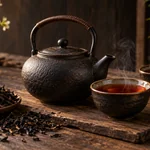
Black teas offer a rich palette of flavors and aromas that will draw you into the fascinating world of tradition and culture. Whether you like the delicate smokiness of Keemun, the earthiness of Pu Erh, or the fullness of Yunnan, each cup of black tea will enrich you with a new experience.
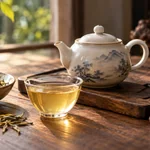
Discover the magic of yellow teas – a delicious drink with a unique taste and a range of health benefits. Learn about their history, types, and complex production process. Ideal for supporting digestion and the immune system.
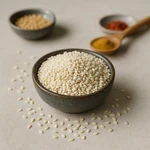
White sesame seeds are one of those small ingredients that instantly make food feel more finished: a gentle nutty aroma, a subtle crunch, and a familiar “Asian kitchen” note on rice, noodles, salads, and stir-fries. Once you know when to toast them—and when not to—you’ll reach for them almost daily.
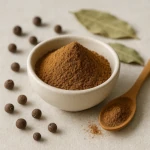
Ground allspice (often called “allspice powder”) is one of those quiet pantry staples that can transform a dish with just a pinch. It’s sweet-warm, intensely aromatic, and surprisingly versatile—useful not only in Western soups and pickling, but also as a subtle depth booster in Asian marinades, stir-fry sauces, and rice.
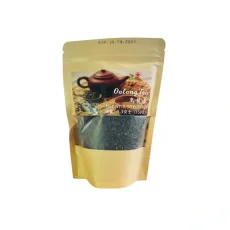
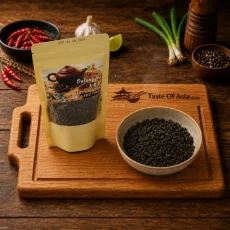
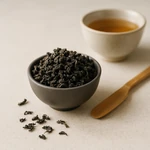
Oolong is the tea people return to when they want variety without switching to a different drink. Depending on how it’s made, it can taste fresh and floral or warm, toasty, and deep—one reason you may even see it labeled as “black tea oolong.” Here’s what that means, how to choose a style you’ll enjoy, and how to brew oolong so its aroma really shows.
Garlic marinade is one of those kitchen shortcuts that doesn’t feel like a shortcut: it can make chicken, pork, tofu, or vegetables taste deeper, smell incredible, and stay juicier—fast. The trick is knowing how garlic behaves with heat, how long to marinate different ingredients, and how to balance sweet, salty, and acidic notes for Asian-inspired results.
A bowl of greens can be a quick, light meal—or it can feel like “just vegetables.” A ready-made salad seasoning blend is the shortcut that bridges that gap: it adds aroma, rounds out flavor, and helps your dressing taste intentional even when you’re short on time.
Fish cooks fast and tastes best when its natural sweetness and tenderness stay front and center. The trick is choosing seasonings that support the fish—whether you’re pan-frying a delicate white fillet, grilling salmon, or simmering seafood in a fragrant Asian-style sauce.
Game meat such as venison or wild boar has a deeper, more “forest” character than farmed meats—often leaner, sometimes slightly earthy, always worth treating with care. The right seasoning doesn’t mask that flavor; it frames it. Here’s a practical guide to classic pairings (juniper, pepper, herbs) plus Asian-inspired ideas—citrus, aromatics, chili, and layered umami—that can make game taste cleaner, rounder, and more modern.
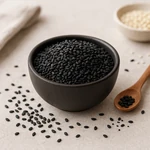
Black sesame seeds may be tiny, but they bring a surprisingly bold, nutty aroma, a gentle crunch, and instant visual contrast. Learn what makes them different from white sesame, when to use them whole vs. ground, how to toast them without bitterness, and easy ways to use them in both savory dishes and desserts.
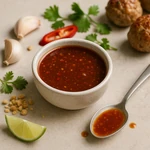
Meatballs are reliably good. The sauce is what makes them memorable: it adds aroma, keeps them juicy, and turns “just meatballs” into a dish you want to eat again tomorrow. Here’s a practical way to build a sauce that balances sweet–salty–sour–spicy, clings to the meatballs, and can lean Asian without feeling complicated.
Are you planning a feast or a larger family visit and want the food to work smoothly for more people? This practical guide will show how to arrange the menu according to Asian sharing principles: the roles of rice, soup, and side dishes, how to combine flavors, and what to prepare in advance.
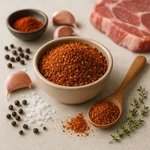
Roast pork neck—also called pork collar—is naturally forgiving thanks to its marbling, but the difference between “nice” and “unforgettable” comes down to seasoning and timing. This guide shows you how to build flavor with a dry rub, a marinade, or a final glaze, plus a few easy Asian-leaning twists that still feel right for an oven roast.
Chicken with rice can be a quick weeknight dinner or true comfort food—the difference is the sauce. Below you’ll find practical “building blocks” for common Asian-inspired sauce styles (bright and tangy, soy-umami, curry, or tomato-spiced), plus easy ways to thicken, balance flavors, and keep chicken juicy.
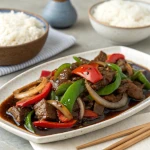
This black pepper stir-fry is all about bold aroma, a glossy savory sauce, and crisp-tender vegetables—ready in about 25 minutes. Use chicken, beef, or tofu, and don’t be shy with freshly ground black pepper.
Pork neck (also sold as pork collar) is naturally marbled, which makes it one of the most forgiving cuts for oven roasting. This recipe keeps the prep simple, delivers a juicy sliceable roast, and finishes with a fragrant, lightly crisp crust—plus an optional sweet-salty glaze if you want a subtle Asian-inspired twist.
Discover the secrets of Korean plum tea! A delicious, refreshing drink with a rich history that will enchant you with its delicately sweet and sour taste. Find out how it is made, what its beneficial effects are, and why this tea is so popular in Korea.
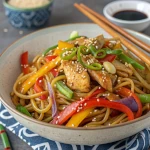
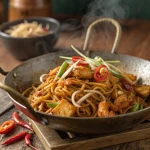
Chow mein is all about speed and heat: springy noodles, crisp-tender vegetables, and a savoury sauce that clings to every strand. This flexible recipe shows you the core technique, then lets you swap chicken for beef, tofu, shrimp—or go veggie-heavy.
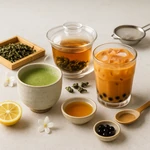
Asian drinks are not just sweet drinks with ice. Alongside traditional tea culture, there is a modern world of drinks where texture, visuals, tea base, syrups, and the possibility to "assemble" a drink exactly to taste play a role. In this guide, we will clarify what real tea is, what the main types of tea are, why bubble tea is more than a trend, and how to avoid the most common disappointments in practice.
Mee goreng is the kind of dish you make once and then crave regularly: springy noodles tossed in a sweet-savoury, lightly spicy sauce, finished fast over high heat. This version is flexible (chicken, shrimp, tofu, or veg), works in a wok or large pan, and comes together quickly when you prep everything first.
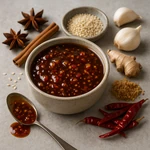
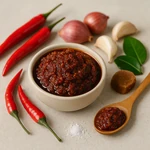
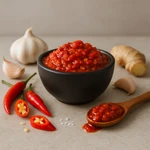
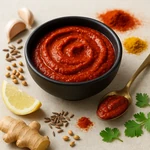
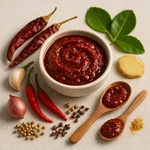
Sambal Badjak is a cooked Indonesian-style chili paste that brings more than heat: it adds savory onion and garlic notes and a gentle sweetness that rounds out quick weeknight meals. Here’s what makes it different from simpler sambals and how to get the best flavor from just a spoonful.
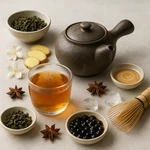
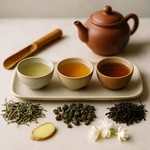
“Asian tea” is not one thing. The word tea covers true tea from the tea plant (Camellia sinensis), flavored blends, and also modern drinks that are based on tea but work with milk, ice, citrus, fruit concentrates, and especially texture (typically bubble tea). This overview gives you a quick orientation: what true tea is, what the major types are and why they taste completely different, how to read packaging, how to choose a style by taste, and what common misconceptions even people who “have been drinking tea for years” encounter.
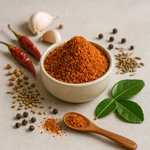
“Golden chicken” seasoning isn’t one single fixed recipe—it’s a style of spice blend designed to make chicken taste warmly seasoned (not aggressively hot) and look appetizingly golden. Here’s what creates that effect, how to use the blend for roasting, pan-frying, or quick Asian-style stir-fries, and how to pair it with sauces so the result stays juicy and balanced.
Smoked sweet paprika is one of those spices that can make a simple meal taste like it spent time over charcoal. It brings gentle pepper sweetness, a warm red hue, and a distinct smoky aroma—without needing a grill. Here’s how to use it well, what it pairs with, how to avoid bitterness, and smart ways to fold it into Asian-style dishes.
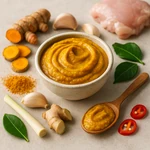
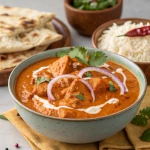
Murgh Makhani—often called Butter Chicken—is a classic North Indian curry built on tender chicken, a velvety tomato sauce, warm spices, and a buttery finish. This home-cook friendly version keeps the flavor authentic while giving you practical options for the oven, pan, or grill.
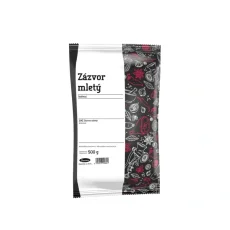
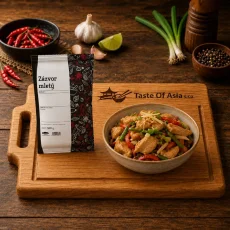
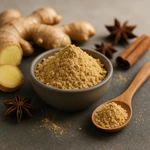
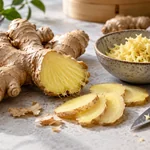
Ground ginger is one of those quiet pantry spices that can make a dish taste instantly more “Asian”—warm, gently peppery, and lightly citrusy. Used well, it boosts curries, marinades, stir-fries, and dipping sauces without adding fibrous bits or extra prep. Here’s how to choose it, when it beats fresh ginger, and how to add it so it actually smells and tastes vibrant (not dusty or bitter).
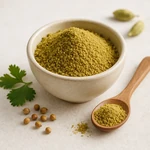
Ground coriander is an easy-to-overlook spice that quietly makes dishes taste more “finished”. It softens harsh heat, lifts citrusy notes, and helps connect bold aromatics in curries, soups, marinades, and stir-fries—if you add it at the right moment.
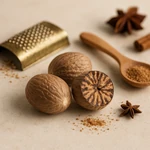
Nutmeg is one of those spices that works best in tiny amounts: a few light gratings can make a sauce taste rounder, a coconut curry feel creamier, or a broth smell instantly more inviting. Here’s how to get the most out of whole nutmeg—why it beats pre-ground for fragrance, how to dose it correctly, and where it fits surprisingly well in Asian-style cooking.
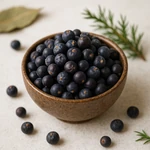
Whole juniper berries bring a distinctive evergreen, resinous aroma and a gently bitter-spicy edge that can transform stews, roasts, stocks, and pickles with just a few berries. Used with restraint, they add depth to rich meats and also work surprisingly well in modern soy-based marinades.
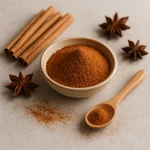
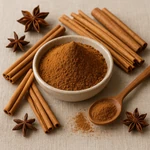
Ground Ceylon cinnamon is a gentle, sweet-warm spice with a refined aroma that works in desserts, drinks, and surprisingly well in savory rice dishes and stews. Learn what sets Ceylon cinnamon apart, how to use it without overpowering a dish, and how to keep it fragrant for longer.
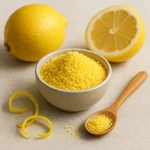
Ground lemon zest is dried, finely milled lemon peel that delivers citrus aroma without adding liquid. It’s a smart pantry tool for baking, spice blends, creamy sauces, and Asian-style curries—especially when you want consistent results and zero grating.
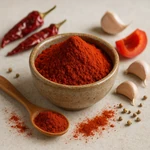
Sweet paprika is often treated as a “background” spice, but it can do three very practical things at once: deepen colour, add gentle sweetness, and round out sharp flavours—without extra heat. That’s exactly why it fits not only European staples, but also many everyday Asian stir-fries, noodle dishes, rice bowls, and soups.
Ground cinnamon is one of those pantry staples that can change a dish with a single pinch. Most people reach for it in baking or coffee, but it can be just as useful in savoury cooking—especially in Asian recipes where coconut milk, rice, chilli heat, and aromatic spices are balanced in one pot.
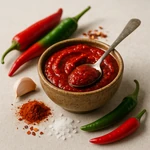
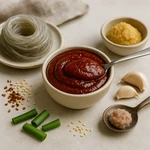
Surinamese sambal is the kind of chilli paste you keep within arm’s reach: intensely aromatic, fast to use, and powerful in tiny amounts. Stir it into soups, fried rice, noodles, sauces, or marinades when you want real chilli flavour—not just heat.
Argentina Grill seasoning is the kind of spice blend you reach for when you want instant smoky, roasty “grill energy” on meat, tofu, or vegetables—without planning a marinade. What’s surprising is how naturally it fits into fast Asian-style cooking too: stir-fries, noodles, fried rice, and quick pan sauces all benefit from its warm, savory backbone.
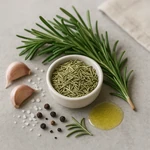
Rosemary is one of those herbs that can make a dish taste “finished” with almost no effort. Used sparingly, its piney, resinous aroma deepens roasted meats, vegetables, and olive-oil based marinades—and it can be surprisingly effective in modern Asian-inspired grilling and umami-rich sauces, too.
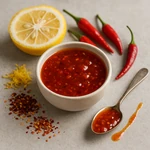
Sweet-spicy chili sauce is already a kitchen shortcut for instant flavor—but add yuzu and it becomes something brighter and more versatile. The gentle sweetness helps it cling to food, the chili brings warmth, and yuzu adds a crisp citrus aroma that can make fried, grilled, or rich dishes taste lighter and more defined.
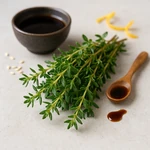
Thyme may look modest, but it brings a deep, savory herbal note that can make simple food taste more “finished”. Learn how thyme behaves in cooking (fresh vs. dried), the best timing for adding it, and pairing ideas—including smart ways to use it alongside umami-rich Asian pantry staples.
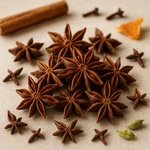
Whole star anise is one of those spices that can instantly shift a dish into an Asian flavor direction—sweetly spiced, gently licorice-like, and deeply aromatic. Used the right way, a single “star” can round out broths, braises, marinades, and even fruit-based desserts without taking over.
Ground meat is a weeknight workhorse—fast, versatile, and easy to portion. But it can taste surprisingly flat unless you build aroma and balance. This guide explains how to season ground meat on purpose: what flavors work, when to add spices, how to control heat and salt, and how to lean into Asian-inspired profiles with minimal effort.
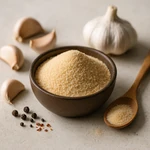
Ground garlic is one of those pantry staples that earns its place: it’s quick, consistent, and easy to dose—ideal for weeknight stir-fries, marinades, soups, and dry seasoning blends. Here’s how it differs from fresh garlic, when to add it to avoid bitterness, and how to pair it for the most fragrant results.
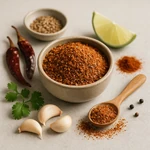
Mexiko-style grill seasoning is a shortcut to bold, smoky-spicy flavour—great on meat, vegetables, seafood, and plant-based proteins. Used the right way, it works as a quick dry rub, a juicy marinade base, and even a “fusion” seasoning that plays surprisingly well with Asian pantry staples like soy sauce, sesame, and lime.
Tandoori masala is a bold Indian spice mix made for high heat: aromatic, warmly spiced, and often gently hot. Combine it with yogurt and citrus for a quick marinade that works just as well in a home oven or on the grill as it does in a traditional tandoor.
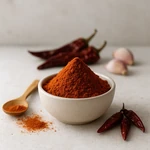
Hot paprika is one of the quickest ways to add warmth, color, and a rounded peppery aroma—without reaching for fresh chillies. Used well, it builds a pleasant heat that supports other flavors; used carelessly, it can turn bitter or overpower a dish. Here’s how to choose, dose, and combine hot paprika so the spice stays balanced, including practical tips for Asian-style meals.
Goulash seasoning is often treated as a one‑dish blend—something you grab only when you’re making a pot of stew. But its paprika-and-herb profile is versatile: used carefully, it can add warmth and depth to quick pan dinners, rice bowls, and even noodle stir-fries. Here’s how to get the best flavour without bitterness or heavy saltiness.
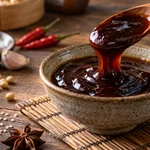
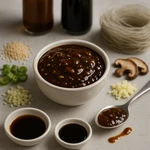
Hoisin sauce is the sweet-savoury, deeply aromatic condiment that can make a simple stir-fry taste restaurant-level in minutes. Learn what’s inside, what it pairs with, and how to avoid common mistakes—plus a few fast ways to use it beyond dipping.
Tamarind is the ingredient behind that distinctive sweet-sour “tang” in many Asian dishes—from Pad Thai-style sauces to sour soups and chutneys. Here’s what tamarind actually is, how different tamarind products compare, and how to get the flavor right without guesswork.
Ginger is a wonderful natural remedy that will enrich your health and taste buds. Read about its benefits, how to use it in the kitchen, and what forms it comes in.
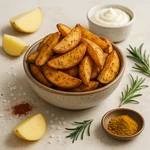
“American potatoes” in Central Europe usually means oven-baked potato wedges with bold seasoning: crisp on the outside, fluffy inside, and made for dipping. This guide breaks down what makes wedges truly crunchy, how to season without burning spices, and how to pair them with punchy (including Asian-inspired) sauces.
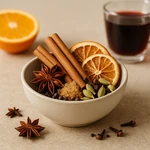
Mulled wine is remembered more by aroma than by alcohol: warm cinnamon, clove, citrus peel and a hint of anise can turn an ordinary evening into a small winter ritual. The spice mix is what decides whether your drink tastes rounded and cosy—or harsh, bitter, and overcooked. Here’s how to choose the right spices, infuse them gently, and put that festive fragrance to work in other drinks and desserts, too.
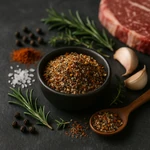
A great steak doesn’t need much, but it does need the right touch. The goal of steak seasoning isn’t to cover the flavor—it’s to sharpen it, build a better crust, and add aroma that blooms in high heat. Here’s how to choose (and use) rubs, marinades, and finishing glazes—plus simple ways to steer your steak toward an Asian-style flavor profile without overcomplicating dinner.
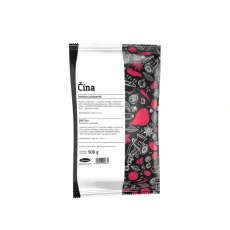
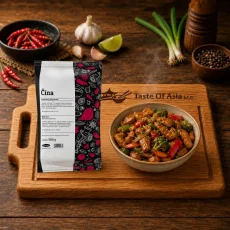
“Chinese seasoning” is a popular shortcut for fast stir-fries: it brings a warm, savory aroma and that familiar wok-style character even when you’re cooking with everyday ingredients. The trick is knowing when to add it, how much to use, and how to balance it so your dish doesn’t end up flat—or overly salty.
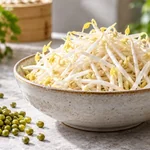
Discover the benefits of mung bean sprouts! In this article, you will learn how to easily grow them at home and how to use them in various dishes, from salads to stir-fries. Ideal for healthy and tasty cooking!
Japchae is loved for its glossy noodles, crisp vegetables, and that unmistakable sweet‑savory aroma. Whether you’re using a ready-made sauce or mixing your own, the right japchae-style seasoning is what helps glass noodles absorb flavor, stay silky, and taste balanced—not bland or watery.
Festive meals are not just "better versions" of everyday cuisine – in many cultures they function as a cultural code: they carry symbolism, define rituals, and confirm family continuity. The article focuses primarily on Asia: it explains common types of festive dishes, shows specific examples, and offers practical advice on how to meaningfully prepare some traditions at home.
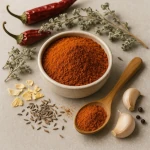
“Devil’s seasoning” is a handy nickname for extra-spicy chili blends, pastes, and sauces that can turn plain rice, noodles, or a quick stir-fry into something exciting. The trick is choosing a heat level you’ll enjoy—and building flavor around it so the dish is bold, not just painful. This guide shows how to read spiciness cues, dose it confidently, and balance heat like Asian kitchens do.
How do fast street foods, festive menus, noodle bowls, or dishes based on seaweed and mushrooms differ in Asian cuisine? This guide explains the main types of meals according to the occasion, presents representative examples, and offers practical advice: what to buy at the start, how to combine ingredients, and how to avoid the most common mistakes.
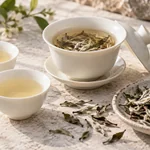
Discover the magic of white tea – a drink that enchants with its delicate flavor and soothing effects. Ideal for relaxation, meditation, or evening tranquility.
Asian drinks today include much more than just sweet lemonades with ice. Alongside the traditional tea culture, there are urban "café" drinks where the tea base, texture (pearls, jelly, pieces of fruit), work with aroma and color, and the option to customize sweetness and ice all play a role. In this guide, we will clarify what is typical for modern Asian drinks, how hot and cold variants differ, what “real tea” means, and what mistakes to watch out for.
Choosing the right drink for Asian food is not just a detail. A drink can soften the food, cleanse the palate between bites, or on the contrary, "overpower" the flavor of what you put effort into cooking. In this guide, you will mainly get oriented in teas (from green to dark/post-fermented) and modern Asian drinks like bubble tea or matcha latte – and most importantly, when each style makes sense.
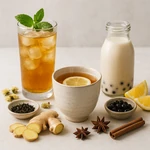
Asian drinks are not just "something sweet with ice." They often have a tea base, work with distinctive aromas (citrus, ginger, jasmine), with temperature and sometimes even texture – so they can be both a drink and a small snack. In this guide, we'll clarify what makes sense to drink in summer, winter, and how to choose a drink based on the type of meal so that the whole feels balanced and "complete."
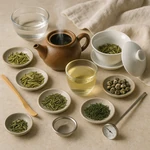
Preparing Asian teas at home is not about a single correct procedure, but about knowing what type of tea you have in hand and what to expect from it. Once you get oriented with the main tea categories, the differences between Chinese and Japanese styles, and learn to read the packaging information, even modern drinks like bubble tea, matcha latte, or citrus iced drinks will start to make sense.
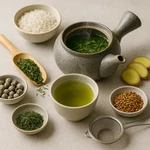
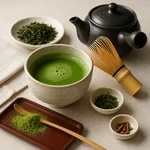
For many people, Japanese teas are the first “serious” contact with green tea — and at the same time a source of confusion: why sencha sometimes tastes fresh and other times bold, what exactly matcha is (and why it’s not the same as the sweet mix for a matcha latte), and how to tell what you’re actually buying. In this guide you’ll sort out the basic terms, the differences between the main Japanese styles, and practical rules that will keep the tea from losing its flavor or meaning.
The term "Asian tea" does not refer to one type of beverage but to several major traditions that differ in taste, aroma, and preparation style. The good news: for basic orientation, it is enough to understand a few fixed points – what "real tea" is, how the main types arise based on processing, and why the same name does not yet mean the same experience in a cup.
With tea, technique often matters more than the “brand”: the same name can taste completely different depending on origin, processing, and how you brew it at home. In this guide, we will clearly clarify what true tea is, how green and other traditional styles differ (white, oolong, black, dark), and how to set a simple procedure that makes the flavor cleaner, less bitter, and easier to read.
Marinating in Asian cuisine is neither a mandatory ritual nor a universal "magic sauce." It's a targeted tool for working with flavor and especially the surface of the meat before heat treatment: it pre-adds saltiness and umami, helps with color and caramelization, binds aromas, and prepares the meat for a specific technique (wok, grill, pan, roasting). Equally important is knowing what counts as seasoning during cooking and what is the final tuning at the end.
Cookies
This site uses cookies to provide services, customize ads, and analyze traffic. Your consent to the use of cookies will significantly help us to improve our services. More information



 Česky (CZK)
 Slovensky (EUR)
 Deutsch (EUR)
 Austria
 Belgium
 Bulgaria
 Croatia
 Denmark
 Estonia
 Finland
 France
 Germany
 Greece
 Hungary
 Italy
Italy Latvia
 Lithuania
 Luxembourg
 Netherlands
 Poland
 Portugal
 Romania
 Slovenia
 Spain
Spain Sweden