


 Česky (CZK)
 Slovensky (EUR)
 Deutsch (EUR)
 Austria
 Belgium
 Bulgaria
 Croatia
 Denmark
 Estonia
 Finland
 France
 Germany
 Greece
 Hungary
 Italy
Italy Latvia
 Lithuania
 Luxembourg
 Netherlands
 Poland
 Portugal
 Romania
 Slovenia
 Spain
Spain Sweden










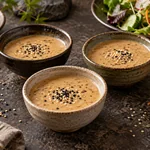
gerösteter Sesam Dressing
Articles
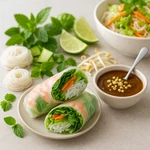
Summer rolls, Asian salads, and cold noodle bowls: how they work and how to assemble them at home
Asian cold dishes are not "lighter versions" of hot cuisine nor just vegetables with dressing. Their strength lies in freshness, herbs, acidity, a strong umami base (often from soy or fish sauces), clever textures, and a dip or dressing that holds the whole meal together. In summer, this gives you a quick lunch, dinner, or practical meal to-go – and often a full main dish, not just a side.
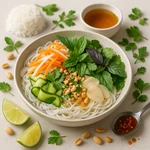
Asian salads and cold dishes: why they taste "alive" and how to understand them
Asian salads and cold dishes are not just a light side dish or "vegetables with dressing." In many cuisines, they serve as a full meal – based on freshness, herbs, acidity, umami base, chili, and especially texture. In this guide, you will clarify what is typical for cold Asian cuisine, what the main forms are (from rolls to cold noodles), and how to assemble a bowl at home so that it tastes complete, not just "mixed."
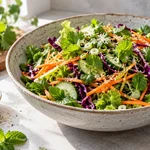
Salad Seasoning Blend
A bowl of greens can be a quick, light meal—or it can feel like “just vegetables.” A ready-made salad seasoning blend is the shortcut that bridges that gap: it adds aroma, rounds out flavor, and helps your dressing taste intentional even when you’re short on time.
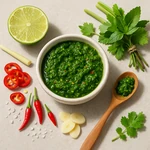
Fresh herbs, acidity, and spiciness: why cold Asian dishes taste "finished"
Asian cold cuisine is not a "diet salad" or randomly mixed vegetables. It is often a complete meal built on fresh herbs, active acidity, and a spicy spark – and mainly on a dressing or dip that holds the whole plate together. In the article, we clearly explain how these elements work, their variations, and how to assemble a cold bowl or noodle salad at home so it doesn’t taste "unfinished."
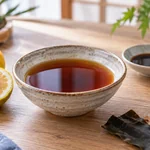
Recipe for Ponzu Shoyu
Discover the secret to a unique flavor that will transform any dish. This sauce combines the freshness of citrus with the saltiness of soy sauce, adding a new dimension to your cooking. Try it and see how easily it can enhance your favorite meals!
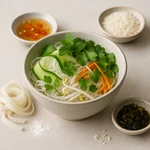
Light and balanced Asian dishes: how “lightness” works in the bowl and on the plate
Light and balanced Asian dishes are not “diet versions” of classics or flavorless meals. In many parts of Asia, lightness is a natural result of how a dish is composed: what forms the base (rice or noodles), what carries the protein, what adds freshness, acidity, texture, and how a sauce or broth is used so that the ingredients are not overwhelmed.
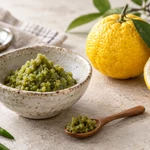
Yuzu Paste
Discover the secrets of yuzu paste—a citrus ingredient that will give your dishes a fresh and exotic flavor. Read on to learn how to use it in marinades, sauces, or cocktails and take your cooking to the next level!

Rice Vinegar
Rice vinegar is the secret to authentic Asian flavors! In our article, you will learn how to use it in cooking, why it is ideal for sushi, and how it can enrich your recipes. Read on to find out how this unique vinegar will take your dishes to the next level!
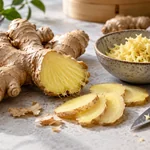
Ginger
Ginger is a wonderful natural remedy that will enrich your health and taste buds. Read about its benefits, how to use it in the kitchen, and what forms it comes in.
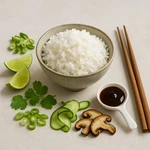
Light Asian foods for everyday: bowls, noodles, porridges, and cold salads
"Light" Asian food is not about being small or bland. Often, it's actually a full bowl or plate that satiates but doesn’t feel heavy: it’s based on rice or noodles in a reasonable ratio, complemented by vegetables and herbs, with flavor carried by broth or precise seasoning, and the whole is held together by acidity, umami, and contrast of textures. In this guide, you’ll find practical orientation and specific "families" of dishes that make sense for everyday – from warm breakfast bowls to cold noodle salads.
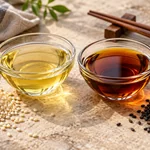
Sesame oil
Sesame oil is a great way to enrich your dishes with a rich flavor while reaping health benefits. Full of healthy fats and antioxidants, this oil is ideal for seasoning, marinating, and cooking. Try it in Asian and European recipes and discover how it can enrich your culinary experiences.
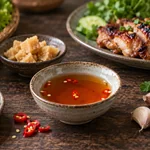
Fish sauce
Enrich your kitchen with fish sauce, which brings umami flavor to every dish. Discover its uses in soups, noodles, and other Asian dishes.

Black rice vinegar and brown rice vinegar
Discover the intense flavor of black vinegar and brown rice vinegar, two specialties that will bring rich flavors to your dishes. Find out how they differ and get inspired by recipes that use their smoky and nutty tones for exceptional marinades, sauces, and stir-fry dishes!
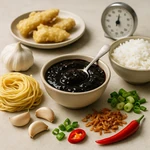
Fast Asian meals in 30 minutes: how to choose and assemble noodles, rice, and cold bowls
Fast Asian meals are not a "simplified restaurant," but a distinct world built on quick finishing, bold flavors, sauces, and texture. Once you understand the main formats (noodles, rice bowls, soups, cold dishes), you can make smart choices at home – and realistically fit into 30 minutes without compromising on taste.
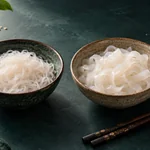
Konjac (Shirataki) Noodles: How to Prep, Cook, and Make Them Taste Great
Shirataki noodles—often called konjac noodles—are translucent, springy strands made from the konjac root. They’re naturally low in digestible carbs and quick to prepare, but they do have their own “rules”: rinse well, dry them properly, and let your sauce do the talking. Here’s how to use shirataki in soups, stir-fries, and cold salads without disappointment.
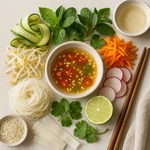
Low-fat and fresh dishes across Asia: lightness is not a "diet version"
"Low-fat" Asian food often does not mean tasteless food or a small portion. In many Asian cuisines, lightness is achieved differently: through broth, herbs, acidity, smart seasoning, and a good ratio of rice or noodles to vegetables and other components.
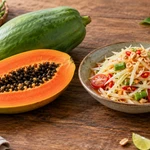
Papaya: How to Pick It, Prep It, and Use Ripe vs Green Papaya in Asian Cooking
Papaya can be two completely different ingredients. Ripe papaya is sweet, soft, and great for bowls and drinks; green papaya is firm, crisp, and behaves like a vegetable—perfect for tangy, spicy salads and quick stir-fries. Here’s how to recognize the right one, prepare it without hassle, and make it taste great from the first try.
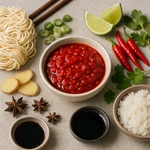
Northern and southern tastes of Asia: how to understand them and cook by them at home
“Northern vs. southern tastes” is a useful shorthand for quickly orienting yourself in Asian food — but we mustn’t take it as an exact map. In this article we’ll show what this concept really means, why it arose, what the typical differences in ingredients and techniques are, and how to extract practical tips for home cooking.
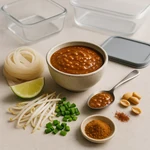
Meals that work for multiple people and an ordinary week: the Asian logic of bowls, noodles and sides
Cooking for more people on a workweek is less about “perfect recipes” and more about how to smartly build a meal: so it’s satisfying without feeling heavy, and can be easily adjusted to the tastes at the table. In many Asian cuisines this practicality is natural – based on a bowl or plate where there is a place for a base, a protein, vegetables, freshness, acidity, texture and precise seasoning.
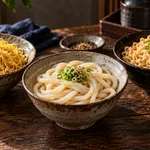
Wheat noodles
Discover the history, production, and different types of wheat noodles that dominate world cuisine. Learn how to prepare them properly and use them in popular recipes such as Kake Udon, Miso Ramen, or Zaru Soba. Read more about their versatile uses!
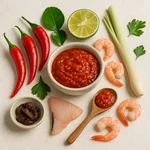
Typical Malaysian ingredients: how to recognize the "Malaysian" taste and how to recreate it at home
Malaysian cuisine is not a single uniform "national taste," but a practical mix of several traditions that meet and often blend in one territory and often even in one dish. This makes it all the more important to recognize the ingredients that keep reappearing in Malaysian cooking: rice and noodles, coconut, chili and sambal, aromatic herbs, tamarind and lime, and pronounced fermented marine components. In this article, we will arrange them according to their function, explain the differences, and add specific tips on how to start with them without unnecessary mistakes.
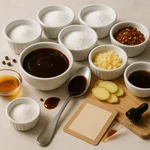
How to read the ingredients in Asian sauces: a short guide that will save you from bad purchases
In Asian sauces, the small print on the label often matters more than the big name on the front. When you learn to read the ingredients practically (not academically), you’ll quickly recognize whether you’re buying a fermented "base" for cooking or a ready-made flavoring full of sugar, starches, and aromas. The result: sauces that make sense for your dishes and less disappointment at home.
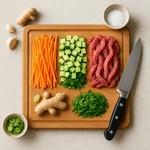
Cutting vegetables, meat, and herbs without unnecessary mistakes
For many Asian dishes, the outcome is decided not on the pan but already on the cutting board. The size, thickness, and especially the uniformity of the cuts affect the cooking speed, texture, and whether different ingredients cook evenly. This guide summarizes practical rules and typical mistakes in cutting vegetables, meat, and herbs – so you cook more confidently and without unnecessary dead ends.
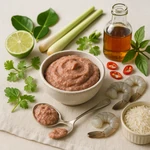
Family Asian cooking: how to cook at home easily, balanced, and without unnecessary stress
Family Asian cooking doesn't have to mean a pile of exotic ingredients or "diet" versions of favorite dishes. In practice it's often enough to understand a simple logic: build the plate on rice or noodles in a reasonable proportion, add a clear protein, give vegetables real space, use the sauce more as a binder than a flood – and finish the whole meal with freshness, acidity, texture and umami.
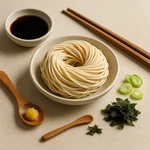
Ramen Noodles: How to Choose Them, Cook Them Right, and Pair Them for the Best Flavor
Broth, toppings, aroma oil—ramen gets a lot of attention for what’s on top. But the real backbone of the bowl is the noodle: springy, satisfying, and able to carry flavor. Here’s a practical guide to ramen noodles (fresh, dried, instant), how to cook them for the ideal bite, and how to use them not only in soup but also in quick stir-fries and “no-broth” bowls.
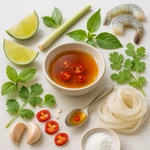
How to start with Vietnamese cuisine: first ingredients, first dishes, and most common mistakes
Vietnamese cuisine is based on balance and freshness: herbs, rice and rice noodles, broths, fermented seasonings (mainly fish sauce) and smart balancing of salty, sour, sweet, spicy, and umami. This guide is a practical onboarding – after reading it, you will know what to buy first, how to put together simple first dishes without stress, and what to watch out for so that the flavors "stick together."
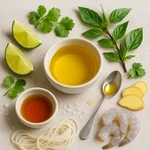
How to choose oil for frying and grilling: technique matters, not the name on the bottle
In Asian cooking, oil is often not just "something for the pan." Sometimes it is purely a working medium for high temperature, other times a carrier of aroma added only at the very end. This is the most common source of errors: people buy oil of the right category but the wrong type for the specific technique. In this guide, you will clarify how to think about oil when frying, deep-frying, and grilling – practically and without unnecessary myths.
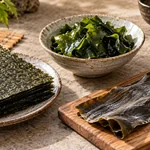
Seaweed
Discover the power of the ocean on your plate! Seaweed brings unique flavors and nutritional properties to the kitchen. From sushi to soups, its uses are endless. Add this natural ingredient to your diet to boost your health and enrich your meals!

Korean Lemon Tea
Are you interested in Korean lemon tea? This refreshing drink full of citrus flavor is popular all over the world. Read more about its traditional preparation and interesting facts that will surprise you!
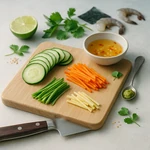
Cutting ingredients for Asian cooking: why success or failure happens on the cutting board
In many Asian kitchens, the outcome is decided not on the stove, but already on the cutting board. The shape, size, and uniformity of the cut directly determine what gets grilled in the pan, what only steams, what releases water, and what, on the contrary, burns. This guide gives you practical rules on how to adapt cutting to the technique (wok, soup, salad, grill, fillings) and how to set up preparation at home so that the food keeps the rhythm.
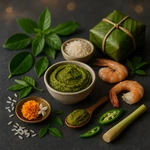
Holidays and festive meals in Asia: why they are not just "better dinners" and how to understand them
Festive meals in Asia often act as a cultural code: they have symbolism, a fixed time of year, a specific form of service, and a strong connection to family, community, and ritual. In the article, you will get oriented on what festive dishes across Asia have in common, why the New Year is so culinarily important, and what types of festive meals represent Japan, Korea, and Muslim Southeast Asia. At the end, you will find practical tips on how to assemble a "festive Asian table" at home with respect to the context, even if you don't cook the traditional recipe down to the last detail.
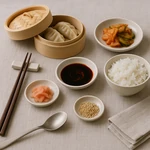
How to serve Asian food at home so it makes sense
Serving is not just "nice extra dishes." For many Asian dishes, it directly determines how they will be eaten: whether they will keep the temperature, whether it will be easy to combine rice with sauce or broth with noodles, and whether the communal meal in the middle of the table will work naturally or chaotically. In this article, you will find a practical home model that makes sense even without collecting and without the feeling that you need a complete exotic set.
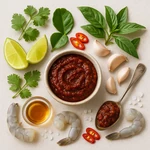
Fermented foundations of Asian cuisine: how to understand and use them at home
Fermentation is one of the key methods in Asian kitchens to create depth of flavor, umami, aroma, and a "finished taste" – often even in dishes that rely on only a few ingredients. This guide will help you navigate the main groups of fermented bases (from soy sauces through pastes to fish and marine ferments), understand their role, and avoid common mistakes in selection and use.

Korean ginger tea
Immerse yourself in the world of Korean ginger tea! This spicy and refreshing drink is ideal for warming up on cold days. Read about how Koreans use ginger for its unique flavor and beneficial properties.

Almond oil
Discover the power of almond oil in the kitchen! Ideal for cooking, baking, and seasoning, almond oil offers a delicate flavor and nutritional benefits. Read on to learn how to use it in your everyday cooking!

Fruit dip
What is fruit dip and why is it so popular? Discover how it can add a new dimension of flavor to fruit! From fresh yogurt to creamy sweet varieties—get inspired and find out why fruit dips are a hit at every party and a favorite part of healthy snacks.
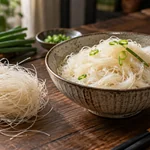
Corn noodles
Discover corn noodles – a healthy and gluten-free alternative to regular noodles! They are ideal for quick and tasty meals, full of fiber and easy to prepare. Read our article and learn more about their history, production, and uses in the kitchen!
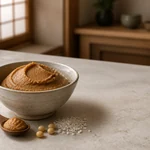
The miracle of miso
Miso paste is one of the basic building blocks of Japanese cuisine.
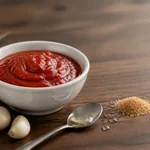
The Sriracha Phenomenon
Currently one of the most popular chilli sauces in the world. Recipe for homemade Sriracha!
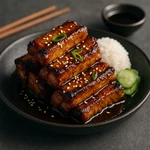
Sticky Honey Soy Ribs (Sweet-Salty Glaze That Clings to Your Fingers)
These oven-baked ribs get their “restaurant shine” from a simple two-step method: slow, covered roasting until tender, then quick high-heat glazing with a honey–soy sauce reduction scented with garlic and ginger. The result is deeply savory, gently sweet, and irresistibly sticky.
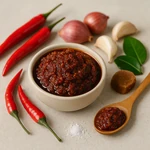
Sambal Badjak: Indonesian Chili Paste with Onion & Garlic (How to Use It Well)
Sambal Badjak is a cooked Indonesian-style chili paste that brings more than heat: it adds savory onion and garlic notes and a gentle sweetness that rounds out quick weeknight meals. Here’s what makes it different from simpler sambals and how to get the best flavor from just a spoonful.
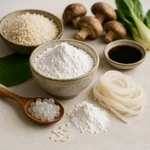
Naturally gluten-free Asian dishes: what is usually a safe base and where the traps lie
Asian cuisine can be great for gluten-free eating – it often relies on rice, legumes, vegetables, coconut, and fermented flavors. However, it can also surprise with "hidden" gluten in sauces, wheat noodles, coatings, or cross-contact during preparation. In the article, we clarify which dishes are naturally gluten-free, which are sometimes gluten-free, and how to navigate this at home and when ordering.
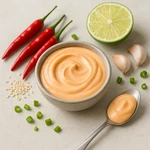
Sriracha Mayo: the creamy spicy sauce that upgrades sushi, burgers and noodles
Sriracha Mayo blends the garlicky chilli kick of Sriracha with the rich, smooth texture of mayonnaise. The result is an easy, all-purpose dip and drizzle that works just as well with sushi and poke as it does with fries, sandwiches, or noodle bowls.
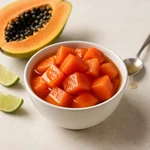
Papaya in Syrup: A Tropical Sweetener for Desserts, Drinks, and Bold Savory Pairings
Papaya in syrup is one of those pantry shortcuts that makes tropical flavor available any day of the year—no guessing ripeness, no peeling, no waste. Use the fruit for quick desserts and refreshing drinks, and don’t overlook the syrup itself: in small amounts it can balance citrus, spice, and salty notes surprisingly well.
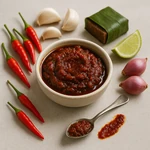
Sambal Trassi: Indonesian Chili Paste with a Bold Shrimp-Paste Umami Kick
Sambal trassi is one of those Southeast Asian condiments that can transform a plain bowl of rice into something deeply savory and exciting. It combines hot chili with the unmistakable, funky depth of trassi (also spelled terasi)—a fermented shrimp paste that brings saltiness and intense umami.
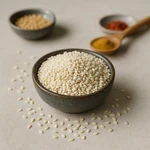
White Sesame Seeds: How to Use Them (and Why You’ll Want a Bag in Your Pantry)
White sesame seeds are one of those small ingredients that instantly make food feel more finished: a gentle nutty aroma, a subtle crunch, and a familiar “Asian kitchen” note on rice, noodles, salads, and stir-fries. Once you know when to toast them—and when not to—you’ll reach for them almost daily.
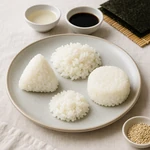
How size and shape change the taste and texture of food: the most important decisions are made on the cutting board
The same ingredient can look and taste completely different depending on how you cut it. In Asian cuisines, where cooking is often quick, at high temperatures, and in a precise sequence of steps, cutting is not a "side preparation" – it is part of the technique. The shape determines how quickly the ingredient softens, how it holds juice, how it browns, how much sauce clings to it, and how it is eaten with chopsticks or a spoon.
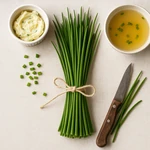
Chives: the gentle herb that lifts soups and Asian-style bowls
Chives may look like a modest garnish, but they can quietly transform a dish: a clean, green aroma and a soft onion note that doesn’t overpower broths, noodles, rice bowls, or creamy dips. The key is knowing when to add them—and how to keep that fresh flavor intact.
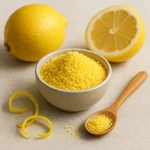
Ground Lemon Zest: How to Use It (and When It Beats Fresh)
Ground lemon zest is dried, finely milled lemon peel that delivers citrus aroma without adding liquid. It’s a smart pantry tool for baking, spice blends, creamy sauces, and Asian-style curries—especially when you want consistent results and zero grating.
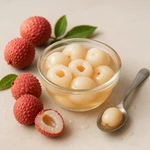
Lychees in Syrup: Sweet Tropical Fruit for Desserts, Drinks, and Asian-Inspired Treats
Lychees in syrup give you that distinctive floral-tropical aroma without peeling, pitting, or chasing a short season. Keep a jar or can on hand for fast desserts, refreshing iced drinks, fruit salads, and elegant plating—and don’t forget the fragrant syrup, which is useful well beyond “just sweetening.”
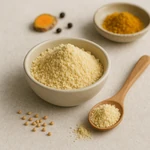
Ground White Mustard Seed: Flavor, Timing, and Smart Ways to Use It
Ground white mustard seed is a quiet workhorse in the spice cupboard: it brings a gentle heat, a warm mustard aroma, and extra “body” to sauces and marinades. Used well, it can deepen everything from salad dressings and rubs to Asian-style curries and stir-fry sauces—without overpowering the dish.
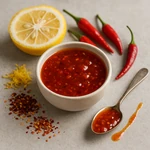
Sweet-Spicy Chili Sauce with Yuzu: Citrus Heat That Lifts Any Dish
Sweet-spicy chili sauce is already a kitchen shortcut for instant flavor—but add yuzu and it becomes something brighter and more versatile. The gentle sweetness helps it cling to food, the chili brings warmth, and yuzu adds a crisp citrus aroma that can make fried, grilled, or rich dishes taste lighter and more defined.
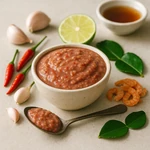
Nam Prik Kapi (Thai Shrimp Paste Chili Dip): the Bold Classic That Wakes Up Rice and Veg
Nam Prik Kapi is a punchy Thai chili dip built around fermented shrimp paste, lime, and fresh chilies. A small spoonful adds salty depth, citrus brightness, and serious heat—perfect for turning plain rice, crisp vegetables, and simple fish or eggs into a complete, satisfying meal.
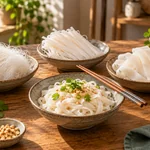
Rice noodles
Discover the fascinating world of rice noodles! Whether it's delicate vermicelli noodles, wide slices, or tapioca varieties, these noodles are the basis of many Asian dishes. In our article, you will learn about their history, how they are made, and how you can incorporate them into your own culinary creations. Immerse yourself in traditional flavors and textures that will introduce you to the secrets of Asian cuisine!
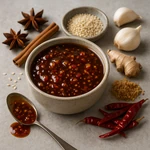
Spice for Honey-Glazed Ribs: Building a Sweet-Savory, Asian-Inspired Sticky Finish
Honey ribs feel “restaurant-level” because the flavor hits in layers: sweet up front, savory in the middle, and warm spice in the finish—plus that glossy, sticky glaze. The secret isn’t complicated technique; it’s choosing a spice profile that can season the meat and still shine after caramelization.
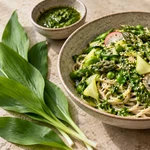
Wild Garlic (Ramsons): A Spring Herb With a Gentle Garlicky Aroma—And How to Use It in Asian Cooking
Wild garlic—also known as ramsons—is one of those short-season spring ingredients that can instantly make food taste brighter. It brings a fresh, leafy garlic character without the harsh bite of raw cloves, which makes it surprisingly easy to weave into quick Asian-style stir-fries, noodle dishes, coconut curries, and rice paper rolls.
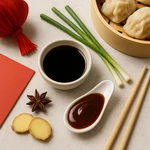
What is eaten at celebrations in different countries
Festive meals are not just "better versions" of everyday cuisine – in many cultures they function as a cultural code: they carry symbolism, define rituals, and confirm family continuity. The article focuses primarily on Asia: it explains common types of festive dishes, shows specific examples, and offers practical advice on how to meaningfully prepare some traditions at home.
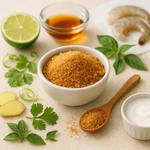
Coconut sugar: what it is, how it tastes, and when it makes sense in Asian cuisine
Coconut sugar is important in Asian cuisine mainly because it sweetens differently than regular white sugar: it adds not just "pure sweetness" but also a warmer, caramel tone. To make it work well, you need to understand two things: it is not made from coconut flesh and its taste is not "coconut" in the sense of coconut milk. In the article, we will show which dishes it suits, how to start using it at home, and what to watch out for when choosing and using it.
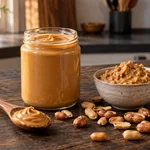
Peanut butter
Immerse yourself in the world of this delicious ingredient, which not only tastes great but also offers a host of health benefits. Discover how it is made and what advantages it brings to your health and everyday diet!
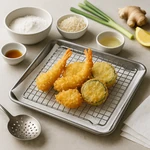
Frying without unnecessary greasiness: what really decides crispiness
Deep frying should not be synonymous with "heavy and greasy food." In Asian cuisines, frying is a key technique precisely because it can create clean crispiness and texture contrast – when done technically correctly. The article provides a practical guide on what to watch for regarding oil temperature, batch work, ingredient preparation, and draining so that the result is not unnecessarily soaked.
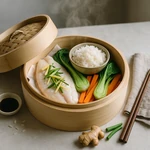
Steaming fish, vegetables, and rice: a gentle technique that makes a big difference
Steaming (cooking with steam) is one of the most important techniques in Asian cuisines – and also one of the most underestimated. When done correctly, it gives the food a pure flavor of the ingredient, juiciness, and a delicate texture without the need for a large amount of fat. In this guide, we will explain why fish, vegetables, and certain types of rice are steamed, how the goals differ for each, and what to watch for at home to avoid dry or overly soft results.
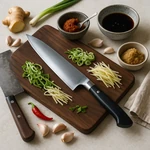
How to choose a kitchen knife for Asian cooking: what really matters on the cutting board
Many people focus mainly on the wok, but a large part of the result of Asian cooking is decided before the stove is turned on: on the cutting board. The size, thickness and uniformity of cuts affect cooking speed, texture and whether different ingredients cook evenly. In this article we'll clarify which knife makes the most sense for home Asian cooking, what to expect from the “Chinese cleaver” and how to avoid mistakes that spoil the result and safety.
What to take from Asian cuisine for quick everyday cooking
Asian cuisine is not just a collection of "exotic" recipes – it is mainly a set of practical habits that allow cooking quickly, tasty, and without feeling heavy. In this article, you'll find specific principles that you can bring home: from salty and warm breakfast to the "bowl" logic of meals and seasoning with sauces, acidity, and texture.
Why the same food tastes different in another part of the country (and how to make sense of it)
Maybe you've experienced it: you order the "same" food in a different part of the country – and yet it tastes surprisingly different. It's not necessarily the chef's fault or "inauthenticity." Often, it's a logical consequence of how the region shapes ingredients, techniques, seasoning, and what people consider the "right" taste.
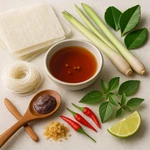
Typical Vietnamese ingredients: what makes Vietnamese food "Vietnamese"
Vietnamese cuisine does not rely on one sauce or one famous dish. It is characterized by freshness, lightness, and the ability to layer multiple flavors so that the result feels lively: rice or rice noodles, herbs and leaves, acidity (lime, tamarind), fermented saltiness and umami (especially fish sauce), and contrasting textures. In this guide, you will find the most important Vietnamese ingredients, their function, and practical tips on how to start using them at home without unnecessary mistakes.
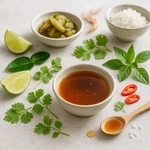
How to incorporate fermented foods into a regular diet (without extremes and disappointments)
Fermented foods are not just a "healthy trend" – in Asian cuisines, they are mainly practical flavor bases that can speed up cooking and add depth to the meal. The key is not to start ambitious fermentation projects, but with one well-chosen ferment and small amounts: a teaspoon of paste, a few drops of sauce, a little side dish. The article clarifies the difference between fermented and probiotic, goes through the main types of ferments, and shows specific ways to use them in everyday meals.
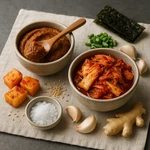
Kimchi, miso, and other fermented bases: how they work, how they differ, and how to start with them at home
Fermentation in Asian cuisine is not a "health trend," but one of the main ways to achieve flavor: umami, depth, subtle acidity, and interesting texture. Kimchi and miso are the two most accessible fermented worlds that clearly show why some ferments are eaten alone as side dishes, while others act more like an engine under sauces and soups. In the article, we'll also clarify the common misconception "fermented = probiotic" and add practical tips on how to incorporate fermented bases into everyday cooking without complicated recipes.
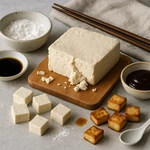
Most common mistakes when cooking with tofu: why it sometimes fails and how to easily turn it to your advantage
Tofu has a reputation as a "boring substitute" mainly because it is often treated as a single universal ingredient. But tofu is primarily about working with texture and how well it can carry the flavor of sauces, marinades, or broth. When you choose the right type (silken vs. firm) and understand the difference between "salting" and "glazing" through various styles of soy sauces, tofu stops being a compromise and becomes one of the most practical ingredients in the kitchen.
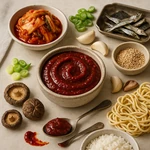
Basics of the Korean pantry: how to understand jang, kimchi, sesame, and soy sauce
The Korean "pantry" is not a list of exotic groceries, but a set of flavor foundations that make even simple dishes start to make sense. When you understand how fermented pastes and sauces (jang) work, the role of kimchi, why sesame is often used only at the very end, and how Korean soy sauces differ, Korean cuisine will come together for you into a clear system – not a random spicy mix.
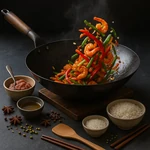
Cooking techniques in Asian cuisine: what makes food "Asian" and how to master it at home
In Asian cuisine, it often matters not only what you cook but mainly how. The same ingredient can taste completely different depending on whether you quickly stir-fry it at a high temperature, slowly simmer it in broth, steam it, or briefly sear it and then braise it. In this guide, you will align key techniques, learn to recognize their differences, and get practical tips on how to avoid typical home cooking mistakes.
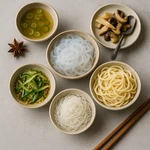
How to choose noodles for soup, stir-fry, and salad (so they work even after cooking)
With Asian noodles, the most common disappointment doesn’t come from a “low-quality product” but from choosing the wrong type for the particular dish. In this guide, you’ll clarify based on the material (wheat, rice, buckwheat, starch, konjac), thickness, and behavior in broth, in a pan, and after cooling – and you’ll learn to choose noodles as practically as in Asian kitchens.
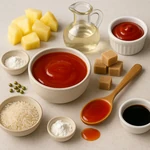
Best substitutes for key Asian ingredients (and when not to substitute)
Substitutes for Asian ingredients are practical — and at the same time deceptive. Often you’re not simply swapping “one thing for another,” but trying to replace a function: saltiness, umami, acidity, sweetness, aroma or texture. In this article you’ll find a system for making substitutions properly and with as little disappointment as possible — including cases when it’s better to admit a full substitute doesn’t exist.

Why the same ingredients are used differently in various countries: climate, grains, sea, and the history of tastes
You might be surprised that the “same” ingredient behaves completely differently in various Asian countries: in some places it is the main dish, elsewhere just a flavoring; sometimes fermentation is emphasized, other times herbs or spices. It's neither a coincidence nor a matter of “right vs. wrong,” but a logic of the environment, available crops, trade influences, and the daily rhythm of life. In the article, we will show how to read these relationships and how to practically use them in home cooking.
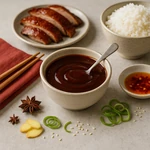
How to work with festive meals in the home menu
Festive meals in Asian cultures are not just "better versions" of regular dinners. They often function as a cultural code: they have symbolism, a fixed place in the calendar, a family dimension, and sometimes even service rules. In this article, you will find a practical guide on how to transfer these principles to a home menu in a way that makes sense even without perfect "authenticity" – and at the same time, you don't spoil the taste with a failed improvisation.
Street food from the market vs. street food at home: what cannot be copied (and what makes sense)
Asian street food is not just "food from the street." In many parts of Asia, it is an everyday way of eating, where speed, specialization, local identity, and especially taste "readable from the first bite" matter. That's why it is useful to distinguish market street food and home-style street food: at home, you usually won't replicate the same heat and rhythm of the stall, but you can very well imitate the flavor profile, the work with sauces, contrasts, and "right now" service.
Beginner in Asian cuisine: how to choose the first direction and start without unnecessary mistakes
The hardest part at the beginning of Asian cooking is not the "exotic" but the decision of exactly where to start. Different Asian cuisines vary in flavors, techniques, and how much you need to have stocked at home. In this guide, you will find a practical way to choose your first cuisine, how to build a reasonable minimum "Asian pantry," and which habits (cutting, preparation, working with temperature) will quickly raise your level.
10 ingredients with which you can cook the most
A good "Asian pantry" is not about having dozens of sauces and pastes at home. It's about a few functional basics that repeat across many dishes: something for saltiness and umami, something for acidity and sweetness, something aromatic, something starchy and a few quick guarantees for texture. Here is a practical ten that will let you cook a surprisingly wide range of Asian dishes even from common fresh ingredients.
Trade influences in Asian cuisine: how ingredients, techniques, and flavors spread along routes
Asian cuisines were shaped by more than just climate and local agriculture – trade also played a crucial role. Spices, sugar, tea, citrus fruits, as well as techniques for working with grains and fermentation spread both by sea and land. In this article, we will show exactly what "trade influences" mean on the plate and how this perspective can help you better understand the differences between regions and cook smarter at home.
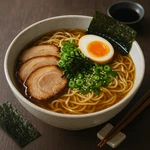
Japchae, ramen and other noodle dishes: why the same “noodle” doesn’t make the same bowl
Japchae is not “Korean ramen” and ramen is not just noodle soup. In Asian cuisines noodles are often not a side but the very core of the dish – they carry broth, sauce, dip and texture. In this guide you’ll clarify the main types of noodle dishes (from broth bowls to cold noodles), the differences between ramen/udon/soba and why japchae is built on a completely different logic than European “pasta with sauce.”
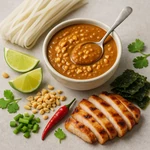
Street food style at home without complicated preparation: how to achieve bold flavor and proper texture
“Street food style at home” is not about copying stalls to the last detail. It’s about understanding why Asian street food works: speed, clear flavor, sauces and final seasoning, contrast of textures, and serving immediately without unnecessary complexity. The article contains a practical guide on how to transfer this logic to the home kitchen – even if you don’t cook from scratch.
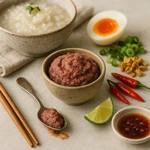
Breakfast in Asian cuisine: why rice, noodles, and hot porridge are eaten in the morning
Asian breakfast is not a single universal category. Depending on the country and region, morning can mean a bowl of rice with side dishes, noodle broth, delicate rice porridge (congee), pancakes made of fermented dough, coconut rice, or even toast and coffee. Often common is that breakfast is salty, warm, practical, and in many places connected to street food.
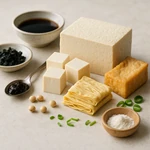
Guide to tofu and soy products: how to understand the types, taste, and uses
Tofu is not just one “white cube” and soy products are not a single universal meat substitute. From the same raw material – soy – both delicate, neutral ingredients (tofu, soy milk) and distinctive fermented products (tempeh, miso, soy sauces) are made. However, they behave completely differently in the kitchen. This guide will help you choose the right type for a specific dish, understand textural differences, and avoid the most common mistakes.
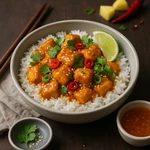
Guide to Asian Dishes and Recipes: How to Navigate Rice, Noodles, and Soups
Searching for an "Asian recipe" is often confusing because it is not one cuisine or one type of dish. In practice, you can start simply: learn to read the three most common families of Asian dishes – rice dishes, noodle dishes, and soup bowls. In this guide, we will compare them according to serving logic, taste, and home use, so recipes stop being random clicks and start making sense for you.
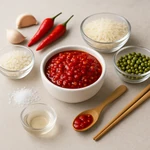
How to choose Asian ingredients: by function, not by impression
A good Asian ingredient is not automatically the most expensive one or the one with the "most authentic" packaging. In home cooking, it is much more important whether you have chosen the right type for a particular dish (and whether you understand what the ingredient does in the dish). This guide summarizes practical rules that will help you decide more confidently about sauces, pastes, rice, or tofu – and with less risk of disappointment.
