


 Česky (CZK)
 Slovensky (EUR)
 Deutsch (EUR)
 Austria
 Belgium
 Bulgaria
 Croatia
 Denmark
 Estonia
 Finland
 France
 Germany
 Greece
 Hungary
 Italy
Italy Latvia
 Lithuania
 Luxembourg
 Netherlands
 Poland
 Portugal
 Romania
 Slovenia
 Spain
Spain Sweden










How to start with Vietnamese cuisine: first ingredients, first dishes, and most common mistakes
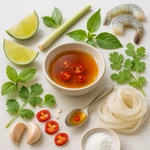
Vietnamese cuisine is based on balance and freshness: herbs, rice and rice noodles, broths, fermented seasonings (mainly fish sauce) and smart balancing of salty, sour, sweet, spicy, and umami. This guide is a practical onboarding – after reading it, you will know what to buy first, how to put together simple first dishes without stress, and what to watch out for so that the flavors "stick together."
🌶️ What is typical for Vietnamese cuisine (and how to think about it)
Vietnamese cuisine is not just phở (broth soup with noodles) and bánh mì (baguette with filling). It is a broad and finely structured cuisine based on:
- freshness and lightness – herbs, leaves, crunchy textures, foods that don’t feel "heavy",
- rice and rice products – rice, rice noodles and other rice products form the base of many dishes,
- fermented seasonings – typically fish sauce, which adds depth and umami,
- balancing flavors – salty, sour, sweet, spicy, and umami combine so they "lift" each other, not overpower,
- layering – one component gives "body" (broth/noodles), another freshness (herbs), another depth (fermentation), another contrast (sourness, crunch).
Practically: when something "doesn’t taste Vietnamese," usually there is no exotic ingredient – what's missing is balance (for example sourness), a fresh component (herbs/leaves) or depth (fermented seasoning used in small but correct amounts).
Main variants and differences worth knowing right at the start
1) Rice noodles: there isn’t just one
Rice noodles and rice products are key in Vietnamese cuisine but differ in texture and how they behave in soup or pan. For a start, it’s useful to have at least one type "for soup" and one "for frying" at home (although they often overlap).
- Wide rice noodles hold their shape well and coat nicely with sauce – good for wok and soups. A practical example is Farmer Brand rice noodles 10 mm.
- Rice-tapioca (tapioca rice) noodles are usually smoother and "slipperier," sauce sits well on them. For versatile use, you can choose Sagiang tapioca rice noodles.
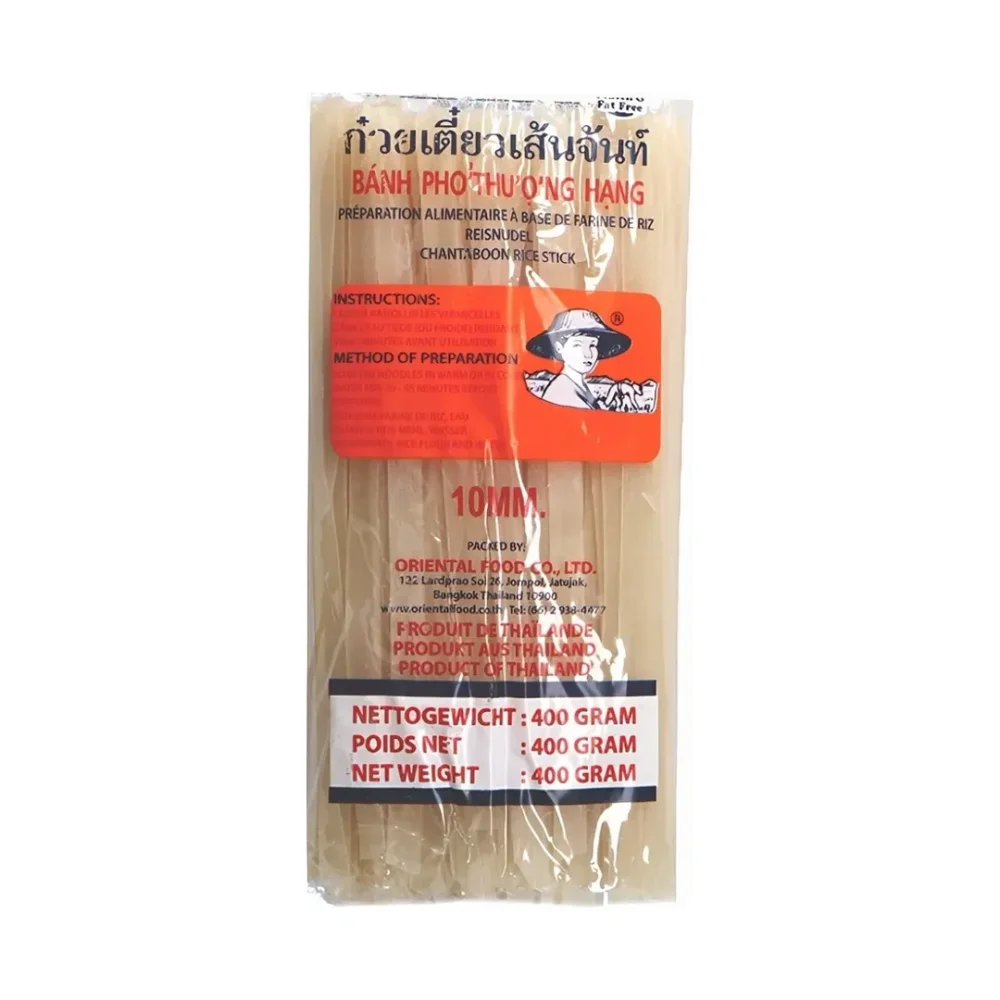
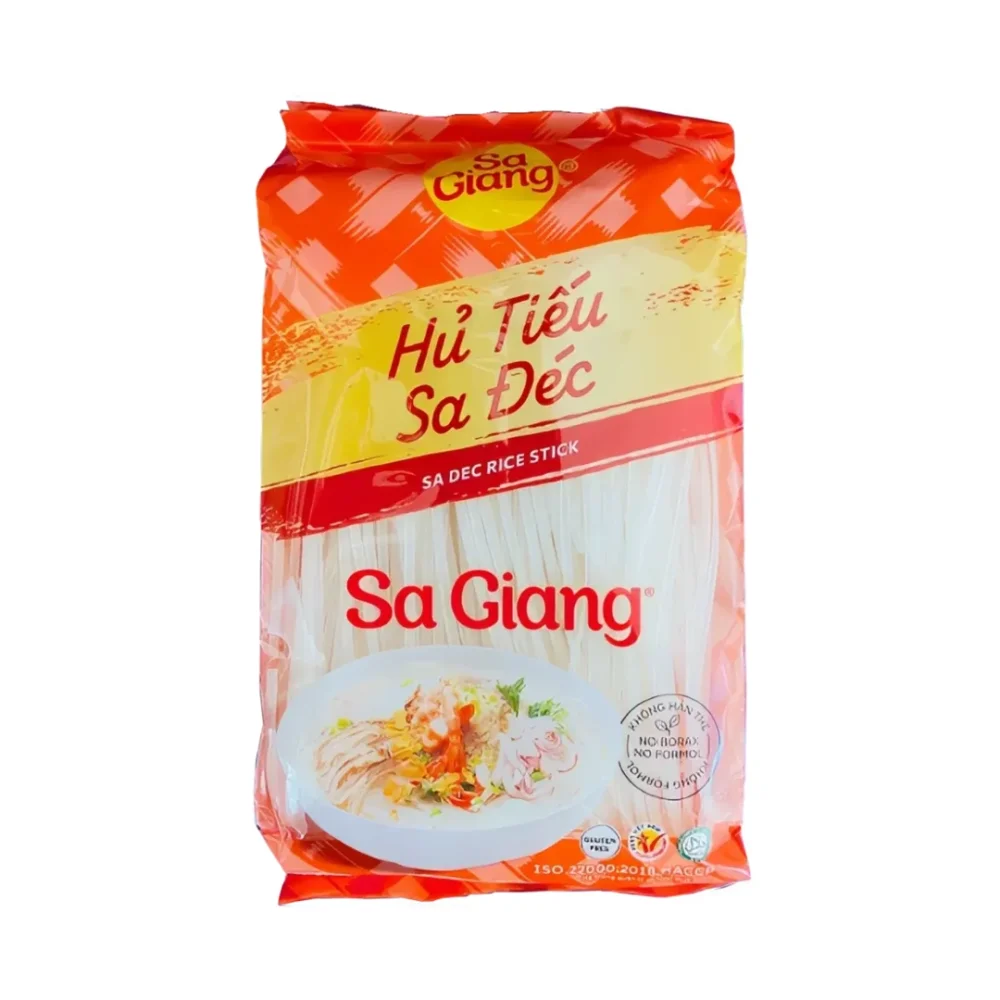
Tip: if you're not sure, take noodles with a neutral taste and focus mainly on texture – you will recognize it instantly in Vietnamese cuisine.
2) Fish sauce: "umami tool," not fish flavor
Fish sauce is one of the most important seasoning bases in Southeast Asia. In small amounts, it adds saltiness, depth, a long finish, and strong umami. It doesn’t work as an “extra fish flavor,” but as a concentrated seasoning that connects other ingredients.
What’s worth knowing right at the start:
- Longer fermentation usually leads to a fuller, rounder, and more complex flavor.
- First extraction is considered milder and higher quality.
- Cheaper bottles often work with dilution, sugar, color or "flavor enhancers" – so it makes sense to always read the label.
- On the label, you may see the marking N (nitrogen): higher nitrogen usually means a higher concentration of broken-down proteins.
3) Sour components and fresh herbs: they often decide if it "works"
In Vietnamese cuisine, sourness and freshness play a big role – they often "open up" a dish so it doesn't feel flat. You don’t have to have everything at home right away, but it’s good to keep in mind that a dish typically stands on a combination of:
- salty + umami (e.g. fish sauce in small amounts),
- sour (sour components),
- fresh (herbs and leaves),
- texture (crunchy vegetables, elastic noodles).
If Vietnamese food at home feels "heavy" or "lifeless," it often helps to add a fresh component and a bit of sourness (or at least not to underestimate them).
🍳 How to start in practice: first purchases, first combinations, and simple procedures
Step 1: choose a starting style (based on what you want to cook)
Before you start shopping, consider what is realistic for you:
- I want freshness, herbs, and balance of sourness → Vietnamese "salad" style, noodle bowls, light soups.
- I want home-style, accessible dishes with sauce, rice, and sourness → simple plates with rice/noodles, quick sauces and dips.
This decision is important because it will determine whether your first shopping bag stands more on noodles or more on seasonings and fresh items.
Step 2: build a "mini Vietnamese pantry" (but not overdo it)
A good pantry isn’t created by buying everything that sounds exotic. It works if you understand the function of the ingredient and know what kind of dish you really need it for. This is the practical minimum to build on:
- Rice noodles – ideally one type of wider and one smoother/slipperier depending on what suits you (see above).
- Fish sauce – as a base of saltiness and umami (and learn to work with it in small amounts).
- Sour component – whatever it is, mainly count on it as a "balance controller."
- Fresh herbs and leaves – here regularity makes the biggest difference: better smaller amounts more often than a big amount once in a while.
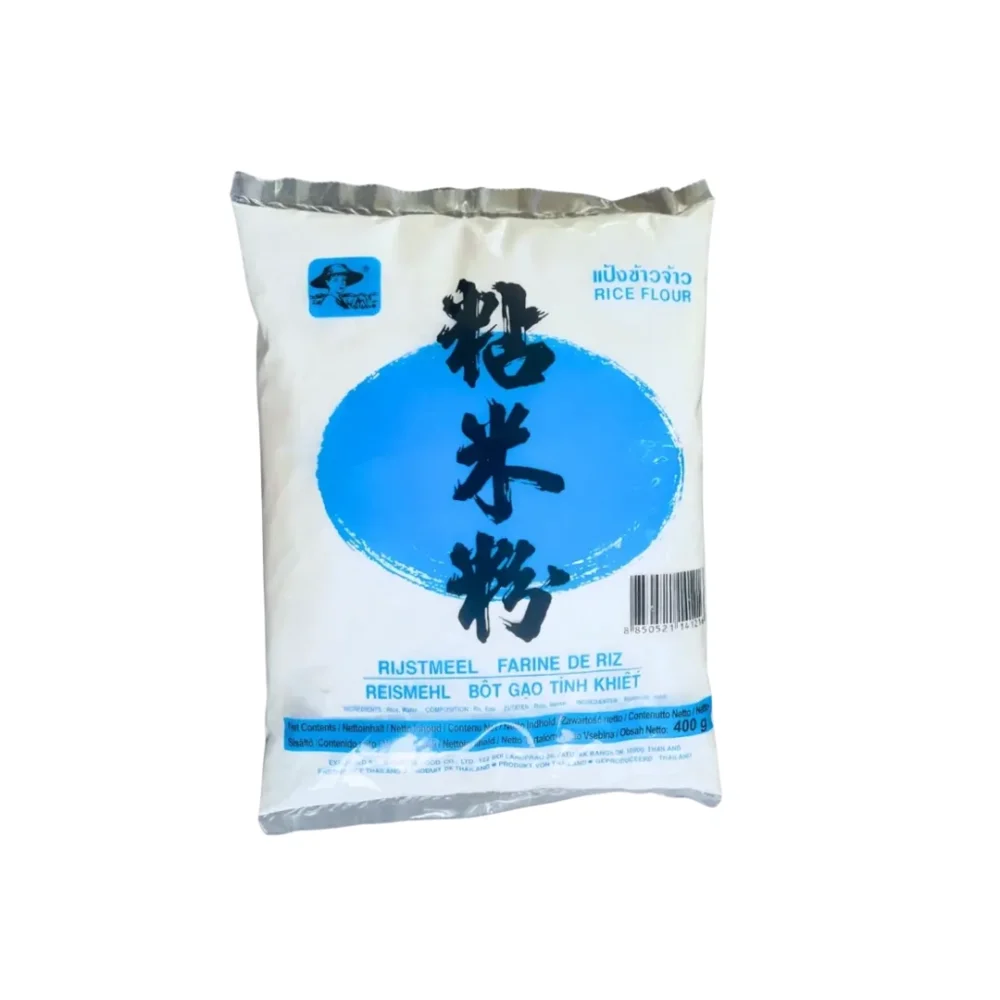
If you also want to easily thicken or work with rice dough in various Asian recipes, rice flour Farmer Brand can be handy – but treat it as a supplement, not as a "ticket" into Vietnamese cuisine.
Step 3: 3 simple "starter" dishes without a full recipe
The following three directions are deliberately composed to teach you principles (balance, layering, working with noodles and freshness), not just one particular procedure.
- Bowl with rice noodles, herbs, and dressing
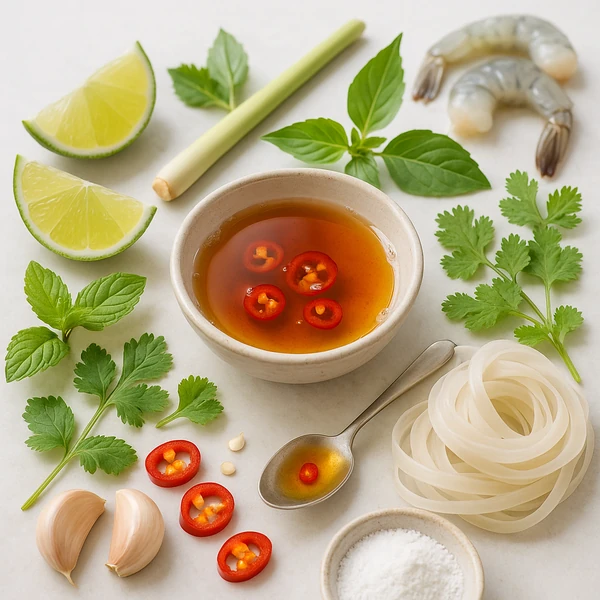
Cook rice noodles (e.g. wide 10 mm), rinse, and build a bowl: noodles + crunchy vegetables + lots of herbs/leaves. Build the dressing on balance: salty/umami (fish sauce) + sour + a bit of sweet + optionally spicy. Start gently and adjust by teaspoons.
- Light soup with rice noodles
Soup doesn’t have to be an hours-long project. Make a simple "base," add noodles (e.g. tapioca rice) and at the end add fresh herbs/leaves to the bowl and work with sourness. The key is that fresh things and sourness come late to stay lively.
- Quick stir-fry with noodles
Short, quick cooking helps keep vegetables crunchy. Prepare noodles aside, just quickly toss vegetables in the pan and season in small amounts: fish sauce for umami/saltiness then balance "against" (with sourness). If the result is too sharp/salty, often it helps to add a fresh component (herbs/leaves) and slightly adjust sourness and sweetness.
Step 4: how to dose and fix flavor (specifically but safely)
In Vietnamese cuisine it pays off to season in small steps. This applies doubly to fish sauce: it is concentrated and easily overwhelms the rest.
- Fish sauce: start really carefully – a few drops to a small amount, stir, taste, and then add more. The goal isn’t for the food to "taste fishy," but to be fuller and for the saltiness to feel natural.
- Sourness: add gradually, it is one of the main "freshness controllers." When a dish feels heavy or dull, sourness often helps more than more salt.
- Sweetness: use as a balancing element, not as the main flavor. A small amount can balance too much sharpness or sourness.
- If you overdo saltiness/fish sauce: adding "volume" (noodles, rice, vegetables) helps, or adjusting sourness and sweetness to rebalance the flavor.
A small thing that helps a lot: good cutting and a pan
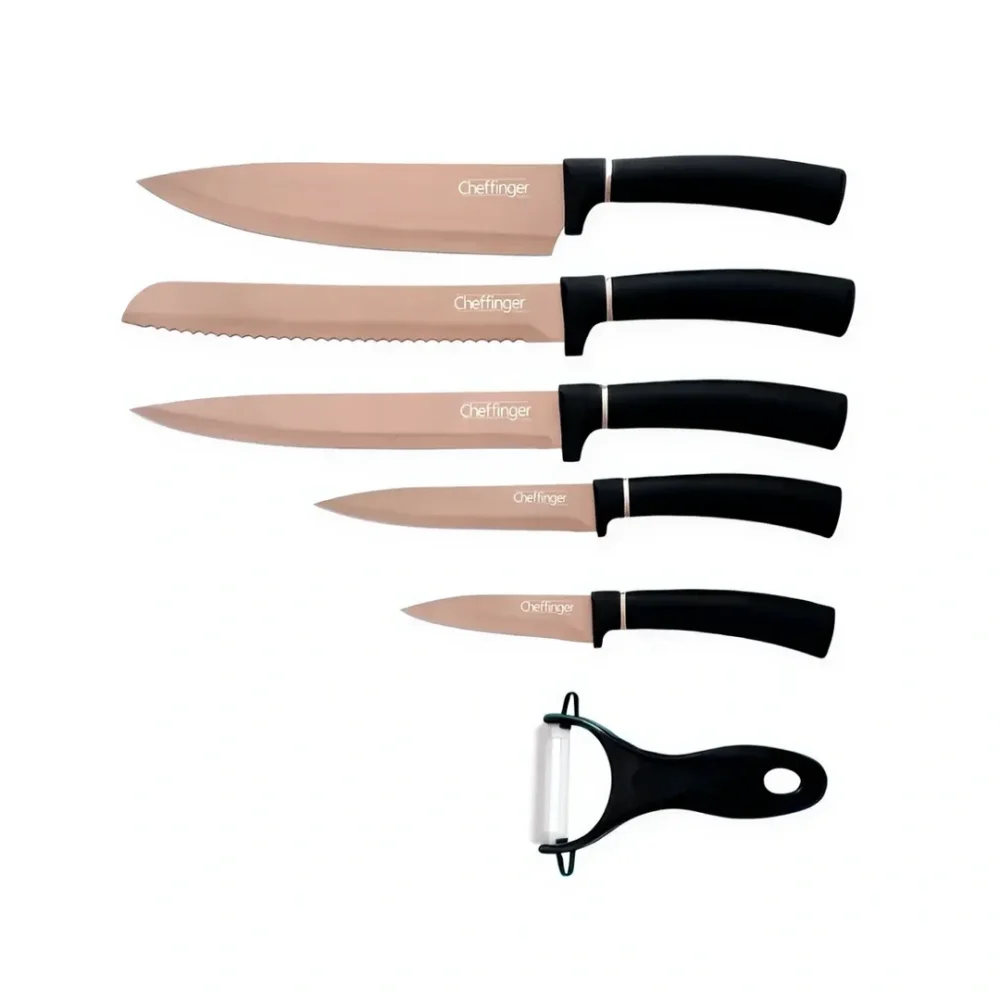
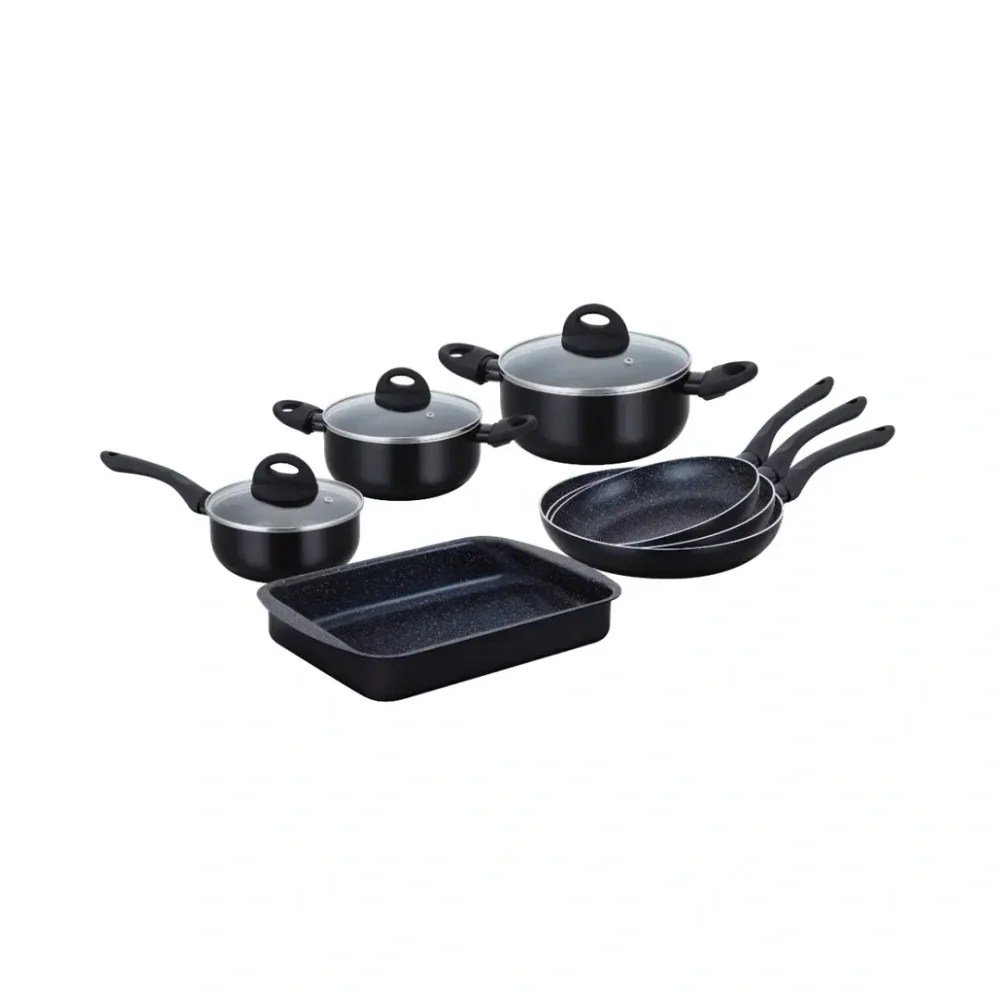
Vietnamese cuisine often relies on fresh herbs, leaves, and quick cooking methods. Therefore, it makes sense to have equipment that simplifies your work – mainly a sharp knife and reliable cookware for stir-frying. A practical guide is the category Home essentials. If you want a concrete example, for regular cutting of herbs and vegetables, a Cheffinger knife setcan be useful, for cooking several ingredients at once, a Herzberg cookware set.
Common mistakes and misunderstandings (and how to avoid them)
1) Trying to build "Vietnamese cuisine" from ten random sauces
The fastest path to frustration is buying ingredients by name, not by function. Vietnamese dishes often require just a few pillars (rice/noodles, fresh herbs/leaves, fermented seasoning, sourness), but they must fit together.
2) Taking fish sauce as the main flavor
Fish sauce works as a concentrated tool for saltiness and umami. If you add too much, everything else disappears. The right approach is careful dosing and tasting – and if freshness is lost, bring it back with sourness and fresh components.
3) Not reading labels and confusing "base" with seasoned product
With Asian ingredients, you often encounter the difference between a basic product and a already seasoned variant. The general rule for a good choice is simple: read the label and buy the type that matches what you want to cook. Many disappointments happen not because the ingredient is bad, but because it’s poorly chosen for the specific use.
4) Underestimating sourness and fresh herbs
If you omit sourness and fresh components, Vietnamese food easily slips into "just salty" or "just sweet-salty." It’s not about having exotic items at home, but about not forgetting the components that make Vietnamese cuisine light and lively.
What to take away from the article
- Start Vietnamese cuisine as a specific style– freshness, herbs, rice/noodles, fermented seasoning, and balancing flavors.
- Build a small pantry (noodles + fish sauce + sour component) and add to it according to what you really cook.
- Learn to work with fish sauce as an umami tool – in small amounts and by tasting.
- When something "doesn’t fit," first look for balance: often it helps sourness and fresh herbs/leaves, not more salt.

Read next
If you want to explore this topic further, continue with these related blog guides and articles:
