lime

Products

Articles

Tom Yum Soup (Thai Hot & Sour Soup) – Easy Home Recipe

Tom Yum Soup (Thai Hot & Sour Soup) – Easy Home Recipe

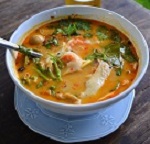
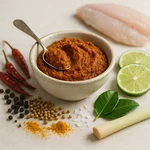
Tom Yum is Thailand’s famous hot-and-sour soup: aromatic lemongrass and kaffir lime leaves, a bright hit of lime, salty fish sauce, and as much chilli heat as you like. This recipe keeps the process simple while delivering the bold, restaurant-style flavour Tom Yum is known for.


Tom Kha Soup (Thai Coconut Chicken Soup) — Easy Home Recipe

Tom Kha Soup (Thai Coconut Chicken Soup) — Easy Home Recipe

Tom Kha is a classic Thai soup built on coconut milk, fragrant herbs, and a bright lime finish. This home-friendly version delivers the signature creamy–tangy balance with chicken and mushrooms, plus practical tips so the coconut stays silky and the flavours stay clear.


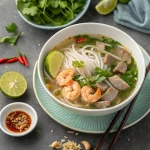
Thai soup Tom Yum

Thai soup Tom Yum

Tom yum is characterised by its distinct hot and sour flavours, with fragrant spices and herbs generously used in the broth.


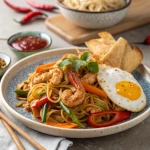
Mee Goreng (Southeast Asian Fried Noodles) – Easy Weeknight Recipe

Mee Goreng (Southeast Asian Fried Noodles) – Easy Weeknight Recipe

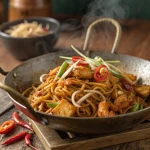
Mee goreng is the kind of dish you make once and then crave regularly: springy noodles tossed in a sweet-savoury, lightly spicy sauce, finished fast over high heat. This version is flexible (chicken, shrimp, tofu, or veg), works in a wok or large pan, and comes together quickly when you prep everything first.


Thai Yellow Curry with Nam Prik Kaeng (Creamy Coconut Chicken Curry)

Thai Yellow Curry with Nam Prik Kaeng (Creamy Coconut Chicken Curry)

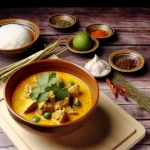
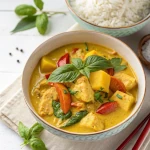
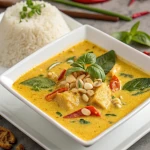
This Thai-style yellow curry is comforting, fragrant, and weeknight-friendly: rich coconut milk, tender chicken, and just enough heat from Nam Prik Kaeng curry paste. Serve it soupy over rice or simmer it down into a thicker curry—either way, it’s a bowl of pure warmth.


Fried Pad Thai noodles

Fried Pad Thai noodles

Pad thai, phat thai nebo phad thai jsou smažené rýžové nudle, v Thajsku běžně prodávané na ulici, které si určitě zamilujete pro svou jednoduchou přípravu a skvělou chuť.


Coconut Curry Noodle Laksa (Easy, Creamy & Comforting)

Coconut Curry Noodle Laksa (Easy, Creamy & Comforting)

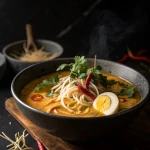
This coconut laksa is a Southeast Asian-style noodle soup that hits the sweet spot between creamy, fragrant and gently spicy. It comes together fast on a weeknight, and you can make it with chicken, prawns, or tofu—whatever you have.


Satay Skewers (Marinated Meat) with Quick Peanut Sauce

Satay Skewers (Marinated Meat) with Quick Peanut Sauce

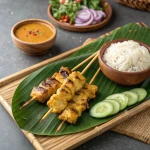
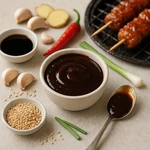
Satay is Southeast Asia’s iconic grilled skewer: small pieces of meat soaked in a fragrant marinade, cooked fast over high heat, and served with a creamy peanut sauce. This version is easy to make at home on a grill, grill pan, or in the oven—ideal for weeknights and great for sharing.


Papaya: How to Pick It, Prep It, and Use Ripe vs Green Papaya in Asian Cooking

Papaya: How to Pick It, Prep It, and Use Ripe vs Green Papaya in Asian Cooking

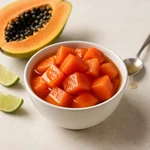
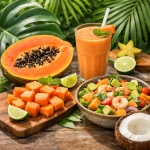
Papaya can be two completely different ingredients. Ripe papaya is sweet, soft, and great for bowls and drinks; green papaya is firm, crisp, and behaves like a vegetable—perfect for tangy, spicy salads and quick stir-fries. Here’s how to recognize the right one, prepare it without hassle, and make it taste great from the first try.


Colombo Curry: The Fragrant Caribbean Spice Blend Cooked Like Curry

Colombo Curry: The Fragrant Caribbean Spice Blend Cooked Like Curry

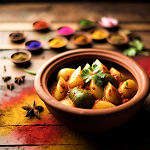
Colombo curry (often simply “colombo”) is a Caribbean-style spice blend that behaves a lot like curry powder—but with its own identity. Bloom it briefly in oil, simmer it with chicken, fish, or vegetables, and finish the dish with something creamy (often coconut milk) plus a bright squeeze of lime.


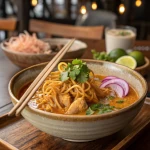
Khao Soi: Northern Thai Coconut Curry Noodle Soup (Recipe)

Khao Soi: Northern Thai Coconut Curry Noodle Soup (Recipe)

Khao Soi is a comforting Northern Thai curry noodle soup known for its creamy coconut broth, tender meat, and a crunchy noodle topping. This home-friendly version keeps the signature sweet-salty-spicy balance and the fun “mix-your-own” garnishes at the table.


Typical Malaysian ingredients: how to recognize the "Malaysian" taste and how to recreate it at home

Typical Malaysian ingredients: how to recognize the "Malaysian" taste and how to recreate it at home

Malaysian cuisine is not a single uniform "national taste," but a practical mix of several traditions that meet and often blend in one territory and often even in one dish. This makes it all the more important to recognize the ingredients that keep reappearing in Malaysian cooking: rice and noodles, coconut, chili and sambal, aromatic herbs, tamarind and lime, and pronounced fermented marine components. In this article, we will arrange them according to their function, explain the differences, and add specific tips on how to start with them without unnecessary mistakes.


Peanut butter

Peanut butter

Immerse yourself in the world of this delicious ingredient, which not only tastes great but also offers a host of health benefits. Discover how it is made and what advantages it brings to your health and everyday diet!


Bún Riêu (Vietnamese Crab & Tomato Noodle Soup) Recipe

Bún Riêu (Vietnamese Crab & Tomato Noodle Soup) Recipe

Bún Riêu is a bright, savory Vietnamese noodle soup built on tomatoes, seafood umami, and a generous pile of fresh herbs. This home-friendly version keeps the signature sweet-sour balance and “riêu” crab clusters—without requiring hard-to-find ingredients.


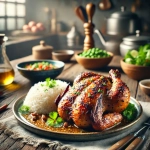
Thai Kai Yang (Grilled Chicken) Recipe

Thai Kai Yang (Grilled Chicken) Recipe

Kai Yang is Thailand’s iconic grilled chicken: deeply aromatic from garlic, coriander and lemongrass, juicy inside, and lightly charred outside. This recipe gives you a practical, grill-friendly method plus a quick Nam Jim Jaew dipping sauce to serve alongside sticky rice.


BBQ Grill Seasoning: Smoky, Sweet-Heat Flavor for Meat and Vegetables

BBQ Grill Seasoning: Smoky, Sweet-Heat Flavor for Meat and Vegetables

“Barbecue” isn’t only a sticky sauce—it’s a flavor profile. A good BBQ grill seasoning brings smoky aroma, gentle sweetness, and a peppery kick that works just as well on chicken and ribs as it does on corn, mushrooms, tofu, or eggplant. Here’s how to use it as a dry rub, in a quick marinade, or as a finishing glaze—with a few Asian-inspired twists for extra umami.


Fried noodles Pancit Bihon

Fried noodles Pancit Bihon

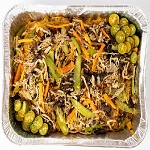
Pancit Bihon or Pancit Guisado are Filipino fried noodles that you will definitely love for their simple preparation and great taste.


Broths

Broths

Všichni bujóny známe ale opravdu víme jak se používají ty Asijské?


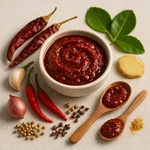
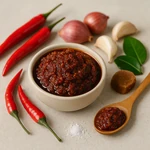
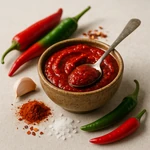
Maengda Chilli Paste: Thai Heat with a Distinct Aroma (and How to Use It)

Maengda Chilli Paste: Thai Heat with a Distinct Aroma (and How to Use It)

Maengda chilli paste is one of those Thai pantry shortcuts that can make plain rice, noodles, or a quick stir-fry taste “finished” in seconds. It’s not just about heat—its signature is a bold, lingering aroma and a concentrated savoury profile. Here’s what “Maengda” means, what to expect from the flavour, and how to use it well at home.


Bamboo shoots

Bamboo shoots

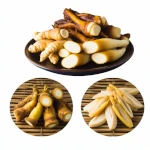
Bamboo shoots are a great addition to any Asian cuisine. Would you like to learn how to prepare them properly and what they can offer your diet? In our article, you will learn all about their nutritional values, uses in the kitchen, and tips for selecting and storing them. Add them to your dishes and discover their fresh and crunchy taste!


Beef Rendang Curry (Indonesian Slow-Cooked Coconut & Spice Stew)

Beef Rendang Curry (Indonesian Slow-Cooked Coconut & Spice Stew)

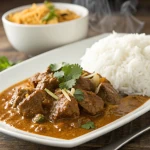
Rendang is Indonesia’s famous slow-cooked beef cooked down in coconut milk, aromatics, and warm spices until the sauce turns deeply concentrated and clings to every piece. It takes time rather than effort—and the reward is rich, fragrant comfort with a gentle (or fiery) chili kick.


Fish sauce

Fish sauce

Enrich your kitchen with fish sauce, which brings umami flavor to every dish. Discover its uses in soups, noodles, and other Asian dishes.


Goulash seasoning how to use it correctly?

Goulash seasoning how to use it correctly?

Goulash seasoning is often treated as a one‑dish blend—something you grab only when you’re making a pot of stew. But its paprika-and-herb profile is versatile: used carefully, it can add warmth and depth to quick pan dinners, rice bowls, and even noodle stir-fries. Here’s how to get the best flavour without bitterness or heavy saltiness.


Basil: the Fragrant Herb That Lifts Mediterranean Classics and Asian Favorites

Basil: the Fragrant Herb That Lifts Mediterranean Classics and Asian Favorites

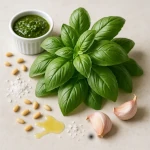
Basil is one of those ingredients that can change a dish with just a few leaves. Used well, it brings a bright, slightly sweet, herbal aroma to everything from tomato salads and pasta to spicy stir-fries, noodle soups, and coconut curries. Here’s how to get the most out of fresh and dried basil, when to add it, and what flavors it loves.


Typical Vietnamese ingredients: what makes Vietnamese food "Vietnamese"

Typical Vietnamese ingredients: what makes Vietnamese food "Vietnamese"

Vietnamese cuisine does not rely on one sauce or one famous dish. It is characterized by freshness, lightness, and the ability to layer multiple flavors so that the result feels lively: rice or rice noodles, herbs and leaves, acidity (lime, tamarind), fermented saltiness and umami (especially fish sauce), and contrasting textures. In this guide, you will find the most important Vietnamese ingredients, their function, and practical tips on how to start using them at home without unnecessary mistakes.


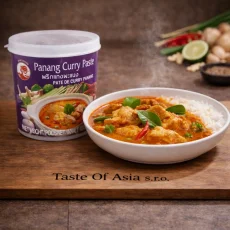
Thai-Style Curry Paste: Flavour, Best Uses, and How to Cook with It at Home

Thai-Style Curry Paste: Flavour, Best Uses, and How to Cook with It at Home

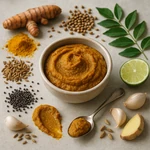
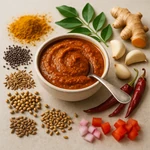
“Thai-style curry” is often a convenient label for a ready-to-use curry base inspired by Thai cooking—fragrant herbs, warm spices, and a gentle to medium heat that turns into a creamy sauce with coconut milk. Here’s what that wording typically means, how the taste differs from other curry pastes, and how to get consistently good results in everyday home cooking.


Ground Turmeric: How to Use It, What to Pair It With, and How to Get the Best Flavor

Ground Turmeric: How to Use It, What to Pair It With, and How to Get the Best Flavor

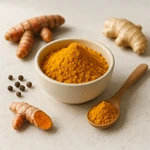
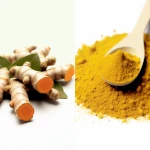
Ground turmeric is easy to recognize by its bold golden color—but its real value is the warm, earthy depth it adds to food. Used well, it can bring rice, vegetables, soups, and curries together into a cohesive, aromatic dish. Here’s how to cook with turmeric so it tastes rounded (not bitter), when to add it, and which flavor pairings make it shine.


Sweet paprika how to use it in Asian cuisine

Sweet paprika how to use it in Asian cuisine

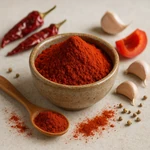
Sweet paprika is often treated as a “background” spice, but it can do three very practical things at once: deepen colour, add gentle sweetness, and round out sharp flavours—without extra heat. That’s exactly why it fits not only European staples, but also many everyday Asian stir-fries, noodle dishes, rice bowls, and soups.


Devil’s Seasoning: How to Find Your Ideal Heat—and Make It Taste Great

Devil’s Seasoning: How to Find Your Ideal Heat—and Make It Taste Great

“Devil’s seasoning” is a handy nickname for extra-spicy chili blends, pastes, and sauces that can turn plain rice, noodles, or a quick stir-fry into something exciting. The trick is choosing a heat level you’ll enjoy—and building flavor around it so the dish is bold, not just painful. This guide shows how to read spiciness cues, dose it confidently, and balance heat like Asian kitchens do.


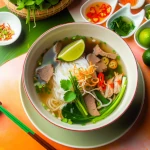
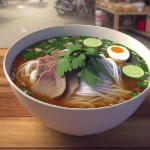
Vietnamese Pho Soup Recipe (Pho Bo or Pho Ga)

Vietnamese Pho Soup Recipe (Pho Bo or Pho Ga)

Pho is Vietnam’s iconic noodle soup: a clear, fragrant broth poured over silky rice noodles, topped with herbs, lime, and your choice of beef (pho bo) or chicken (pho ga). This home-friendly recipe focuses on the two things that matter most—building aroma in the stock and assembling bowls with fresh garnishes.


Typical Indonesian ingredients: what makes Indonesia Indonesian (and how to start with them at home)

Typical Indonesian ingredients: what makes Indonesia Indonesian (and how to start with them at home)

Indonesian cuisine is a huge island world – from Sumatra through Java to Bali – yet it has a few common ingredients that you recognize at the first taste. In this guide, you will find an overview of key Indonesian ingredients, their role in the food, main differences (especially in sambal, kecap manis, and coconut products), and a practical guide on how to cook with them without unnecessary mistakes.


White teas

White teas

Discover the magic of white tea – a drink that enchants with its delicate flavor and soothing effects. Ideal for relaxation, meditation, or evening tranquility.


Regions of Thai cuisine: why Bangkok, the north, and Isan don’t taste the same

Regions of Thai cuisine: why Bangkok, the north, and Isan don’t taste the same

Thai cuisine is often described through famous dishes like tom yum, green curry, or pad thai. However, this easily creates the impression that "Thai tastes like this" – and that’s it. In reality, Thailand is regionally distinctive: the same principle of balancing flavors (saltiness and umami, sourness, sweetness, spiciness, herbal freshness) is composed differently in various parts of the country. If you want to cook Thai food at home or just better understand dishes on a menu, regions are one of the shortest ways for the flavors to start making sense to you.


Bami Goreng Noodles (Indonesian-Style Fried Noodles) — Easy Weeknight Recipe

Bami Goreng Noodles (Indonesian-Style Fried Noodles) — Easy Weeknight Recipe

Bami Goreng is Indonesia’s beloved fried noodle dish: springy noodles tossed in a savory-sweet soy seasoning, quickly stir-fried with vegetables and your choice of chicken, shrimp, or tofu, then finished with egg and a squeeze of lime. This version is fast, flexible, and designed to work well on a home stovetop.


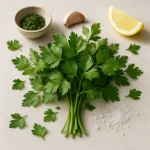
Parsley Leaf: the quiet herb that lifts soups, fish and marinades

Parsley Leaf: the quiet herb that lifts soups, fish and marinades

Parsley leaf is easy to overlook because it rarely steals the spotlight—but that’s exactly why it’s so useful. A small pinch can brighten a broth, clean up a rich sauce, and add a fresh green finish to fish or grilled meats. Fresh and dried versions behave differently, so knowing when to use which makes everyday cooking noticeably more balanced.


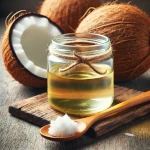
Coconut oil

Coconut oil

Discover the secrets of coconut oil! Read our article, where we show you the differences between its types and their benefits for your skin, hair, and health. Find out which one is best for you!


Whole Mixed Peppercorns: How to Use Them for Better Aroma and Juicier Flavor

Whole Mixed Peppercorns: How to Use Them for Better Aroma and Juicier Flavor

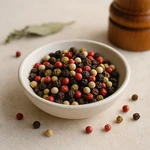
Whole mixed peppercorns (often called “four-pepper” or “rainbow pepper”) are a simple way to add both fragrance and gentle heat to everyday cooking. Used at the right moment—and freshly crushed—they can make stir-fries, soups, sauces, and even rice taste more vivid without overpowering the main ingredients.


Smoked Sweet Paprika (Ground): How to Use It

Smoked Sweet Paprika (Ground): How to Use It

Smoked sweet paprika is one of those spices that can make a simple meal taste like it spent time over charcoal. It brings gentle pepper sweetness, a warm red hue, and a distinct smoky aroma—without needing a grill. Here’s how to use it well, what it pairs with, how to avoid bitterness, and smart ways to fold it into Asian-style dishes.


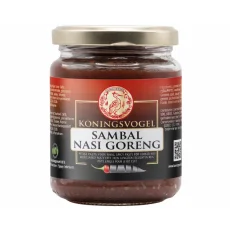
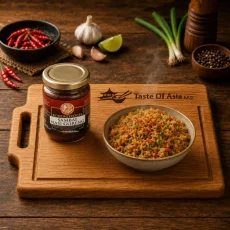
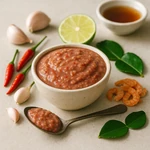
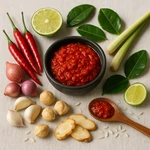
Sambal Trassi: Indonesian Chili Paste with a Bold Shrimp-Paste Umami Kick

Sambal Trassi: Indonesian Chili Paste with a Bold Shrimp-Paste Umami Kick

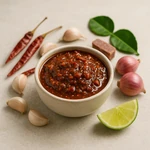
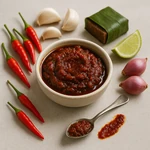
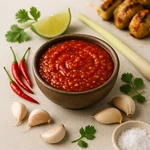
Sambal trassi is one of those Southeast Asian condiments that can transform a plain bowl of rice into something deeply savory and exciting. It combines hot chili with the unmistakable, funky depth of trassi (also spelled terasi)—a fermented shrimp paste that brings saltiness and intense umami.


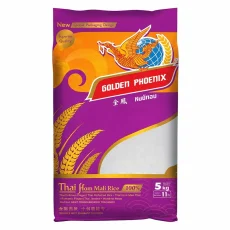
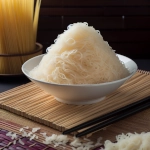
Hom Mali Jasmine Rice: Thailand’s Fragrant Classic That Elevates Any Meal

Hom Mali Jasmine Rice: Thailand’s Fragrant Classic That Elevates Any Meal

Hom Mali is the jasmine rice people remember: naturally fragrant, gently sweet, and soft without turning mushy. Learn what “Hom Mali” really means, how it differs from other rice styles, and how to cook it so the aroma and texture shine—whether you’re serving curry, stir-fry, or a simple bowl with herbs and lime.


Orient Grill Seasoning: the spice blend that gives barbecue an exotic edge

Orient Grill Seasoning: the spice blend that gives barbecue an exotic edge

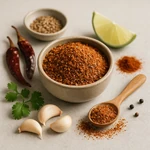
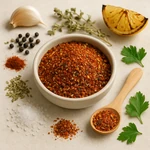
When you want grilled food to taste instantly more “special,” a warm, aromatic spice blend can do more than an extra sauce ever will. Orient-style grill seasoning is made for high heat: it clings well, perfumes the grill, and works on meat, fish, tofu, and vegetables—either as a dry rub or a quick marinade.


Madras Curry: a Spicy Indian Classic and Easy Ways to Use It at Home

Madras Curry: a Spicy Indian Classic and Easy Ways to Use It at Home

Madras curry is one of the boldest “curry” styles you’ll find in European shops: warming spices, a lively chilli kick, and an aroma that instantly signals comfort food. Here’s what the label usually means, what flavours to expect, and how to turn Madras curry powder or paste into weeknight meals without overthinking it.


Turmeric

Turmeric

Discover the power of turmeric! This natural plant is the key to better health – from supporting digestion to protecting against inflammation. Turmeric extract with a high curcumin content is a powerful ally for your well-being and vitality. Be inspired by its natural healing properties and start using turmeric as part of your everyday life.


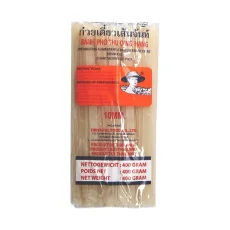
Rice noodles

Rice noodles

Discover the fascinating world of rice noodles! Whether it's delicate vermicelli noodles, wide slices, or tapioca varieties, these noodles are the basis of many Asian dishes. In our article, you will learn about their history, how they are made, and how you can incorporate them into your own culinary creations. Immerse yourself in traditional flavors and textures that will introduce you to the secrets of Asian cuisine!


Argentina Grill Seasoning: a Bold “Grilled” Flavor That Also Works in Asian Cooking

Argentina Grill Seasoning: a Bold “Grilled” Flavor That Also Works in Asian Cooking

Argentina Grill seasoning is the kind of spice blend you reach for when you want instant smoky, roasty “grill energy” on meat, tofu, or vegetables—without planning a marinade. What’s surprising is how naturally it fits into fast Asian-style cooking too: stir-fries, noodles, fried rice, and quick pan sauces all benefit from its warm, savory backbone.


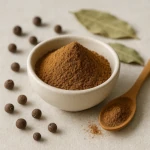
New ground spices: how they taste and what they are suitable for

New ground spices: how they taste and what they are suitable for

Ground allspice (often called “allspice powder”) is one of those quiet pantry staples that can transform a dish with just a pinch. It’s sweet-warm, intensely aromatic, and surprisingly versatile—useful not only in Western soups and pickling, but also as a subtle depth booster in Asian marinades, stir-fry sauces, and rice.


Hot peppers: how to use them and what to combine them with?

Hot peppers: how to use them and what to combine them with?

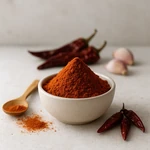
Hot paprika is one of the quickest ways to add warmth, color, and a rounded peppery aroma—without reaching for fresh chillies. Used well, it builds a pleasant heat that supports other flavors; used carelessly, it can turn bitter or overpower a dish. Here’s how to choose, dose, and combine hot paprika so the spice stays balanced, including practical tips for Asian-style meals.


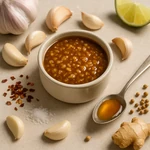
Garlic Marinade: How to Get the Most Out of It (Especially in Asian-Style Cooking)

Garlic Marinade: How to Get the Most Out of It (Especially in Asian-Style Cooking)

Garlic marinade is one of those kitchen shortcuts that doesn’t feel like a shortcut: it can make chicken, pork, tofu, or vegetables taste deeper, smell incredible, and stay juicier—fast. The trick is knowing how garlic behaves with heat, how long to marinate different ingredients, and how to balance sweet, salty, and acidic notes for Asian-inspired results.


Typical Thai ingredients: what they taste like, what they are for, and how to use them at home

Typical Thai ingredients: what they taste like, what they are for, and how to use them at home

Thai cuisine is based on balancing contrasts: saltiness and umami, acidity, sweetness, spiciness, and herbal freshness. To make food taste "Thai," one spicy component is not enough – it is more important to know the role of each ingredient and how to work with it in small amounts. This guide provides an overview of typical Thai ingredients, their function in the dish, the main differences between similar products, and practical tips on how to start using them at home without unnecessary mistakes.


Almond oil

Almond oil

Discover the power of almond oil in the kitchen! Ideal for cooking, baking, and seasoning, almond oil offers a delicate flavor and nutritional benefits. Read on to learn how to use it in your everyday cooking!


Madras Curry (Spicy South-Indian–Style Curry) – Easy Home Recipe

Madras Curry (Spicy South-Indian–Style Curry) – Easy Home Recipe

Madras curry is known for its deep colour, bold aroma and a confident chilli kick. This home-friendly version builds a rich onion-tomato base and finishes with warming spices (or a ready-made Madras curry blend) for a curry that works equally well with chicken, beef, lamb or tofu.


Seasoning Roast Pork Neck (Pork Collar)

Seasoning Roast Pork Neck (Pork Collar)

Roast pork neck—also called pork collar—is naturally forgiving thanks to its marbling, but the difference between “nice” and “unforgettable” comes down to seasoning and timing. This guide shows you how to build flavor with a dry rub, a marinade, or a final glaze, plus a few easy Asian-leaning twists that still feel right for an oven roast.


Rice paper

Rice paper

Thin slices are a great ingredient for anyone looking for simplicity, versatility, and flavor variety. Use them to make fresh spring rolls, delicious appetizers, or even sweet desserts. Find out how easily they can become the basis for your favorite dishes!


Vegan Asian cuisine without loss of flavor: umami, texture, and smart fundamentals

Vegan Asian cuisine without loss of flavor: umami, texture, and smart fundamentals

Vegan food in the Asian style does not have to be a compromise or a “substitute” for regular cuisine. In many parts of Asia, vegetarian and vegan cooking has its own traditions – and above all its own way of building flavor fullness: through umami, fermentation, working with texture, the right fat, acidity, and herbs. This article will show how to practically use these principles at home so that the food remains distinctive even without meat, fish, and dairy products.


Fresh herbs, acidity, and spiciness: why cold Asian dishes taste "finished"

Fresh herbs, acidity, and spiciness: why cold Asian dishes taste "finished"

Asian cold cuisine is not a "diet salad" or randomly mixed vegetables. It is often a complete meal built on fresh herbs, active acidity, and a spicy spark – and mainly on a dressing or dip that holds the whole plate together. In the article, we clearly explain how these elements work, their variations, and how to assemble a cold bowl or noodle salad at home so it doesn’t taste "unfinished."


All about rice

All about rice

We all love rice. In this article, we look at premium varieties like Jasmine and Basmati rice.


Street food style at home without complicated preparation: how to achieve bold flavor and proper texture

Street food style at home without complicated preparation: how to achieve bold flavor and proper texture

“Street food style at home” is not about copying stalls to the last detail. It’s about understanding why Asian street food works: speed, clear flavor, sauces and final seasoning, contrast of textures, and serving immediately without unnecessary complexity. The article contains a practical guide on how to transfer this logic to the home kitchen – even if you don’t cook from scratch.


Lemon Pepper: The Bright Citrus Twist That Lifts Fish, Wok Dishes, and Rice

Lemon Pepper: The Bright Citrus Twist That Lifts Fish, Wok Dishes, and Rice

Lemon pepper is a simple seasoning with a surprisingly big impact: the warmth of black pepper meets a clean citrus aroma, making dishes taste lighter and more “awake.” Used well, a small pinch can sharpen stir-fries, refresh fried rice, and bring out the best in fish, chicken, tofu, and vegetables.


Basic herbs of Asian cuisine: how to recognize, choose, and use them at home

Basic herbs of Asian cuisine: how to recognize, choose, and use them at home

Asian cuisine is not just about spiciness or "exoticism" – its typical flavor often comes from how it works with aroma, freshness, and a long aftertaste. It is precisely herbs and fresh aromatics that can elevate a dish from a "good sauce" to something that truly smells and tastes like a favorite bistro. In this guide, you will get clarity on which herbs are good to know (coriander, Asian basils, perilla/shiso), how they differ, when to add them, and what mistakes to watch out for.


Jasmine rice

Jasmine rice

Discover the secrets of jasmine rice! Learn how to prepare it properly, what its health benefits are, and why it should be a staple in your kitchen. Read our article and get tips for great recipes!


Salad Seasoning Blend

Salad Seasoning Blend

A bowl of greens can be a quick, light meal—or it can feel like “just vegetables.” A ready-made salad seasoning blend is the shortcut that bridges that gap: it adds aroma, rounds out flavor, and helps your dressing taste intentional even when you’re short on time.


Turkey Seasoning Guide: From Classic Roast to Asian-Inspired Flavours

Turkey Seasoning Guide: From Classic Roast to Asian-Inspired Flavours

Turkey has a clean, delicate taste—great for everyday cooking and festive roasts, but it also means seasoning shows up clearly (for better or worse). This guide explains what “turkey seasoning” usually includes, how to use it as a dry rub or marinade, and how to shift turkey toward Asian-style dinners with smart, flavour-packed add-ons.

%s ...
%s
%image %title %code %s
%s