


 Česky (CZK)
 Slovensky (EUR)
 Deutsch (EUR)
 Austria
 Belgium
 Bulgaria
 Croatia
 Denmark
 Estonia
 Finland
 France
 Germany
 Greece
 Hungary
 Italy
Italy Latvia
 Lithuania
 Luxembourg
 Netherlands
 Poland
 Portugal
 Romania
 Slovenia
 Spain
Spain Sweden










Basic herbs of Asian cuisine: how to recognize, choose, and use them at home
Asian cuisine is not just about spiciness or "exoticism" – its typical flavor often comes from how it works with aroma, freshness, and a long aftertaste. It is precisely herbs and fresh aromatics that can elevate a dish from a "good sauce" to something that truly smells and tastes like a favorite bistro. In this guide, you will get clarity on which herbs are good to know (coriander, Asian basils, perilla/shiso), how they differ, when to add them, and what mistakes to watch out for.
Why herbs are key in Asian cuisine (and why salt and fat alone are not enough)
In much of Asia, flavor is not built just by combining salt and fat. It often consists of layering: something gives immediate aroma, something creates the flavor core, and something remains as a long "finish." Spices and herbs do not play the role of just an addition – in one cuisine they form the base of the sauce, in another they function as a quick final touch.
It's important that there is no single universal "Asian spice" or one universal herb. Each region has a different logic: in some places, they work more with roasting whole spices, in others with fresh aromatics and pastes. For home cooking, it's useful to understand herbs as a tool that can add freshness and a "green" contrast even to heavy sauces – typically done by basil, perilla, shiso, or coriander leaves.
Spices vs. herbs: how they differ in behavior and culinary role
In practice, it pays to distinguish two things: spices and herbs/fresh aromatics. It's not about botanical school, but culinary effect.
- Spices (typically seeds, bark, dried fruits) often work well with heat and can build flavor "deeply." In the kitchen, they have advantages such as slower flavor release, the ability to aromatize fat or broth, more even distribution in a sauce, and sometimes the possibility to remove spices after cooking.
- Herbs and fresh aromatics (leaves, stems, and some "green" ingredients) bring quick aroma, freshness, and contrast. They often make the most sense only at the end or with very brief heat contact – so they don't lose character.
If you want an overview including dried variants, a practical index is the category single-ingredient herbs and for broader context also spices.
Three basic "green" pillars: coriander, Asian basils, perilla/shiso
If you have to start with just three types that repeatedly appear in Asian cooking and give a clear effect, these are them. Not as decoration, but as part of the dish's flavor logic.
Coriander leaves: a universal final touch (and stems are not waste)
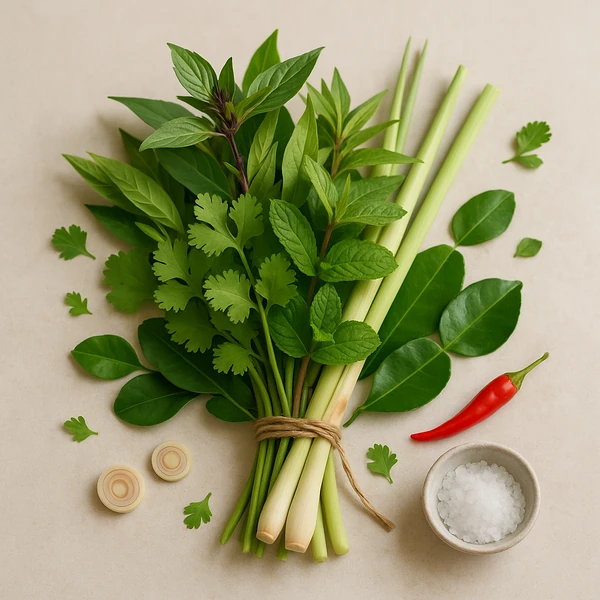
Coriander leaves are among the most important herbs in Asian cuisine. They are used in soups, salads, stir-fries, dips, sauces, and as a finishing sprinkle. A practical thing that makes a big difference at home: stems often have even more flavor than the leaves, so it pays to use both.
- Want a "pure green" freshness? Add the leaves just before serving.
- Want coriander to really hold in the dish? Chop some stems and add them earlier (for example in the base or sauce), leave leaves for the end.
Asian basils: not perfectly interchangeable
Under the name basil more types hide in Asian cooking – and their flavor and use differ. For cooks, the crucial thing is that they are not perfectly interchangeable variants.
- Sweet basil is generally more universal and milder.
- Thai basil usually has an anise tone and holds flavor better when heated – so it is often used in wok dishes and curries.
- Holy basil is usually pepperier and sharper.
Practical impact: when a recipe counts on basil as a main aroma, it pays to identify which type of basil you have – otherwise the result will be shifted (sometimes slightly, sometimes significantly).
Perilla and shiso: distinct leaves that function as herb and "spice"
Korean perilla and Japanese shiso are aromatic leaves that can function as spice, herb, and edible wrapper. They are not "delicate green leaves" – their strength is precisely that they add a clearly recognizable tone to a dish.
- In Korea, perilla is used in wraps, soups, pickling, and braised dishes.
- In Japan, shiso acts as a refreshing, slightly spicy and menthol contrast to rice, fish, and fried dishes.
👃 Citrus aroma without acidity: lemongrass and makrut lime leaves
Some Asian cuisines build a significant part of their profile on "citrus" aroma but not necessarily on acidity. Typically this includes lemongrass and makrut lime leaves: they create a clear, sharp citrus impression without making the dish automatically taste sour.
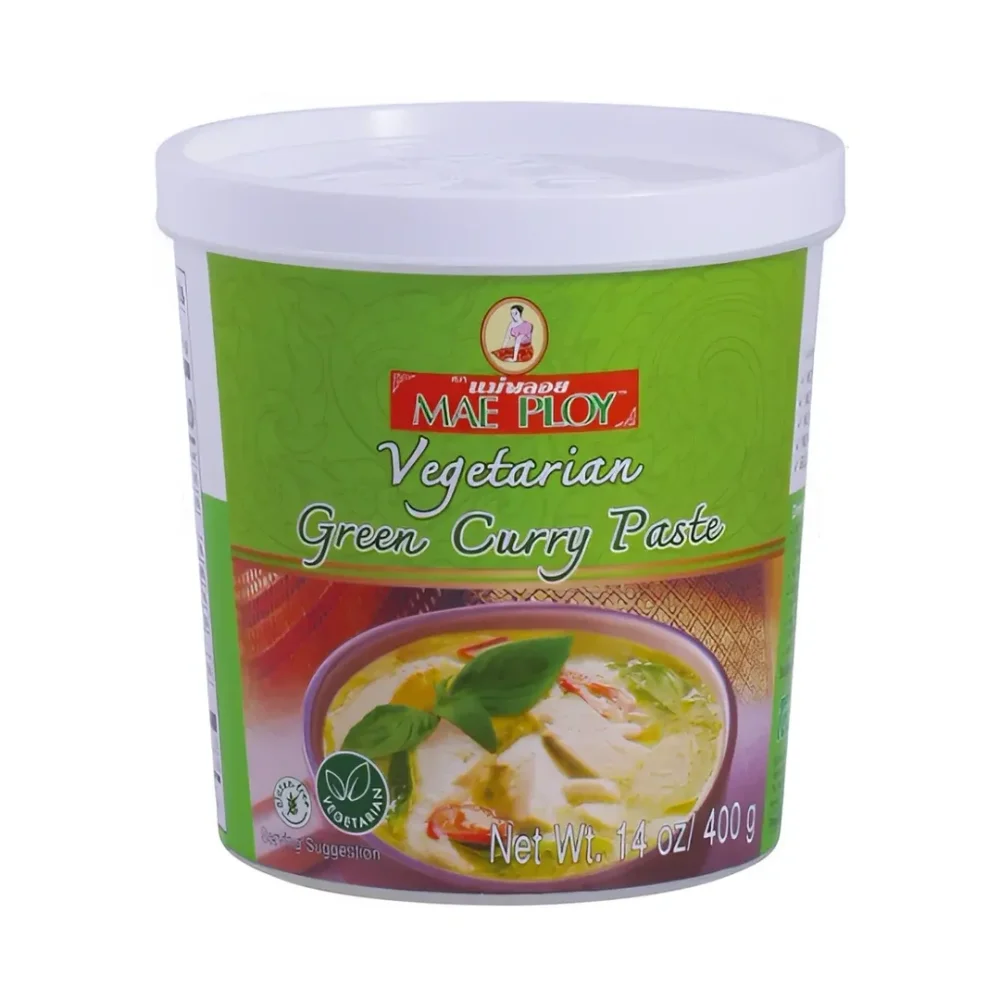
In home practice, you'll often encounter this type of aromatic also in paste form – for example in curry pastes that already have part of the aromatics arranged into a functional base. A specific example of such a "basic aromatic in a paste" can be Mae Ploy vegetarian green curry paste, which can be used to quickly create an aromatic base for a sauce, soup, or stir-fry.
How to recognize quality and how to keep herbs at home (so they really smell)
With herbs and spices, it mainly depends on aroma, purity, and liveliness. If the aroma is dull or "stored," the dish will be flat– even if you add a larger amount.
Quick quality check: what to watch for
- With spices: after rubbing or light heating, it should smell clearly. If it is musty or just dusty, the flavor will be tired.
- With whole spices: it should be full and not faded, not crumbled to dust; without an excess of stems, husks, or foreign parts; it should smell when broken.
- With ground spices: intensity of smell after opening, color (faded means tired), free-flowing without damp clumps.
- With fresh herbs and aromatics: leaves firm (not wilting), color lively, stems not slimy, aroma clear already with slight rubbing.
Storage: simple habits that have the greatest effect
- Keep spices in dry, dark places and away from direct heat. A resealable container is more useful than storing "in sight" near the stove.
- Whole spices usually last longer than ground.
- Fresh herbs are best used as soon as possible. Coriander, basil, and perilla don’t last forever; moist paper and the fridge can help, but not long storage without checking.
- Lemongrass, galangal, and ginger last longer and some of them can even be frozen.
If you cook Asian dishes only occasionally at home, it often makes sense to buy smaller amounts and replenish the stock continuously. This applies doubly to herbs.
🍳 Practical use: when to add herbs so they work (and don’t evaporate)
The most common difference between a "somewhat flavored" dish and a dish that feels Asian is in timing and whether herbs form a layer of flavoror just a random sprinkle.
👃 1) Base that cooks vs. final aroma that should stay
- In the base (briefly sautéed or heated): aromatics that give backbone to the aroma are suitable. For herbs, this often means using the "stronger parts" (like coriander stems) and saving leaves for the end.
- At the end (sprinkled, stirred in just before serving): this includes leafy herbs when you want to preserve freshness and a "green" contrast. Typically coriander leaves or basil.
2) Herbs in soup: add them as part of serving
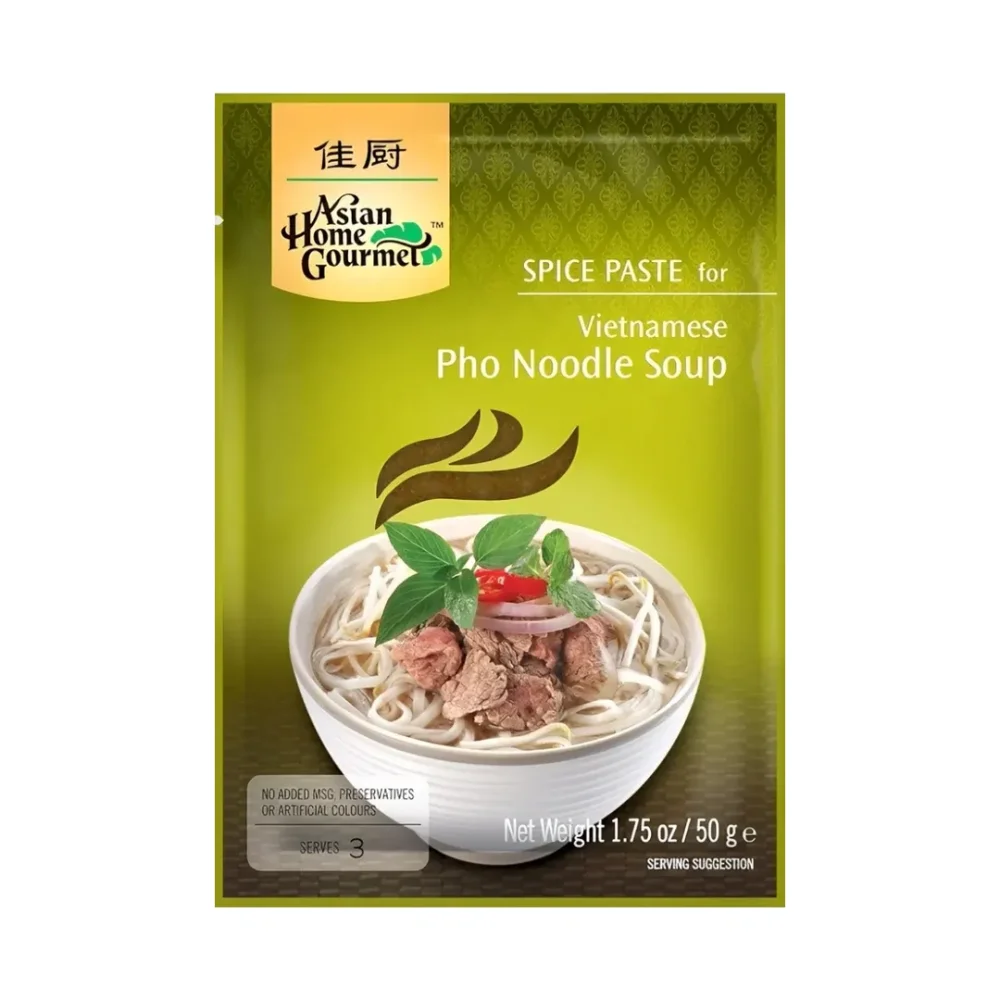
In broths and noodle soups, it often works when part of the aroma comes only at serving: hot broth adds warmth and depth, herbs add a fresh top. Even in simplified bases, this is a principle worth maintaining – for example, when using Pho AHG soup paste, the result is strongest when topped with fresh herbs at the end, not when everything is "cooked together."
3) Quick seasoning: when paste makes sense and when fresh herbs
Asian cooking often combines two quick things: concentrated bases (pastes, mixes) and fresh final aromatics. Paste gives you the "skeleton" and stable flavor, fresh herbs add liveliness.
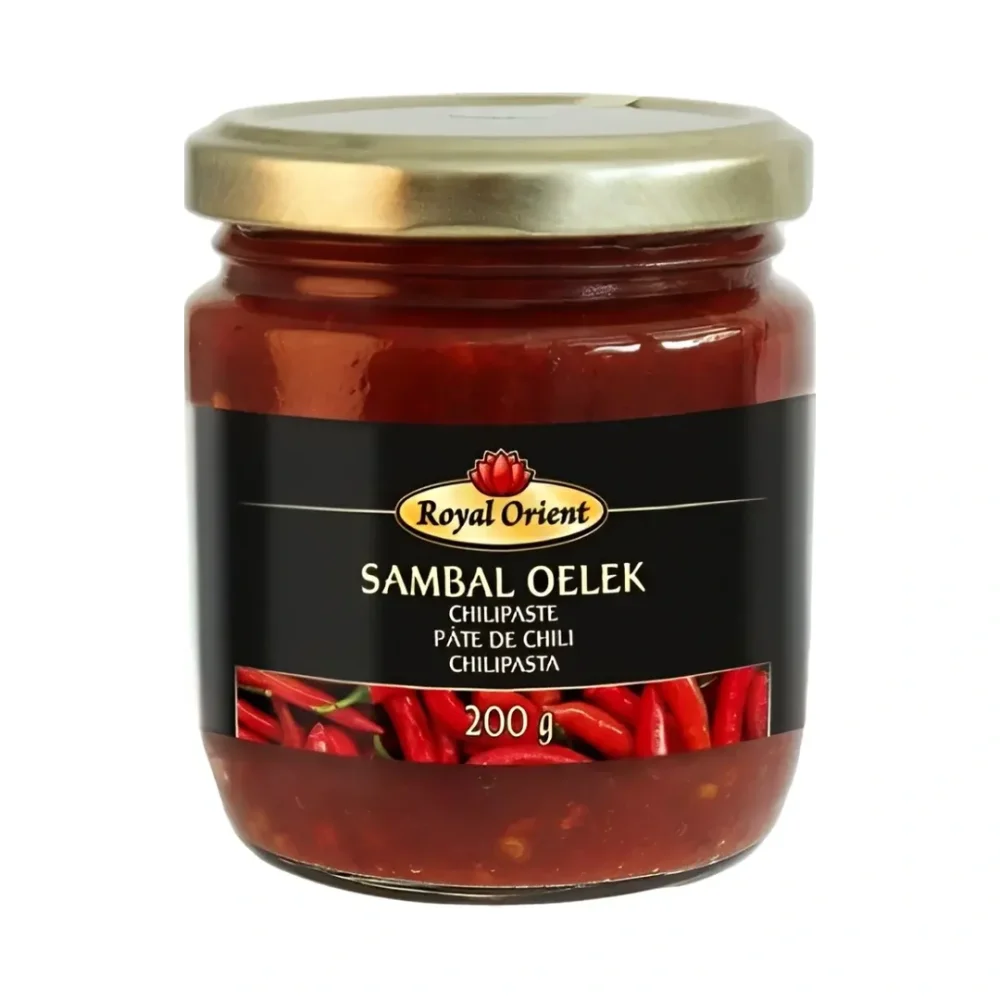
If you need a quick and strong hit of flavor on the spicy side, pure chili pastes can also be used – for example, Sambal Oelek is a type of seasoning added bit by bit that immediately changes the heat of the dish. You can't replace herbs with it, but you can better control what makes the spiciness and what makes the aroma.
For inspiration for ready "quick" seasoning for simple bowls, a guide is handy pastes and spices for rice or pastes and spices for noodles – and use fresh herbs as the last layer.
Common mistakes (and how to quickly fix them)
- "Basil as basil." Not always. Sweet basil, thai basil, and holy basil have different characters and are not perfectly interchangeable. If a dish relies on basil, it's worth monitoring the type.
- Throwing away coriander stems. Stems often have a lot of flavor. Fix simply: chop stems into the base, leave leaves for the end.
- Cooking herbs a long time "to release flavor." With leafy herbs, this is often a way to lose aroma and just leave a green trace. Solution: put part of aromatics in the base (or paste), keep leaves fresh and add them just before serving.
- Storing spices and herbs by the stove. Heat and light accelerate aroma loss. Spices belong in dryness and darkness, herbs are used as soon as possible and checked regularly.
- Large stocks "just in case." For items you use little of, smaller amounts and more frequent renewal is often better – especially for leafy herbs and blends that quickly lose aroma.
Takeaway from the article
- Herbs in Asian cuisine are not decoration: they are often a layer that creates freshness and contrast for sauces and broths.
- For a home start, it is enough to know three pillars: coriander leaves (including stems), Asian basil (not perfectly interchangeable) and perilla/shiso (distinctive leaves that can change the character of the dish).
- A citrus profile without acidity is often made by lemongrass and makrut lime leaves – and at home, you often encounter them in pastes as well.
- You mainly recognize quality by aroma and liveliness; the timing of adding herbs (base vs. end) determines whether they will be "felt" in the dish.

Read next
If you want to explore this topic further, continue with these related blog guides and articles:
