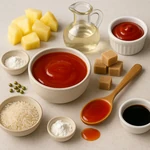
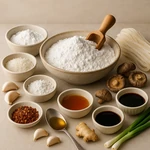
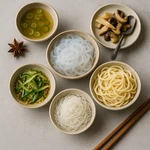
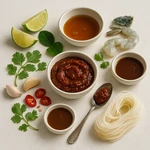
battermix for banana fritter
Products

Articles

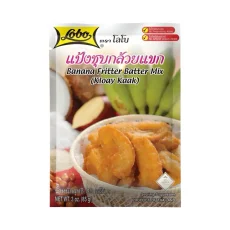
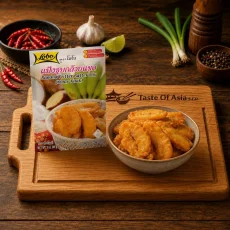
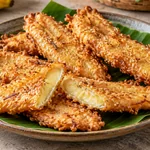
Recipe for Fried Bananas Kloay Kaak
Kloay Kaak fried bananas are a delicious sweet dessert with a crispy coating and a soft banana filling. This Thai dish is ideal for a quick and tasty treat. Perfect for any occasion!

Recipe for Tsuyu
Try this recipe for Japanese sauce, which has a fascinating history and can enhance any dish! Find out how this delicious sauce originated in Japan and how you can easily make it at home.

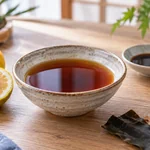
Recipe for Ponzu Shoyu
Discover the secret to a unique flavor that will transform any dish. This sauce combines the freshness of citrus with the saltiness of soy sauce, adding a new dimension to your cooking. Try it and see how easily it can enhance your favorite meals!

Recipe for Baighan Bharta
Try our quick recipe for Baingan Bharta, a delicious and authentic Indian delicacy that you will love!

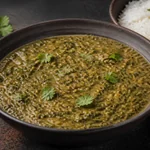
Recipe for Dal Palak
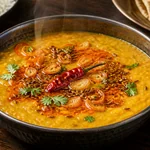
Try our recipe for Daal Palak, a delicious combination of lentils and spinach that will warm you up and delight you with its balanced flavor!

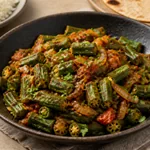
Recipe for Bhindi Masala
An excellent recipe for a delicious Indian dish, Bhindi Masala.

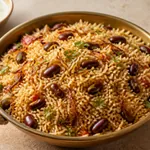
Recipe for Rajma Pulao
Rajma Pulao is a traditional Indian delicacy with a modern twist.

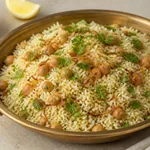
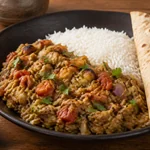
Recipe for Chana Pulao
Chana Pulao is a traditional dish with a rich history.

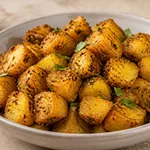
Recipe for Achari Aloo
Spicy Potatoes with an Indian Touch.

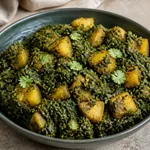
Recipe for Saag Aloo
Try this unique recipe for a traditional Indian delicacy.

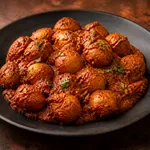
Recipe for Dum Aloo
Dum Aloo is a traditional Indian delicacy. Try this recipe!

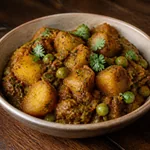
Recipe for Aloo Matar
Aloo Matar is a classic dish in Indian cuisine.

Recipe for Punjabi Choley
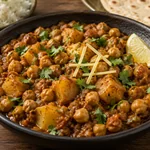
Punjabi Choley recipe that brings the traditional taste of India.

Recipe for Dal Tadka
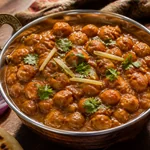
Punjabi Choley with Tadka is a delicious Indian curry with chickpeas that you can easily prepare at home and enjoy the authentic taste of India.

Recipe for Aloo Choley
Let's prepare a recipe for Aloo Choley, a delicious Indian dish made from potatoes and chickpeas, full of spices and flavors that will transport you right to the heart of India!

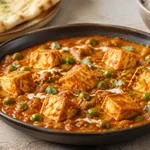
Recipe for Paneer Makhani
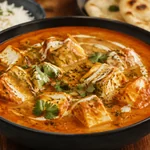
Let's cook a delicious paneer makhani together that will delight every foodie!

Recipe for Matar Paneer
Try this delicious recipe for Matar Paneer, a tasty Indian dish that will warm you up and delight your taste buds!

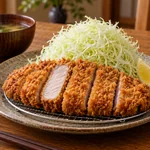
Recipe for Tonkatsu with Sauce
Discover the magic of Japanese cuisine with this recipe for a crispy dish that will amaze you with its simplicity and great taste. When tender pork chops meet a delicious sauce, the result is a dish that is perfect for any occasion. Be inspired by this recipe and experience a unique combination of flavors right in your own kitchen!

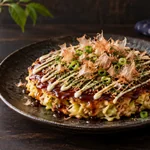
Recipe for Okonomiyaki with Sauce
Discover the taste of Japan with Okonomiyaki – an easy and delicious savory pancake that you can customize to your liking. Quick, delicious, and perfect for any occasion!

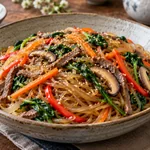
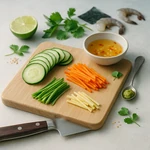
Recipe for Japchae with sauce
Discover a delicious recipe for Japchae with sauce – the perfect combination of rice noodles, fresh vegetables, and great flavor that will delight every lover of Korean cuisine.

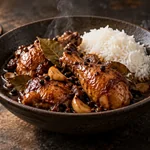
Recipe for Adobo with Sauce
Discover the taste of the Philippines! Adobo is a traditional dish that combines unique ingredients and rich history. Try this delicious recipe that will transport you straight to the Philippines—perfect for any occasion!

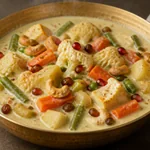
Recipe for Shahi Navratan Korma
A great recipe for the Indian dish Shahi Navratan Kormac

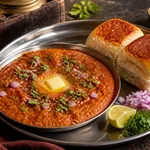
Recipe for Bombay Pav Bhaji
Bombay Pav Bhaji is a nutritious and tasty recipe full of vegetables. Try it for yourself!

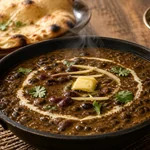
Recipe for Delhi Dal Makhani
Cook Delhi Dal Makhani, a creamy Indian specialty made from black lentils and beans, cooked with aromatic spices and cream for an unforgettable taste!

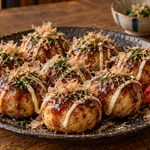
Recipe for Takoyaki Sauce and Food
This article will guide you through the secret that gives this Japanese dish its unmistakable character. You will discover why the sauce is key to the perfect balance of flavors and how its sweet and salty profile creates the harmony that makes this dish so exceptional. Read on to learn how it enhances the whole experience and why, without it, the dish would lose its power.

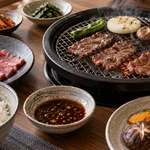
Recipe for Yakiniku sauce and dish
Discover the taste of Japan with our recipe for Yakiniku – juicy meat, delicious marinades, and grilling right at your table! Simple, quick, and irresistibly delicious!

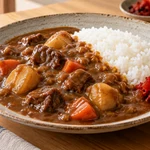
Recipe for Japanese Curry Kare Raisu
Discover the secrets of traditional Japanese curry, Kare Raisu! Learn a simple recipe for a delicious dish that combines exotic flavors with home comfort.

Recipe for Chicken Tempura with Vegetables
With Gogi Tempura Mix with Spices, preparing tempura with chicken and vegetables is quick and easy. Enjoy crispy, delicious pieces of meat and vegetables that will transport you to the heart of Japan. Try it today and enjoy the authentic taste!

What to buy for the first thousand crowns for Asian cuisine: the basics you can really cook with
The first purchase "for Asian cuisine" does not have to be a bunch of random sauces. When you divide your budget (for example around a thousand crowns) according to functions – saltiness and umami, acidity, sweetness, spiciness, fat and aroma, plus rice or noodles – you get a base from which you can cook repeatedly without unnecessary improvisation. The article provides a practical plan: how to choose the entry style of dishes, what makes sense to buy immediately, what to wait for, how to read labels and how to avoid typical beginner mistakes.

What to take from Asian cuisine for quick everyday cooking
Asian cuisine is not just a collection of "exotic" recipes – it is mainly a set of practical habits that allow cooking quickly, tasty, and without feeling heavy. In this article, you'll find specific principles that you can bring home: from salty and warm breakfast to the "bowl" logic of meals and seasoning with sauces, acidity, and texture.

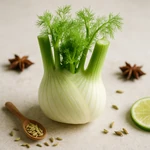
Fennel: how it tastes and what it is good for
Fennel is one of those ingredients that can feel like two things at once: a crisp vegetable and a deeply aromatic spice. Whether you’re working with the fresh bulb or fennel seeds, a small amount can make dishes taste brighter, rounder, and more “complete”—which is exactly why it shows up in so many Asian flavor traditions.

Best substitutes for key Asian ingredients (and when not to substitute)
Substitutes for Asian ingredients are practical — and at the same time deceptive. Often you’re not simply swapping “one thing for another,” but trying to replace a function: saltiness, umami, acidity, sweetness, aroma or texture. In this article you’ll find a system for making substitutions properly and with as little disappointment as possible — including cases when it’s better to admit a full substitute doesn’t exist.

Light Asian foods for everyday: bowls, noodles, porridges, and cold salads
"Light" Asian food is not about being small or bland. Often, it's actually a full bowl or plate that satiates but doesn’t feel heavy: it’s based on rice or noodles in a reasonable ratio, complemented by vegetables and herbs, with flavor carried by broth or precise seasoning, and the whole is held together by acidity, umami, and contrast of textures. In this guide, you’ll find practical orientation and specific "families" of dishes that make sense for everyday – from warm breakfast bowls to cold noodle salads.

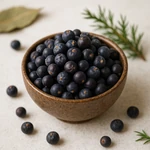
Whole Juniper Berries: An Aromatic Spice for Meat, Sauces, and Marinades
Whole juniper berries bring a distinctive evergreen, resinous aroma and a gently bitter-spicy edge that can transform stews, roasts, stocks, and pickles with just a few berries. Used with restraint, they add depth to rich meats and also work surprisingly well in modern soy-based marinades.

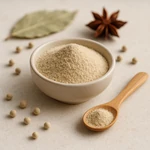
Ground White Pepper: Subtle Heat for Asian Dishes and Everyday Classics
Ground white pepper is a quiet workhorse: it brings a clean, warming pepper bite without the black flecks that can distract in pale soups and creamy sauces. Used thoughtfully, it can lift everything from Chinese broths and stir-fries to mashed potatoes and gravy.

BBQ Grill Seasoning: Smoky, Sweet-Heat Flavor for Meat and Vegetables
“Barbecue” isn’t only a sticky sauce—it’s a flavor profile. A good BBQ grill seasoning brings smoky aroma, gentle sweetness, and a peppery kick that works just as well on chicken and ribs as it does on corn, mushrooms, tofu, or eggplant. Here’s how to use it as a dry rub, in a quick marinade, or as a finishing glaze—with a few Asian-inspired twists for extra umami.

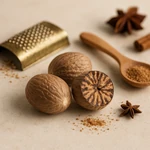
Whole Nutmeg: How to Use It for Maximum Aroma and Flavor
Nutmeg is one of those spices that works best in tiny amounts: a few light gratings can make a sauce taste rounder, a coconut curry feel creamier, or a broth smell instantly more inviting. Here’s how to get the most out of whole nutmeg—why it beats pre-ground for fragrance, how to dose it correctly, and where it fits surprisingly well in Asian-style cooking.

Basic Asian pantry for home cooking: what you really need to start
An Asian pantry is not an "exotic list" that you have to buy all at once. It is a thoughtful basic set of ingredients that allows you to repeatedly cook dishes with a clear flavor at home – even when your refrigerator is not full of fresh items. The key is not to think by countries, but by function: to have something for saltiness and umami, something for acidity, something for sweetness, something for spiciness, something for aroma and fat, and a reliable starchy base.

How to compose a menu for a visit and a larger table
Are you planning a feast or a larger family visit and want the food to work smoothly for more people? This practical guide will show how to arrange the menu according to Asian sharing principles: the roles of rice, soup, and side dishes, how to combine flavors, and what to prepare in advance.

Plates: How to Choose the Right Shape and Material for Every Meal
A plate is more than a flat surface for food. Its shape affects portioning and presentation, its material influences heat and durability, and the right mix of pieces makes everyday meals—from curry and stir-fries to sushi nights—feel easier and more enjoyable.

New ground spices: how they taste and what they are suitable for
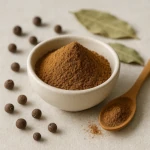
Ground allspice (often called “allspice powder”) is one of those quiet pantry staples that can transform a dish with just a pinch. It’s sweet-warm, intensely aromatic, and surprisingly versatile—useful not only in Western soups and pickling, but also as a subtle depth booster in Asian marinades, stir-fry sauces, and rice.

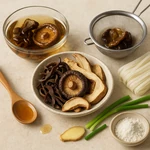
How to use dried mushrooms: soaking, umami, and practical tricks for Asian dishes
Dried mushrooms in Asian cuisine are not just a "reserve for worse times." They often function as a standalone ingredient with their own aroma and texture – typically shiitake. The article includes a practical soaking procedure (including cold vs. warm water), working with soaking water, and tips on how to get maximum flavor from mushrooms in broths, soups, and pan dishes.

Which sauces and noodles to watch out for in gluten-free Asian cooking
Gluten-free Asian cooking often does not depend on whether you buy the "right" vegetables or meat, but on two tricky places: sauces and noodles. The basic ingredients can be naturally gluten-free, but one common soy sauce or wheat noodles can completely compromise the safety of the entire dish. The article provides specific guidance, the main risk situations, and practical procedures on how to handle this at home without unnecessary stress.

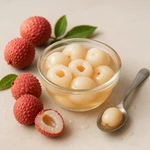
Lychees in Syrup: Sweet Tropical Fruit for Desserts, Drinks, and Asian-Inspired Treats
Lychees in syrup give you that distinctive floral-tropical aroma without peeling, pitting, or chasing a short season. Keep a jar or can on hand for fast desserts, refreshing iced drinks, fruit salads, and elegant plating—and don’t forget the fragrant syrup, which is useful well beyond “just sweetening.”

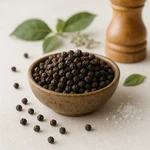
Whole Black Peppercorns: How to Use Them for Maximum Aroma in Asian Cooking
Whole black peppercorns aren’t just a “finish with pepper” ingredient. Used at the right moment—cracked, gently toasted, or simmered—they add warmth, depth, and a lively peppery lift to broths, curries, marinades, and stir-fries across Asian cuisines.

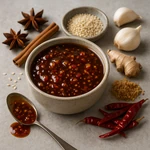
Spice for Honey-Glazed Ribs: Building a Sweet-Savory, Asian-Inspired Sticky Finish
Honey ribs feel “restaurant-level” because the flavor hits in layers: sweet up front, savory in the middle, and warm spice in the finish—plus that glossy, sticky glaze. The secret isn’t complicated technique; it’s choosing a spice profile that can season the meat and still shine after caramelization.

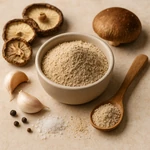
Mushroom Seasoning: the Quiet Umami Boost for Rice, Noodles, Soups, and Stir-Fries
Mushroom seasoning is one of those pantry shortcuts that makes everyday food taste like it had more time, more stock, and more depth. A small pinch can lift rice bowls, noodle sauces, soups, and quick wok meals with a savory, rounded “umami” finish—without turning the dish into something that tastes obviously mushroomy.

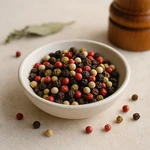
Whole Mixed Peppercorns: How to Use Them for Better Aroma and Juicier Flavor
Whole mixed peppercorns (often called “four-pepper” or “rainbow pepper”) are a simple way to add both fragrance and gentle heat to everyday cooking. Used at the right moment—and freshly crushed—they can make stir-fries, soups, sauces, and even rice taste more vivid without overpowering the main ingredients.

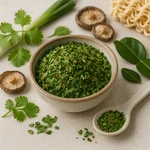
Herbs for Soup: Turn a Plain Broth into a Fragrant Asian-Style Bowl
A great soup doesn’t rely on one big “secret ingredient” — it’s built in layers. Herbs are one of the fastest ways to make a simple broth smell inviting, taste brighter, and feel like a finished bowl (even when you’re using quick noodles or a shortcut stock). Here’s how to use fresh and dried herbs in Asian-style soups without losing their aroma.

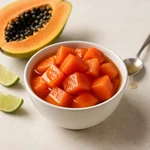
Papaya in Syrup: A Tropical Sweetener for Desserts, Drinks, and Bold Savory Pairings
Papaya in syrup is one of those pantry shortcuts that makes tropical flavor available any day of the year—no guessing ripeness, no peeling, no waste. Use the fruit for quick desserts and refreshing drinks, and don’t overlook the syrup itself: in small amounts it can balance citrus, spice, and salty notes surprisingly well.

MSG, preservatives and allergens: what to really watch for on labels of Asian ingredients
Asian sauces and pastes often have bold packaging, but the small print is what matters. If you want clarity in your purchase, it's worth stopping to worry about one “scary” abbreviation and instead adopting a few simple checks: the order of ingredients, the difference between a base and a seasoned product, and careful reading of allergens. This article shows what to watch for so the ingredient works in your cooking – and so it doesn't surprise you at home with its flavor, saltiness, or composition.

What belongs in the fridge, pantry, and freezer: a practical system for Asian ingredients
For Asian ingredients, the simple rules of "this goes in the fridge" and "this is shelf-stable" often don’t apply. Some things may still be safe to eat but taste worse, while others don’t lose flavor but moisture ruins their texture. This article provides a practical way to sort ingredients at home into pantry, fridge, and freezer so they last longer and cooking consistently turns out better.

Cutting ingredients for Asian cooking: why success or failure happens on the cutting board
In many Asian kitchens, the outcome is decided not on the stove, but already on the cutting board. The shape, size, and uniformity of the cut directly determine what gets grilled in the pan, what only steams, what releases water, and what, on the contrary, burns. This guide gives you practical rules on how to adapt cutting to the technique (wok, soup, salad, grill, fillings) and how to set up preparation at home so that the food keeps the rhythm.

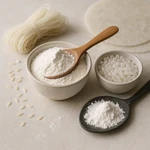
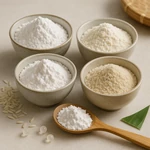
Rice flour, tapioca, and starches: how to choose the ingredient for the right texture
Flour and starch in Asian cuisine often do not play the "main role" in flavor but very often decide on the most important thing: texture. The choice between rice flour, sticky rice flour, and starches determines whether the dough will be elastic, the coating crispy, the sauce shiny, the soup delicate, or the result glassy translucent.

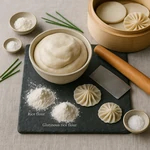
Doughs for dumplings and bao: how to choose flour and get the right texture
For Asian dumplings, the wrapper is as important to the result as the filling. And for bao, the dough determines whether the bun will be soft and fluffy or dense and "heavy." In practice, it is often not the taste of the flour (which tends to be neutral) but the texture: elasticity, chewiness, crispness, gloss, or translucency. In the article, you can compare the basic types of doughs and wrappers and especially which flour or starch to choose so that the dumplings and bao turn out as you expect.

Sauce for Chicken and Rice: How to Nail an Asian-Style Flavor at Home
Chicken with rice can be a quick weeknight dinner or true comfort food—the difference is the sauce. Below you’ll find practical “building blocks” for common Asian-inspired sauce styles (bright and tangy, soy-umami, curry, or tomato-spiced), plus easy ways to thicken, balance flavors, and keep chicken juicy.

Seasoning for Pork Roast: How to Get Juicy Meat and a Bold, Crackly Crust
Pork roast can feel like a special occasion dish or an easy weeknight dinner—often the only difference is how you season it. Learn what “pork roast seasoning” really means, how to apply it for maximum aroma and crust, and how to add a subtle Asian-inspired edge (think warm spices and savory depth) without losing that classic roasted-pork character.

Seasoning for Grilled Vegetables: How to Choose a Blend (and Add an Asian Twist)
Grilled vegetables can taste effortlessly good—or surprisingly flat—depending on how you season them. This guide explains what makes a grill-friendly spice blend work, when to add it for the best aroma, and how to take the same vegetables in a more Asian direction using pastes, sauces, and smart finishing touches.

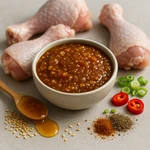
Spices for Honey-Glazed Chicken Drumsticks: How to Make a Sweet and Spicy Glaze
Chicken drumsticks are made for bold seasoning: the skin renders, the meat stays juicy, and a honey-forward spice mix turns the surface glossy and caramelized. This guide shows how to build (or use) a honey-spiced seasoning so your drumsticks come out sweet, savory, gently warm, and unmistakably “glazed”.

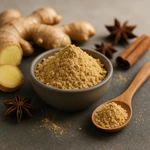
Ground Ginger in Asian Cooking: How to Use It for Full Aroma and Flavor
Ground ginger is one of those quiet pantry spices that can make a dish taste instantly more “Asian”—warm, gently peppery, and lightly citrusy. Used well, it boosts curries, marinades, stir-fries, and dipping sauces without adding fibrous bits or extra prep. Here’s how to choose it, when it beats fresh ginger, and how to add it so it actually smells and tastes vibrant (not dusty or bitter).

Thai Green Curry: the fresh, herbal classic for coconut sauces and quick stir-fries
Thai green curry is one of those flavors that instantly fills the kitchen: fragrant herbs, lively chili heat, and a silky coconut base. Learn what “green curry” really means, how to handle curry paste for maximum aroma, and how to use it beyond a classic bowl of curry and rice.

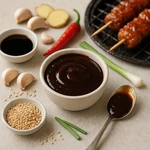
Bulgogi-Style Hoisin Sauce: the Sweet-Umami Shortcut for Fast Marinades and Glossy Glazes
If you like the sticky, savory-sweet finish of Korean BBQ but don’t want to measure ten different ingredients on a weeknight, bulgogi-style hoisin sauce is the kind of pantry helper that earns its space. It’s thick, dark, sweet-umami and designed to work immediately as a quick marinade, a last-minute pan glaze, or a bold dipping sauce.

Chilli, sambal and curry pastes for beginners: how to understand heat and not overpower flavor
Chilli in Asian cuisine is not just a “test of courage.” In a balanced dish, spiciness is one layer of flavor – it can add energy, contrast, and depth, but only when you know what type of heat you are adding and what role a specific product plays. For a beginner, the key difference is between plain chilli, sambal, and curry paste.

Basics of home fermentation for beginners: how to get oriented and start without unnecessary mistakes
Fermentation is not just a 'preservation trick'. In Asian cuisines, it is one of the main ways to create umami, smooth out sharp taste edges, change the texture of ingredients, and build a huge palette of sauces, pastes, side dishes, and soups from a few basics. This article will give you solid foundations: what fermentation means in the kitchen, why it is not the same as probiotics, what types of ferments exist, and how to start with them at home practically (even if you haven't fermented anything yourself yet).

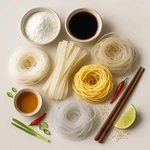
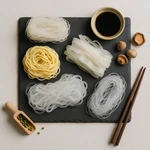
Asian noodle guide: how to choose the right type for soup, wok, and cold bowls
Asian noodles are not a single universal ingredient, but a large family of products. They differ in base (wheat, rice, buckwheat, starch, konjac), thickness, elasticity, and how they react to broth, sauce, or quick stir-frying. When you know what to expect from noodles, you will choose much more easily—and stop struggling at home with clumped or overcooked "mash."

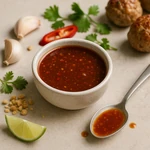
Sauce for Meatballs: How to Get the Flavor (and Texture) Right — with an Asian Twist
Meatballs are reliably good. The sauce is what makes them memorable: it adds aroma, keeps them juicy, and turns “just meatballs” into a dish you want to eat again tomorrow. Here’s a practical way to build a sauce that balances sweet–salty–sour–spicy, clings to the meatballs, and can lean Asian without feeling complicated.

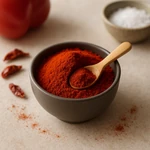
Delicacy Paprika ASTA 160: Gentle Sweetness, Deep Color, and a Reliable Spice for Hot Cooking
Sweet ground paprika is one of those quiet kitchen staples that can transform a pale sauce into something inviting. Delicacy Paprika with an ASTA 160 rating is valued for its rich red color and mild, slightly sweet aroma—perfect when you want warmth and depth without heat.

How to choose noodles for soup, stir-fry, and salad (so they work even after cooking)
With Asian noodles, the most common disappointment doesn’t come from a “low-quality product” but from choosing the wrong type for the particular dish. In this guide, you’ll clarify based on the material (wheat, rice, buckwheat, starch, konjac), thickness, and behavior in broth, in a pan, and after cooling – and you’ll learn to choose noodles as practically as in Asian kitchens.

How to choose oil for frying and grilling: technique matters, not the name on the bottle
In Asian cooking, oil is often not just "something for the pan." Sometimes it is purely a working medium for high temperature, other times a carrier of aroma added only at the very end. This is the most common source of errors: people buy oil of the right category but the wrong type for the specific technique. In this guide, you will clarify how to think about oil when frying, deep-frying, and grilling – practically and without unnecessary myths.

How to choose coconut milk: fat, consistency, and the right type for curry, soups, and desserts
Coconut milk is one of the most important ingredients of tropical Asia – in Thai curries, soups like tom kha, Filipino dishes called "ginataan," but also in various desserts. At the same time, it is a category where significantly different products are sold under the same name. In practice, it is often not that the recipe "doesn't work," but that you have chosen the wrong type (or too thin a variant) for the specific dish.

How to choose a kitchen knife for Asian cooking: what really matters on the cutting board
Many people focus mainly on the wok, but a large part of the result of Asian cooking is decided before the stove is turned on: on the cutting board. The size, thickness and uniformity of cuts affect cooking speed, texture and whether different ingredients cook evenly. In this article we'll clarify which knife makes the most sense for home Asian cooking, what to expect from the “Chinese cleaver” and how to avoid mistakes that spoil the result and safety.

Ramen Noodles: How to Choose Them, Cook Them Right, and Pair Them for the Best Flavor
Broth, toppings, aroma oil—ramen gets a lot of attention for what’s on top. But the real backbone of the bowl is the noodle: springy, satisfying, and able to carry flavor. Here’s a practical guide to ramen noodles (fresh, dried, instant), how to cook them for the ideal bite, and how to use them not only in soup but also in quick stir-fries and “no-broth” bowls.

First purchase for the Asian pantry: what to buy to make cooking easy (and without unnecessary mistakes)
The Asian pantry is not a list of “exotic” items you have to buy all at once. It’s a thoughtful foundation that lets you repeatedly cook dishes with a clear character at home – even when you don’t have a full fridge. In this guide, you’ll clarify what is good to buy first, what to add later according to your favorite cuisine, and how to avoid typical shopping mistakes.

Noodle dishes for the wok pan vs. noodle soups: what is the difference and how to decide
Noodles in Asian cuisines are not just "something instead of a side dish" – they are often the very core of the dish. That's exactly why it makes great sense to distinguish whether you want noodles for the wok pan or for a soup bowl: each variant requires a different type of noodle, a different handling of liquid (broth vs. sauce), and different mistakes lead to the most common disappointments. This guide will help you choose the right direction and not mess it up at home.

Flours and starches in Asian cuisine: how to choose the right type for thickening, coating, and dough
Flours and starches are inconspicuous in Asian cuisine, but they often decide the most important thing: texture. Thanks to them, the coating can be crispy and light, the sauce smooth and glossy, the dumpling elastic, or the dim sum wrapper delicately translucent. In the article, you will clarify when to reach for rice flour, when for glutinous rice flour, when for tapioca starch, and what to watch out for when reading labels.

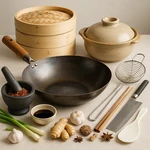
Dishes and Equipment for Asian Cuisine: What Makes Sense at Home and What's Just an "Exotic" Shortcut
Good equipment for Asian cuisine is not about having a "set" of Asian dishes at home. In practice, it is more important to understand which tools really change the outcome, which just increase comfort, and which are rather optional for home cooking. This guide sets a simple framework: how to divide equipment by function, where to start, when a wok, steamer, or rice cooker makes sense, and how to avoid the most common mistakes.

Nasi Goreng Chilli Paste: What It Tastes Like and How to Use It for Indonesian Fried Rice
Nasi goreng is one of Southeast Asia’s most loved “use-what-you-have” dishes—fragrant fried rice that can be mild, smoky, or seriously spicy. A nasi goreng chilli paste gives you that street-food style flavour base in minutes: warm it in oil, toss in cold rice, and build the rest from whatever’s in your fridge.

Seasoning for Chicken: How to Choose the Right Flavor (and When to Use a Paste or Sauce)
Chicken is one of the easiest proteins to flavor: it cooks quickly, absorbs aromatics well, and works in a pan, oven, or on the grill. The real question isn’t “which seasoning is best”, but which format and flavor style fits your dish—dry spice mix, curry paste, a ready-made sauce, or a quick marinade.

Chinese-Style Seasoning Mix: What It Tastes Like, What It’s For, and How to Use It Well
“Chinese seasoning” is a popular shortcut for fast stir-fries: it brings a warm, savory aroma and that familiar wok-style character even when you’re cooking with everyday ingredients. The trick is knowing when to add it, how much to use, and how to balance it so your dish doesn’t end up flat—or overly salty.

Meals that work for multiple people and an ordinary week: the Asian logic of bowls, noodles and sides
Cooking for more people on a workweek is less about “perfect recipes” and more about how to smartly build a meal: so it’s satisfying without feeling heavy, and can be easily adjusted to the tastes at the table. In many Asian cuisines this practicality is natural – based on a bowl or plate where there is a place for a base, a protein, vegetables, freshness, acidity, texture and precise seasoning.

Pad Thai, Chow Mein, and Mee Goreng: how they differ (and what that means for cooking at home)
Three famous noodle dishes that look similar at first glance: "wok noodles." But the difference is not just in the country of origin. They differ in the type of noodles, the flavor of the sauce, and how exactly to work with heat and timing so the noodles remain elastic and the dish is neither dry nor "drowned."

How to choose rice for sushi, curry, and fried rice: texture, aroma, and the right type of grain
Rice in Asian cuisine is not "just a side dish." In sushi, it determines whether the rice holds its shape and can be eaten with chopsticks; in curry, it affects how the sauce meets the aroma and tenderness; and in fried rice, it decides whether you get a loose wok dish or a sticky mash. This guide will help you choose the type of rice based on the dish – and understand why one universal rice is usually not enough.

What to watch out for in coconut products: milk, cream, cream, oil, and flour are not the same
Coconut is extraordinarily versatile in tropical Asian kitchens - and that's exactly why there is a lot of confusion around it. Coconut water, coconut milk, cream, “cream,” oil, or coconut flour behave completely differently: they differ in fat content, amount of water, texture, and whether they are intended for cooking, beverages, or desserts. This article gives you a clear map of coconut products and practical rules to help you choose the right type for curry, soups, desserts, and baking.

Typical Thai ingredients: what they taste like, what they are for, and how to use them at home
Thai cuisine is based on balancing contrasts: saltiness and umami, acidity, sweetness, spiciness, and herbal freshness. To make food taste "Thai," one spicy component is not enough – it is more important to know the role of each ingredient and how to work with it in small amounts. This guide provides an overview of typical Thai ingredients, their function in the dish, the main differences between similar products, and practical tips on how to start using them at home without unnecessary mistakes.

How to cook Asian rice correctly: grain type, texture, and methods for jasmine, basmati, sushi, and sticky rice
"Rice is just rice" does not work in Asian cooking. The same pot and the same method will sometimes give you a fragrant, tender side dish for curry, other times a mushy mess, or on the contrary dry separate grains that don't suit the dish. In this guide, you will clarify how to choose rice and cook it at home so that it has the right aroma, cohesion, and texture – for jasmine, basmati, sushi, and sticky rice.

How to read packaging and types of Asian noodles: how to recognize what will really work for you at home
With Asian noodles, the name on the front of the package is often only indicative. Whether the noodles are suitable for broth, wok, or a cold bowl is usually decided by their ingredients, thickness, and pre-treatment. In this guide, we will show you how to read labels, what the main noodle families are (wheat, rice, buckwheat, starch-based, and konjac), and how to choose a type that won’t overcook, fall apart, and gives the dish exactly the texture you expect.

Curry pastes and when to reach for them: how to get the most out of them (and when not to)
Curry paste can be a great shortcut to a "ready-made" flavor – but only if you understand it as a base, not as a universal seasoning for everything. In the article, we clarify what to expect from curry paste, how it differs from other pastes and sauces (soy, fish, chili), and how to use it in practice so that the final dish is not just spicy or salty, but truly flavorfully built.

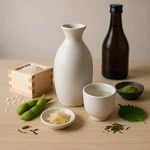
Sake and Asian Alcohol for Beginners: What Is What, Why It Gets Confused, and How to Use It in Cooking
“Rice wine” sounds simple, but in Asian cuisine, this term covers several different things – and mixing them up in recipes creates unnecessary confusion. In this guide, you'll clarify what sake is, what mirin is, why they are often used together, and how to practically incorporate them into home cooking to make dishes more delicate, refined, and harmoniously flavored.

How to build bowls and plates with a good flavor balance: a practical guide for light and balanced Asian meals
A "light" Asian bowl is not about having less food or making it bland. It works when the flavors are clearly readable, it doesn't feel heavy, and yet it fills you up: the starchy base holds its shape, the protein is flavor-specific, the vegetables and herbs are not just decoration, and the whole is linked by a precise (rather small) amount of sauce. The article offers a practical logic for assembling bowls and plates, differences between types of dishes, and the most common mistakes that make "home food taste unfinished."

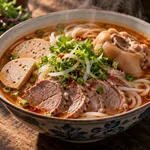
Bún Bò Huế (Vietnamese Spicy Beef & Pork Noodle Soup) — Recipe
Bún bò Huế is Vietnam’s bold, lemongrass-forward noodle soup from the former imperial city of Huế. This recipe walks you through a fragrant beef-and-pork broth, a quick chili oil for that signature red hue, and the fresh herb toppings that make each bowl taste bright, spicy, and deeply savoury.

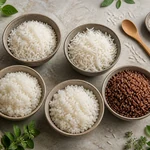
All about rice
We all love rice. In this article, we look at premium varieties like Jasmine and Basmati rice.

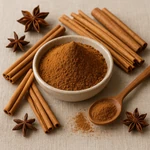
Ground cinnamon aroma that warms you up
Ground cinnamon is one of those pantry staples that can change a dish with a single pinch. Most people reach for it in baking or coffee, but it can be just as useful in savoury cooking—especially in Asian recipes where coconut milk, rice, chilli heat, and aromatic spices are balanced in one pot.

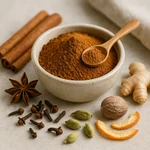
Gingerbread spice mix: a fragrant blend that lifts both the dough and your spirits in winter
Gingerbread spice is a warm, aromatic blend built around cinnamon, ginger, clove and other “sweet” spices. It’s famous for gingerbread—but it’s just as useful in oatmeal, hot drinks, fruit desserts, and even subtly spiced savory dishes. Here’s what’s usually inside, how to dose it, and how to keep it fragrant all season.

How to choose the right coating or dough: crispiness, elasticity, and translucency according to the type of flour and starch
In Asian cuisine, it is often not just the taste that matters, but mainly the texture: should the coating be crispy and light, the dough elastic and pliable, the sauce delicate and shiny, or the dumpling almost translucent after steaming? This is exactly where the choice of flour, starch, and type of coating makes the biggest difference. This guide will help you choose the right “coating or dough” depending on exactly what you want to cook – and avoid typical label mix-ups.

The taste of Malaysian cuisine: how to recognize it, why it is so diverse and how to build it at home
Malaysian cuisine cannot be reduced to one “typical” flavor. It is a living mix of Malay, Chinese, Indian, Peranakan and local Bornean influences – and you will often find them all on one plate. In this guide we will show you how to reliably recognize Malaysian taste, how it differs across dishes and regions, and how to practically construct its most important flavor pillars at home.

How to start with Malaysian cuisine: 5 logics to quickly get oriented at home
Malaysian cuisine is not one "typical taste," but a practical mix of several traditions meeting in one country – Malay, Chinese, Indian, Peranakan, and local Bornean. When you want to start with it at home, it doesn’t make sense to learn everything at once. In this guide, you will set simple orientation points (rice vs. noodles, coconut vs. broth, the role of sambal, accompanying sauces and dips) and pick a few first dishes to learn the Malaysian "system" fastest.

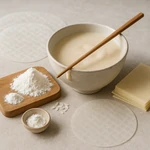
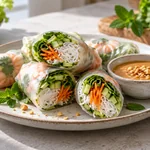
Rice paper
Thin slices are a great ingredient for anyone looking for simplicity, versatility, and flavor variety. Use them to make fresh spring rolls, delicious appetizers, or even sweet desserts. Find out how easily they can become the basis for your favorite dishes!

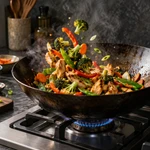
Wok Pan: How to Choose, Season, and Cook Faster at High Heat
A wok isn’t just a “deep frying pan.” Its shape is designed for intense heat, quick movement, and big flavor—especially in stir-fries, fried rice, and noodles. Here’s how a wok works, what material and bottom shape to pick for your stove, and how to keep it performing for years.

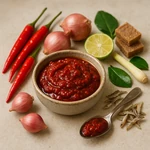
Cajun sauce
Add a spicy touch to grilled meat, fish, or vegetables with Cajun sauce. In this article, you will find its history, tips for use, and simple recipes for perfectly seasoning your dishes.

How to store sauces, pastes, and noodles: so they don't lose flavor or texture
For Asian sauces, pastes, and noodles, it's often not about whether they are "still edible." Much earlier, their aroma, flavor purity, or texture can change – and thus affect the overall outcome of the dish. The article provides a practical system for storing opened sauces and pastes at home, what to watch for with dried noodles, and how to avoid the most common mistakes.