Česky (CZK)
 Slovensky (EUR)
 Deutsch (EUR)
 Austria
 Belgium
 Bulgaria
 Croatia
 Denmark
 Estonia
 Finland
 France
 Germany
 Greece
 Hungary
 Italy
Italy Latvia
 Lithuania
 Luxembourg
 Netherlands
 Poland
 Portugal
 Romania
 Slovenia
 Spain
Spain Sweden










Herbs for Soup: Turn a Plain Broth into a Fragrant Asian-Style Bowl
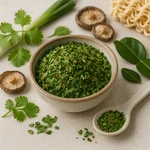
In many Asian soups, the first impression is the aroma rising from the bowl. You might be working with a long-simmered stock — or you might be assembling dinner in ten minutes. Either way, herbs can do the same job: add lift, freshness, and a “pulled together” feel that makes the broth taste more intentional.
The key is timing. Herbs are delicate compared to aromatics like ginger or garlic. Use them too early and you’ll flatten their fragrance; use them too late and they won’t bloom. The good news: once you understand a few simple rules, you can reliably upgrade everything from clear broths to spicy-sour soups and instant noodle bowls.
🌿 What “soup herbs” actually mean
When cooks say “herbs for soup,” they usually mean one of two things:
- Fresh finishing herbs added at the end or directly into the serving bowl (think cilantro, Thai basil, mint, scallions).
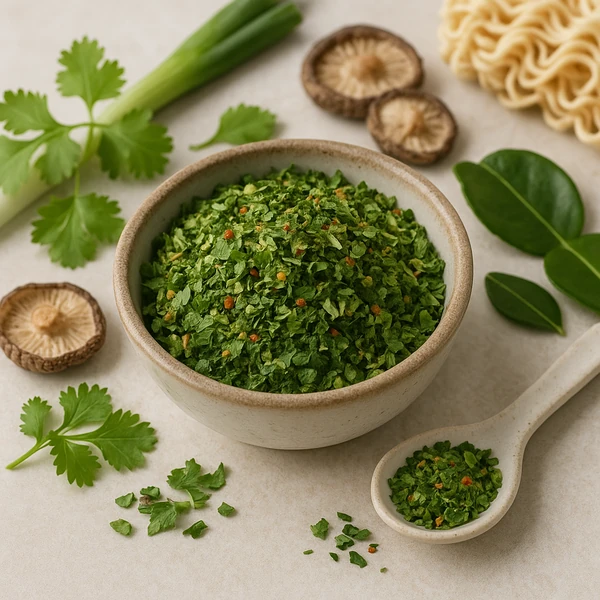
- Dried herb mixes or single dried herbs used to gently perfume a broth (useful for weeknight cooking, pantry soups, and noodle bowls).
In Asian-style soups, herbs often play a different role than they do in many Western broths. They’re not just background seasoning — they create contrast. A rich, savory, umami-heavy broth feels lighter when it’s topped with something green and aromatic.
👃 What herbs change in the bowl (flavor and aroma)
Herbs influence soup in three practical ways:
- Aroma first: the scent hits you before the first sip, so even a simple broth feels more satisfying.
- Freshness and balance: herbal notes can soften “too salty,” “too heavy,” or “too one-note” soups.
- A cleaner finish: herbs help the aftertaste feel brighter — especially useful with instant noodles, concentrated soup bases, or very fatty broths.
⏱️ When to add herbs (so they don’t disappear)
Timing matters more than quantity. Use this as a reliable framework:
Dried herbs: steep, don’t boil
- Best moment: last 1–3 minutes of cooking, or steep off the heat for 3–5 minutes.
- Why: a hard boil drives off the most pleasant aromatic compounds.
- How much: start small (a pinch per bowl), then adjust. Dried herbs concentrate quickly once hydrated.
Fresh herbs: add in the bowl for maximum fragrance
- Best moment: directly into the serving bowl, then pour hot broth over the top.
- Exception: sturdy parts like cilantro stems or sliced scallion whites can simmer briefly to build a gentle base, while leaves go in at the end.
🍜 Herb pairings that work especially well in Asian-style soups
You don’t need an exact recipe to create a “fits together” flavor profile. Think in soup styles, then pick herbs that match the direction.
1) Clear, savory noodle soups (ramen-inspired, chicken broth bowls)
- Great herbs: scallions (greens), cilantro, mild dried herb blends, a little parsley if you want neutrality.
- Why it works: these herbs brighten without fighting soy-leaning, savory broths.
2) Spicy-sour soups (tom yum–style, hot-and-sour–style)
- Great herbs: cilantro, mint, Thai basil (added at the end), plus optional herb stems simmered briefly.
- Why it works: spicy and sour flavors love a fresh herbal top note — it keeps the bowl “drinkable,” not aggressive.
3) Rich and creamy soups (coconut-based broths, laksa-like bowls)
- Great herbs: cilantro, Thai basil, scallions; go lighter on dried mixes.
- Tip: add herbs in the bowl, not in the pot, so their freshness cuts through richness.
4) Mushroomy, umami-heavy broths
- Great herbs: scallions, cilantro stems (brief simmer), mild dried herbs in small amounts.
- Why it works: herbs prevent deep umami broths from tasting “dense.”
🧂 A practical “herb finishing” formula for any soup
If your soup tastes fine but smells flat, try this quick method:
- Build the base: get salt/umami where you like it first (broth, soup base, seasoning).
- Add dried herbs gently (optional): a pinch, then steep 3–5 minutes off heat.
- Finish with fresh herbs in the bowl: a small handful of chopped herbs, then pour the hot soup over them.
This approach is especially effective for quick noodle bowls because it adds “fresh-cooked” aroma without extra cooking time.
❄️ Storage and handling tips (so herbs stay fragrant)
- Dried herbs: keep airtight, away from steam and sunlight. If you store them near the stove, humidity will dull the aroma faster.
- Fresh herbs: treat them like flowers — trim stems and keep in a glass with a little water, loosely covered. This often keeps cilantro and similar herbs usable for longer.
- Prep ahead: chop herbs right before serving. Pre-chopped herbs lose aroma quickly (even in the fridge).
✅ Common mistakes (and easy fixes)
- Boiling herbs for too long: your soup may taste “green” but won’t smell fresh. Fix: add herbs at the end or in the bowl.
- Adding a big handful at once: herbs should lift, not dominate. Fix: start small, taste, then add more.
- Using only dried herbs when the soup needs a fresh finish: dried herbs add background; fresh herbs add brightness. Fix: even a little scallion or cilantro on top can change the whole bowl.
- Forgetting texture: herbs are also a garnish. Fix: keep some leaves whole or roughly torn for a more appealing bowl.
🍲 Quick idea: 8-minute upgrade for instant noodles
If you’re making instant noodles, you can make them taste far more “made” with minimal effort:
- Cook noodles as usual.
- In the bowl, add a pinch of dried herbs or a small handful of fresh herbs (or both).
- Pour the hot broth over the herbs, wait 30 seconds, then stir and taste.
If you like heat, add chili at the very end so the herb aroma stays noticeable.
Our picks (what to keep in your pantry)
- A mild dried herb blend for quick broths and noodle bowls.
- Dried scallion or chives when you want a “green” note without fresh prep.
- One fresh herb you actually use (cilantro, mint, Thai basil, or scallions) for finishing.
Related categories (for building soup bowls at home)
- Noodles for soup bowls (wheat noodles, rice vermicelli)
- Soup bases and pastes (spicy-sour, aromatic concentrates)
- Seaweed and mushrooms for extra umami
FAQ
Are dried herbs “worse” than fresh herbs?
No — they do different jobs. Dried herbs add gentle background aroma; fresh herbs add bright, vivid fragrance. Many great bowls use both.
Can I add herbs to the pot and reheat the soup later?
You can, but expect the aroma to fade. For leftovers, reheat the soup plain and add a fresh herb topping right before eating.
My soup tastes salty. Can herbs fix it?
Herbs won’t remove salt, but they can make the soup feel less heavy by adding freshness. If it’s truly oversalted, dilute with unsalted broth/water and rebalance, then finish with herbs.

Recommended products1
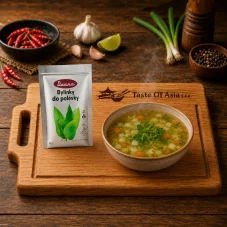

Drana Soup Herbs 15 g
Read next
If you want to continue with the same topic, here are more related articles to explore: