


 Česky (CZK)
 Slovensky (EUR)
 Deutsch (EUR)
 Austria
 Belgium
 Bulgaria
 Croatia
 Denmark
 Estonia
 Finland
 France
 Germany
 Greece
 Hungary
 Italy
Italy Latvia
 Lithuania
 Luxembourg
 Netherlands
 Poland
 Portugal
 Romania
 Slovenia
 Spain
Spain Sweden










Asian noodle guide: how to choose the right type for soup, wok, and cold bowls
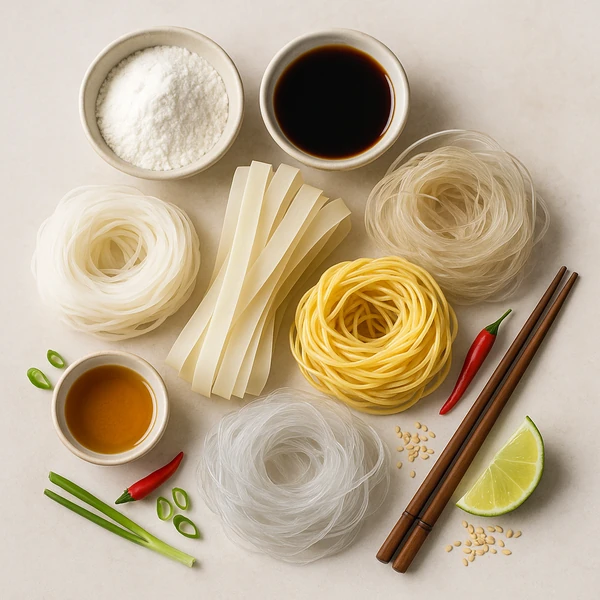
Asian noodles are not a single universal ingredient, but a large family of products. They differ in base (wheat, rice, buckwheat, starch, konjac), thickness, elasticity, and how they react to broth, sauce, or quick stir-frying. When you know what to expect from noodles, you will choose much more easily—and stop struggling at home with clumped or overcooked "mash."
🌶️ What Asian noodles are and why you can't lump them all together
The word "noodle" is often used in a European context as a broad label for anything long in a bowl. In Asian cooking, however, it is more accurate to think of noodles as a tool: noodles can carry broth, sauce, dip, and the texture of the dish itself. That is why it is essential, what they are made of, how thick they are and what preparation they withstand (cooking, soaking, blanching, rinsing, quick stir-frying).
The most practical question to start with is not "which are the best," but: "What do I expect from them?" Do I want a noodle that holds up in broth? Or a delicate noodle that quickly coats with sauce? Or cold noodles that remain pleasantly elastic after cooling?
If you want a quick guide by type, it is good to start with the category noodles.
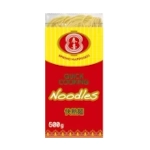
Five main families: what noodles can be made of and how it affects texture
1) Wheat noodles: elasticity, "bite," and resistance in broth and pan
Wheat noodles are generally more elastic and dense. They often withstand stirring and longer contact with hot broth well, making them suitable for bowls where eating is slower and the noodles need to "hold" the heat. Typically, this includes ramen noodles, udon, and many Chinese styles.
For home orientation, it's a good choice wherever you want the certainty that noodles won't fall apart after some time in the broth. A practical guide is the category wheat noodles.
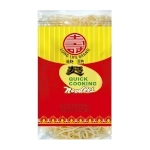
🍳 2) Rice noodles: finer character and quicker preparation (but sensitive to overcooking)
Rice noodles tend to be finer, often cook or soak faster, and are typical in many Southeast Asian dishes. It’s important to keep in mind that many rice noodles are sensitive to overcooking — the difference between "just right" and mushy mess can be small.
Their advantage is the ability to work in lighter bowls (e.g., with herbs) and in the wok if timed properly. For quick orientation, the category rice noodles helps.
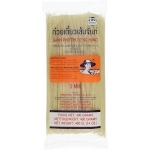
3) Buckwheat noodles: earthier taste and important composition detail
Buckwheat noodles (often called soba) have their own, earthier flavor profile. However, for soba noodles, the ratio of buckwheat to wheat matters a lot—the word "soba" alone does not guarantee that it’s a purely buckwheat product. If you buy them for taste or composition, read the label and don’t rely on the name alone.
4) Starch and glass noodles: translucence, slipperiness, and specific elasticity
Starch (glass) noodles are often smooth, elastic, even glassy after cooking. They behave differently from flour noodles: they give the dish a slippery, “clean” texture, which is a distinct experience on its own.
If you’re looking for this type, navigate in the category glass noodles.
5) Konjac and other special variants: when you seek a different “function” than a classic noodle
Besides classic flour and starch noodles, there are also special low-carb or konjac variants. It’s good to expect that these aren't just "one-to-one" substitutes: the goal is a different function and eating style, so the expected texture and usage may differ.
A practical guide is the category konjac noodles.
The most important types of noodle dishes: soups, wok, “dry” bowls, and cold noodles
Asian noodle dishes are not one technique. From a home cooking perspective, it pays to think in four "worlds": noodle soups, stir-fried wok dishes, dry/mixed/dipped noodles and cold noodles. Each world demands different qualities of the noodle: sometimes it must hold up in broth, sometimes quickly coat with sauce, or stay elastic after cooling.
How to choose noodles based on the dish (and why this is more reliable than choosing by name)
For soup and broth bowls: resistance to overcooking matters
For soups, ideal noodles are those that maintain shape even after contact with hot broth and don’t start tearing or falling apart. Typically, this includes ramen, udon, sometimes soba in lighter Japanese broths, rice noodles for phở (Vietnamese beef noodle soup) or bún bowls (rice noodles with herbs and other ingredients), and also some glass noodles for lighter clear soups.
A practical rule: if you know the bowl will be eaten over some time and noodles will sit in broth longer, choose more elastic types (often wheat). If you want a lighter, herbaceous profile, rice variant often makes sense—just watch for sensitivity to overcooking.
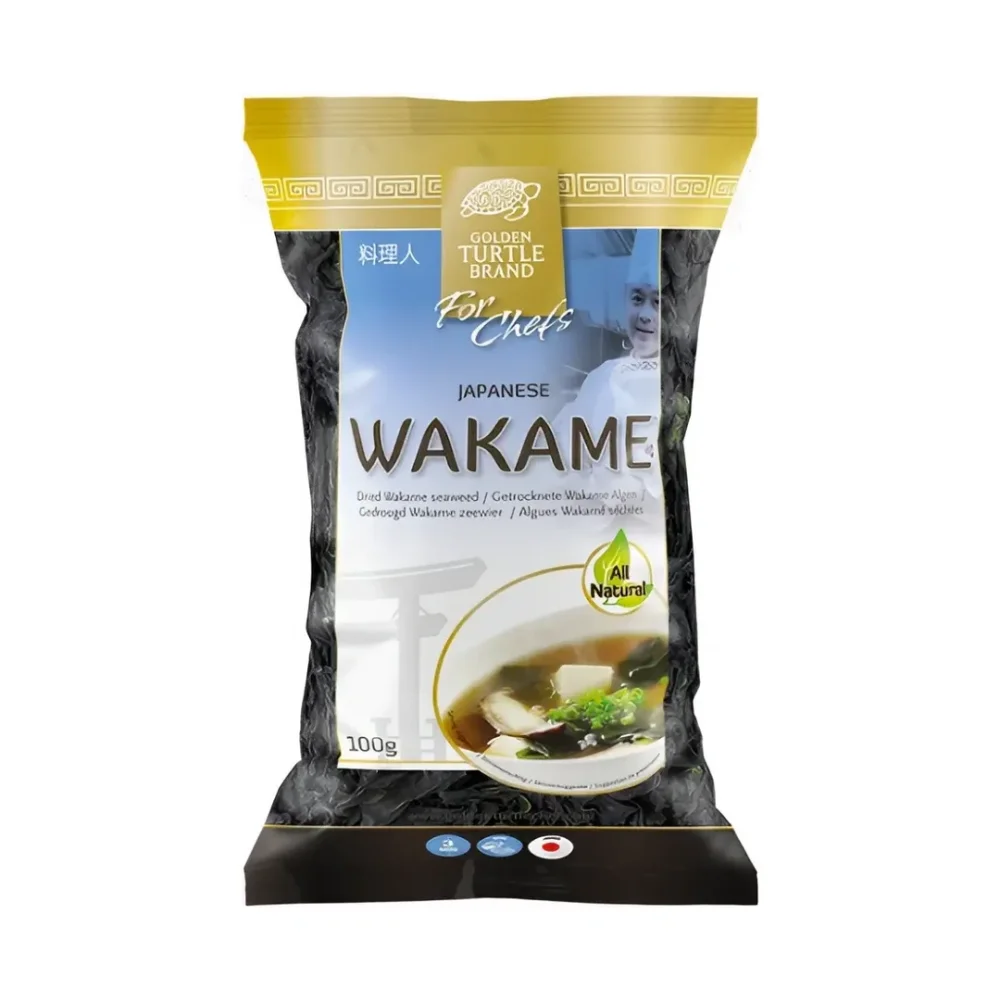
For flavor layering in Japanese bowls, seaweed can also be useful, for example dried wakame, which softens after soaking and works well in soups and salads.
For stir-fry and wok dishes: noodles must survive stirring and brief intense heat
Stir-fry means quick frying at higher heat with constant stirring. For the wok, you need noodles that withstand contact with fat, sauce, and the pan while not falling apart. Wheat wok noodles, wider rice noodles, sometimes ramen noodles with drier preparation work well; glass noodles are used when a lighter, more elastic texture is desired.
Key point for wok: noodles must not be "fully cooked" already in the pot. They are often just pre-prepared and finished in the pan to stay elastic and not fall apart when stirred.
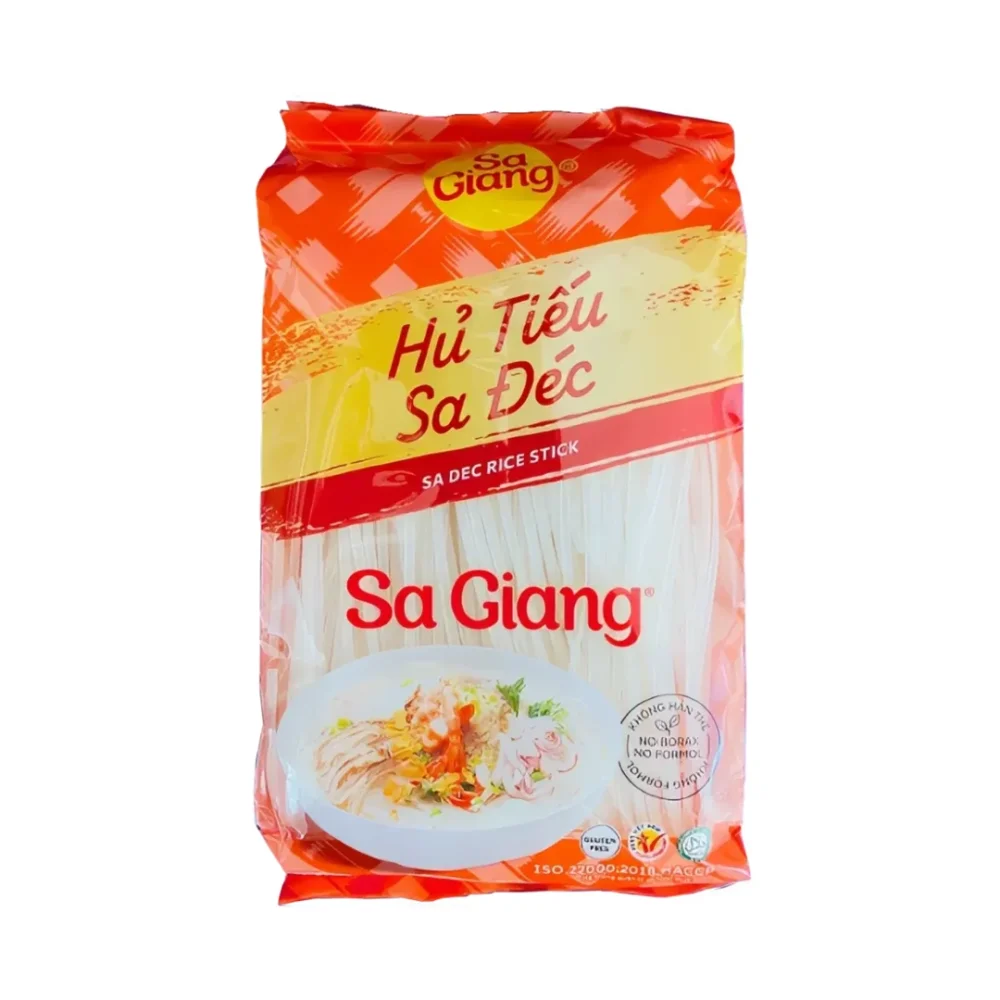
A concrete example of rice noodles that combine rice flour and starch and can nicely coat with sauce are tapioca rice noodles Sagiang. These "hybrid" variants often clearly show that the base itself (rice + starch) moves texture somewhere different from purely flour noodles.
Thai pad thai (rice noodles; the result is greatly helped by proper timing and not over-wet sauce) or Indonesian mie goreng (fried noodles with typically darker, often sweeter profile, where kecap manis, chili, and eggs may play a role) also belong to wok dishes. From the noodle perspective, they are good examples that the same "fried noodles" can have a completely different flavor logic.
Dry, mixed, and dipped noodles: sauce vs. texture shows the most here
In "dry" bowls (where there is little sauce or noodles are even dipped), the noodle texture stands out more than anywhere else. Often noodles that remain smooth and elastic work here, and sauce just coats precisely, doesn’t drown.
A practical tip: start with a smaller amount of sauce and add gradually. Delicate noodles easily get lost in heavy sauce; stronger noodles, on the other hand, need either more sauce or a “juicier” topping so they don't feel dry.
🍳 Cold and seasonal noodles: quality and proper preparation show after cooling
For cold dishes, you need noodles that retain a pleasant texture even after cooling. Often they are rinsed (to stop cooking and wash off excess starch) and manipulated so noodles don’t stick together in one block. Choice of type is truly essential here: some noodles are excellent hot, but become hard or "tired" when cold.
How to recognize better quality noodles (regardless of brand)
Quality is not just a question of price. For dry noodles, good signs generally are:
- clearly stated composition without unnecessary confusion,
- a reasonably short ingredient list,
- typical ingredient aroma upon opening,
- after cooking good texture (not a "quick mush"),
- ability to hold shape even after brief time in sauce or broth.
For some types, specific details must also be watched:
- Soba: look for the buckwheat to wheat ratio depending on what taste you expect.
- Ramen: elasticity, resistance to overcooking, and clean “bite” are important.
- Rice noodles: after proper preparation, should remain elastic and separate, not falling apart into a mushy mass.
🍳 First use at home: a simple procedure that works across types
1) First, choose noodles according to their role in the dish
It's useful to clarify beforehand whether the noodles should be:
- the base of a soup bowl (must withstand heat and time),
- a carrier of sauce in the wok (must survive stirring and finishing in the pan),
- or texture in a cold bowl (must not turn into a glued block after cooling).
Only then consider the specific “noodle name.” The approach "I'll buy noodles that look Asian" is often the fastest way to disappointment.
2) Prefer to undercook noodles and finish them in the sauce or broth
One of the most common home mistakes is overcooking in the pot and then "finishing" in the wok or broth. The result is usually disintegration, clumping, or a gummy mass. Practically, this means: leave some margin and finish noodles in the target environment (pan/broth), where they absorb the dish's flavor.
3) After draining, deal with sticking: either use quickly, or gently separate
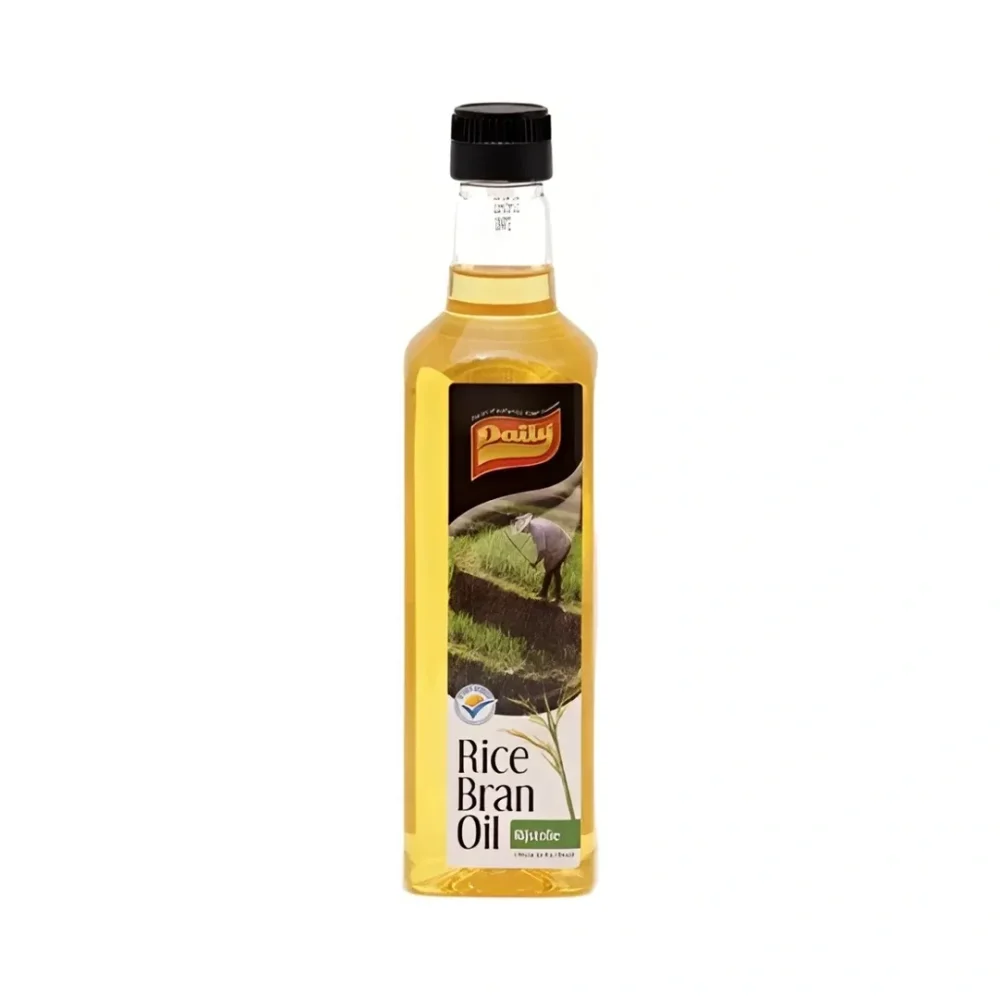
Some noodles need to be either used immediately after draining or gently separated, otherwise they clump together into one block. If a slight greasing makes sense, use an oil that doesn't overpower the taste of other ingredients—for example rice oil it can be a practical choice where you only want 'technical' help against sticking and not a strong aroma.
4) The sauce and noodles must be in the right ratio
Delicate noodles can easily drown in a heavy sauce, while thick noodles can seem dry if there is too little sauce. At home, a simple check helps: the sauce should coat the noodles without turning them into soup, unless that is the intention. If you are unsure, add sauce gradually and stir continuously.
Most common mistakes when working with noodles (and quick fixes)
- Choosing by the name of the dish, not by the function of the noodle
The same noodles do not behave well in pad thai as in ramen, and the same type does not suit a cold soba bowl as it does a thick wok dish. Fix: always clarify whether the noodles should withstand broth, stir-frying, or chilling.
- Overcooking before final preparation
Noodles are often overcooked in the pot and then 'ruined' in the sauce or broth. Fix: pre-cook the noodles so they can be finished in the dish.
- Insufficient separation after draining
Some noodles stick together into a block after draining. Fix: use quickly, or separate gently and work with them without long waiting.
- Wrong sauce-to-noodle ratio
Delicate noodles get lost in heavy sauce, thick noodles need more 'flavor carrier.' Fix: adjust the amount of sauce gradually and choose noodles according to how intense and thick your dish is.
- Ignoring the ingredients
A typical mistake is assuming all rice noodles are gluten-free or that every soba is purely buckwheat. Fix: read the label – for noodles, composition and style matter, not just the name.
What to take away from the article
- Asian noodles are not a single ingredient: the key is the material (wheat/rice/buckwheat/starch/konjac) and the intended use.
- For home selection, the most reliable question is: should they be for broth, wok, or cold dishes?
- The best texture often comes from noodles not being 'done' in the pot, but finished in the dish.
- Avoid two classic problems: overcooking and sticking after draining.
- For some types (e.g., soba) it is crucial to read the ingredients and not rely on the name.

Read next
If you want to explore this topic further, continue with these related blog guides and articles:
