
Sugar
Products


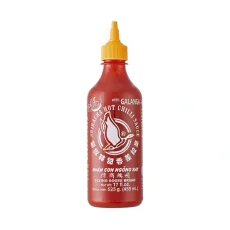
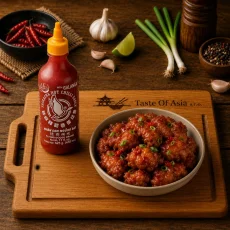
Flying Goose Chilli Sriracha sauce with Kaffir Lime 455 ml


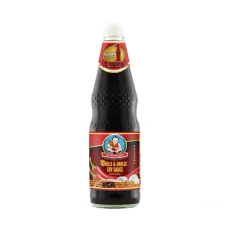
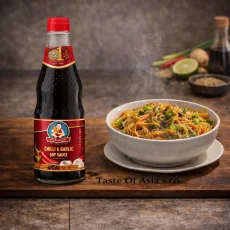
Dek Som Boon Soy sauce with chili and garlic 700 ml


Dek Som Boon Sweet Chili sauce 700 ml


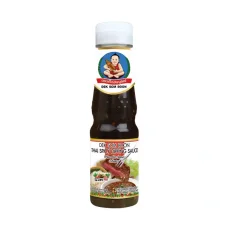
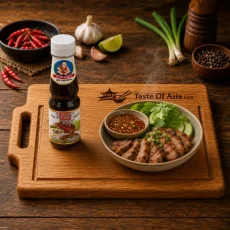
Dek Som Boon Spicy Dip Sauce Thai Style 135 ml


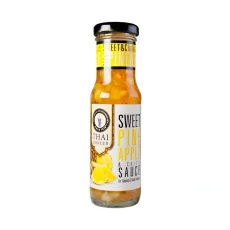
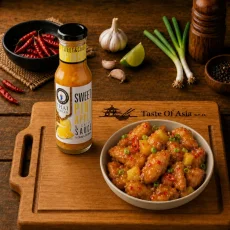
Thai Dancer Sweet pineapple chili sauce 150 ml
Articles

Coconut sugar: what it is, how it tastes, and when it makes sense in Asian cuisine
Coconut sugar is important in Asian cuisine mainly because it sweetens differently than regular white sugar: it adds not just "pure sweetness" but also a warmer, caramel tone. To make it work well, you need to understand two things: it is not made from coconut flesh and its taste is not "coconut" in the sense of coconut milk. In the article, we will show which dishes it suits, how to start using it at home, and what to watch out for when choosing and using it.

How to read the ingredients in Asian sauces: a short guide that will save you from bad purchases
In Asian sauces, the small print on the label often matters more than the big name on the front. When you learn to read the ingredients practically (not academically), you’ll quickly recognize whether you’re buying a fermented "base" for cooking or a ready-made flavoring full of sugar, starches, and aromas. The result: sauces that make sense for your dishes and less disappointment at home.

How to work with coconut in savory and sweet dishes: milk, cream, desiccated coconut and oil
Coconut in the kitchen does not mean “one ingredient.” Under the same word are hidden coconut milk, cream, concentrated creams, desiccated coconut, oil, sugar and other products – and each behaves differently. In this guide you will clarify the differences, learn to read labels and gain practical rules for how to use coconut in curry, soups and desserts so that the food is neither watery nor excessively “coconutty.”

Trade influences in Asian cuisine: how ingredients, techniques, and flavors spread along routes
Asian cuisines were shaped by more than just climate and local agriculture – trade also played a crucial role. Spices, sugar, tea, citrus fruits, as well as techniques for working with grains and fermentation spread both by sea and land. In this article, we will show exactly what "trade influences" mean on the plate and how this perspective can help you better understand the differences between regions and cook smarter at home.

Dry Petha
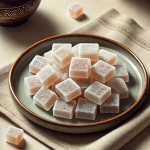
Discover the secrets of a traditional Indian sweet – dry peth. This delicious dessert, known mainly in Agra, is made from white pumpkin and cooked in sugar syrup, which gives it a unique texture – a crunchy surface and a juicy interior. The history of petha dates back to the Mughal Empire, and its production is a true art form. Would you like to know more about its origins and uses? Read our article and find out how dry petha is prepared and what its modern uses are!

Fish sauce
Enrich your kitchen with fish sauce, which brings umami flavor to every dish. Discover its uses in soups, noodles, and other Asian dishes.

Garlic Marinade: How to Get the Most Out of It (Especially in Asian-Style Cooking)
Garlic marinade is one of those kitchen shortcuts that doesn’t feel like a shortcut: it can make chicken, pork, tofu, or vegetables taste deeper, smell incredible, and stay juicier—fast. The trick is knowing how garlic behaves with heat, how long to marinate different ingredients, and how to balance sweet, salty, and acidic notes for Asian-inspired results.

Kai Look Kuey (Thai Chicken Rice Dumplings) with Tamarind Dipping Sauce
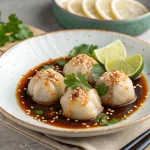
Soft steamed rice dumplings filled with savory chicken and served with a bright sweet-sour tamarind sauce—this Thai-style snack is surprisingly simple to make at home and perfect for sharing.

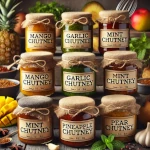
Chutney
Discover the magic of chutneys, sauces that will liven up any dish. Whether you like sweet mango, spicy garlic, or refreshing coriander, each variety adds a unique flavor. Learn how to use them with your favorite foods and discover new flavors.

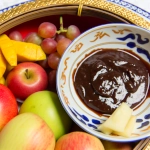
Fruit dip
What is fruit dip and why is it so popular? Discover how it can add a new dimension of flavor to fruit! From fresh yogurt to creamy sweet varieties—get inspired and find out why fruit dips are a hit at every party and a favorite part of healthy snacks.

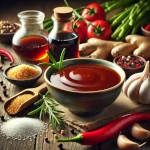
Sweet and sour sauce
Discover the secrets of sweet and sour sauces. Learn how to make them and use them in various dishes, from fried foods to noodles and dips. This article will show you how to add new dimensions to your favorite meals.

Thai Kai Yang (Grilled Chicken) Recipe
Kai Yang is Thailand’s iconic grilled chicken: deeply aromatic from garlic, coriander and lemongrass, juicy inside, and lightly charred outside. This recipe gives you a practical, grill-friendly method plus a quick Nam Jim Jaew dipping sauce to serve alongside sticky rice.

Recipe for Fried Bananas Kloay Kaak
Kloay Kaak fried bananas are a delicious sweet dessert with a crispy coating and a soft banana filling. This Thai dish is ideal for a quick and tasty treat. Perfect for any occasion!

Homemade Filipino Tocino (Sweet-Cured Pork) Recipe
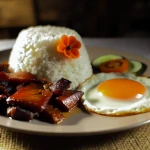
Tocino is a Filipino classic: thin slices of pork cured in a sweet-salty marinade, then pan-cooked until glossy and lightly caramelized. This homemade version is easy to prep ahead and perfect for a comfort-food breakfast with rice and a fried egg.

Tamarind: What It Tastes Like, How to Use It, and Which Form to Buy
Tamarind is the ingredient behind that distinctive sweet-sour “tang” in many Asian dishes—from Pad Thai-style sauces to sour soups and chutneys. Here’s what tamarind actually is, how different tamarind products compare, and how to get the flavor right without guesswork.

Sweetened Condensed Milk
Sweet condensed milk – a creamy sweetness with endless uses! Ideal for desserts, drinks, and baking, it also has a rich history that is worth exploring.

Peanut butter
Immerse yourself in the world of this delicious ingredient, which not only tastes great but also offers a host of health benefits. Discover how it is made and what advantages it brings to your health and everyday diet!

Sushi rice
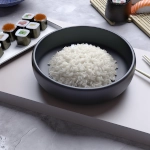
Discover the secrets of perfect sushi rice! In our new article, you will learn everything you need to know—from its history and cultivation to proper preparation and tips for use. Whether you are a sushi lover or a beginner, our advice will help you prepare the best sushi right at home. Don't miss it! Click and read more!

Rice Vinegar
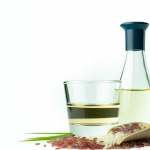
Rice vinegar is the secret to authentic Asian flavors! In our article, you will learn how to use it in cooking, why it is ideal for sushi, and how it can enrich your recipes. Read on to find out how this unique vinegar will take your dishes to the next level!

Mochi
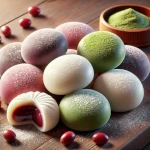
Discover delicious and traditional Japanese delicacies! Mochi, with its soft texture and various fillings, is the perfect way to enjoy a sweet moment. This delicate rice delicacy with anko or matcha filling will win you over with its taste and texture.

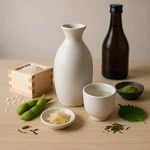
Sake and Asian Alcohol for Beginners: What Is What, Why It Gets Confused, and How to Use It in Cooking
“Rice wine” sounds simple, but in Asian cuisine, this term covers several different things – and mixing them up in recipes creates unnecessary confusion. In this guide, you'll clarify what sake is, what mirin is, why they are often used together, and how to practically incorporate them into home cooking to make dishes more delicate, refined, and harmoniously flavored.

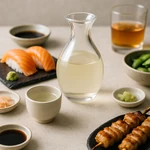
How to pair sake (and related rice wines) with Asian food: a practical guide without confusion
Pairing sake with food is surprisingly easy – until the topic of "rice wine" comes up. This is where most misunderstandings arise: sake does not behave like regular grape wine, mirin is not "sweet sake," and some bottles labeled as cooking wine have a completely different role in the kitchen. In the article, we will clarify the terms and then translate it into practice: when sake works naturally at the table, when it makes more sense to focus on sweetness and glaze (mirin), and when acidity (vinegar, citrus, tamarind) or tea can help you with Asian dishes.

Pandan plant
Discover the secrets of this exotic plant that will give your dishes a unique aroma and flavor. Immerse yourself in the fascinating history, uses, and recipes featuring pandan, which will open up new gastronomic horizons!

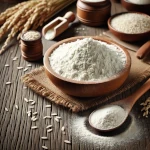
Glutinous rice flour
Discover the world of rice flour! In this article, you will learn about its history, production, and use in Asian cuisine and gluten-free diets. Find out about its health benefits and how to use it in various dishes.

Panang Curry (Thai-Style) – Creamy Coconut Curry with a Peanut Note
Panang curry is a Thai classic: rich coconut sauce, aromatic curry paste, and a gentle nutty depth that makes it feel luxurious without being complicated. This home-friendly version works with chicken, tofu, or seafood and comes together fast enough for a weeknight dinner.

Rose water
Discover the magic of rose water! This unique product brings a delicate floral flavor to your kitchen that will enrich your desserts, drinks, and savory dishes. In our article, you will learn how rose water is made, its rich history, and get inspiration for new recipes. Immerse yourself in the world of floral scents and refresh your kitchen!

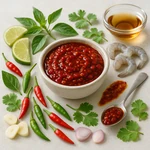
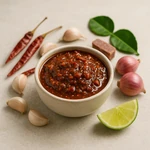
The Sriracha Phenomenon
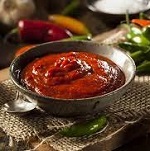
Currently one of the most popular chilli sauces in the world. Recipe for homemade Sriracha!

Sweetened rice vinegar
Sweetened rice vinegar is a secret ingredient that will give your dishes a unique sweet and sour taste! In this article, you will learn how to best use it in the kitchen, what flavor combinations it offers, and in which recipes you can try it. Explore the possibilities of this Asian specialty and get inspired for your next culinary creations.

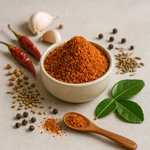
New ground spices: how they taste and what they are suitable for
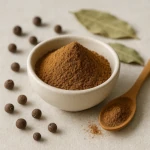
Ground allspice (often called “allspice powder”) is one of those quiet pantry staples that can transform a dish with just a pinch. It’s sweet-warm, intensely aromatic, and surprisingly versatile—useful not only in Western soups and pickling, but also as a subtle depth booster in Asian marinades, stir-fry sauces, and rice.

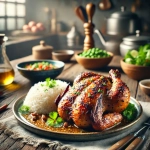
Sauce for Chicken and Rice: How to Nail an Asian-Style Flavor at Home
Chicken with rice can be a quick weeknight dinner or true comfort food—the difference is the sauce. Below you’ll find practical “building blocks” for common Asian-inspired sauce styles (bright and tangy, soy-umami, curry, or tomato-spiced), plus easy ways to thicken, balance flavors, and keep chicken juicy.

All about vinegar
Where did the vinegar come from? What are the typical vinegars in Asia and how are they used?

Worcester
Want to know how Worcester sauce can spice up your favorite recipes? Read our article and find out how this versatile condiment adds unique flavor to your dishes!

Sesame oil
Sesame oil is a great way to enrich your dishes with a rich flavor while reaping health benefits. Full of healthy fats and antioxidants, this oil is ideal for seasoning, marinating, and cooking. Try it in Asian and European recipes and discover how it can enrich your culinary experiences.

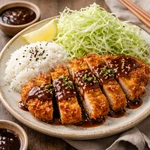
Recipe for Tonkatsu with Sauce
Discover the magic of Japanese cuisine with this recipe for a crispy dish that will amaze you with its simplicity and great taste. When tender pork chops meet a delicious sauce, the result is a dish that is perfect for any occasion. Be inspired by this recipe and experience a unique combination of flavors right in your own kitchen!

All about Oyster Sauce
Oyster sauce is one of the cornerstones of Asian cuisine. In this article, we will tell you its history, production process and some interesting tips!

What to watch out for in coconut products: milk, cream, cream, oil, and flour are not the same
Coconut is extraordinarily versatile in tropical Asian kitchens - and that's exactly why there is a lot of confusion around it. Coconut water, coconut milk, cream, “cream,” oil, or coconut flour behave completely differently: they differ in fat content, amount of water, texture, and whether they are intended for cooking, beverages, or desserts. This article gives you a clear map of coconut products and practical rules to help you choose the right type for curry, soups, desserts, and baking.

What to replace fish sauce, miso, mirin and other essentials with: honestly, functionally and without myths
Substitutes for Asian ingredients are a great backup plan – but this is exactly where the most common half-truths like “it’s the same” arise. In practice you often can’t replace the name, but rather the function in a specific dish: saltiness, umami, fermented character, gentle sweetness or a “rounding” of flavor. In the article you’ll find a simple decision system and honest, practical substitute options for fish sauce, soy sauce, miso and mirin – including when it’s better to admit the result won’t be the same.

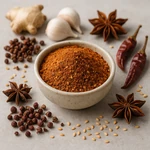
Chinese-Style Seasoning Mix: What It Tastes Like, What It’s For, and How to Use It Well
“Chinese seasoning” is a popular shortcut for fast stir-fries: it brings a warm, savory aroma and that familiar wok-style character even when you’re cooking with everyday ingredients. The trick is knowing when to add it, how much to use, and how to balance it so your dish doesn’t end up flat—or overly salty.

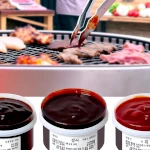
Korean BBQ
Discover the magic of Korean BBQ! With delicious sauces and tasty side dishes, you'll enjoy an unforgettable grilling experience full of flavors you'll love.

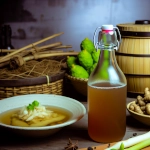
Korean Plum Tea
Discover the secrets of Korean plum tea! A delicious, refreshing drink with a rich history that will enchant you with its delicately sweet and sour taste. Find out how it is made, what its beneficial effects are, and why this tea is so popular in Korea.

Fermented spirit vinegar
Discover the secrets of fermented spirit vinegar! This versatile helper can be used not only in the kitchen, but also for cleaning and gardening. In this article, you will learn how it can save you money, replace chemical cleaning products, and even contribute to a more sustainable household.

Tapioca pearls
Discover the magic of tapioca pearls that have taken the world by storm! Find out how they are made, why they are so popular in Asian cuisine, and how you can use them in desserts, drinks, and other dishes. In our article, you will learn everything about their production, history, and great recipes that you will love.

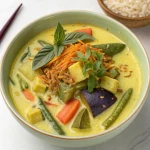
Sayur Lodeh: Indonesian Coconut Vegetable Curry (Easy, Flexible Recipe)
Sayur Lodeh is a comforting Indonesian-style vegetable curry made with coconut milk, aromatics, and a mix of everyday vegetables. It’s naturally plant-based, easy to adapt to what’s in your fridge, and tastes even better with steamed rice.

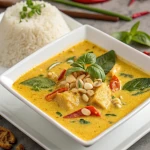
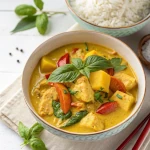
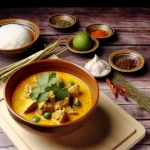
Thai Yellow Curry with Nam Prik Kaeng (Creamy Coconut Chicken Curry)
This Thai-style yellow curry is comforting, fragrant, and weeknight-friendly: rich coconut milk, tender chicken, and just enough heat from Nam Prik Kaeng curry paste. Serve it soupy over rice or simmer it down into a thicker curry—either way, it’s a bowl of pure warmth.

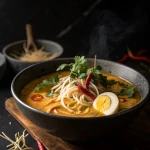
Coconut Curry Noodle Laksa (Easy, Creamy & Comforting)
This coconut laksa is a Southeast Asian-style noodle soup that hits the sweet spot between creamy, fragrant and gently spicy. It comes together fast on a weeknight, and you can make it with chicken, prawns, or tofu—whatever you have.

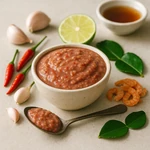
Nam Prik Kapi (Thai Shrimp Paste Chili Dip): the Bold Classic That Wakes Up Rice and Veg
Nam Prik Kapi is a punchy Thai chili dip built around fermented shrimp paste, lime, and fresh chilies. A small spoonful adds salty depth, citrus brightness, and serious heat—perfect for turning plain rice, crisp vegetables, and simple fish or eggs into a complete, satisfying meal.

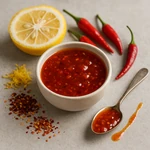
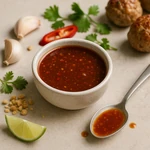
Sweet-Spicy Chili Sauce with Yuzu: Citrus Heat That Lifts Any Dish
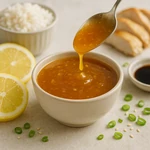
Sweet-spicy chili sauce is already a kitchen shortcut for instant flavor—but add yuzu and it becomes something brighter and more versatile. The gentle sweetness helps it cling to food, the chili brings warmth, and yuzu adds a crisp citrus aroma that can make fried, grilled, or rich dishes taste lighter and more defined.

Chili sauce
Want to add a new dimension to your dishes? Chili sauces will liven up grilled foods, tacos, soups, or salads. With different levels of spiciness, everyone can find the right one for them. Whether you're looking for a mild flavor or intense heat, chili sauces will give your dishes an exciting taste experience.

Black teas
Black teas offer a rich palette of flavors and aromas that will draw you into the fascinating world of tradition and culture. Whether you like the delicate smokiness of Keemun, the earthiness of Pu Erh, or the fullness of Yunnan, each cup of black tea will enrich you with a new experience.

Cajun sauce
Add a spicy touch to grilled meat, fish, or vegetables with Cajun sauce. In this article, you will find its history, tips for use, and simple recipes for perfectly seasoning your dishes.

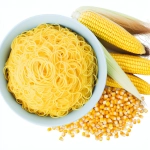
Corn noodles
Discover corn noodles – a healthy and gluten-free alternative to regular noodles! They are ideal for quick and tasty meals, full of fiber and easy to prepare. Read our article and learn more about their history, production, and uses in the kitchen!

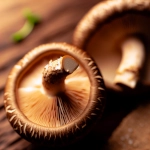
Shiitake mushrooms
Are you interested in how shiitake mushrooms can enrich your dishes? Read about their origin, unique flavor, and how to prepare them in various dishes. Discover everything you need to know about these mushrooms!

Mature vinegar
Discover the secrets of aged vinegar! How does this delicately fermented elixir affect the taste of your dishes, and what can it offer your kitchen? Find out how different vintages of vinegar bring unique properties and how you can use them to create perfect dishes. Read our article and get tips on how to incorporate aged vinegar into your everyday cooking!

Recipe for Adobo with Sauce
Discover the taste of the Philippines! Adobo is a traditional dish that combines unique ingredients and rich history. Try this delicious recipe that will transport you straight to the Philippines—perfect for any occasion!

Bò Kho (Vietnamese Beef Stew) – Fragrant, Slow-Simmered and Perfect with Baguette
Bò Kho is Vietnam’s beloved beef stew: tender chunks of beef cooked with lemongrass, warm spices like star anise and cinnamon, and a savory-sweet broth you’ll want to mop up with bread. This version is written for home cooks, with practical timing, substitutions, and serving ideas.


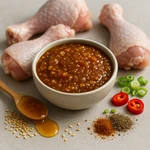
Spices for Honey-Glazed Chicken Drumsticks: How to Make a Sweet and Spicy Glaze
Chicken drumsticks are made for bold seasoning: the skin renders, the meat stays juicy, and a honey-forward spice mix turns the surface glossy and caramelized. This guide shows how to build (or use) a honey-spiced seasoning so your drumsticks come out sweet, savory, gently warm, and unmistakably “glazed”.

Ginger
Ginger is a wonderful natural remedy that will enrich your health and taste buds. Read about its benefits, how to use it in the kitchen, and what forms it comes in.

Light soy sauce
Want to know how to use light soy sauces in the kitchen? Read about their types, flavors, and best uses. Discover how this sauce will enrich your Asian dishes!

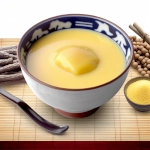
Custard
Discover the delicious world of custard—a creamy dessert that has won the hearts of gourmets around the world! What is the history of this silky temptation, where did it come from, and how did it become part of our favorite desserts? Read more about how custard is used in cooking and get inspired to make it at home!

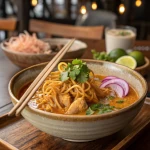
Khao Soi: Northern Thai Coconut Curry Noodle Soup (Recipe)
Khao Soi is a comforting Northern Thai curry noodle soup known for its creamy coconut broth, tender meat, and a crunchy noodle topping. This home-friendly version keeps the signature sweet-salty-spicy balance and the fun “mix-your-own” garnishes at the table.

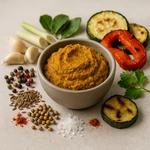
Seasoning for Grilled Vegetables: How to Choose a Blend (and Add an Asian Twist)
Grilled vegetables can taste effortlessly good—or surprisingly flat—depending on how you season them. This guide explains what makes a grill-friendly spice blend work, when to add it for the best aroma, and how to take the same vegetables in a more Asian direction using pastes, sauces, and smart finishing touches.

Barbecue seasoning: flavor that sticks to meat and vegetables
Great grilled flavor isn’t only about smoke and heat—it’s about how seasoning clings to the surface, browns evenly, and stays aromatic from the first flip to the final bite. Here’s a practical guide to choosing and using dry rubs, marinades, and finishing glazes, with simple ideas for adding an Asian-style punch to meat, tofu, and vegetables.

Seasoning for Chicken: How to Choose the Right Flavor (and When to Use a Paste or Sauce)
Chicken is one of the easiest proteins to flavor: it cooks quickly, absorbs aromatics well, and works in a pan, oven, or on the grill. The real question isn’t “which seasoning is best”, but which format and flavor style fits your dish—dry spice mix, curry paste, a ready-made sauce, or a quick marinade.

Typical Thai ingredients: what they taste like, what they are for, and how to use them at home
Thai cuisine is based on balancing contrasts: saltiness and umami, acidity, sweetness, spiciness, and herbal freshness. To make food taste "Thai," one spicy component is not enough – it is more important to know the role of each ingredient and how to work with it in small amounts. This guide provides an overview of typical Thai ingredients, their function in the dish, the main differences between similar products, and practical tips on how to start using them at home without unnecessary mistakes.

Yuzu Paste
Discover the secrets of yuzu paste—a citrus ingredient that will give your dishes a fresh and exotic flavor. Read on to learn how to use it in marinades, sauces, or cocktails and take your cooking to the next level!

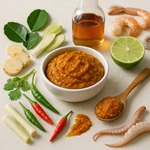
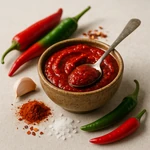
Chili sauces and chili pastes: how to understand them and use them correctly
"Chili" in Asian cuisine does not mean one universal sauce. Under the same word hide thin vinegar sauces for the table, thick fermented cooking pastes, fried and roasted mixtures with oil, chili oils, and coarse relishes. When you understand their role (not just spiciness), you will season more precisely and more often hit the flavor of a specific cuisine and dish.

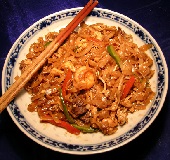
Fried Pad Thai noodles
Pad thai, phat thai nebo phad thai jsou smažené rýžové nudle, v Thajsku běžně prodávané na ulici, které si určitě zamilujete pro svou jednoduchou přípravu a skvělou chuť.

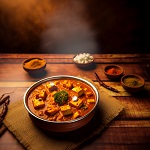
Recipe for Paneer Makhani
Let's cook a delicious paneer makhani together that will delight every foodie!

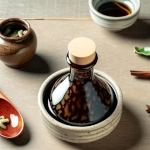
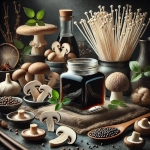
Soy mushroom sauce
Discover the magic of soy mushroom sauce – an indispensable addition to your kitchen. This sauce adds depth and umami flavor to any dish, ideal for stir-fries, soups, or marinades. Learn how to use it properly and what dishes you can enhance with it. Click on our article to find out more about the benefits and uses of this unique sauce!

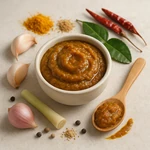
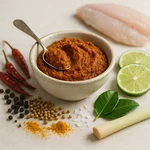
Maengda Chilli Paste: Thai Heat with a Distinct Aroma (and How to Use It)
Maengda chilli paste is one of those Thai pantry shortcuts that can make plain rice, noodles, or a quick stir-fry taste “finished” in seconds. It’s not just about heat—its signature is a bold, lingering aroma and a concentrated savoury profile. Here’s what “Maengda” means, what to expect from the flavour, and how to use it well at home.

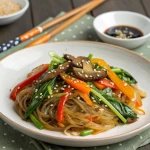
Recipe for Japchae with sauce
Discover a delicious recipe for Japchae with sauce – the perfect combination of rice noodles, fresh vegetables, and great flavor that will delight every lover of Korean cuisine.

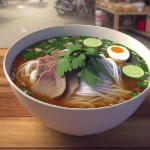
Vietnamese Pho Soup Recipe (Pho Bo or Pho Ga)
Pho is Vietnam’s iconic noodle soup: a clear, fragrant broth poured over silky rice noodles, topped with herbs, lime, and your choice of beef (pho bo) or chicken (pho ga). This home-friendly recipe focuses on the two things that matter most—building aroma in the stock and assembling bowls with fresh garnishes.

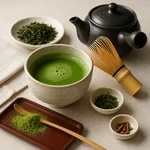
Matcha, sencha and other Japanese teas: how to understand them and how to drink them at home
For many people, Japanese teas are the first “serious” contact with green tea — and at the same time a source of confusion: why sencha sometimes tastes fresh and other times bold, what exactly matcha is (and why it’s not the same as the sweet mix for a matcha latte), and how to tell what you’re actually buying. In this guide you’ll sort out the basic terms, the differences between the main Japanese styles, and practical rules that will keep the tea from losing its flavor or meaning.

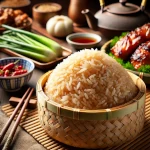
Sticky rice
Discover the secrets of sticky rice! Do you know how this type of rice changes traditional dishes? Read about how it is grown, prepared, and used in selected Asian specialties.

Fried noodles Pancit Bihon
Pancit Bihon or Pancit Guisado are Filipino fried noodles that you will definitely love for their simple preparation and great taste.

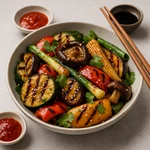
Asian-Style Grilled Vegetables (Easy Marinade Recipe)
High heat is the secret to truly great grilled vegetables: you get sweet, smoky flavor, crisp edges, and a juicy bite. This Asian-inspired version uses a quick soy-based marinade with optional Sriracha for heat—perfect as a side dish, or as the main event over rice or noodles.

Nyonya (Nonya) Curry Recipe: Creamy Peranakan Curry with Coconut Milk
Nyonya curry is a bold, coconut-rich curry from Peranakan (Straits Chinese) kitchens, where Chinese techniques meet Malay spices. This approachable version delivers a deep, aromatic sauce with a gentle tang—perfect with steamed rice or flaky roti.

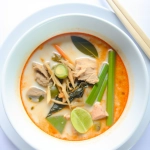
Tom Kha Soup (Thai Coconut Chicken Soup) — Easy Home Recipe
Tom Kha is a classic Thai soup built on coconut milk, fragrant herbs, and a bright lime finish. This home-friendly version delivers the signature creamy–tangy balance with chicken and mushrooms, plus practical tips so the coconut stays silky and the flavours stay clear.

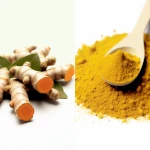
Turmeric
Discover the power of turmeric! This natural plant is the key to better health – from supporting digestion to protecting against inflammation. Turmeric extract with a high curcumin content is a powerful ally for your well-being and vitality. Be inspired by its natural healing properties and start using turmeric as part of your everyday life.

Recipe for Ponzu Shoyu
Discover the secret to a unique flavor that will transform any dish. This sauce combines the freshness of citrus with the saltiness of soy sauce, adding a new dimension to your cooking. Try it and see how easily it can enhance your favorite meals!

Seasoning Ground Meat: How to Turn a Plain Base into a Fragrant, Flavorful Dish (Including Asian Styles)
Ground meat is a weeknight workhorse—fast, versatile, and easy to portion. But it can taste surprisingly flat unless you build aroma and balance. This guide explains how to season ground meat on purpose: what flavors work, when to add spices, how to control heat and salt, and how to lean into Asian-inspired profiles with minimal effort.

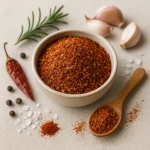
Hot peppers: how to use them and what to combine them with?
Hot paprika is one of the quickest ways to add warmth, color, and a rounded peppery aroma—without reaching for fresh chillies. Used well, it builds a pleasant heat that supports other flavors; used carelessly, it can turn bitter or overpower a dish. Here’s how to choose, dose, and combine hot paprika so the spice stays balanced, including practical tips for Asian-style meals.

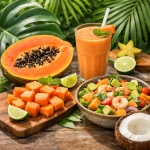
Papaya: How to Pick It, Prep It, and Use Ripe vs Green Papaya in Asian Cooking
Papaya can be two completely different ingredients. Ripe papaya is sweet, soft, and great for bowls and drinks; green papaya is firm, crisp, and behaves like a vegetable—perfect for tangy, spicy salads and quick stir-fries. Here’s how to recognize the right one, prepare it without hassle, and make it taste great from the first try.

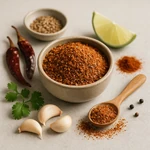
Mexiko Grill Seasoning: How to Get the Most Out of It on the BBQ and in Fast Weeknight Cooking
Mexiko-style grill seasoning is a shortcut to bold, smoky-spicy flavour—great on meat, vegetables, seafood, and plant-based proteins. Used the right way, it works as a quick dry rub, a juicy marinade base, and even a “fusion” seasoning that plays surprisingly well with Asian pantry staples like soy sauce, sesame, and lime.

Hoisin Sauce: What It Is, How It Tastes, and How to Use It Well
Hoisin sauce is the sweet-savoury, deeply aromatic condiment that can make a simple stir-fry taste restaurant-level in minutes. Learn what’s inside, what it pairs with, and how to avoid common mistakes—plus a few fast ways to use it beyond dipping.

Recipe for Matar Paneer
Try this delicious recipe for Matar Paneer, a tasty Indian dish that will warm you up and delight your taste buds!

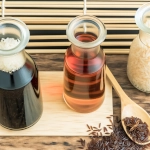
Black rice vinegar and brown rice vinegar
Discover the intense flavor of black vinegar and brown rice vinegar, two specialties that will bring rich flavors to your dishes. Find out how they differ and get inspired by recipes that use their smoky and nutty tones for exceptional marinades, sauces, and stir-fry dishes!

Beef Rendang Curry (Indonesian Slow-Cooked Coconut & Spice Stew)
Rendang is Indonesia’s famous slow-cooked beef cooked down in coconut milk, aromatics, and warm spices until the sauce turns deeply concentrated and clings to every piece. It takes time rather than effort—and the reward is rich, fragrant comfort with a gentle (or fiery) chili kick.

Water chestnuts
Discover the magic of water chestnuts! This unique ingredient, which is enjoying growing popularity around the world, will bring not only a fresh taste but also an unmistakable crunch to your favorite dishes. Suitable for stir-fries, curries, salads, or spring rolls, water chestnuts are a great choice for anyone looking for healthy and delicious ingredients. Read on to learn how we grow and harvest them, and how you can easily incorporate them into your cooking!

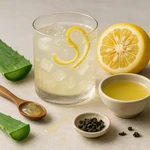
Yuzu, aloe and other current beverage trends
Yuzu, aloe, tapioca or matcha — modern Asian drinks combine tea tradition with striking visuals and playful textures. In this practical guide, I will explain what connects these drinks, how to use selected ingredients (yuzu, aloe, tapioca, matcha), and give specific tips on how to start safely and easily at home.

Seasoning Fish: How to Choose a Blend That Enhances (Not Overpowers) the Flavor
Fish cooks fast and tastes best when its natural sweetness and tenderness stay front and center. The trick is choosing seasonings that support the fish—whether you’re pan-frying a delicate white fillet, grilling salmon, or simmering seafood in a fragrant Asian-style sauce.

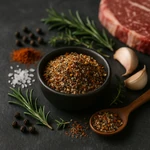
Steak Seasoning: How to Choose a Blend That Lifts the Meat (Including an Asian Twist)
A great steak doesn’t need much, but it does need the right touch. The goal of steak seasoning isn’t to cover the flavor—it’s to sharpen it, build a better crust, and add aroma that blooms in high heat. Here’s how to choose (and use) rubs, marinades, and finishing glazes—plus simple ways to steer your steak toward an Asian-style flavor profile without overcomplicating dinner.

Sauce for Meatballs: How to Get the Flavor (and Texture) Right — with an Asian Twist
Meatballs are reliably good. The sauce is what makes them memorable: it adds aroma, keeps them juicy, and turns “just meatballs” into a dish you want to eat again tomorrow. Here’s a practical way to build a sauce that balances sweet–salty–sour–spicy, clings to the meatballs, and can lean Asian without feeling complicated.

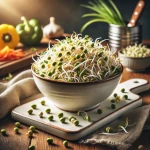
Mung bean sprouts
Discover the benefits of mung bean sprouts! In this article, you will learn how to easily grow them at home and how to use them in various dishes, from salads to stir-fries. Ideal for healthy and tasty cooking!

Regions of Japanese cuisine: why Hokkaido tastes different from Tokyo and Kyoto
Japanese cuisine is not uniform in taste. Besides shared principles (respect for ingredients, seasonality, purity of flavors), there are important regional differences based on climate, proximity to the sea and mountains, and historical availability of ingredients. In this guide, you will clarify the main areas and how to recognize them even when cooking at home.

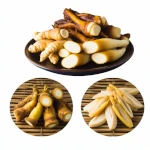
Bamboo shoots
Bamboo shoots are a great addition to any Asian cuisine. Would you like to learn how to prepare them properly and what they can offer your diet? In our article, you will learn all about their nutritional values, uses in the kitchen, and tips for selecting and storing them. Add them to your dishes and discover their fresh and crunchy taste!

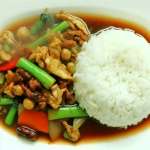
Kung Pao Chicken Stir-Fry (Quick, Spicy & Nutty)
Kung Pao chicken is a classic Sichuan-style stir-fry built on contrasts: tender bites of chicken, crunchy peanuts, fragrant dried chilies, and that signature sweet-sour-salty heat. This version is streamlined for home cooking while keeping the bold flavor balance that makes Kung Pao so addictive.

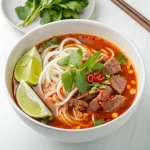
Bún Bò Huế (Vietnamese Spicy Beef & Pork Noodle Soup) — Recipe
Bún bò Huế is Vietnam’s bold, lemongrass-forward noodle soup from the former imperial city of Huế. This recipe walks you through a fragrant beef-and-pork broth, a quick chili oil for that signature red hue, and the fresh herb toppings that make each bowl taste bright, spicy, and deeply savoury.

10 ingredients with which you can cook the most
A good "Asian pantry" is not about having dozens of sauces and pastes at home. It's about a few functional basics that repeat across many dishes: something for saltiness and umami, something for acidity and sweetness, something aromatic, something starchy and a few quick guarantees for texture. Here is a practical ten that will let you cook a surprisingly wide range of Asian dishes even from common fresh ingredients.