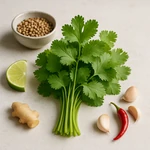
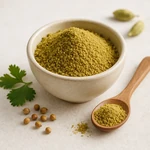
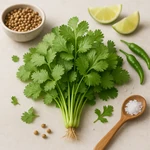
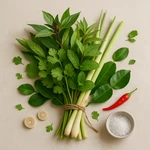
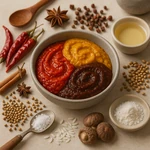
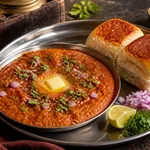
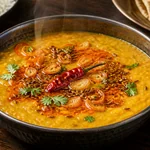
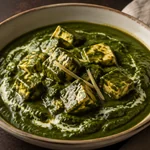
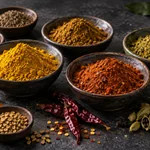
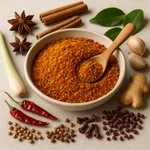
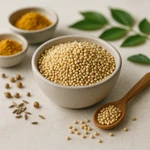
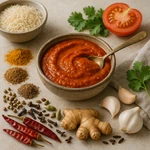
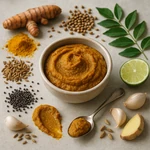
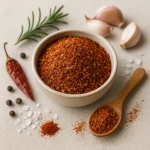
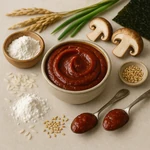
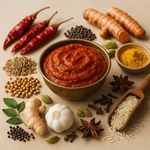
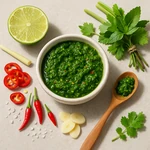
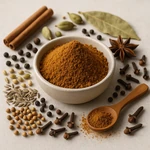
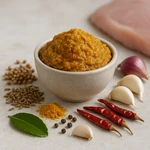
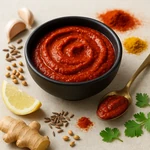
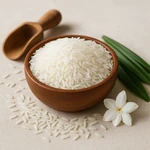
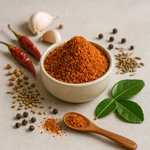
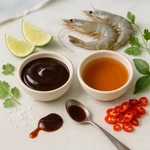
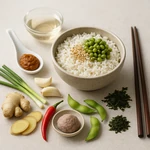
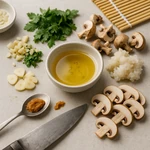
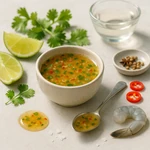
Coriander is one ingredient with two very different personalities: the fresh herb (often called cilantro) and the dried seeds used as a spice. Learn what each one tastes like, when to add it, and how to get that bright, authentic “Asian” lift in curries, soups, noodles, and rice.
Ground coriander is an easy-to-overlook spice that quietly makes dishes taste more “finished”. It softens harsh heat, lifts citrusy notes, and helps connect bold aromatics in curries, soups, marinades, and stir-fries—if you add it at the right moment.
Coriander is one of those ingredients that can change the whole impression of a dish with almost no effort. The key is knowing which form you’re using—fresh leaves and stems (often called cilantro) or dried coriander seeds—because they behave differently, taste different, and belong at different moments in cooking.
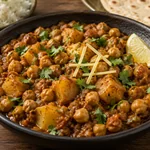
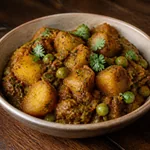
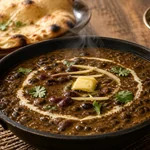
Let's prepare a recipe for Aloo Choley, a delicious Indian dish made from potatoes and chickpeas, full of spices and flavors that will transport you right to the heart of India!
Asian cuisine is not just about spiciness or "exoticism" – its typical flavor often comes from how it works with aroma, freshness, and a long aftertaste. It is precisely herbs and fresh aromatics that can elevate a dish from a "good sauce" to something that truly smells and tastes like a favorite bistro. In this guide, you will get clarity on which herbs are good to know (coriander, Asian basils, perilla/shiso), how they differ, when to add them, and what mistakes to watch out for.
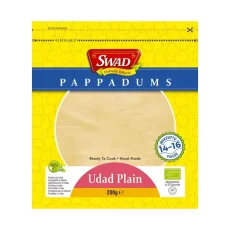
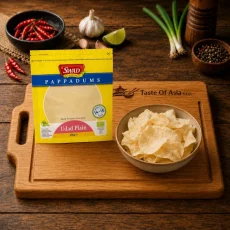
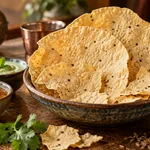
Are you curious about the secrets behind this traditional flatbread, which is popular all over the world? Read our article, where we will introduce you to the history of papadum, its different varieties, and ways of serving it. Learn how to prepare this delicious piece of Indian cuisine at home and discover how it can be the perfect addition to your diet.
Good seasoning isn't about dumping as many aromatics into the pot as possible. In Asian cooking flavor is often built as a whole: something gives the dish depth, something defines its character, something adds contrast and something remains as a long finish. When you understand these roles and the timing, you'll start using spices and herbs more precisely — and stop ending up with dishes that “smell great” but taste chaotic.
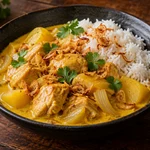
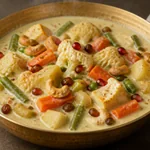
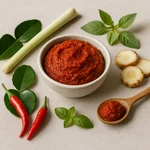
This Thai-style yellow curry is comforting, fragrant, and weeknight-friendly: rich coconut milk, tender chicken, and just enough heat from Nam Prik Kaeng curry paste. Serve it soupy over rice or simmer it down into a thicker curry—either way, it’s a bowl of pure warmth.
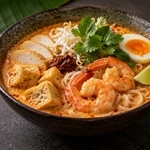
This coconut laksa is a Southeast Asian-style noodle soup that hits the sweet spot between creamy, fragrant and gently spicy. It comes together fast on a weeknight, and you can make it with chicken, prawns, or tofu—whatever you have.
Curry spice is less a single seasoning and more a shortcut to layered flavour—warm, earthy, aromatic, sometimes spicy. Learn what “curry powder” really means, how it differs from curry pastes, and how to get the most from it in everyday cooking.
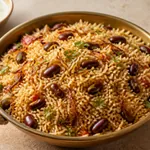
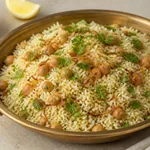
Are you wondering why basmati rice is so popular? This aromatic, long-grain rice has a rich history and is perfect for many dishes. Read about its origins, varieties, and the best ways to prepare it!
Asian cuisine is not just about spiciness or "exotic" ingredients. It is often defined by the work with aroma: freshness, warmth, earthiness, citrus notes, bitterness and long aftertaste. Spices and herbs are not just a supplement – in many dishes they form the very backbone of flavor. And just as important as what you use is also when and how you use it.
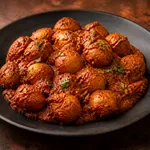
Vindaloo is a bold Goan curry known for its deep chilli heat and a distinctive tang from vinegar and garlic. This home-style recipe gives you a rich, thick sauce and tender meat—plus easy ways to adjust spice and acidity so it tastes intense, not harsh.
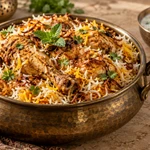
Biryani is the iconic Indian layered rice dish where fragrant basmati, warmly spiced meat, and caramelized onions come together in one pot. This home-friendly version keeps the classic “par-cook, layer, steam” method—so you get fluffy grains and deep flavor without complicated equipment.
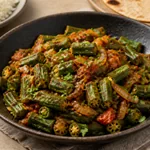
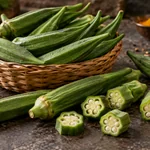
Discover the secrets of a tropical plant that not only provides nutritional value but also adds a unique flavor and texture to your dishes. In our article, you will learn everything about okra—how to use it in the kitchen, what health benefits it has, and why it should be part of your diet. Don't miss this great tip for enriching your diet!
White mustard seeds may look modest, but they can add a warm, gently peppery depth to everything from quick stir-fries to pickles and marinades. Here’s what they taste like, how they differ from brown/black mustard seeds, and when to use them whole versus ground—especially in Asian-inspired cooking.
Seasoning in Asian cuisine often matters more than the recipe itself. It's not just about spiciness or adding salt at the end. Flavor is built in layers: some develop when toasting spices, some in the sauce or marinade, and some only at the very end with fresh herbs or final condiments. In this article, we will go through the most common mistakes, why they happen, and more importantly, how to easily fix them in practice.
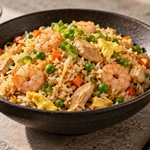
This Canton-style fried rice is the kind of flexible, weeknight-friendly dish you can build from what’s already in your fridge: cold rice, eggs, a little meat (or seafood), and crisp vegetables. The key is simple technique—high heat, quick cooking, and rice that’s properly cooled—so every grain stays separate and flavorful.
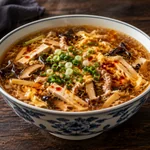
Hot & Sour soup is all about contrast: a warming chilli kick balanced by bright vinegar, plus satisfying textures from mushrooms, tofu, and silky egg ribbons. This home-friendly version comes together fast and is easy to adjust—make it sharper, hotter, or heartier depending on what you crave.
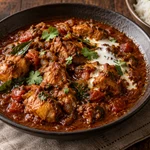
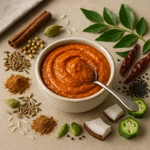
Madras curry is known for its deep colour, bold aroma and a confident chilli kick. This home-friendly version builds a rich onion-tomato base and finishes with warming spices (or a ready-made Madras curry blend) for a curry that works equally well with chicken, beef, lamb or tofu.
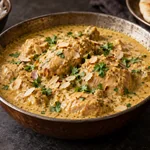
Chicken korma is a rich, gently spiced curry known for its velvety sauce made with yogurt, cream, and ground nuts. This approachable home recipe delivers a classic korma texture—fragrant, comforting, and mild enough for most spice levels.
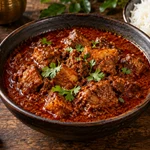
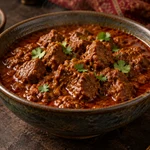
Rogan Josh is a deep-red, gently spiced curry traditionally associated with Kashmir. This version keeps the focus on whole aromatics, warming ground spices and yogurt for a smooth, clingy sauce—perfect with basmati rice or warm flatbread.
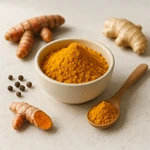
Ground turmeric is easy to recognize by its bold golden color—but its real value is the warm, earthy depth it adds to food. Used well, it can bring rice, vegetables, soups, and curries together into a cohesive, aromatic dish. Here’s how to cook with turmeric so it tastes rounded (not bitter), when to add it, and which flavor pairings make it shine.
Ground nutmeg is one of those “tiny pinch” spices that can make a dish feel warmer, smoother, and more complete. Used carefully, it lifts creamy sauces, potatoes, greens, and desserts—and it can also add a subtle finishing note to coconut curries and spice-forward Asian dishes.
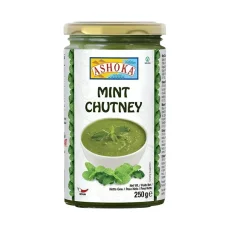
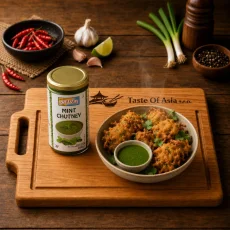
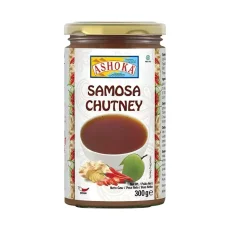
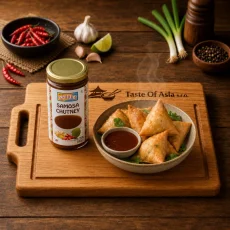
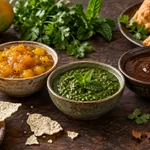
Discover the magic of chutneys, sauces that will liven up any dish. Whether you like sweet mango, spicy garlic, or refreshing coriander, each variety adds a unique flavor. Learn how to use them with your favorite foods and discover new flavors.
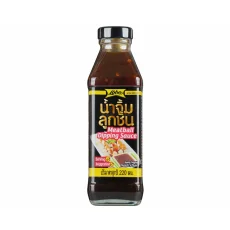
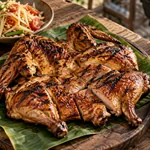
Kai Yang is Thailand’s iconic grilled chicken: deeply aromatic from garlic, coriander and lemongrass, juicy inside, and lightly charred outside. This recipe gives you a practical, grill-friendly method plus a quick Nam Jim Jaew dipping sauce to serve alongside sticky rice.
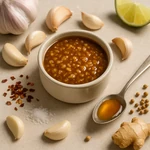
Garlic marinade is one of those kitchen shortcuts that doesn’t feel like a shortcut: it can make chicken, pork, tofu, or vegetables taste deeper, smell incredible, and stay juicier—fast. The trick is knowing how garlic behaves with heat, how long to marinate different ingredients, and how to balance sweet, salty, and acidic notes for Asian-inspired results.
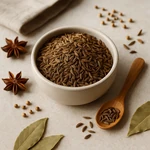
Caraway can be subtle or boldly aromatic depending on when you add it and how much you use. This guide explains what caraway tastes like, how it’s different from cumin (often confused because of similar names), and practical ways to work it into rice, noodles, pickles, and spice blends with an Asian twist.
Indian cuisine is not just one "typical" flavor but a whole map of regional styles – from delicate lentil dhals to fragrant rice plates and hearty sauces and marinades. If you want to start at home, the quickest way isn't to buy dozens of spices but to understand a few basic directions, one key technique (tadka), and choose a few initial dishes that teach you principles, not just one recipe.
Colombo curry (often simply “colombo”) is a Caribbean-style spice blend that behaves a lot like curry powder—but with its own identity. Bloom it briefly in oil, simmer it with chicken, fish, or vegetables, and finish the dish with something creamy (often coconut milk) plus a bright squeeze of lime.
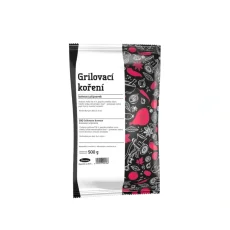
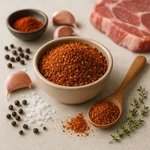
Great grilled flavor isn’t only about smoke and heat—it’s about how seasoning clings to the surface, browns evenly, and stays aromatic from the first flip to the final bite. Here’s a practical guide to choosing and using dry rubs, marinades, and finishing glazes, with simple ideas for adding an Asian-style punch to meat, tofu, and vegetables.
Vegan food in the Asian style does not have to be a compromise or a “substitute” for regular cuisine. In many parts of Asia, vegetarian and vegan cooking has its own traditions – and above all its own way of building flavor fullness: through umami, fermentation, working with texture, the right fat, acidity, and herbs. This article will show how to practically use these principles at home so that the food remains distinctive even without meat, fish, and dairy products.
"Curry paste" is not one universal ingredient. Different types of bases can be hidden under the same name – from Thai aromatic pastes (which are briefly sautéed in fat) to Indian curry bases or Japanese curry roux. In this guide, you will orient yourself mainly by the type of dish you want to cook and avoid the most common mistakes that lead to bland or "strangely" tasting curry.
Pork roast can feel like a special occasion dish or an easy weeknight dinner—often the only difference is how you season it. Learn what “pork roast seasoning” really means, how to apply it for maximum aroma and crust, and how to add a subtle Asian-inspired edge (think warm spices and savory depth) without losing that classic roasted-pork character.
Grilled vegetables can taste effortlessly good—or surprisingly flat—depending on how you season them. This guide explains what makes a grill-friendly spice blend work, when to add it for the best aroma, and how to take the same vegetables in a more Asian direction using pastes, sauces, and smart finishing touches.
"Indian taste" is not one universal sauce nor a synonym for spicy food. Indian cuisine is a broad family of regional styles – from delicate legume dishes through tandoori breads and marinades to rice dishes with tamarind, coconut, and curry leaves. In this article, you will clarify what typically makes up Indian taste, how the north differs from the south, and how to build it in practice even without "pouring all the spices of the world" into the pot.
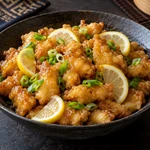
Cantonese-style lemon chicken is all about contrast: juicy, crispy-coated chicken pieces tossed in a glossy lemon sauce that’s sweet, tangy, and lightly savory. This home-friendly version keeps the crunch and delivers that restaurant-style citrus shine—without complicated steps.
Maybe you've experienced it: you order the "same" food in a different part of the country – and yet it tastes surprisingly different. It's not necessarily the chef's fault or "inauthenticity." Often, it's a logical consequence of how the region shapes ingredients, techniques, seasoning, and what people consider the "right" taste.
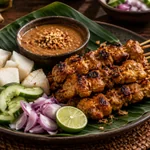
Satay is Southeast Asia’s iconic grilled skewer: small pieces of meat soaked in a fragrant marinade, cooked fast over high heat, and served with a creamy peanut sauce. This version is easy to make at home on a grill, grill pan, or in the oven—ideal for weeknights and great for sharing.
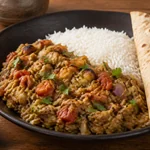
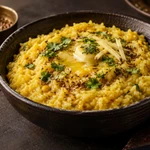
Khichdi is India’s classic “comfort in a bowl”: rice and lentils gently cooked with warming spices until soft, nourishing, and easy to digest. This simple one-pot recipe is ideal for a light dinner, meal prep, or days when you want something soothing but still satisfying.
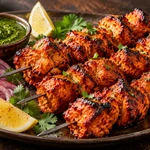
Tandoori tikka is all about a tangy yogurt marinade, warming spices, and high heat that gives the chicken those irresistible charred edges. This home-friendly version is designed for a regular oven or outdoor grill—no tandoor required.
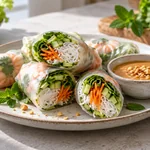
Thin slices are a great ingredient for anyone looking for simplicity, versatility, and flavor variety. Use them to make fresh spring rolls, delicious appetizers, or even sweet desserts. Find out how easily they can become the basis for your favorite dishes!
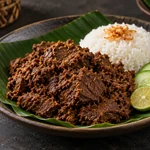
Rendang is Indonesia’s famous slow-cooked beef cooked down in coconut milk, aromatics, and warm spices until the sauce turns deeply concentrated and clings to every piece. It takes time rather than effort—and the reward is rich, fragrant comfort with a gentle (or fiery) chili kick.
Indian cuisine is not a single unified tradition, but a broad family of regional styles. That's why it's worth looking at "typical Indian ingredients" as practical building blocks: what forms the base (rice, breads, legumes), what gives the dish richness (ghee, yogurt, paneer), what builds aroma (spices, aromatics), and what provides an important contrast (for example tamarind). The article provides an overview of key ingredients, their functions, and concrete advice on how to start using them at home without unnecessary mistakes.
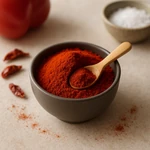
Sweet ground paprika is one of those quiet kitchen staples that can transform a pale sauce into something inviting. Delicacy Paprika with an ASTA 160 rating is valued for its rich red color and mild, slightly sweet aroma—perfect when you want warmth and depth without heat.
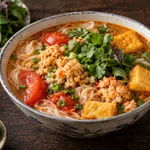
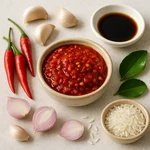
Bún Riêu is a bright, savory Vietnamese noodle soup built on tomatoes, seafood umami, and a generous pile of fresh herbs. This home-friendly version keeps the signature sweet-sour balance and “riêu” crab clusters—without requiring hard-to-find ingredients.
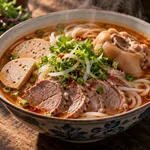
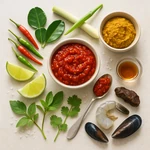
Bún bò Huế is Vietnam’s bold, lemongrass-forward noodle soup from the former imperial city of Huế. This recipe walks you through a fragrant beef-and-pork broth, a quick chili oil for that signature red hue, and the fresh herb toppings that make each bowl taste bright, spicy, and deeply savoury.
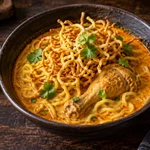
Khao Soi is a comforting Northern Thai curry noodle soup known for its creamy coconut broth, tender meat, and a crunchy noodle topping. This home-friendly version keeps the signature sweet-salty-spicy balance and the fun “mix-your-own” garnishes at the table.
"Asian cuisine" is not a single cuisine but a whole map of styles: from delicate broths and umami to aromatic, spicy, and hot dishes. This guide provides you with a practical compass on how to navigate by countries and regions, how to choose a good starting point for cooking at home, and which universal ingredients will open the most doors without having to build a pantry full of dozens of specialties.
Thai food can taste “very bold”, but its strength is rarely one dominant flavour. What’s typical is layering: first you build an aromatic base (often with pastes), then you season gradually (for example with soy sauce), and only at the end you fine-tune heat and top aromas. When these steps get swapped or pushed too hard, the result is often just spicy, over-salty, or oddly flat. This guide gives you a practical framework for building Thai flavour at home step by step—and for fixing the most common problems.
Chilli in Asian cuisine is not just a “test of courage.” In a balanced dish, spiciness is one layer of flavor – it can add energy, contrast, and depth, but only when you know what type of heat you are adding and what role a specific product plays. For a beginner, the key difference is between plain chilli, sambal, and curry paste.
Asian cold cuisine is not a "diet salad" or randomly mixed vegetables. It is often a complete meal built on fresh herbs, active acidity, and a spicy spark – and mainly on a dressing or dip that holds the whole plate together. In the article, we clearly explain how these elements work, their variations, and how to assemble a cold bowl or noodle salad at home so it doesn’t taste "unfinished."
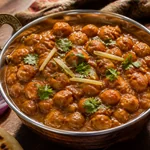
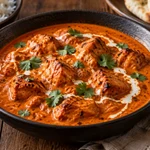
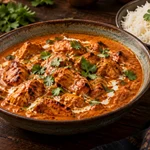
Murgh Makhani—often called Butter Chicken—is a classic North Indian curry built on tender chicken, a velvety tomato sauce, warm spices, and a buttery finish. This home-cook friendly version keeps the flavor authentic while giving you practical options for the oven, pan, or grill.
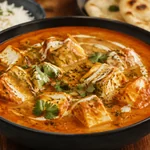
Chicken tikka masala brings together smoky, spiced chicken and a silky tomato-based sauce enriched with cream. It’s restaurant-famous, but the home version is very doable—especially if you marinate ahead and build the sauce in layers.
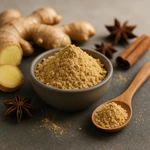
Ground ginger is one of those quiet pantry spices that can make a dish taste instantly more “Asian”—warm, gently peppery, and lightly citrusy. Used well, it boosts curries, marinades, stir-fries, and dipping sauces without adding fibrous bits or extra prep. Here’s how to choose it, when it beats fresh ginger, and how to add it so it actually smells and tastes vibrant (not dusty or bitter).
Soft steamed rice dumplings filled with savory chicken and served with a bright sweet-sour tamarind sauce—this Thai-style snack is surprisingly simple to make at home and perfect for sharing.
White mustard seeds may look like a minor pantry item, but used well they add fragrance, gentle heat, and a savory “lift” to curries, dals, stir-fries, and pickles. Here’s what they taste like, how they differ from darker mustard seeds, and when to use them whole or ground.
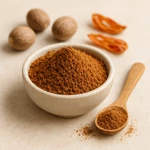
Ground mace is one of those “quiet” spices that can transform a dish with just a pinch. It brings a warm, lightly sweet, floral-spiced note that fits surprisingly well into coconut curries, fragrant rice, broths, and creamy sauces—adding depth without taking over.
Ground Ceylon cinnamon is a gentle, sweet-warm spice with a refined aroma that works in desserts, drinks, and surprisingly well in savory rice dishes and stews. Learn what sets Ceylon cinnamon apart, how to use it without overpowering a dish, and how to keep it fragrant for longer.
Ground cinnamon is one of those pantry staples that can change a dish with a single pinch. Most people reach for it in baking or coffee, but it can be just as useful in savoury cooking—especially in Asian recipes where coconut milk, rice, chilli heat, and aromatic spices are balanced in one pot.
Garam masala is one of the most recognizable spice blends from India—and one of the easiest ways to give everyday meals a distinctly Indian aroma. Used in the right amount and at the right moment, it adds warm, rounded depth to curries, lentils, roasted vegetables, and even simple rice without necessarily making food hot or fiery.
Turkey has a clean, delicate taste—great for everyday cooking and festive roasts, but it also means seasoning shows up clearly (for better or worse). This guide explains what “turkey seasoning” usually includes, how to use it as a dry rub or marinade, and how to shift turkey toward Asian-style dinners with smart, flavour-packed add-ons.
Tandoori masala is a bold Indian spice mix made for high heat: aromatic, warmly spiced, and often gently hot. Combine it with yogurt and citrus for a quick marinade that works just as well in a home oven or on the grill as it does in a traditional tandoor.
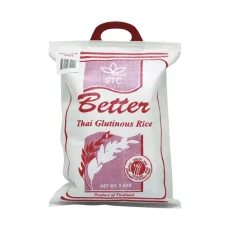
Hom Mali is the jasmine rice people remember: naturally fragrant, gently sweet, and soft without turning mushy. Learn what “Hom Mali” really means, how it differs from other rice styles, and how to cook it so the aroma and texture shine—whether you’re serving curry, stir-fry, or a simple bowl with herbs and lime.
Ground meat is a weeknight workhorse—fast, versatile, and easy to portion. But it can taste surprisingly flat unless you build aroma and balance. This guide explains how to season ground meat on purpose: what flavors work, when to add spices, how to control heat and salt, and how to lean into Asian-inspired profiles with minimal effort.
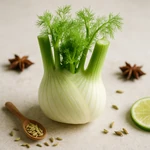
Fennel is one of those ingredients that can feel like two things at once: a crisp vegetable and a deeply aromatic spice. Whether you’re working with the fresh bulb or fennel seeds, a small amount can make dishes taste brighter, rounder, and more “complete”—which is exactly why it shows up in so many Asian flavor traditions.
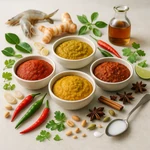
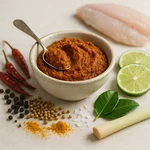
A practical guide to the five most common Thai curry pastes — red, green, yellow, panang, and massaman. I will explain the basic flavor profiles, when to choose each paste, how to use it at home, and what to watch out for when selecting and storing.
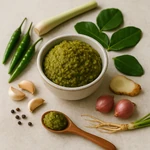
“Thai-style curry” is often a convenient label for a ready-to-use curry base inspired by Thai cooking—fragrant herbs, warm spices, and a gentle to medium heat that turns into a creamy sauce with coconut milk. Here’s what that wording typically means, how the taste differs from other curry pastes, and how to get consistently good results in everyday home cooking.
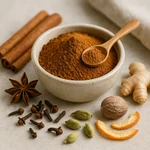
Gingerbread spice is a warm, aromatic blend built around cinnamon, ginger, clove and other “sweet” spices. It’s famous for gingerbread—but it’s just as useful in oatmeal, hot drinks, fruit desserts, and even subtly spiced savory dishes. Here’s what’s usually inside, how to dose it, and how to keep it fragrant all season.
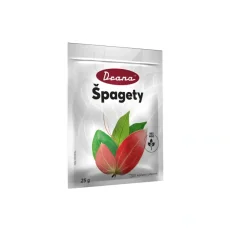
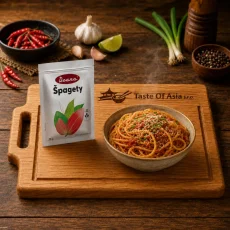
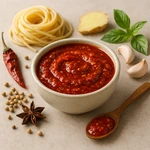
Spaghetti is quick, reliable, and—if you’re not careful—predictable. The easiest way to keep it exciting is to think of “spaghetti seasoning” not as one fixed mix, but as a flavor direction you can repeat and tweak: herb-forward, garlicky, spicy, smoky, or umami-rich. And once you see spaghetti as “long noodles made from wheat,” it becomes surprisingly natural to season it with Asian-style sauces, pastes, and aromatics too.
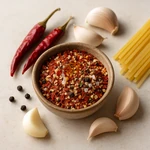
Aglio, olio, peperoncino: garlic, oil and chilli. It’s a minimalist Italian flavour trio that tastes bold, warm and clean when done right. In a ready-made seasoning blend, you get the same idea in a quicker, more consistent form—useful not only for spaghetti, but also for stir-fried noodles, rice bowls and quick wok dinners.
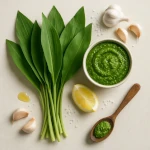
Wild garlic—also known as ramsons—is one of those short-season spring ingredients that can instantly make food taste brighter. It brings a fresh, leafy garlic character without the harsh bite of raw cloves, which makes it surprisingly easy to weave into quick Asian-style stir-fries, noodle dishes, coconut curries, and rice paper rolls.
Fish cooks fast and tastes best when its natural sweetness and tenderness stay front and center. The trick is choosing seasonings that support the fish—whether you’re pan-frying a delicate white fillet, grilling salmon, or simmering seafood in a fragrant Asian-style sauce.
Roast pork neck—also called pork collar—is naturally forgiving thanks to its marbling, but the difference between “nice” and “unforgettable” comes down to seasoning and timing. This guide shows you how to build flavor with a dry rub, a marinade, or a final glaze, plus a few easy Asian-leaning twists that still feel right for an oven roast.
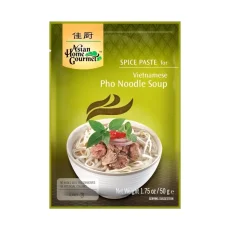
Phở (Vietnamese noodle soup) is a great example that "noodles in broth" can be a complete dish built on precision and lightness. The article will help you understand what makes phở phở, how regional styles differ, why the broth is the true center of the bowl, and the role of rice noodles and fresh herbs – including practical tips on how to assemble a balanced bowl at home without unnecessary mistakes.
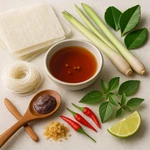
Vietnamese cuisine does not rely on one sauce or one famous dish. It is characterized by freshness, lightness, and the ability to layer multiple flavors so that the result feels lively: rice or rice noodles, herbs and leaves, acidity (lime, tamarind), fermented saltiness and umami (especially fish sauce), and contrasting textures. In this guide, you will find the most important Vietnamese ingredients, their function, and practical tips on how to start using them at home without unnecessary mistakes.
"Indian cuisine" is not one taste or one sauce. For a European home cook, however, the division into north and south is one of the most practical reference points: it helps to understand why sometimes bread and a creamier sauce make more sense, other times rice, coconut, and a more pronounced acidity. This article will show the main differences, what both directions have in common, and how to bring them into everyday home cooking without unnecessary shortcuts and mistakes.
Oyster and fish sauces can be easily confused at first glance: both are among the “basic” Asian seasonings and both can add distinct umami. However, they have different roles in the kitchen. Once you understand the difference between their roles (salting vs. rounding and connecting flavors), you will cook more confidently – and you will stop unintentionally shifting dishes into a completely different flavor logic.
When people talk about a “healthier” Asian-style diet, it often becomes a vague mix of ideas about rice, soups and “light” cuisine. In practice, however, it's much more useful to look at specific eating habits: what a typical breakfast looks like, why warm and savory foods are eaten so much, how spices and herbs function as the backbone of flavor, and why a small bowl of dip often decides whether a dish feels fresh or heavy. This article is not nutritional advice – it is a practical guide for orienting yourself in these principles and using them safely at home.
In Asian cooking, the result often “breaks” even before you turn on the stove: on the cutting board, in bowls with prepared ingredients, and in how you organize the steps. High temperature, quick stir-frying, and precise order of adding ingredients don't forgive when vegetables are cut haphazardly, aromatics wait next to a hot wok, or wet ingredients fly into the pan. This article summarizes the mistakes that most often ruin texture and taste – and most importantly, what to do about them in practice.
You cook noodles or "something like" an Asian stir-fry, but the result is flatter, heavier, or flavor-wise indefinite – while in a restaurant it tastes clear and "lively." Often it is not one secret trick, but several repeated beginner mistakes: a poorly chosen style of cuisine, missing final seasoning, uncontrolled spiciness, and unfinished preparation of ingredients. In the article, we break it down into specific steps that can be done right at the next cooking.
Cookies
This site uses cookies to provide services, customize ads, and analyze traffic. Your consent to the use of cookies will significantly help us to improve our services. More information



 Česky (CZK)
 Slovensky (EUR)
 Deutsch (EUR)
 Austria
 Belgium
 Bulgaria
 Croatia
 Denmark
 Estonia
 Finland
 France
 Germany
 Greece
 Hungary
 Italy
Italy Latvia
 Lithuania
 Luxembourg
 Netherlands
 Poland
 Portugal
 Romania
 Slovenia
 Spain
Spain Sweden