


 Česky (CZK)
 Slovensky (EUR)
 Deutsch (EUR)
 Austria
 Belgium
 Bulgaria
 Croatia
 Denmark
 Estonia
 Finland
 France
 Germany
 Greece
 Hungary
 Italy
Italy Latvia
 Lithuania
 Luxembourg
 Netherlands
 Poland
 Portugal
 Romania
 Slovenia
 Spain
Spain Sweden










chicken
Products

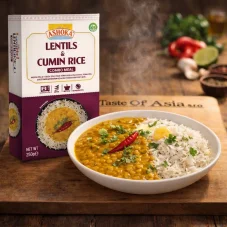
Ashoka Lentils with cumin rice 250 g
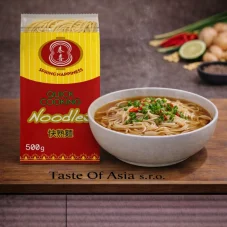

Spring Happiness Quick eggless noodles 500 g

Royal Tiger Jasmine Rice Gold 18 kg
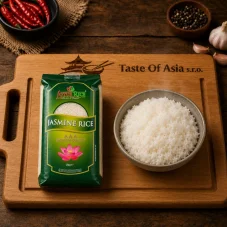
Essa Jasmine rice Lotus 2 kg
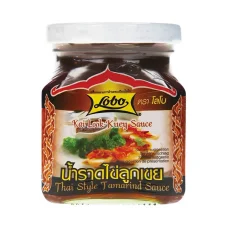


Lobo Tamarind sauce Thai style 270 ml
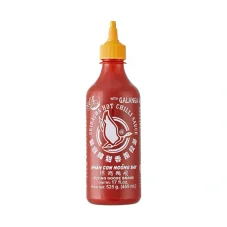
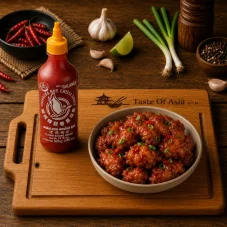
Flying Goose Sriracha chilli sauce with Galangal 455 ml


Eisenbach 12 pieces of tea glasses with silver accent
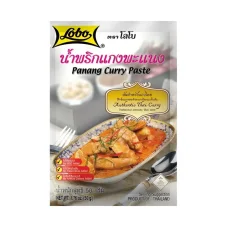


Lobo Panang curry paste 50 g
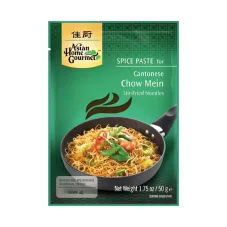

AHG Paste for fried noodles Chow Mein 50 g
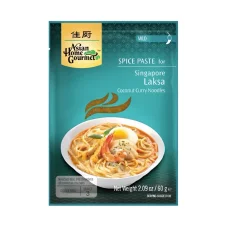
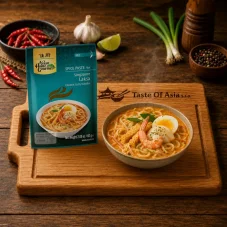
AHG Paste for coconut curry noodles Laksa 60 g
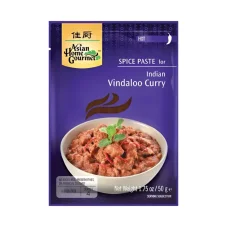
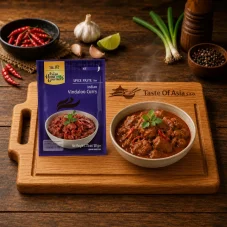
AHG Paste Vindaloo Curry 50 g
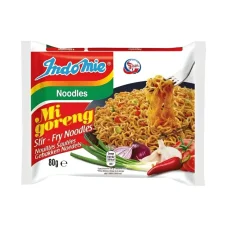
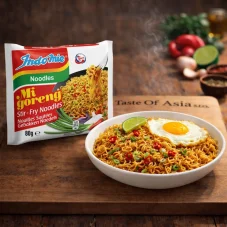
IndoMie Instant Fried Noodles Mi Goreng 80 g

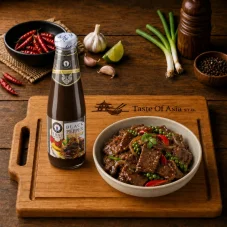
Thai Dancer Pepper sauce for frying 300 ml
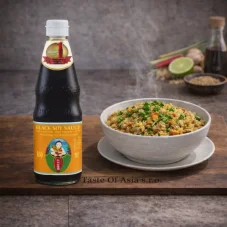
Dek Som Boon Soy sauce dark recipe D 700 ml
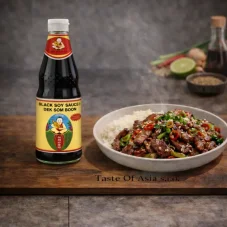
Dek Som Boon Soy sauce dark recipe B 700 ml
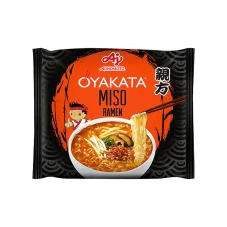
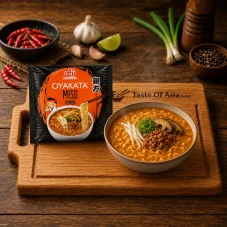

Oyakata Instant Noodles Miso Ramen 89 g

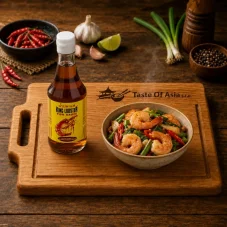
King Lobster Fish Sauce 200 ml
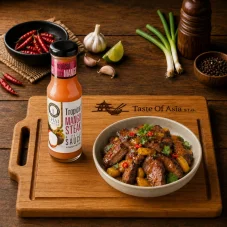
Thai Dancer Mangosteen Chilli sauce 150 ml
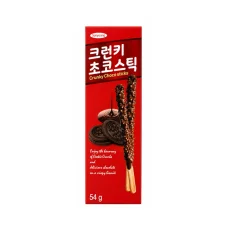
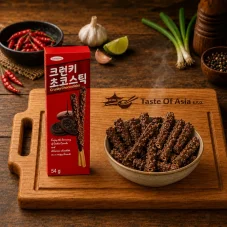

Sunyoung Crunchy Chocolate Sticks 54 g
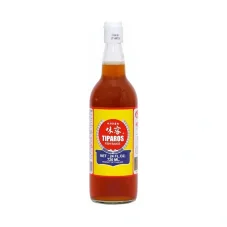
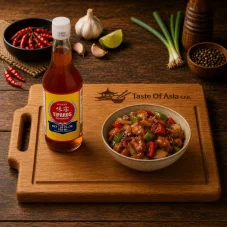
Tiparos Fish sauce 720 ml
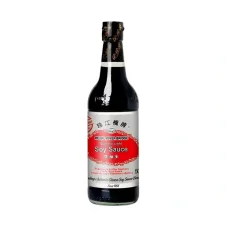
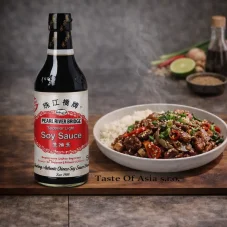
P.R.B. Soy Sauce Light Superior 500 ml

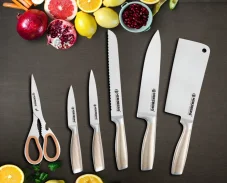
Herzberg 8-piece stainless steel knife set with acrylic stand - Yellow

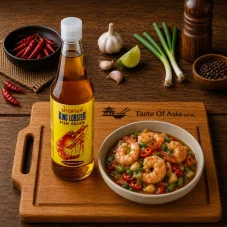
King Lobster Fish sauce 700 ml
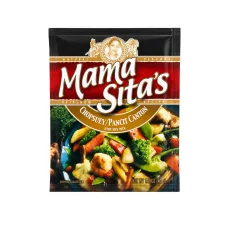
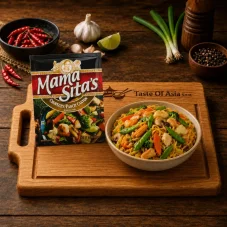
Mama Sita's Mix of vegetable stir-fry Chopsuey 40 g
Articles
Cantonese Lemon Chicken (Crispy Chicken with Bright Citrus Sauce)
Cantonese-style lemon chicken is all about contrast: juicy, crispy-coated chicken pieces tossed in a glossy lemon sauce that’s sweet, tangy, and lightly savory. This home-friendly version keeps the crunch and delivers that restaurant-style citrus shine—without complicated steps.
Thai Kai Yang (Grilled Chicken) Recipe
Kai Yang is Thailand’s iconic grilled chicken: deeply aromatic from garlic, coriander and lemongrass, juicy inside, and lightly charred outside. This recipe gives you a practical, grill-friendly method plus a quick Nam Jim Jaew dipping sauce to serve alongside sticky rice.

Recipe for Chicken Tempura with Vegetables
With Gogi Tempura Mix with Spices, preparing tempura with chicken and vegetables is quick and easy. Enjoy crispy, delicious pieces of meat and vegetables that will transport you to the heart of Japan. Try it today and enjoy the authentic taste!
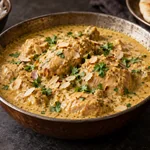
Chicken Korma Curry (Creamy, Mild Indian-Style Curry)
Chicken korma is a rich, gently spiced curry known for its velvety sauce made with yogurt, cream, and ground nuts. This approachable home recipe delivers a classic korma texture—fragrant, comforting, and mild enough for most spice levels.
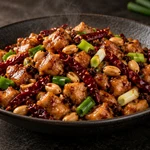
Kung Pao Chicken Stir-Fry (Quick, Spicy & Nutty)
Kung Pao chicken is a classic Sichuan-style stir-fry built on contrasts: tender bites of chicken, crunchy peanuts, fragrant dried chilies, and that signature sweet-sour-salty heat. This version is streamlined for home cooking while keeping the bold flavor balance that makes Kung Pao so addictive.
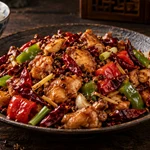
Traditional Sichuan Stir-Fry (Mála Chicken with Crunchy Veg)
This Sichuan-style stir-fry is all about contrast: tender slices of chicken, crisp vegetables, and a bold, glossy sauce with chilli heat and that signature tingly “mála” kick from Sichuan peppercorns. It’s fast, weeknight-friendly, and easy to adapt to whatever you have in the fridge.
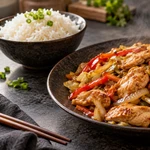
Czech Bistro-Style Chicken Stir-Fry (“China”) in 25 Minutes
This weeknight classic from Czech kitchens is a fast pan stir-fry: thin-sliced chicken, crunchy vegetables, and a glossy soy–oyster sauce. The trick is high heat, quick cooking, and a little cornstarch for a juicy, takeaway-style finish.
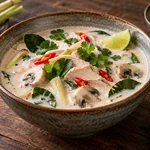
Tom Kha Soup (Thai Coconut Chicken Soup) — Easy Home Recipe
Tom Kha is a classic Thai soup built on coconut milk, fragrant herbs, and a bright lime finish. This home-friendly version delivers the signature creamy–tangy balance with chicken and mushrooms, plus practical tips so the coconut stays silky and the flavours stay clear.
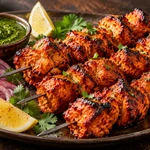
Tandoori Tikka (Oven or Grill): Juicy Indian-Style Chicken Skewers
Tandoori tikka is all about a tangy yogurt marinade, warming spices, and high heat that gives the chicken those irresistible charred edges. This home-friendly version is designed for a regular oven or outdoor grill—no tandoor required.
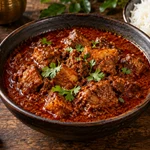
Goan Vindaloo Curry (Pork or Chicken): Spicy, Tangy Indian Curry
Vindaloo is a bold Goan curry known for its deep chilli heat and a distinctive tang from vinegar and garlic. This home-style recipe gives you a rich, thick sauce and tender meat—plus easy ways to adjust spice and acidity so it tastes intense, not harsh.

Indian Chicken Biryani Rice (Layered, Aromatic & Restaurant-Style at Home)
Biryani is the iconic Indian layered rice dish where fragrant basmati, warmly spiced meat, and caramelized onions come together in one pot. This home-friendly version keeps the classic “par-cook, layer, steam” method—so you get fluffy grains and deep flavor without complicated equipment.
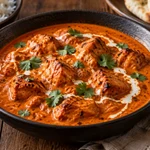
Murgh Makhani (Butter Chicken) Recipe: Creamy Tomato-Butter Curry at Home
Murgh Makhani—often called Butter Chicken—is a classic North Indian curry built on tender chicken, a velvety tomato sauce, warm spices, and a buttery finish. This home-cook friendly version keeps the flavor authentic while giving you practical options for the oven, pan, or grill.
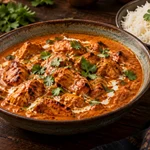
Chicken Tikka Masala (Creamy Tomato Curry You Can Make at Home)
Chicken tikka masala brings together smoky, spiced chicken and a silky tomato-based sauce enriched with cream. It’s restaurant-famous, but the home version is very doable—especially if you marinate ahead and build the sauce in layers.
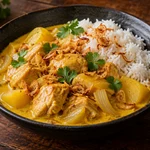
Thai Yellow Curry with Nam Prik Kaeng (Creamy Coconut Chicken Curry)
This Thai-style yellow curry is comforting, fragrant, and weeknight-friendly: rich coconut milk, tender chicken, and just enough heat from Nam Prik Kaeng curry paste. Serve it soupy over rice or simmer it down into a thicker curry—either way, it’s a bowl of pure warmth.
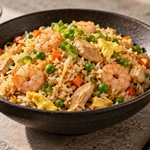
Cantonese Fried Rice (Quick Canton-Style Rice with Egg, Chicken & Veg)
This Canton-style fried rice is the kind of flexible, weeknight-friendly dish you can build from what’s already in your fridge: cold rice, eggs, a little meat (or seafood), and crisp vegetables. The key is simple technique—high heat, quick cooking, and rice that’s properly cooled—so every grain stays separate and flavorful.
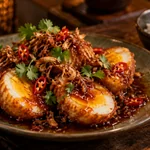
Kai Look Kuey (Thai Chicken Rice Dumplings) with Tamarind Dipping Sauce
Soft steamed rice dumplings filled with savory chicken and served with a bright sweet-sour tamarind sauce—this Thai-style snack is surprisingly simple to make at home and perfect for sharing.
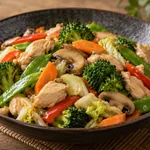
Quick Chop Suey (Chopsuey) Stir-Fry: Chicken, Tofu, or Whatever’s in Your Fridge
Chop suey is the ultimate “mix-and-match” stir-fry: tender protein, crisp vegetables, and a light savory sauce that clings to every bite. It’s fast, flexible, and perfect for using up leftover veg—served over rice or noodles for an easy weeknight meal.
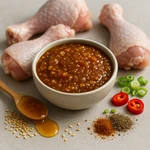
Spices for Honey-Glazed Chicken Drumsticks: How to Make a Sweet and Spicy Glaze
Chicken drumsticks are made for bold seasoning: the skin renders, the meat stays juicy, and a honey-forward spice mix turns the surface glossy and caramelized. This guide shows how to build (or use) a honey-spiced seasoning so your drumsticks come out sweet, savory, gently warm, and unmistakably “glazed”.
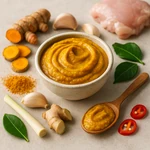
Golden Chicken Seasoning: How to Get a Gentle Flavor and a Beautiful Golden Color
“Golden chicken” seasoning isn’t one single fixed recipe—it’s a style of spice blend designed to make chicken taste warmly seasoned (not aggressively hot) and look appetizingly golden. Here’s what creates that effect, how to use the blend for roasting, pan-frying, or quick Asian-style stir-fries, and how to pair it with sauces so the result stays juicy and balanced.
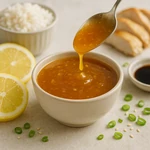
Sauce for Chicken and Rice: How to Nail an Asian-Style Flavor at Home
Chicken with rice can be a quick weeknight dinner or true comfort food—the difference is the sauce. Below you’ll find practical “building blocks” for common Asian-inspired sauce styles (bright and tangy, soy-umami, curry, or tomato-spiced), plus easy ways to thicken, balance flavors, and keep chicken juicy.
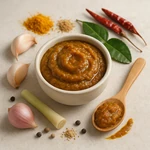
Seasoning for Chicken: How to Choose the Right Flavor (and When to Use a Paste or Sauce)
Chicken is one of the easiest proteins to flavor: it cooks quickly, absorbs aromatics well, and works in a pan, oven, or on the grill. The real question isn’t “which seasoning is best”, but which format and flavor style fits your dish—dry spice mix, curry paste, a ready-made sauce, or a quick marinade.
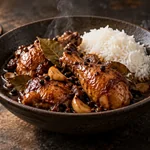
Recipe for Adobo with Sauce
Discover the taste of the Philippines! Adobo is a traditional dish that combines unique ingredients and rich history. Try this delicious recipe that will transport you straight to the Philippines—perfect for any occasion!
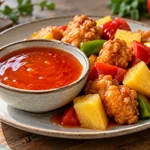
Sweet and sour sauce
Discover the secrets of sweet and sour sauces. Learn how to make them and use them in various dishes, from fried foods to noodles and dips. This article will show you how to add new dimensions to your favorite meals.
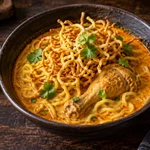
Khao Soi: Northern Thai Coconut Curry Noodle Soup (Recipe)
Khao Soi is a comforting Northern Thai curry noodle soup known for its creamy coconut broth, tender meat, and a crunchy noodle topping. This home-friendly version keeps the signature sweet-salty-spicy balance and the fun “mix-your-own” garnishes at the table.
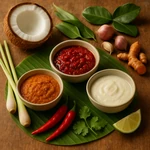
Typical Singaporean dishes: what to taste and how to understand them
Singaporean cuisine is not a "single national cuisine" in the traditional sense. It is an urban, port, and multicultural gastronomy that arose from the meeting of Chinese, Malay, Indian, Peranakan, and other influences – and is best understood through specific dishes and the environment where they are eaten every day. This guide features iconic Singaporean dishes, explanations of what makes them typical, and practical tips on how to approach them at home without unnecessary mistakes.
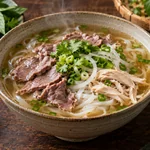
Vietnamese Pho Soup Recipe (Pho Bo or Pho Ga)
Pho is Vietnam’s iconic noodle soup: a clear, fragrant broth poured over silky rice noodles, topped with herbs, lime, and your choice of beef (pho bo) or chicken (pho ga). This home-friendly recipe focuses on the two things that matter most—building aroma in the stock and assembling bowls with fresh garnishes.
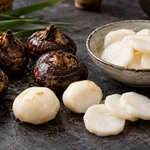
Water chestnuts
Discover the magic of water chestnuts! This unique ingredient, which is enjoying growing popularity around the world, will bring not only a fresh taste but also an unmistakable crunch to your favorite dishes. Suitable for stir-fries, curries, salads, or spring rolls, water chestnuts are a great choice for anyone looking for healthy and delicious ingredients. Read on to learn how we grow and harvest them, and how you can easily incorporate them into your cooking!
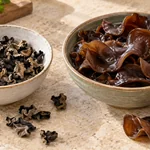
Black mushroom
Discover an exceptional mushroom that will surprise you with its texture and taste! Judas ear is an ideal addition to a healthy diet. Rich in fiber and minerals, it brings not only nutritional value, but also health benefits. Use it in Asian dishes or modern vegetarian cuisine. Give your meals a new dimension and support your health with this unique mushroom.
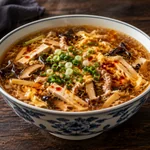
Hot & Sour Soup (Quick Chinese-Style Recipe)
Hot & Sour soup is all about contrast: a warming chilli kick balanced by bright vinegar, plus satisfying textures from mushrooms, tofu, and silky egg ribbons. This home-friendly version comes together fast and is easy to adjust—make it sharper, hotter, or heartier depending on what you crave.
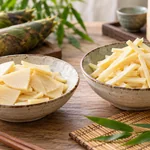
Bamboo shoots
Bamboo shoots are a great addition to any Asian cuisine. Would you like to learn how to prepare them properly and what they can offer your diet? In our article, you will learn all about their nutritional values, uses in the kitchen, and tips for selecting and storing them. Add them to your dishes and discover their fresh and crunchy taste!
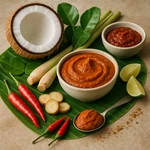
Taste of Singaporean cuisine: hawker energy, layers of umami, and final seasoning at the table
Singaporean cuisine is hard to summarize in one sentence – and that is exactly what makes it typical. It is a port, urban, and multicultural cuisine: Chinese, Malay, Indian, and Peranakan influences coexist side by side, but in practice, you recognize it best by how it works with sauces, broths, chili, coconut, and the "final touch" at the table. In the article, we will break down its flavor layers based on specific dishes (chicken rice, laksa, chili crab) and show how to bring this logic home without complicated recipes.

Young corn
Are you interested in how to use young corn in the kitchen? This delicious and tender food is great for various types of preparation. Read more about its benefits and great recipes!
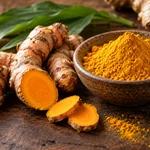
Turmeric
Discover the power of turmeric! This natural plant is the key to better health – from supporting digestion to protecting against inflammation. Turmeric extract with a high curcumin content is a powerful ally for your well-being and vitality. Be inspired by its natural healing properties and start using turmeric as part of your everyday life.
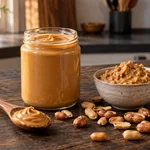
Peanut butter
Immerse yourself in the world of this delicious ingredient, which not only tastes great but also offers a host of health benefits. Discover how it is made and what advantages it brings to your health and everyday diet!
Singaporean street food: how to understand it through hawker culture, iconic dishes, and flavor logic
Singaporean street food is not just "fast food from the street." It is an urban system of dining and cooking that grew out of the multicultural environment of a port city – and it is best understood through hawker centers, specialized stalls, and several iconic dishes. In the article, we will clarify what is typical for Singapore, why Chinese, Malay, Indian, and Peranakan influences meet here, and how to take a practical guide from it: what to taste first and how to tackle Singaporean flavors at home without unnecessary mistakes.
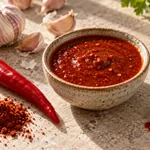
Cajun sauce
Add a spicy touch to grilled meat, fish, or vegetables with Cajun sauce. In this article, you will find its history, tips for use, and simple recipes for perfectly seasoning your dishes.
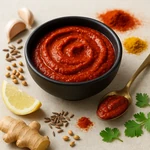
Tandoori Masala: the spice blend that brings authentic Indian flavour to meat and vegetables
Tandoori masala is a bold Indian spice mix made for high heat: aromatic, warmly spiced, and often gently hot. Combine it with yogurt and citrus for a quick marinade that works just as well in a home oven or on the grill as it does in a traditional tandoor.
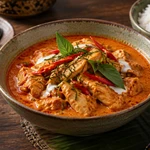
Panang Curry (Thai-Style) – Creamy Coconut Curry with a Peanut Note
Panang curry is a Thai classic: rich coconut sauce, aromatic curry paste, and a gentle nutty depth that makes it feel luxurious without being complicated. This home-friendly version works with chicken, tofu, or seafood and comes together fast enough for a weeknight dinner.
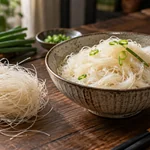
Corn noodles
Discover corn noodles – a healthy and gluten-free alternative to regular noodles! They are ideal for quick and tasty meals, full of fiber and easy to prepare. Read our article and learn more about their history, production, and uses in the kitchen!

Brown rice chili paste
Discover the unique flavor of brown rice chili paste! This article will guide you through the world of exotic flavors and show you how this spicy ingredient can spice up your favorite recipes. Read on to find out how it's made, where to use it, and why you should try it!
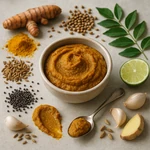
Colombo Curry: The Fragrant Caribbean Spice Blend Cooked Like Curry
Colombo curry (often simply “colombo”) is a Caribbean-style spice blend that behaves a lot like curry powder—but with its own identity. Bloom it briefly in oil, simmer it with chicken, fish, or vegetables, and finish the dish with something creamy (often coconut milk) plus a bright squeeze of lime.
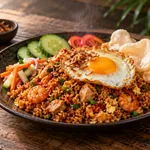
Nasi Goreng (Indonesian Fried Rice) – Easy Weeknight Recipe
Nasi Goreng is Indonesia’s iconic fried rice: smoky, savoury-sweet, and endlessly adaptable. The key is simple—use cold, dry rice and cook everything fast over high heat for that irresistible “wok” aroma.
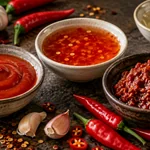
Chili sauce
Want to add a new dimension to your dishes? Chili sauces will liven up grilled foods, tacos, soups, or salads. With different levels of spiciness, everyone can find the right one for them. Whether you're looking for a mild flavor or intense heat, chili sauces will give your dishes an exciting taste experience.

Apple cider vinegar and distilled vinegar
Find out the difference between apple cider vinegar and distilled vinegar and how to use them in the kitchen! Both types of vinegar have their own specific properties that will enrich your cooking. Read our article for more information!

Basmati Rice
Are you wondering why basmati rice is so popular? This aromatic, long-grain rice has a rich history and is perfect for many dishes. Read about its origins, varieties, and the best ways to prepare it!

Rice oil
Discover the secrets of rice bran oil! This versatile oil is becoming increasingly popular not only in the kitchen, but also in cosmetics. In our article, you will find out what makes rice bran oil so special, what properties it has, where you can use it, and why it should be a staple in your household.
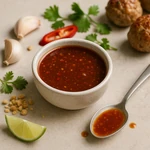
Sauce for Meatballs: How to Get the Flavor (and Texture) Right — with an Asian Twist
Meatballs are reliably good. The sauce is what makes them memorable: it adds aroma, keeps them juicy, and turns “just meatballs” into a dish you want to eat again tomorrow. Here’s a practical way to build a sauce that balances sweet–salty–sour–spicy, clings to the meatballs, and can lean Asian without feeling complicated.
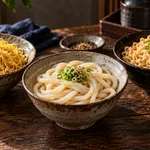
Wheat noodles
Discover the history, production, and different types of wheat noodles that dominate world cuisine. Learn how to prepare them properly and use them in popular recipes such as Kake Udon, Miso Ramen, or Zaru Soba. Read more about their versatile uses!
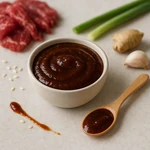
Bulgogi-Style Hoisin Sauce: the Sweet-Umami Shortcut for Fast Marinades and Glossy Glazes
If you like the sticky, savory-sweet finish of Korean BBQ but don’t want to measure ten different ingredients on a weeknight, bulgogi-style hoisin sauce is the kind of pantry helper that earns its space. It’s thick, dark, sweet-umami and designed to work immediately as a quick marinade, a last-minute pan glaze, or a bold dipping sauce.
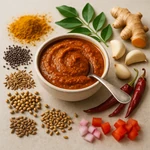
Madras Curry: a Spicy Indian Classic and Easy Ways to Use It at Home
Madras curry is one of the boldest “curry” styles you’ll find in European shops: warming spices, a lively chilli kick, and an aroma that instantly signals comfort food. Here’s what the label usually means, what flavours to expect, and how to turn Madras curry powder or paste into weeknight meals without overthinking it.
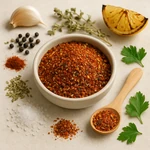
Argentina Grill Seasoning: a Bold “Grilled” Flavor That Also Works in Asian Cooking
Argentina Grill seasoning is the kind of spice blend you reach for when you want instant smoky, roasty “grill energy” on meat, tofu, or vegetables—without planning a marinade. What’s surprising is how naturally it fits into fast Asian-style cooking too: stir-fries, noodles, fried rice, and quick pan sauces all benefit from its warm, savory backbone.
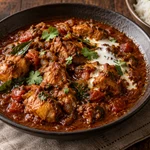
Madras Curry (Spicy South-Indian–Style Curry) – Easy Home Recipe
Madras curry is known for its deep colour, bold aroma and a confident chilli kick. This home-friendly version builds a rich onion-tomato base and finishes with warming spices (or a ready-made Madras curry blend) for a curry that works equally well with chicken, beef, lamb or tofu.
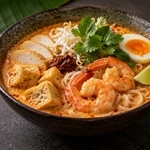
Coconut Curry Noodle Laksa (Easy, Creamy & Comforting)
This coconut laksa is a Southeast Asian-style noodle soup that hits the sweet spot between creamy, fragrant and gently spicy. It comes together fast on a weeknight, and you can make it with chicken, prawns, or tofu—whatever you have.
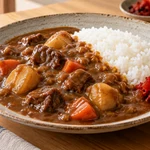
Recipe for Japanese Curry Kare Raisu
Discover the secrets of traditional Japanese curry, Kare Raisu! Learn a simple recipe for a delicious dish that combines exotic flavors with home comfort.
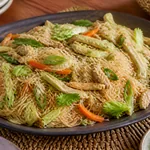
Fried noodles Pancit Bihon
Pancit Bihon or Pancit Guisado are Filipino fried noodles that you will definitely love for their simple preparation and great taste.
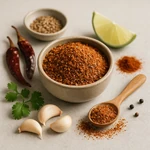
Mexiko Grill Seasoning: How to Get the Most Out of It on the BBQ and in Fast Weeknight Cooking
Mexiko-style grill seasoning is a shortcut to bold, smoky-spicy flavour—great on meat, vegetables, seafood, and plant-based proteins. Used the right way, it works as a quick dry rub, a juicy marinade base, and even a “fusion” seasoning that plays surprisingly well with Asian pantry staples like soy sauce, sesame, and lime.
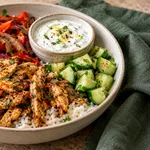
Gyros Seasoning: Flavor Profile, Best Uses, and Why It Works with Rice and Noodles
Gyros seasoning isn’t only for pita nights. This herb-forward blend can instantly give chicken, pork, vegetables, or chickpeas a warm Mediterranean character—and it also fits surprisingly well into quick rice bowls and noodle stir-fries. Here’s what it tastes like, how to use it, and how to avoid the most common mistakes.
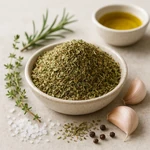
Provençal seasoning: a blend of herbs that enhances both vegetables and meat
Provençal seasoning—often sold as “Herbs de Provence”—is a fragrant mix of dried Mediterranean herbs that can make everyday food taste more rounded and aromatic in seconds. It’s a classic for roasted vegetables and grilled meats, but it also fits surprisingly well into simple Asian-style meals when you want extra aroma without adding complexity.
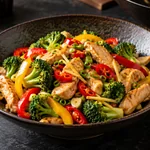
Chilli, Ginger & Garlic Stir-Fry (Fast Weeknight Wok Dinner)
This chilli ginger garlic stir-fry is the kind of dinner you can cook faster than you can order takeaway: sizzling aromatics, crisp-tender vegetables, and a glossy sweet-sour-soy sauce. Make it with tofu, chicken, or just vegetables—one pan, big flavor.
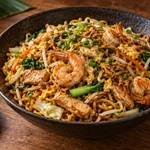
Mee Goreng (Southeast Asian Fried Noodles) – Easy Weeknight Recipe
Mee goreng is the kind of dish you make once and then crave regularly: springy noodles tossed in a sweet-savoury, lightly spicy sauce, finished fast over high heat. This version is flexible (chicken, shrimp, tofu, or veg), works in a wok or large pan, and comes together quickly when you prep everything first.

Light soy sauce
Want to know how to use light soy sauces in the kitchen? Read about their types, flavors, and best uses. Discover how this sauce will enrich your Asian dishes!
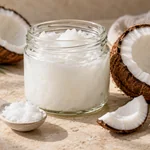
Coconut oil
Discover the secrets of coconut oil! Read our article, where we show you the differences between its types and their benefits for your skin, hair, and health. Find out which one is best for you!
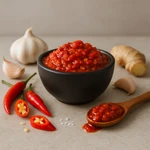
Surinamese Sambal Chilli Paste: What It Is and How to Use It in Everyday Cooking
Surinamese sambal is the kind of chilli paste you keep within arm’s reach: intensely aromatic, fast to use, and powerful in tiny amounts. Stir it into soups, fried rice, noodles, sauces, or marinades when you want real chilli flavour—not just heat.

Broths
Všichni bujóny známe ale opravdu víme jak se používají ty Asijské?
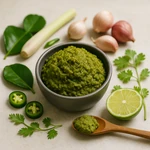
Thai Green Curry: the fresh, herbal classic for coconut sauces and quick stir-fries
Thai green curry is one of those flavors that instantly fills the kitchen: fragrant herbs, lively chili heat, and a silky coconut base. Learn what “green curry” really means, how to handle curry paste for maximum aroma, and how to use it beyond a classic bowl of curry and rice.
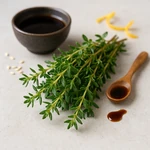
Thyme: What It Tastes Like, When to Add It, and What It Pairs With
Thyme may look modest, but it brings a deep, savory herbal note that can make simple food taste more “finished”. Learn how thyme behaves in cooking (fresh vs. dried), the best timing for adding it, and pairing ideas—including smart ways to use it alongside umami-rich Asian pantry staples.
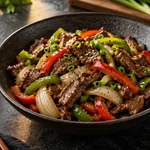
Black Pepper Stir-Fry (Quick Wok Dinner)
This black pepper stir-fry is all about bold aroma, a glossy savory sauce, and crisp-tender vegetables—ready in about 25 minutes. Use chicken, beef, or tofu, and don’t be shy with freshly ground black pepper.
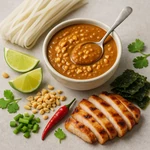
Street food style at home without complicated preparation: how to achieve bold flavor and proper texture
“Street food style at home” is not about copying stalls to the last detail. It’s about understanding why Asian street food works: speed, clear flavor, sauces and final seasoning, contrast of textures, and serving immediately without unnecessary complexity. The article contains a practical guide on how to transfer this logic to the home kitchen – even if you don’t cook from scratch.
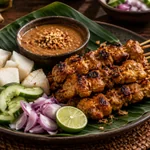
Satay Skewers (Marinated Meat) with Quick Peanut Sauce
Satay is Southeast Asia’s iconic grilled skewer: small pieces of meat soaked in a fragrant marinade, cooked fast over high heat, and served with a creamy peanut sauce. This version is easy to make at home on a grill, grill pan, or in the oven—ideal for weeknights and great for sharing.
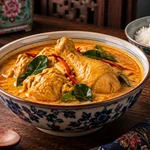
Nyonya (Nonya) Curry Recipe: Creamy Peranakan Curry with Coconut Milk
Nyonya curry is a bold, coconut-rich curry from Peranakan (Straits Chinese) kitchens, where Chinese techniques meet Malay spices. This approachable version delivers a deep, aromatic sauce with a gentle tang—perfect with steamed rice or flaky roti.
Thai soup Tom Yum
Tom yum is characterised by its distinct hot and sour flavours, with fragrant spices and herbs generously used in the broth.
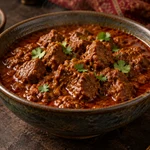
Rogan Josh (Kashmiri Lamb Curry) – A Rich, Aromatic Classic
Rogan Josh is a deep-red, gently spiced curry traditionally associated with Kashmir. This version keeps the focus on whole aromatics, warming ground spices and yogurt for a smooth, clingy sauce—perfect with basmati rice or warm flatbread.
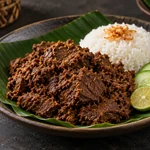
Beef Rendang Curry (Indonesian Slow-Cooked Coconut & Spice Stew)
Rendang is Indonesia’s famous slow-cooked beef cooked down in coconut milk, aromatics, and warm spices until the sauce turns deeply concentrated and clings to every piece. It takes time rather than effort—and the reward is rich, fragrant comfort with a gentle (or fiery) chili kick.
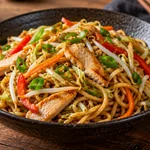
Chow Mein Recipe: Stir-Fried Noodles with Vegetables (and Your Choice of Protein)
Chow mein is all about speed and heat: springy noodles, crisp-tender vegetables, and a savoury sauce that clings to every strand. This flexible recipe shows you the core technique, then lets you swap chicken for beef, tofu, shrimp—or go veggie-heavy.
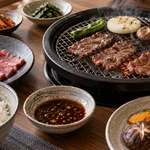
Recipe for Yakiniku sauce and dish
Discover the taste of Japan with our recipe for Yakiniku – juicy meat, delicious marinades, and grilling right at your table! Simple, quick, and irresistibly delicious!
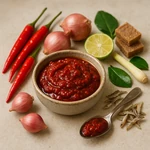
The taste of Malaysian cuisine: how to recognize it, why it is so diverse and how to build it at home
Malaysian cuisine cannot be reduced to one “typical” flavor. It is a living mix of Malay, Chinese, Indian, Peranakan and local Bornean influences – and you will often find them all on one plate. In this guide we will show you how to reliably recognize Malaysian taste, how it differs across dishes and regions, and how to practically construct its most important flavor pillars at home.
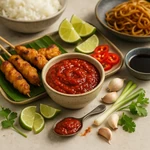
Asian Street Food: Basic Overview
Asian street food is not just "food from the street" for tourists. In many cities, it is an everyday way of eating: fast, affordable, often incredibly specialized, and closely connected to a specific place and distinctive taste. This overview will clarify what is typical for Asian street food, where you can encounter it, and how to quickly navigate it—even if you want to explore it mainly at home.
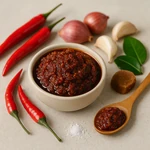
Sambal Badjak: Indonesian Chili Paste with Onion & Garlic (How to Use It Well)
Sambal Badjak is a cooked Indonesian-style chili paste that brings more than heat: it adds savory onion and garlic notes and a gentle sweetness that rounds out quick weeknight meals. Here’s what makes it different from simpler sambals and how to get the best flavor from just a spoonful.
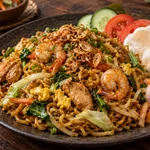
Bami Goreng Noodles (Indonesian-Style Fried Noodles) — Easy Weeknight Recipe
Bami Goreng is Indonesia’s beloved fried noodle dish: springy noodles tossed in a savory-sweet soy seasoning, quickly stir-fried with vegetables and your choice of chicken, shrimp, or tofu, then finished with egg and a squeeze of lime. This version is fast, flexible, and designed to work well on a home stovetop.
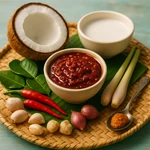
How to start with Singaporean cuisine: from hawker logic to your first meals at home
Singaporean cuisine is best understood as an urban, port “crossroads of flavors”: Chinese, Malay, Indian and other influences live side by side and create dishes with a clear identity. If you want to start at home, the goal is not to cook “all of Singapore,” but to pick a few typical hawker specialties, understand the role of rice and noodles, broth and coconut components, and learn to work with chilli dips (sambal) and table-seasonings.
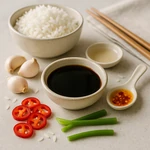
Where to start in Asian cuisine based on what you like (and how much time you want to cook)
The most common dead end for beginners is trying to start "Asian cuisine" as one package. In practice, however, individual cuisines (Japanese, Chinese, Korean, Vietnamese, Thai, Indian, etc.) work differently: they have different flavors, different cooking pace, and different pantry requirements. It is much better to choose your first entry door – according to the style of dishes you like – and only then deal with the details.
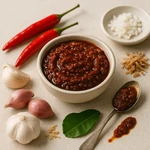
Nasi Goreng Chilli Paste: What It Tastes Like and How to Use It for Indonesian Fried Rice
Nasi goreng is one of Southeast Asia’s most loved “use-what-you-have” dishes—fragrant fried rice that can be mild, smoky, or seriously spicy. A nasi goreng chilli paste gives you that street-food style flavour base in minutes: warm it in oil, toss in cold rice, and build the rest from whatever’s in your fridge.
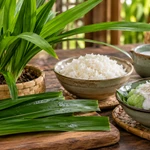
Pandan plant
Discover the secrets of this exotic plant that will give your dishes a unique aroma and flavor. Immerse yourself in the fascinating history, uses, and recipes featuring pandan, which will open up new gastronomic horizons!
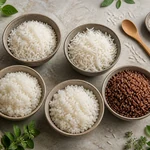
All about rice
We all love rice. In this article, we look at premium varieties like Jasmine and Basmati rice.
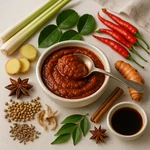
Influences in Malaysian cuisine: how the Malay base, Chinese wok, and Indian spices meet
Malaysian cuisine is hard to describe in one sentence because it is not "one" – it is a practical mix of several cuisines that historically met in one territory. These influences (Malay, Chinese, Indian, Peranakan, and Bornean) explain why coconut rice plates, broth noodle soups, and richly spiced dishes coexist – and why it makes sense to learn to read them as different culinary branches.
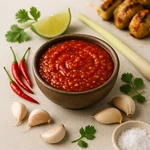
Orient Grill Seasoning: the spice blend that gives barbecue an exotic edge
When you want grilled food to taste instantly more “special,” a warm, aromatic spice blend can do more than an extra sauce ever will. Orient-style grill seasoning is made for high heat: it clings well, perfumes the grill, and works on meat, fish, tofu, and vegetables—either as a dry rub or a quick marinade.
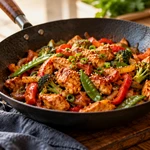
Sweet paprika how to use it in Asian cuisine
Sweet paprika is often treated as a “background” spice, but it can do three very practical things at once: deepen colour, add gentle sweetness, and round out sharp flavours—without extra heat. That’s exactly why it fits not only European staples, but also many everyday Asian stir-fries, noodle dishes, rice bowls, and soups.
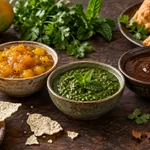
Chutney
Discover the magic of chutneys, sauces that will liven up any dish. Whether you like sweet mango, spicy garlic, or refreshing coriander, each variety adds a unique flavor. Learn how to use them with your favorite foods and discover new flavors.
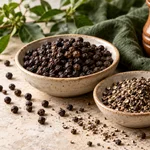
Whole Black Peppercorns: How to Use Them for Maximum Aroma in Asian Cooking
Whole black peppercorns aren’t just a “finish with pepper” ingredient. Used at the right moment—cracked, gently toasted, or simmered—they add warmth, depth, and a lively peppery lift to broths, curries, marinades, and stir-fries across Asian cuisines.
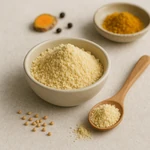
Ground White Mustard Seed: Flavor, Timing, and Smart Ways to Use It
Ground white mustard seed is a quiet workhorse in the spice cupboard: it brings a gentle heat, a warm mustard aroma, and extra “body” to sauces and marinades. Used well, it can deepen everything from salad dressings and rubs to Asian-style curries and stir-fry sauces—without overpowering the dish.
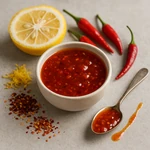
Sweet-Spicy Chili Sauce with Yuzu: Citrus Heat That Lifts Any Dish
Sweet-spicy chili sauce is already a kitchen shortcut for instant flavor—but add yuzu and it becomes something brighter and more versatile. The gentle sweetness helps it cling to food, the chili brings warmth, and yuzu adds a crisp citrus aroma that can make fried, grilled, or rich dishes taste lighter and more defined.
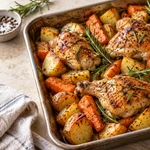
Rosemary: The Aromatic Herb That Lifts Roasts, Potatoes, and Marinades
Rosemary is one of those herbs that can make a dish taste “finished” with almost no effort. Used sparingly, its piney, resinous aroma deepens roasted meats, vegetables, and olive-oil based marinades—and it can be surprisingly effective in modern Asian-inspired grilling and umami-rich sauces, too.
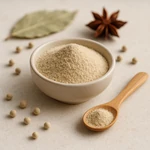
Ground White Pepper: Subtle Heat for Asian Dishes and Everyday Classics
Ground white pepper is a quiet workhorse: it brings a clean, warming pepper bite without the black flecks that can distract in pale soups and creamy sauces. Used thoughtfully, it can lift everything from Chinese broths and stir-fries to mashed potatoes and gravy.
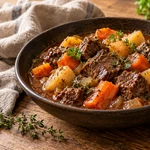
New ground spices: how they taste and what they are suitable for
Ground allspice (often called “allspice powder”) is one of those quiet pantry staples that can transform a dish with just a pinch. It’s sweet-warm, intensely aromatic, and surprisingly versatile—useful not only in Western soups and pickling, but also as a subtle depth booster in Asian marinades, stir-fry sauces, and rice.
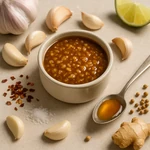
Garlic Marinade: How to Get the Most Out of It (Especially in Asian-Style Cooking)
Garlic marinade is one of those kitchen shortcuts that doesn’t feel like a shortcut: it can make chicken, pork, tofu, or vegetables taste deeper, smell incredible, and stay juicier—fast. The trick is knowing how garlic behaves with heat, how long to marinate different ingredients, and how to balance sweet, salty, and acidic notes for Asian-inspired results.
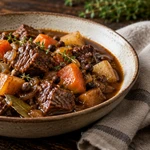
Allspice: how to use it and what to combine it with?
Whole allspice berries look modest, but a few pieces can transform a pot of broth, rice, or braise. Their aroma sits somewhere between clove, cinnamon, and pepper—warm, gently sweet, and surprisingly versatile. Here’s how to dose them, when to add them, and how to use them in Asian-inspired dishes without overpowering the food.
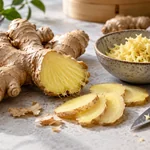
Ginger
Ginger is a wonderful natural remedy that will enrich your health and taste buds. Read about its benefits, how to use it in the kitchen, and what forms it comes in.
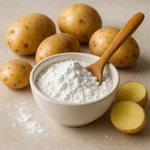
Potato Starch: The Quiet Trick Behind Extra Crispy Coatings and Silky Sauces
Potato starch doesn’t look like much, but it can change the texture of your cooking in minutes. Used the right way, it turns pan sauces glossy, helps soups feel rounder without tasting “floury,” and creates a light, shatteringly crisp crust on tofu, chicken, mushrooms, or vegetables—one of the small restaurant-style techniques that shows up again and again in Asian home cooking.
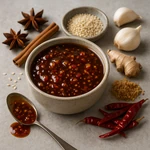
Spice for Honey-Glazed Ribs: Building a Sweet-Savory, Asian-Inspired Sticky Finish
Honey ribs feel “restaurant-level” because the flavor hits in layers: sweet up front, savory in the middle, and warm spice in the finish—plus that glossy, sticky glaze. The secret isn’t complicated technique; it’s choosing a spice profile that can season the meat and still shine after caramelization.
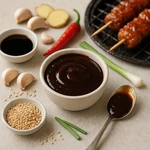
BBQ Grill Seasoning: Smoky, Sweet-Heat Flavor for Meat and Vegetables
“Barbecue” isn’t only a sticky sauce—it’s a flavor profile. A good BBQ grill seasoning brings smoky aroma, gentle sweetness, and a peppery kick that works just as well on chicken and ribs as it does on corn, mushrooms, tofu, or eggplant. Here’s how to use it as a dry rub, in a quick marinade, or as a finishing glaze—with a few Asian-inspired twists for extra umami.
