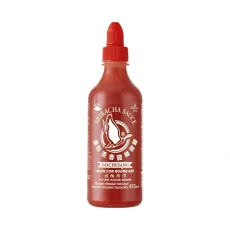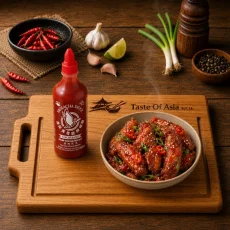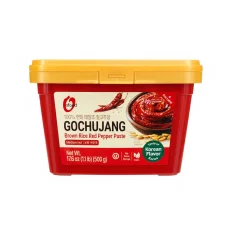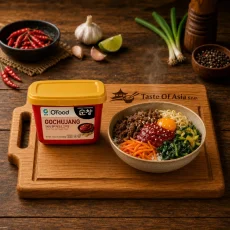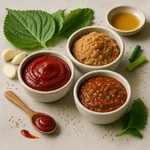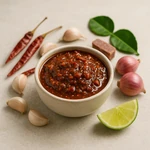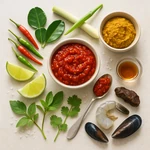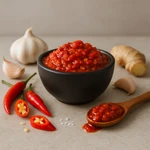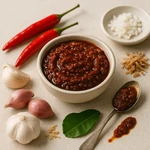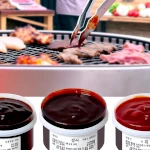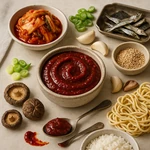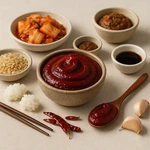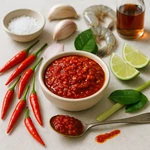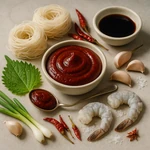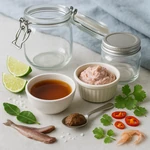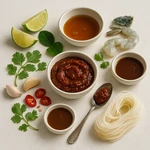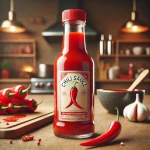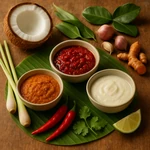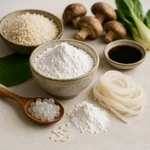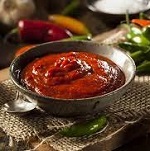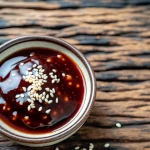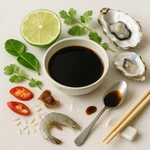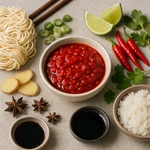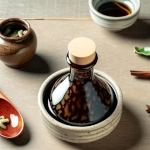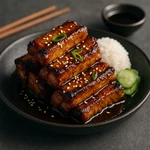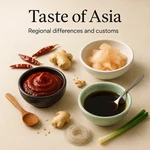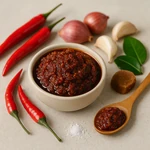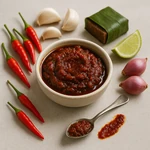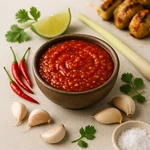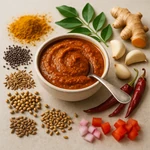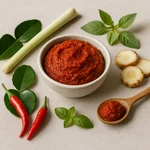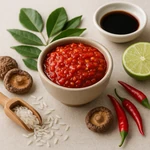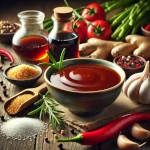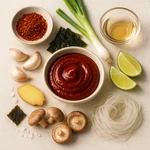



Korean “jang” – that is fermented sauces and pastes – are the flavor backbone of the entire cuisine. In practice, however, confusion often arises: gochujang, doenjang, and ssamjang look like “some dark pastes,” but each has a different role. In the article, we will show what to expect from them, how to use them in everyday cooking, and why it’s not worth mixing them up.

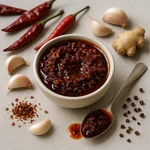
Chilli paste in oil is the “one-spoon upgrade” for weeknight noodles, rice bowls, soups, and stir-fries. It delivers heat, deep roasted aroma, and a flavour-carrying oil in one jar—so you can build a more complex taste without making a full sauce from scratch.

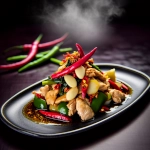
This chilli ginger garlic stir-fry is the kind of dinner you can cook faster than you can order takeaway: sizzling aromatics, crisp-tender vegetables, and a glossy sweet-sour-soy sauce. Make it with tofu, chicken, or just vegetables—one pan, big flavor.

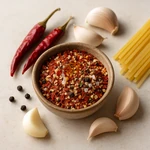
Aglio, olio, peperoncino: garlic, oil and chilli. It’s a minimalist Italian flavour trio that tastes bold, warm and clean when done right. In a ready-made seasoning blend, you get the same idea in a quicker, more consistent form—useful not only for spaghetti, but also for stir-fried noodles, rice bowls and quick wok dinners.

Maengda chilli paste is one of those Thai pantry shortcuts that can make plain rice, noodles, or a quick stir-fry taste “finished” in seconds. It’s not just about heat—its signature is a bold, lingering aroma and a concentrated savoury profile. Here’s what “Maengda” means, what to expect from the flavour, and how to use it well at home.

Surinamese sambal is the kind of chilli paste you keep within arm’s reach: intensely aromatic, fast to use, and powerful in tiny amounts. Stir it into soups, fried rice, noodles, sauces, or marinades when you want real chilli flavour—not just heat.

Chilli in Asian cuisine is not just a “test of courage.” In a balanced dish, spiciness is one layer of flavor – it can add energy, contrast, and depth, but only when you know what type of heat you are adding and what role a specific product plays. For a beginner, the key difference is between plain chilli, sambal, and curry paste.

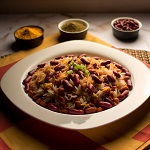
Nasi goreng is one of Southeast Asia’s most loved “use-what-you-have” dishes—fragrant fried rice that can be mild, smoky, or seriously spicy. A nasi goreng chilli paste gives you that street-food style flavour base in minutes: warm it in oil, toss in cold rice, and build the rest from whatever’s in your fridge.

Discover the magic of Korean BBQ! With delicious sauces and tasty side dishes, you'll enjoy an unforgettable grilling experience full of flavors you'll love.

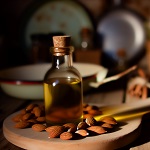
Discover the power of almond oil in the kitchen! Ideal for cooking, baking, and seasoning, almond oil offers a delicate flavor and nutritional benefits. Read on to learn how to use it in your everyday cooking!

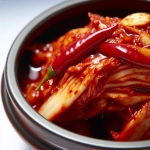
Want to know what kimchi is and how it's made? Read about this traditional Korean delicacy, its origins, different types, and methods of preparation. Discover why kimchi has become popular around the world!

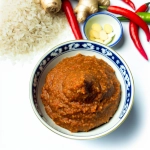
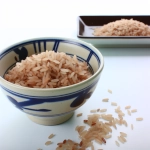
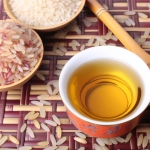
Discover the unique flavor of brown rice chili paste! This article will guide you through the world of exotic flavors and show you how this spicy ingredient can spice up your favorite recipes. Read on to find out how it's made, where to use it, and why you should try it!

The Korean "pantry" is not a list of exotic groceries, but a set of flavor foundations that make even simple dishes start to make sense. When you understand how fermented pastes and sauces (jang) work, the role of kimchi, why sesame is often used only at the very end, and how Korean soy sauces differ, Korean cuisine will come together for you into a clear system – not a random spicy mix.

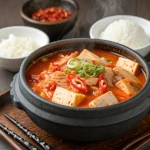
Kimchi soup is the kind of Korean comfort food that tastes bigger than its ingredient list: tangy, spicy, and deeply savory. This version uses pork and tofu for a hearty bowl you can cook on a weeknight—especially if you have well-fermented kimchi in the fridge.

Korean cuisine is not just about spiciness and kimchi. We will explain the layers of flavors that make up Korean dishes – fermented bases (jang), types of spiciness, the role of rice, and working with textures – and provide specific, practical advice on how to safely put this together at home.

Substitutes for Asian ingredients are practical — and at the same time deceptive. Often you’re not simply swapping “one thing for another,” but trying to replace a function: saltiness, umami, acidity, sweetness, aroma or texture. In this article you’ll find a system for making substitutions properly and with as little disappointment as possible — including cases when it’s better to admit a full substitute doesn’t exist.

Why does brown rice deserve a place in your kitchen? This article will introduce you to all its benefits, ways to prepare it, and tips on how to incorporate it into your favorite dishes. Discover how brown rice can enrich your diet and give it that extra something!

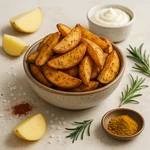
“American potatoes” in Central Europe usually means oven-baked potato wedges with bold seasoning: crisp on the outside, fluffy inside, and made for dipping. This guide breaks down what makes wedges truly crunchy, how to season without burning spices, and how to pair them with punchy (including Asian-inspired) sauces.

Fermented sauces and pastes are among the most important "flavor bases" in Asian cuisines: in small amounts, they can provide umami, depth, aroma, and the finished character of a dish. To work as they should, they need, besides proper use, reasonable home storage – especially after opening, when you work with them by teaspoons and drops.

Fermentation is one of the key methods in Asian kitchens to create depth of flavor, umami, aroma, and a "finished taste" – often even in dishes that rely on only a few ingredients. This guide will help you navigate the main groups of fermented bases (from soy sauces through pastes to fish and marine ferments), understand their role, and avoid common mistakes in selection and use.

Fermentation is not just a 'preservation trick'. In Asian cuisines, it is one of the main ways to create umami, smooth out sharp taste edges, change the texture of ingredients, and build a huge palette of sauces, pastes, side dishes, and soups from a few basics. This article will give you solid foundations: what fermentation means in the kitchen, why it is not the same as probiotics, what types of ferments exist, and how to start with them at home practically (even if you haven't fermented anything yourself yet).

Fermented and specialty soy products are two different things in the kitchen at once: some of them act as a flavor base (soy sauces, fermented pastes), others are standalone ingredients with their own texture (yuba, aburaage, fermented tofu). Once you clarify that role, the “similar” names will stop confusing you and you’ll start choosing based on what the ingredient should actually do in the dish.

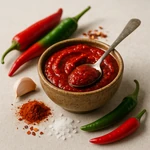
Chili paste can not only make food "spicy," but also give it a complete flavor, depth, and often umami. The key difference is whether the paste is fermented (and behaves like a concentrated base), or if it is more of a chili blend or chili paste in oil meant for quick seasoning. In this article, we compare the main types of fermented chili pastes in Asia, how to recognize them by their role in the kitchen, how to start using them at home, and how to avoid the most common mistakes.

In Asian cooking, you often don’t find a "secret ingredient" but a logic of the place: what can be grown, what can be preserved for a long time, what ingredients the sea or river brings, what flavors develop through fermentation, and how cultural rules and urban rhythms influence dishes. This article shows how to read these contexts – and how to practically apply them at home so you choose the right ingredients and cook with greater confidence.

Fermented foods in Asian cuisine are more than just "something healthy": they often form the flavor backbone of a dish, bringing umami, depth, and a characteristic aroma. That's why it makes sense to address storage practically – so that the ferments remain safe, but also retain the best taste, aroma, and texture for as long as possible.

For Asian sauces, pastes, and noodles, it's often not about whether they are "still edible." Much earlier, their aroma, flavor purity, or texture can change – and thus affect the overall outcome of the dish. The article provides a practical system for storing opened sauces and pastes at home, what to watch for with dried noodles, and how to avoid the most common mistakes.

Want to add a new dimension to your dishes? Chili sauces will liven up grilled foods, tacos, soups, or salads. With different levels of spiciness, everyone can find the right one for them. Whether you're looking for a mild flavor or intense heat, chili sauces will give your dishes an exciting taste experience.

Singaporean cuisine is not a "single national cuisine" in the traditional sense. It is an urban, port, and multicultural gastronomy that arose from the meeting of Chinese, Malay, Indian, Peranakan, and other influences – and is best understood through specific dishes and the environment where they are eaten every day. This guide features iconic Singaporean dishes, explanations of what makes them typical, and practical tips on how to approach them at home without unnecessary mistakes.

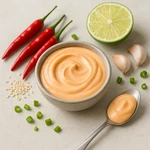
Sriracha Mayo blends the garlicky chilli kick of Sriracha with the rich, smooth texture of mayonnaise. The result is an easy, all-purpose dip and drizzle that works just as well with sushi and poke as it does with fries, sandwiches, or noodle bowls.

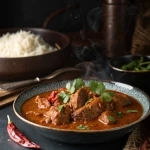
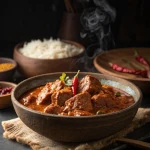
Rogan Josh is a deep-red, gently spiced curry traditionally associated with Kashmir. This version keeps the focus on whole aromatics, warming ground spices and yogurt for a smooth, clingy sauce—perfect with basmati rice or warm flatbread.

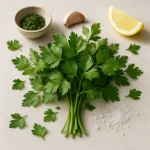
Parsley leaf is easy to overlook because it rarely steals the spotlight—but that’s exactly why it’s so useful. A small pinch can brighten a broth, clean up a rich sauce, and add a fresh green finish to fish or grilled meats. Fresh and dried versions behave differently, so knowing when to use which makes everyday cooking noticeably more balanced.

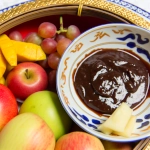
What is fruit dip and why is it so popular? Discover how it can add a new dimension of flavor to fruit! From fresh yogurt to creamy sweet varieties—get inspired and find out why fruit dips are a hit at every party and a favorite part of healthy snacks.

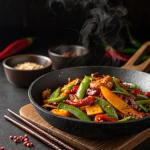
This Sichuan-style stir-fry is all about contrast: tender slices of chicken, crisp vegetables, and a bold, glossy sauce with chilli heat and that signature tingly “mála” kick from Sichuan peppercorns. It’s fast, weeknight-friendly, and easy to adapt to whatever you have in the fridge.

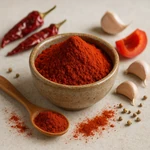
Sweet paprika is often treated as a “background” spice, but it can do three very practical things at once: deepen colour, add gentle sweetness, and round out sharp flavours—without extra heat. That’s exactly why it fits not only European staples, but also many everyday Asian stir-fries, noodle dishes, rice bowls, and soups.

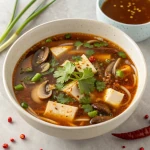
Hot & Sour soup is all about contrast: a warming chilli kick balanced by bright vinegar, plus satisfying textures from mushrooms, tofu, and silky egg ribbons. This home-friendly version comes together fast and is easy to adjust—make it sharper, hotter, or heartier depending on what you crave.

Asian cuisine can be great for gluten-free eating – it often relies on rice, legumes, vegetables, coconut, and fermented flavors. However, it can also surprise with "hidden" gluten in sauces, wheat noodles, coatings, or cross-contact during preparation. In the article, we clarify which dishes are naturally gluten-free, which are sometimes gluten-free, and how to navigate this at home and when ordering.

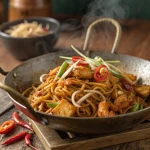
Mee goreng is the kind of dish you make once and then crave regularly: springy noodles tossed in a sweet-savoury, lightly spicy sauce, finished fast over high heat. This version is flexible (chicken, shrimp, tofu, or veg), works in a wok or large pan, and comes together quickly when you prep everything first.

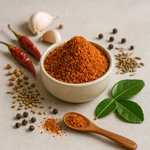
Hot paprika is one of the quickest ways to add warmth, color, and a rounded peppery aroma—without reaching for fresh chillies. Used well, it builds a pleasant heat that supports other flavors; used carelessly, it can turn bitter or overpower a dish. Here’s how to choose, dose, and combine hot paprika so the spice stays balanced, including practical tips for Asian-style meals.

Currently one of the most popular chilli sauces in the world. Recipe for homemade Sriracha!

Singaporean cuisine is best understood as an urban, port “crossroads of flavors”: Chinese, Malay, Indian and other influences live side by side and create dishes with a clear identity. If you want to start at home, the goal is not to cook “all of Singapore,” but to pick a few typical hawker specialties, understand the role of rice and noodles, broth and coconut components, and learn to work with chilli dips (sambal) and table-seasonings.

“The history of Asian cuisines” is not a single timeline and a few famous dishes. It is the story of how climate, available crops, seas and rivers, religion, trade, migration and urban life gradually created very different cooking styles. The article will help you navigate the main differences (rice vs. wheat, coast vs. inland, fermentation vs. coconut vs. spices) and give you practical tips on how to choose a direction at home according to taste and how to get started.

Hoisin sauce is the sweet-savoury, deeply aromatic condiment that can make a simple stir-fry taste restaurant-level in minutes. Learn what’s inside, what it pairs with, and how to avoid common mistakes—plus a few fast ways to use it beyond dipping.

Discover the secrets of yuzu paste—a citrus ingredient that will give your dishes a fresh and exotic flavor. Read on to learn how to use it in marinades, sauces, or cocktails and take your cooking to the next level!

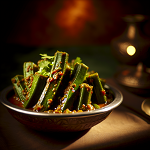
An excellent recipe for a delicious Indian dish, Bhindi Masala.

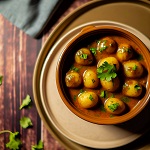
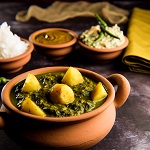
Dum Aloo is a traditional Indian delicacy. Try this recipe!

“Northern vs. southern tastes” is a useful shorthand for quickly orienting yourself in Asian food — but we mustn’t take it as an exact map. In this article we’ll show what this concept really means, why it arose, what the typical differences in ingredients and techniques are, and how to extract practical tips for home cooking.

Discover the secrets of aged vinegar! How does this delicately fermented elixir affect the taste of your dishes, and what can it offer your kitchen? Find out how different vintages of vinegar bring unique properties and how you can use them to create perfect dishes. Read our article and get tips on how to incorporate aged vinegar into your everyday cooking!

These oven-baked ribs get their “restaurant shine” from a simple two-step method: slow, covered roasting until tender, then quick high-heat glazing with a honey–soy sauce reduction scented with garlic and ginger. The result is deeply savory, gently sweet, and irresistibly sticky.

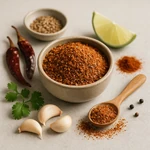
Mexiko-style grill seasoning is a shortcut to bold, smoky-spicy flavour—great on meat, vegetables, seafood, and plant-based proteins. Used the right way, it works as a quick dry rub, a juicy marinade base, and even a “fusion” seasoning that plays surprisingly well with Asian pantry staples like soy sauce, sesame, and lime.

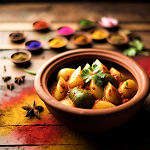
Spicy Potatoes with an Indian Touch.

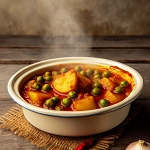
Aloo Matar is a classic dish in Indian cuisine.

Vindaloo is a bold Goan curry known for its deep chilli heat and a distinctive tang from vinegar and garlic. This home-style recipe gives you a rich, thick sauce and tender meat—plus easy ways to adjust spice and acidity so it tastes intense, not harsh.

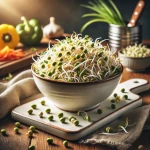
Discover the benefits of mung bean sprouts! In this article, you will learn how to easily grow them at home and how to use them in various dishes, from salads to stir-fries. Ideal for healthy and tasty cooking!

Regional style in Asia is not a minor detail – it is the key to why the same "Asian" dish can be based on broth and fermentation in one place, and elsewhere on coconut, herbs, or spices. In this article, we will create a practical map: what creates regional differences, how they appear in everyday food, and how to choose a direction that will work for you at home according to your taste.

Try this unique recipe for a traditional Indian delicacy.

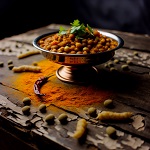
Punjabi Choley with Tadka is a delicious Indian curry with chickpeas that you can easily prepare at home and enjoy the authentic taste of India.

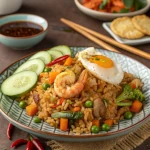
Nasi Goreng is Indonesia’s iconic fried rice: smoky, savoury-sweet, and endlessly adaptable. The key is simple—use cold, dry rice and cook everything fast over high heat for that irresistible “wok” aroma.

Ground meat is a weeknight workhorse—fast, versatile, and easy to portion. But it can taste surprisingly flat unless you build aroma and balance. This guide explains how to season ground meat on purpose: what flavors work, when to add spices, how to control heat and salt, and how to lean into Asian-inspired profiles with minimal effort.

Ginger is a wonderful natural remedy that will enrich your health and taste buds. Read about its benefits, how to use it in the kitchen, and what forms it comes in.

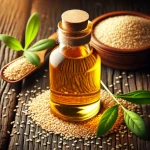
Sesame oil is a great way to enrich your dishes with a rich flavor while reaping health benefits. Full of healthy fats and antioxidants, this oil is ideal for seasoning, marinating, and cooking. Try it in Asian and European recipes and discover how it can enrich your culinary experiences.

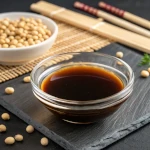
Want to know how to use light soy sauces in the kitchen? Read about their types, flavors, and best uses. Discover how this sauce will enrich your Asian dishes!

“Thai-style curry” is often a convenient label for a ready-to-use curry base inspired by Thai cooking—fragrant herbs, warm spices, and a gentle to medium heat that turns into a creamy sauce with coconut milk. Here’s what that wording typically means, how the taste differs from other curry pastes, and how to get consistently good results in everyday home cooking.

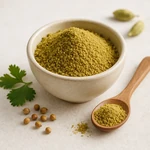
Ground coriander is an easy-to-overlook spice that quietly makes dishes taste more “finished”. It softens harsh heat, lifts citrusy notes, and helps connect bold aromatics in curries, soups, marinades, and stir-fries—if you add it at the right moment.

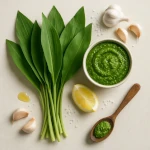
Wild garlic—also known as ramsons—is one of those short-season spring ingredients that can instantly make food taste brighter. It brings a fresh, leafy garlic character without the harsh bite of raw cloves, which makes it surprisingly easy to weave into quick Asian-style stir-fries, noodle dishes, coconut curries, and rice paper rolls.

Rajma Pulao is a traditional Indian delicacy with a modern twist.

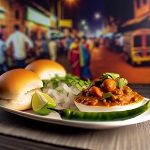
Bombay Pav Bhaji is a nutritious and tasty recipe full of vegetables. Try it for yourself!

Punjabi Choley recipe that brings the traditional taste of India.

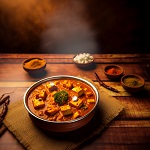
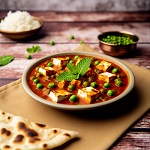
Let's cook a delicious paneer makhani together that will delight every foodie!

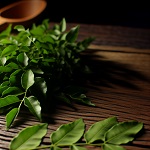
Are you interested in how to use curry leaves in the kitchen? This aromatic ingredient is key to many Indian dishes. Read on to learn how to use curry leaves correctly for authentic and delicious food.

Ground cinnamon is one of those pantry staples that can change a dish with a single pinch. Most people reach for it in baking or coffee, but it can be just as useful in savoury cooking—especially in Asian recipes where coconut milk, rice, chilli heat, and aromatic spices are balanced in one pot.

Indonesian cuisine is a huge island world – from Sumatra through Java to Bali – yet it has a few common ingredients that you recognize at the first taste. In this guide, you will find an overview of key Indonesian ingredients, their role in the food, main differences (especially in sambal, kecap manis, and coconut products), and a practical guide on how to cook with them without unnecessary mistakes.

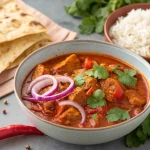
Madras curry is known for its deep colour, bold aroma and a confident chilli kick. This home-friendly version builds a rich onion-tomato base and finishes with warming spices (or a ready-made Madras curry blend) for a curry that works equally well with chicken, beef, lamb or tofu.

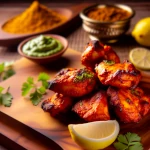
Tandoori tikka is all about a tangy yogurt marinade, warming spices, and high heat that gives the chicken those irresistible charred edges. This home-friendly version is designed for a regular oven or outdoor grill—no tandoor required.

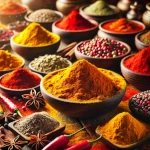
Curry spice is less a single seasoning and more a shortcut to layered flavour—warm, earthy, aromatic, sometimes spicy. Learn what “curry powder” really means, how it differs from curry pastes, and how to get the most from it in everyday cooking.

Want to know how Worcester sauce can spice up your favorite recipes? Read our article and find out how this versatile condiment adds unique flavor to your dishes!

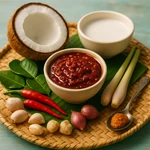
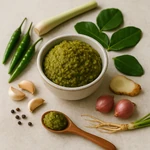
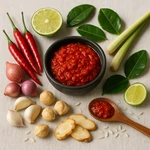
Sambal Badjak is a cooked Indonesian-style chili paste that brings more than heat: it adds savory onion and garlic notes and a gentle sweetness that rounds out quick weeknight meals. Here’s what makes it different from simpler sambals and how to get the best flavor from just a spoonful.

Discover the secrets of rice bran oil! This versatile oil is becoming increasingly popular not only in the kitchen, but also in cosmetics. In our article, you will find out what makes rice bran oil so special, what properties it has, where you can use it, and why it should be a staple in your household.

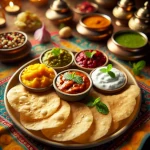
Are you curious about the secrets behind this traditional flatbread, which is popular all over the world? Read our article, where we will introduce you to the history of papadum, its different varieties, and ways of serving it. Learn how to prepare this delicious piece of Indian cuisine at home and discover how it can be the perfect addition to your diet.

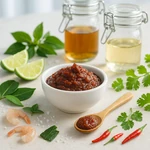
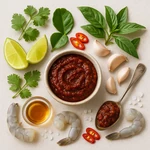
Sambal trassi is one of those Southeast Asian condiments that can transform a plain bowl of rice into something deeply savory and exciting. It combines hot chili with the unmistakable, funky depth of trassi (also spelled terasi)—a fermented shrimp paste that brings saltiness and intense umami.

When you want grilled food to taste instantly more “special,” a warm, aromatic spice blend can do more than an extra sauce ever will. Orient-style grill seasoning is made for high heat: it clings well, perfumes the grill, and works on meat, fish, tofu, and vegetables—either as a dry rub or a quick marinade.

Madras curry is one of the boldest “curry” styles you’ll find in European shops: warming spices, a lively chilli kick, and an aroma that instantly signals comfort food. Here’s what the label usually means, what flavours to expect, and how to turn Madras curry powder or paste into weeknight meals without overthinking it.

Všichni bujóny známe ale opravdu víme jak se používají ty Asijské?

Discover the power of the ocean on your plate! Seaweed brings unique flavors and nutritional properties to the kitchen. From sushi to soups, its uses are endless. Add this natural ingredient to your diet to boost your health and enrich your meals!

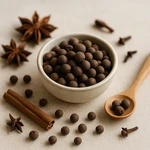
Whole allspice berries look modest, but a few pieces can transform a pot of broth, rice, or braise. Their aroma sits somewhere between clove, cinnamon, and pepper—warm, gently sweet, and surprisingly versatile. Here’s how to dose them, when to add them, and how to use them in Asian-inspired dishes without overpowering the food.

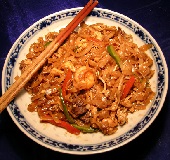
Pad thai, phat thai nebo phad thai jsou smažené rýžové nudle, v Thajsku běžně prodávané na ulici, které si určitě zamilujete pro svou jednoduchou přípravu a skvělou chuť.

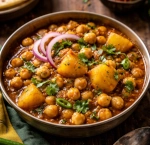
Let's prepare a recipe for Aloo Choley, a delicious Indian dish made from potatoes and chickpeas, full of spices and flavors that will transport you right to the heart of India!

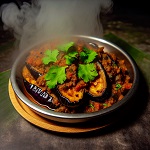
Try our quick recipe for Baingan Bharta, a delicious and authentic Indian delicacy that you will love!

Discover the secrets of fermented spirit vinegar! This versatile helper can be used not only in the kitchen, but also for cleaning and gardening. In this article, you will learn how it can save you money, replace chemical cleaning products, and even contribute to a more sustainable household.

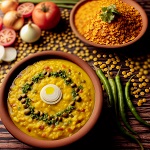
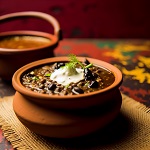
Cook Delhi Dal Makhani, a creamy Indian specialty made from black lentils and beans, cooked with aromatic spices and cream for an unforgettable taste!

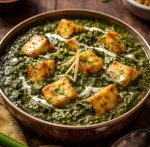
Prepare delicious Palak Paneer at home and discover the delicious combination of spinach and cheese in Indian style!

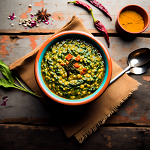
Try our recipe for Daal Palak, a delicious combination of lentils and spinach that will warm you up and delight you with its balanced flavor!

Thin slices are a great ingredient for anyone looking for simplicity, versatility, and flavor variety. Use them to make fresh spring rolls, delicious appetizers, or even sweet desserts. Find out how easily they can become the basis for your favorite dishes!

Try this delicious recipe for Matar Paneer, a tasty Indian dish that will warm you up and delight your taste buds!

Thai food can taste “very bold”, but its strength is rarely one dominant flavour. What’s typical is layering: first you build an aromatic base (often with pastes), then you season gradually (for example with soy sauce), and only at the end you fine-tune heat and top aromas. When these steps get swapped or pushed too hard, the result is often just spicy, over-salty, or oddly flat. This guide gives you a practical framework for building Thai flavour at home step by step—and for fixing the most common problems.

"Island cuisines of Asia" is not one style nor one typical flavor. It is a collection of regional cuisines that developed in island and coastal environments – where cooking is shaped by the sea, climate, local agriculture, as well as trade and migration. In this guide, we will focus on the island axis of Southeast Asia (Indonesia, the Philippines, Malaysia, and the Singaporean mix of influences) and show how to interpret these influences in the taste of food and how to assemble a foundation at home to orient yourself practically, not just based on impressions.

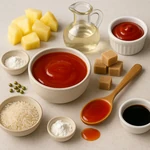
Discover the secrets of sweet and sour sauces. Learn how to make them and use them in various dishes, from fried foods to noodles and dips. This article will show you how to add new dimensions to your favorite meals.

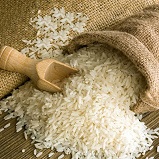
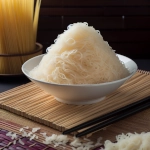
We all love rice. In this article, we look at premium varieties like Jasmine and Basmati rice.

Korean cuisine can seem "wild" – spicy, fermented, and full of new names. In reality, however, it is very logical: it is based on rice, soups, smart fermented foundations, and small side dishes that balance flavor and texture. In this guide, you will clarify what is typical for Korea, which basics make sense to acquire first, and how to cook your first Korean week at home without unnecessary mistakes.

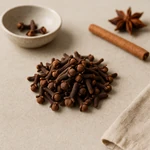
Whole cloves can transform a pot of rice, a slow-simmered sauce, or a cup of tea with just a couple of buds. This guide explains what whole cloves taste like, why they’re used in Asian cooking, how to dose them without overpowering a dish, and when to keep them whole rather than grind them.

Korean cuisine is not just "spicy and kimchi." It is built on a thoughtful use of fermented bases, contrasts of flavors, and the harmony of rice, soup, and several smaller side dishes at the table. In this guide, you will clarify which ingredients make the Korean flavor Korean, what functions they have in the food, and how to select and use them at home without unnecessary mistakes.