mung bean sprouts
Products


Nan Fen Zhuang Glass noodles 100 g
Articles

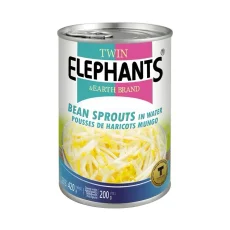
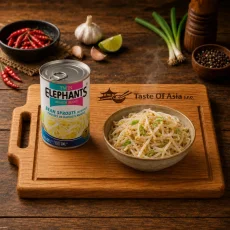
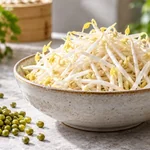
Mung bean sprouts
Discover the benefits of mung bean sprouts! In this article, you will learn how to easily grow them at home and how to use them in various dishes, from salads to stir-fries. Ideal for healthy and tasty cooking!

First purchase for the Asian pantry: what to buy to make cooking easy (and without unnecessary mistakes)
The Asian pantry is not a list of “exotic” items you have to buy all at once. It’s a thoughtful foundation that lets you repeatedly cook dishes with a clear character at home – even when you don’t have a full fridge. In this guide, you’ll clarify what is good to buy first, what to add later according to your favorite cuisine, and how to avoid typical shopping mistakes.

Street food style at home without complicated preparation: how to achieve bold flavor and proper texture
“Street food style at home” is not about copying stalls to the last detail. It’s about understanding why Asian street food works: speed, clear flavor, sauces and final seasoning, contrast of textures, and serving immediately without unnecessary complexity. The article contains a practical guide on how to transfer this logic to the home kitchen – even if you don’t cook from scratch.

Fried Pad Thai noodles
Pad thai, phat thai nebo phad thai jsou smažené rýžové nudle, v Thajsku běžně prodávané na ulici, které si určitě zamilujete pro svou jednoduchou přípravu a skvělou chuť.

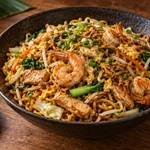
Mee Goreng (Southeast Asian Fried Noodles) – Easy Weeknight Recipe
Mee goreng is the kind of dish you make once and then crave regularly: springy noodles tossed in a sweet-savoury, lightly spicy sauce, finished fast over high heat. This version is flexible (chicken, shrimp, tofu, or veg), works in a wok or large pan, and comes together quickly when you prep everything first.

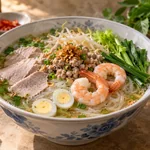
Hu Tieu Nam Vang: Vietnamese Pork & Prawn Noodle Soup (Phnom Penh Style)
Hu Tieu Nam Vang is a light yet deeply savoury noodle soup built on a clear aromatic broth, tender pork, sweet prawns, and a generous pile of fresh herbs. This version keeps the process home‑friendly, with an optional shortcut for busy days.

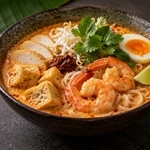
Coconut Curry Noodle Laksa (Easy, Creamy & Comforting)
This coconut laksa is a Southeast Asian-style noodle soup that hits the sweet spot between creamy, fragrant and gently spicy. It comes together fast on a weeknight, and you can make it with chicken, prawns, or tofu—whatever you have.

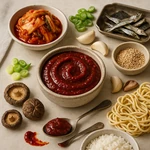
Basics of the Korean pantry: how to understand jang, kimchi, sesame, and soy sauce
The Korean "pantry" is not a list of exotic groceries, but a set of flavor foundations that make even simple dishes start to make sense. When you understand how fermented pastes and sauces (jang) work, the role of kimchi, why sesame is often used only at the very end, and how Korean soy sauces differ, Korean cuisine will come together for you into a clear system – not a random spicy mix.

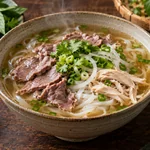
Vietnamese Pho Soup Recipe (Pho Bo or Pho Ga)
Pho is Vietnam’s iconic noodle soup: a clear, fragrant broth poured over silky rice noodles, topped with herbs, lime, and your choice of beef (pho bo) or chicken (pho ga). This home-friendly recipe focuses on the two things that matter most—building aroma in the stock and assembling bowls with fresh garnishes.

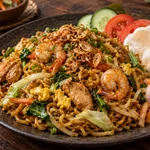
Bami Goreng Noodles (Indonesian-Style Fried Noodles) — Easy Weeknight Recipe
Bami Goreng is Indonesia’s beloved fried noodle dish: springy noodles tossed in a savory-sweet soy seasoning, quickly stir-fried with vegetables and your choice of chicken, shrimp, or tofu, then finished with egg and a squeeze of lime. This version is fast, flexible, and designed to work well on a home stovetop.

Rice noodles
Discover the fascinating world of rice noodles! Whether it's delicate vermicelli noodles, wide slices, or tapioca varieties, these noodles are the basis of many Asian dishes. In our article, you will learn about their history, how they are made, and how you can incorporate them into your own culinary creations. Immerse yourself in traditional flavors and textures that will introduce you to the secrets of Asian cuisine!

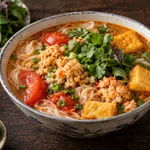
Bún Riêu (Vietnamese Crab & Tomato Noodle Soup) Recipe
Bún Riêu is a bright, savory Vietnamese noodle soup built on tomatoes, seafood umami, and a generous pile of fresh herbs. This home-friendly version keeps the signature sweet-sour balance and “riêu” crab clusters—without requiring hard-to-find ingredients.

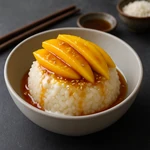
Asian desserts: what to expect from them (and why their texture will surprise you the most)
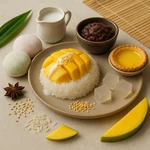
Asian desserts often can't be squeezed into familiar categories like “cake,” “pudding,” or “cookie.” Instead of heavy buttery pastries, they feature rice, coconut, starches, legumes, fruit, syrups, and especially texture – elastic, gel-like, pearl-like, or icy. This guide will help you understand what is typical for Asian sweets, the main dessert families, and how to practically navigate them.

Bún Bò Huế (Vietnamese Spicy Beef & Pork Noodle Soup) — Recipe
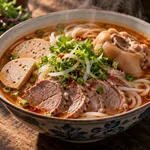
Bún bò Huế is Vietnam’s bold, lemongrass-forward noodle soup from the former imperial city of Huế. This recipe walks you through a fragrant beef-and-pork broth, a quick chili oil for that signature red hue, and the fresh herb toppings that make each bowl taste bright, spicy, and deeply savoury.

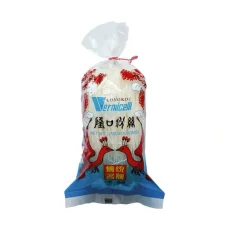
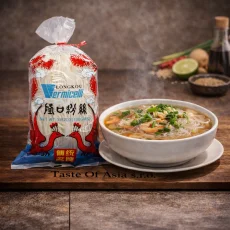
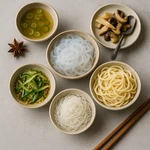
Glass noodles
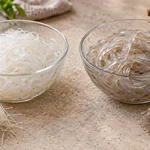
Glass noodles are light, delicate, and perfectly absorb all the flavors you put into them. Ideal for quick Asian dishes, whether in hot soups, stir-fries, or fresh salads. Discover their history, production, and how best to prepare them for authentic and delicious experiences!

How to read packaging and types of Asian noodles: how to recognize what will really work for you at home
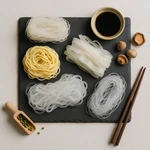
With Asian noodles, the name on the front of the package is often only indicative. Whether the noodles are suitable for broth, wok, or a cold bowl is usually decided by their ingredients, thickness, and pre-treatment. In this guide, we will show you how to read labels, what the main noodle families are (wheat, rice, buckwheat, starch-based, and konjac), and how to choose a type that won’t overcook, fall apart, and gives the dish exactly the texture you expect.

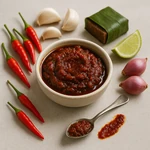
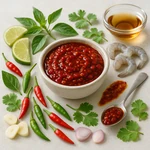
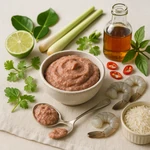
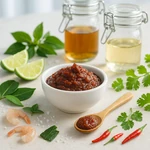
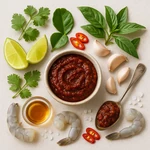
Sambal Trassi: Indonesian Chili Paste with a Bold Shrimp-Paste Umami Kick
Sambal trassi is one of those Southeast Asian condiments that can transform a plain bowl of rice into something deeply savory and exciting. It combines hot chili with the unmistakable, funky depth of trassi (also spelled terasi)—a fermented shrimp paste that brings saltiness and intense umami.

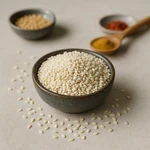
White Sesame Seeds: How to Use Them (and Why You’ll Want a Bag in Your Pantry)
White sesame seeds are one of those small ingredients that instantly make food feel more finished: a gentle nutty aroma, a subtle crunch, and a familiar “Asian kitchen” note on rice, noodles, salads, and stir-fries. Once you know when to toast them—and when not to—you’ll reach for them almost daily.

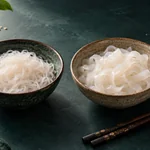
Konjac (Shirataki) Noodles: How to Prep, Cook, and Make Them Taste Great
Shirataki noodles—often called konjac noodles—are translucent, springy strands made from the konjac root. They’re naturally low in digestible carbs and quick to prepare, but they do have their own “rules”: rinse well, dry them properly, and let your sauce do the talking. Here’s how to use shirataki in soups, stir-fries, and cold salads without disappointment.

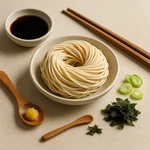
Ramen Noodles: How to Choose Them, Cook Them Right, and Pair Them for the Best Flavor
Broth, toppings, aroma oil—ramen gets a lot of attention for what’s on top. But the real backbone of the bowl is the noodle: springy, satisfying, and able to carry flavor. Here’s a practical guide to ramen noodles (fresh, dried, instant), how to cook them for the ideal bite, and how to use them not only in soup but also in quick stir-fries and “no-broth” bowls.

Typical Vietnamese ingredients: what makes Vietnamese food "Vietnamese"
Vietnamese cuisine does not rely on one sauce or one famous dish. It is characterized by freshness, lightness, and the ability to layer multiple flavors so that the result feels lively: rice or rice noodles, herbs and leaves, acidity (lime, tamarind), fermented saltiness and umami (especially fish sauce), and contrasting textures. In this guide, you will find the most important Vietnamese ingredients, their function, and practical tips on how to start using them at home without unnecessary mistakes.

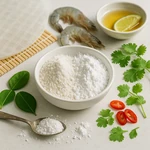
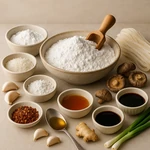
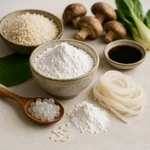
Rice flour, tapioca, and starches: how to choose the ingredient for the right texture
Flour and starch in Asian cuisine often do not play the "main role" in flavor but very often decide on the most important thing: texture. The choice between rice flour, sticky rice flour, and starches determines whether the dough will be elastic, the coating crispy, the sauce shiny, the soup delicate, or the result glassy translucent.

How to choose the right coating or dough: crispiness, elasticity, and translucency according to the type of flour and starch
In Asian cuisine, it is often not just the taste that matters, but mainly the texture: should the coating be crispy and light, the dough elastic and pliable, the sauce delicate and shiny, or the dumpling almost translucent after steaming? This is exactly where the choice of flour, starch, and type of coating makes the biggest difference. This guide will help you choose the right “coating or dough” depending on exactly what you want to cook – and avoid typical label mix-ups.

Flours and starches in Asian cuisine: how to choose the right type for thickening, coating, and dough
Flours and starches are inconspicuous in Asian cuisine, but they often decide the most important thing: texture. Thanks to them, the coating can be crispy and light, the sauce smooth and glossy, the dumpling elastic, or the dim sum wrapper delicately translucent. In the article, you will clarify when to reach for rice flour, when for glutinous rice flour, when for tapioca starch, and what to watch out for when reading labels.

How to choose noodles for soup, stir-fry, and salad (so they work even after cooking)
With Asian noodles, the most common disappointment doesn’t come from a “low-quality product” but from choosing the wrong type for the particular dish. In this guide, you’ll clarify based on the material (wheat, rice, buckwheat, starch, konjac), thickness, and behavior in broth, in a pan, and after cooling – and you’ll learn to choose noodles as practically as in Asian kitchens.

Sweet preparation in Asian cuisine: techniques, textures, and ingredients that change the rules
Sweet preparation in Asian cuisine often does not follow the “European” logic of cakes, butter creams, and wheat flour. It is much more about working with texture (elasticity, jelly, smoothness, layering), rice and starches, coconut bases, bean pastes – and techniques that are not just baking in the oven. This guide will help you navigate what is typical for Asian desserts, why they are so different, which techniques are most often repeated, and how to choose a good “starter” direction at home without unnecessary mistakes.

How Trade and Migration Changed Asia's Flavors: Why "Traditional" Often Means "Imported"
The flavors of Asian cuisines didn't emerge just "at home" from what grew outside the village. Alongside climate and local ingredients, they were shaped by trade routes and migration: the movement of crops, spices, preservation techniques, but also ideas of what a "properly balanced" meal is. When you understand this, you can more easily choose a style you'll enjoy – and above all, stop expecting there to be a single universal "Asian flavor."

Baking in Asian cuisine: why thinking only about the oven is not enough
Baking in Asian cuisine exists and has its firm place – it just often doesn’t follow the same logic as Central European "I’ll bake a cake" baking. For both sweets and savory dishes, working with texture is equally important, and alongside the oven, steam, setting (gelation), cooling, molding, or brief finishing baking or frying play a significant role. This article will help you understand the differences and choose a technique that makes sense at home.

Texture of Asian desserts: why it matters and how to “read” it at home
With Asian desserts, it's often less about how sweet they are and more about how they feel in the mouth: springy, chewy, jellied, creamy, icy, or crunchy. This article will help you understand the most common textures, why they occur, which ingredients and techniques create them — and, most importantly, how to use texture to guide your choices and first attempts at home.

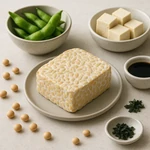
Tempeh, edamame, and other soy products: how to understand and use them in the kitchen
Soy products are not just one "protein cube" in different packages. From the same crop comes delicate tofu, fresh edamame, soy milk, and also distinctive fermented products like tempeh – and each behaves completely differently in the kitchen. In this article, you will clarify the differences, typical uses, and the most common mistakes that lead to disappointment.

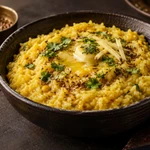
Indian Khichdi (Rice & Lentil Comfort Bowl) – Easy One-Pot Recipe
Khichdi is India’s classic “comfort in a bowl”: rice and lentils gently cooked with warming spices until soft, nourishing, and easy to digest. This simple one-pot recipe is ideal for a light dinner, meal prep, or days when you want something soothing but still satisfying.

Gluten-free Asian cooking: how to recognize safe ingredients, avoid pastes, and cook at home stress-free
Gluten-free Asian cooking is not about a "special diet cuisine," but about good orientation in ingredients, labels, and preparation methods. In this guide, you'll clarify what is naturally gluten-free in Asia, where gluten typically lurks (often in sauces and noodles), and how to set up a simple system at home to ensure results are both tasty and safe.

What belongs in the fridge, pantry, and freezer: a practical system for Asian ingredients
For Asian ingredients, the simple rules of "this goes in the fridge" and "this is shelf-stable" often don’t apply. Some things may still be safe to eat but taste worse, while others don’t lose flavor but moisture ruins their texture. This article provides a practical way to sort ingredients at home into pantry, fridge, and freezer so they last longer and cooking consistently turns out better.

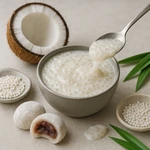
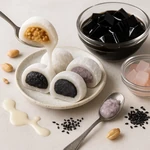
Mochi, grass jelly and other desserts with a "different" texture: how to understand them and what to expect
For many Asian desserts, the main point is in the texture – whether the bite is elastic, jellied, pearly, smooth, or icy. In this guide, you will get oriented in mochi, agar jellies, grass jelly, and other "textural" sweets and learn how to taste and combine them so they make sense even without complicated preparation.

Culture and Contexts of Asian Cuisine: How Climate, Ingredients, and Dining Change the Taste on the Plate
“Asian cuisine” sounds like one category, but in practice it encompasses a large cultural space where food evolved according to climate, available crops, religion, social rules, trade, migration, and daily rhythms of life. When you understand these contexts, it becomes easier to choose a style you will enjoy, and you’ll stop making typical mistakes (like reducing everything simply to spiciness).

How to work with rice and tapioca flour: texture, techniques, and common mistakes
Rice and tapioca flour are fundamental building blocks in many Asian sweets – not because they "replace wheat," but because they help create specific textures: elastic, sticky, slippery, jelly-like, or pudding-like. If you approach them with the same logic as cake flour, you will often end up disappointed. This guide will help you understand how to think about them, how to choose the right technique (steaming, setting, baking…), and what to avoid.

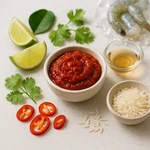
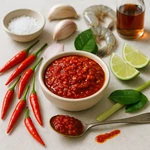
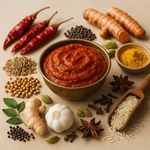
Chili sauces and chili pastes: how to understand them and use them correctly
"Chili" in Asian cuisine does not mean one universal sauce. Under the same word hide thin vinegar sauces for the table, thick fermented cooking pastes, fried and roasted mixtures with oil, chili oils, and coarse relishes. When you understand their role (not just spiciness), you will season more precisely and more often hit the flavor of a specific cuisine and dish.

Sambal and fermented chili pastes: how to understand them and use them without mistakes
Chili paste can not only make food "spicy," but also give it a complete flavor, depth, and often umami. The key difference is whether the paste is fermented (and behaves like a concentrated base), or if it is more of a chili blend or chili paste in oil meant for quick seasoning. In this article, we compare the main types of fermented chili pastes in Asia, how to recognize them by their role in the kitchen, how to start using them at home, and how to avoid the most common mistakes.

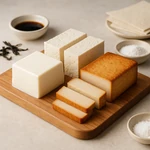
Soft, firm, and smoked tofu: how to understand and use them correctly
Tofu is not a single universal "block" that fits everywhere the same. The difference between soft (silken/soft), firm (firm/extra firm), and flavored varieties like smoked tofu lies mainly in texture, water content, and how tofu tolerates stirring, frying, and how quickly it absorbs the flavor of sauces. In this guide, you will compare the basic types and get practical rules to choose the right tofu for soup, wok, or a quick rice bowl.

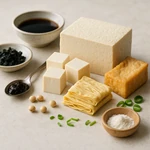
Guide to tofu and soy products: how to understand the types, taste, and uses
Tofu is not just one “white cube” and soy products are not a single universal meat substitute. From the same raw material – soy – both delicate, neutral ingredients (tofu, soy milk) and distinctive fermented products (tempeh, miso, soy sauces) are made. However, they behave completely differently in the kitchen. This guide will help you choose the right type for a specific dish, understand textural differences, and avoid the most common mistakes.

Basic Asian pantry for home cooking: what you really need to start
An Asian pantry is not an "exotic list" that you have to buy all at once. It is a thoughtful basic set of ingredients that allows you to repeatedly cook dishes with a clear flavor at home – even when your refrigerator is not full of fresh items. The key is not to think by countries, but by function: to have something for saltiness and umami, something for acidity, something for sweetness, something for spiciness, something for aroma and fat, and a reliable starchy base.

Garlic Marinade: How to Get the Most Out of It (Especially in Asian-Style Cooking)
Garlic marinade is one of those kitchen shortcuts that doesn’t feel like a shortcut: it can make chicken, pork, tofu, or vegetables taste deeper, smell incredible, and stay juicier—fast. The trick is knowing how garlic behaves with heat, how long to marinate different ingredients, and how to balance sweet, salty, and acidic notes for Asian-inspired results.

How to prepare tofu so it tastes good: type of tofu, sauce, and proper technique
Tofu often tastes "bland" on first try – and that is its strength. If you choose the right type (soft for soup vs. firm for pan) and base the flavor on a good sauce and texture, it starts working as an excellent carrier for marinade, spices, and umami. In the article, we will show you how to navigate tofu, the common mistakes that ruin the result, and what to do to make tofu really taste good at home.

Fermented foods and probiotics in Asian cuisine: what they do to the taste and how to start with them at home
Fermentation is one of the oldest methods by which people preserved, transformed, and deepened the flavor of food. However, in Asian cuisines, it's not just about "durability": fermentation is one of the keys to umami, depth, aroma, acidity, and texture – and it explains why a wide range of sauces, pastes, side dishes, and soups are created from just a few basic ingredients. At the same time, it is important to be clear about one fundamental thing: fermented foods and probiotics are not the same.

Fast Asian meals in 30 minutes: how to choose and assemble noodles, rice, and cold bowls
Fast Asian meals are not a "simplified restaurant," but a distinct world built on quick finishing, bold flavors, sauces, and texture. Once you understand the main formats (noodles, rice bowls, soups, cold dishes), you can make smart choices at home – and realistically fit into 30 minutes without compromising on taste.

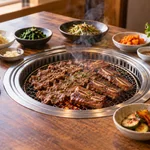
Korean BBQ
Discover the magic of Korean BBQ! With delicious sauces and tasty side dishes, you'll enjoy an unforgettable grilling experience full of flavors you'll love.

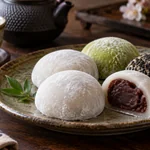
Mochi
Discover delicious and traditional Japanese delicacies! Mochi, with its soft texture and various fillings, is the perfect way to enjoy a sweet moment. This delicate rice delicacy with anko or matcha filling will win you over with its taste and texture.

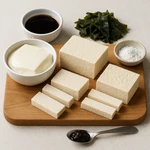
How to choose tofu: the key is texture (silken vs. firm) and the way it is used
Tofu is not a one-size-fits-all block. The differences between smooth silken tofu and firm tofu are crucial in the kitchen – they determine whether tofu will create a creamy texture in soup or withstand the pan, marinade, and grill. In this guide, you'll learn how tofu is made, what its main types are, and how to choose the right one based on the dish you want to cook.

Syrups, fruits, and sweet ingredients in Asian desserts: how to understand them and how to use them
Asian desserts often don't rely on baking and butter creams but on smart combinations of textures, temperatures, and "sweet pantries": preserved fruit, syrups, pastes, and creams. In this guide, we will clarify why fruit in syrup is a full-fledged ingredient, what role syrup plays as an ingredient (not just a sweetener), and how to assemble your first simple desserts at home so they work in flavor and texture.

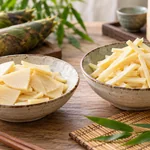
Bamboo shoots
Bamboo shoots are a great addition to any Asian cuisine. Would you like to learn how to prepare them properly and what they can offer your diet? In our article, you will learn all about their nutritional values, uses in the kitchen, and tips for selecting and storing them. Add them to your dishes and discover their fresh and crunchy taste!

How to serve Asian food at home so it makes sense
Serving is not just "nice extra dishes." For many Asian dishes, it directly determines how they will be eaten: whether they will keep the temperature, whether it will be easy to combine rice with sauce or broth with noodles, and whether the communal meal in the middle of the table will work naturally or chaotically. In this article, you will find a practical home model that makes sense even without collecting and without the feeling that you need a complete exotic set.

Naturally gluten-free Asian dishes: what is usually a safe base and where the traps lie
Asian cuisine can be great for gluten-free eating – it often relies on rice, legumes, vegetables, coconut, and fermented flavors. However, it can also surprise with "hidden" gluten in sauces, wheat noodles, coatings, or cross-contact during preparation. In the article, we clarify which dishes are naturally gluten-free, which are sometimes gluten-free, and how to navigate this at home and when ordering.

Typical Indian ingredients: their role in food and how to recognize them
Indian cuisine is not a single unified tradition, but a broad family of regional styles. That's why it's worth looking at "typical Indian ingredients" as practical building blocks: what forms the base (rice, breads, legumes), what gives the dish richness (ghee, yogurt, paneer), what builds aroma (spices, aromatics), and what provides an important contrast (for example tamarind). The article provides an overview of key ingredients, their functions, and concrete advice on how to start using them at home without unnecessary mistakes.

Family Asian cooking: how to cook at home easily, balanced, and without unnecessary stress
Family Asian cooking doesn't have to mean a pile of exotic ingredients or "diet" versions of favorite dishes. In practice it's often enough to understand a simple logic: build the plate on rice or noodles in a reasonable proportion, add a clear protein, give vegetables real space, use the sauce more as a binder than a flood – and finish the whole meal with freshness, acidity, texture and umami.

Asian Soups: a basic overview
Soups in Asia are often not just appetizers but full meals – sometimes a typical breakfast or a quick street lunch. To make sense at home, it's useful to think of them as “worlds” built around a broth (or other liquid base), noodles or rice, and final seasoning. This overview will help you navigate the main types of Asian soups, understand why the broth is so essential, and take the first good steps without unnecessary mistakes.

Cooking techniques in Asian cuisine: what makes food "Asian" and how to master it at home
In Asian cuisine, it often matters not only what you cook but mainly how. The same ingredient can taste completely different depending on whether you quickly stir-fry it at a high temperature, slowly simmer it in broth, steam it, or briefly sear it and then braise it. In this guide, you will align key techniques, learn to recognize their differences, and get practical tips on how to avoid typical home cooking mistakes.

Most common beginner mistakes in Asian cooking (and how to fix them quickly)
Starting with “Asian cuisine” sounds tempting, but beginners often run into the same obstacles: they choose too many directions at once, buy ingredients without a plan, and then are disappointed by the result and the cooking pace. In this article you’ll find the most common mistakes, why they happen and, most importantly, concrete ways to fix them – from choosing your first cuisine to working with a wok and controlling heat so it’s managed, not a “tongue attack.”

Street food from the market vs. street food at home: what cannot be copied (and what makes sense)
Asian street food is not just "food from the street." In many parts of Asia, it is an everyday way of eating, where speed, specialization, local identity, and especially taste "readable from the first bite" matter. That's why it is useful to distinguish market street food and home-style street food: at home, you usually won't replicate the same heat and rhythm of the stall, but you can very well imitate the flavor profile, the work with sauces, contrasts, and "right now" service.

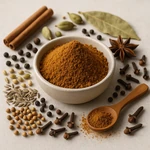
Garam Masala: the Fragrant Heart of Indian Cooking
Garam masala is one of the most recognizable spice blends from India—and one of the easiest ways to give everyday meals a distinctly Indian aroma. Used in the right amount and at the right moment, it adds warm, rounded depth to curries, lentils, roasted vegetables, and even simple rice without necessarily making food hot or fiery.

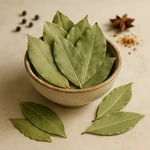
Bay Leaf: the Quiet Herb That Makes Food Taste More Complete
Bay leaf rarely steals the spotlight, yet it’s one of the easiest ways to add depth to soups, stews, braises, and sauces. Used well, it doesn’t “taste like bay leaf” so much as it makes everything else taste more connected, round, and finished.

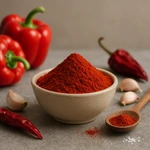
Sweet Hungarian Paprika (ASTA): how to spot it, use it well, and get the most color and flavor
Sweet Hungarian paprika is one of those quiet workhorses that can transform a dish with just a teaspoon—adding a warm red hue, gentle sweetness, and a rounded pepper aroma without real heat. If you understand the ASTA marking and learn how to heat paprika without turning it bitter, you’ll get consistently better stews, sauces, marinades, and even quick Asian-inspired stir-fries.

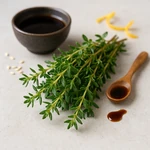
Thyme: What It Tastes Like, When to Add It, and What It Pairs With
Thyme may look modest, but it brings a deep, savory herbal note that can make simple food taste more “finished”. Learn how thyme behaves in cooking (fresh vs. dried), the best timing for adding it, and pairing ideas—including smart ways to use it alongside umami-rich Asian pantry staples.

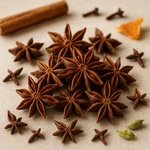
Whole Star Anise: The Star-Shaped Spice That Elevates Broths, Sauces, and Desserts
Whole star anise is one of those spices that can instantly shift a dish into an Asian flavor direction—sweetly spiced, gently licorice-like, and deeply aromatic. Used the right way, a single “star” can round out broths, braises, marinades, and even fruit-based desserts without taking over.

White Mustard Seeds: Flavor, Heat, and Smart Ways to Use Them in Cooking
White mustard seeds may look modest, but they can add a warm, gently peppery depth to everything from quick stir-fries to pickles and marinades. Here’s what they taste like, how they differ from brown/black mustard seeds, and when to use them whole versus ground—especially in Asian-inspired cooking.

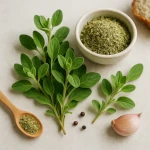
Marjoram: a gentle herb with big aroma (and how to use it beyond soup)
Marjoram is one of those quiet kitchen herbs that can make a dish feel instantly warmer and more complete. Its flavor is soft, slightly sweet, and deeply herbal—especially when you add it at the right moment. Here’s what marjoram tastes like, how it differs from oregano, what it pairs well with, and practical ways to use it in everyday cooking, including Mediterranean and West Asian–inspired meals.

How to build flavor using spices: roles, timing and a clean result without “overloading”
Good seasoning isn't about dumping as many aromatics into the pot as possible. In Asian cooking flavor is often built as a whole: something gives the dish depth, something defines its character, something adds contrast and something remains as a long finish. When you understand these roles and the timing, you'll start using spices and herbs more precisely — and stop ending up with dishes that “smell great” but taste chaotic.

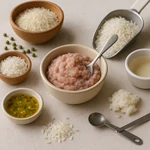
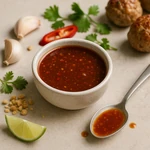
Sauce for Meatballs: How to Get the Flavor (and Texture) Right — with an Asian Twist
Meatballs are reliably good. The sauce is what makes them memorable: it adds aroma, keeps them juicy, and turns “just meatballs” into a dish you want to eat again tomorrow. Here’s a practical way to build a sauce that balances sweet–salty–sour–spicy, clings to the meatballs, and can lean Asian without feeling complicated.

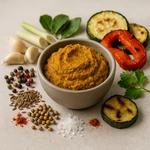
Seasoning for Grilled Vegetables: How to Choose a Blend (and Add an Asian Twist)
Grilled vegetables can taste effortlessly good—or surprisingly flat—depending on how you season them. This guide explains what makes a grill-friendly spice blend work, when to add it for the best aroma, and how to take the same vegetables in a more Asian direction using pastes, sauces, and smart finishing touches.

How to store fermented sauces and pastes: to keep them lasting and not lose flavor
Fermented sauces and pastes are among the most important "flavor bases" in Asian cuisines: in small amounts, they can provide umami, depth, aroma, and the finished character of a dish. To work as they should, they need, besides proper use, reasonable home storage – especially after opening, when you work with them by teaspoons and drops.

Fermented foundations of Asian cuisine: how to understand and use them at home
Fermentation is one of the key methods in Asian kitchens to create depth of flavor, umami, aroma, and a "finished taste" – often even in dishes that rely on only a few ingredients. This guide will help you navigate the main groups of fermented bases (from soy sauces through pastes to fish and marine ferments), understand their role, and avoid common mistakes in selection and use.

How to build a menu that makes an impression
Impression is often not made by the number of courses, but by the menu appearing well thought out: it has a clear "story," is pleasant to eat at the table, and the parts follow each other. Inspiration from festive meals in Asia shows that a truly festive meal is not just about taste – it's also about context, symbolism, sharing, and a well-chosen composition.

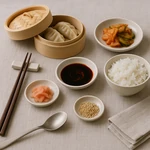
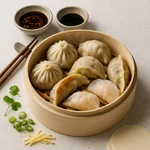
Dumplings and Asian dumplings: how to tell apart jiaozi, gyoza, mandu, and dim sum
Dumplings (dumplings, pockets, filled buns) are not a single specific dish but a huge family of foods across Asia. They share a simple principle: a dough or starch wrapper holds the filling – or forms a bite on its own without filling. In practice, however, they differ fundamentally: by the type of wrapper, shape, cooking method, and whether they are a quick pan dinner, part of a soup, or dim sum dining. This guide gives you a map to decide by situation, not just by foreign names.