


 Česky (CZK)
 Slovensky (EUR)
 Deutsch (EUR)
 Austria
 Belgium
 Bulgaria
 Croatia
 Denmark
 Estonia
 Finland
 France
 Germany
 Greece
 Hungary
 Italy
Italy Latvia
 Lithuania
 Luxembourg
 Netherlands
 Poland
 Portugal
 Romania
 Slovenia
 Spain
Spain Sweden










butter
Products

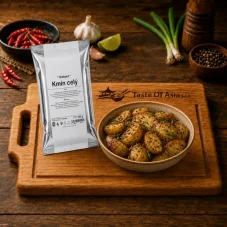
Drana Caraway Whole Diskont 500 g
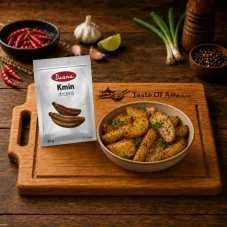
Drana Caraway Crushed 25 g
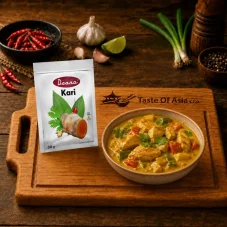
Drana Curry Powder 30 g

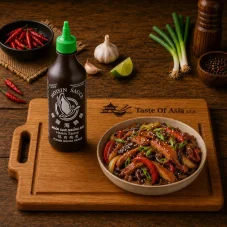


Flying Goose Hoisin sauce 455 ml
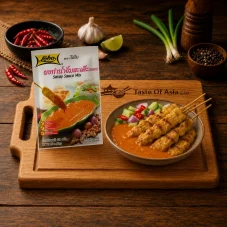


Lobo Paste Satay 50 g
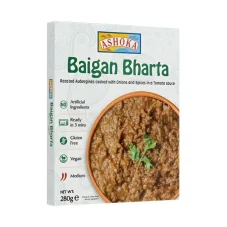
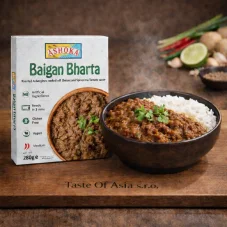
Ashoka Instant Baighan Bharta 280 g
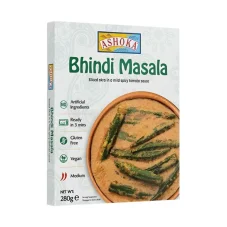
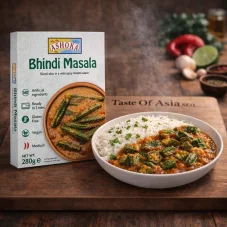
Ashoka Instant Bhindi Masala 280 g
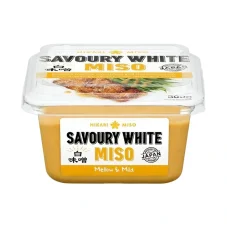
Hikari Savoury Miso Paste White 300 g
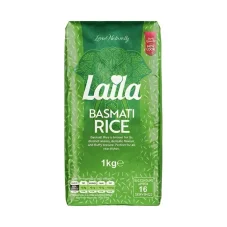
Laila Basmati rice 1 kg
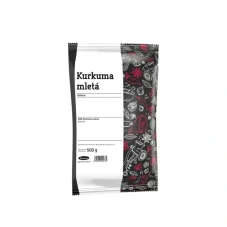
Drana Ground Turmeric 500 g
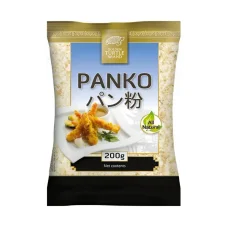
Golden Turtle Chef Breadcrumbs Panko 200 g
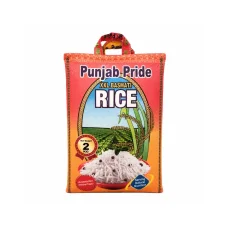
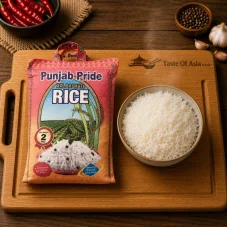
ESSA Basmati rice Punjab Pride 2 kg
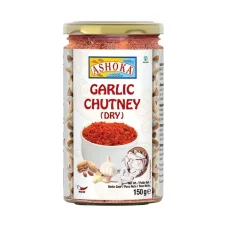
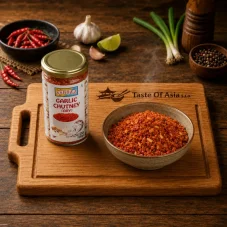
Ashoka Chutney Garlic Dry 150 g
Golden Turtle Chef Breadcrumbs Panko 1 kg

Drana Pepper Black Ground 20 g
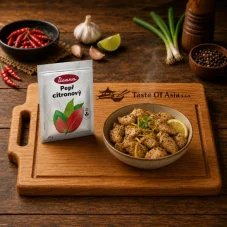
Drana Lemon Pepper 20 g
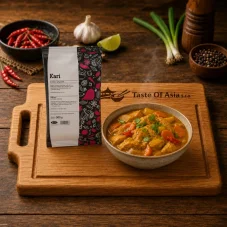

Drana Curry 500 g

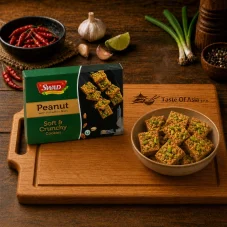
SWAD peanut cookies with pistachios 250 g
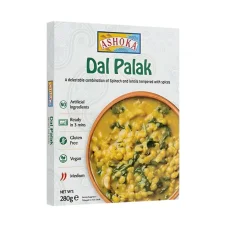
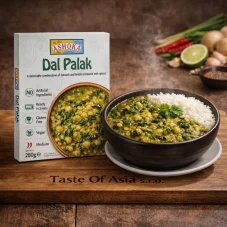
Ashoka Instant Dal Palak 280 g
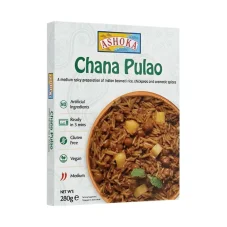
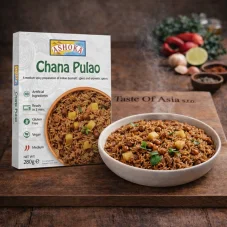
Ashoka Instant Chana Pulao 280 g
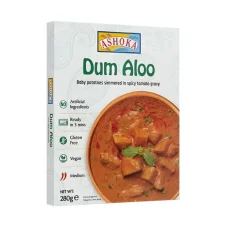
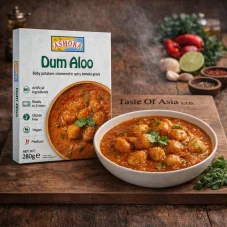
Ashoka Instant Dum Aloo 280 g
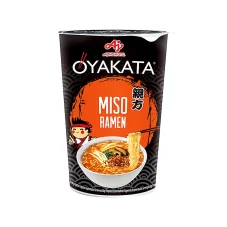
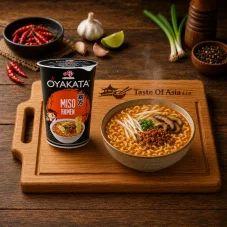

Oyakata Instant Miso Ramen Noodles 66 g
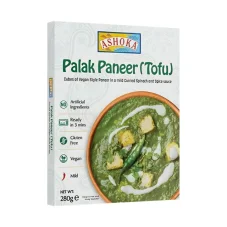
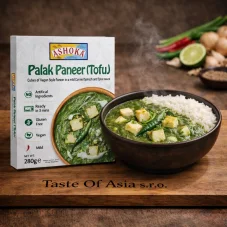
Ashoka Instant Palak Paneer (Tofu) 280 g
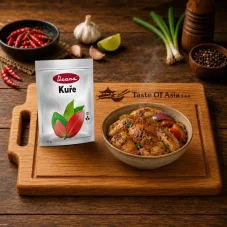
Drana Chicken 30 g
Articles
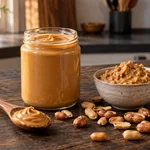
Peanut butter
Immerse yourself in the world of this delicious ingredient, which not only tastes great but also offers a host of health benefits. Discover how it is made and what advantages it brings to your health and everyday diet!
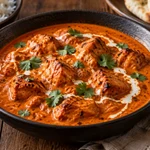
Murgh Makhani (Butter Chicken) Recipe: Creamy Tomato-Butter Curry at Home
Murgh Makhani—often called Butter Chicken—is a classic North Indian curry built on tender chicken, a velvety tomato sauce, warm spices, and a buttery finish. This home-cook friendly version keeps the flavor authentic while giving you practical options for the oven, pan, or grill.
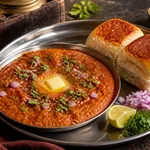
Recipe for Bombay Pav Bhaji
Bombay Pav Bhaji is a nutritious and tasty recipe full of vegetables. Try it for yourself!
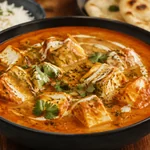
Recipe for Paneer Makhani
Let's cook a delicious paneer makhani together that will delight every foodie!
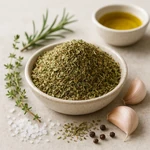
Provençal seasoning: a blend of herbs that enhances both vegetables and meat
Provençal seasoning—often sold as “Herbs de Provence”—is a fragrant mix of dried Mediterranean herbs that can make everyday food taste more rounded and aromatic in seconds. It’s a classic for roasted vegetables and grilled meats, but it also fits surprisingly well into simple Asian-style meals when you want extra aroma without adding complexity.
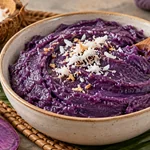
Ube
Discover the magic of ube—a purple superfood packed with vitamins, fiber, and minerals! Try creative recipes with ube jam and enhance your dishes with its distinctive flavor and color.
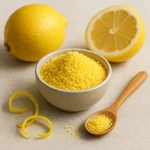
Ground Lemon Zest: How to Use It (and When It Beats Fresh)
Ground lemon zest is dried, finely milled lemon peel that delivers citrus aroma without adding liquid. It’s a smart pantry tool for baking, spice blends, creamy sauces, and Asian-style curries—especially when you want consistent results and zero grating.
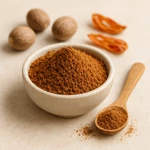
Ground Nutmeg: How to Use It, What It Pairs With, and Why It Works in Asian Cooking
Ground nutmeg is one of those “tiny pinch” spices that can make a dish feel warmer, smoother, and more complete. Used carefully, it lifts creamy sauces, potatoes, greens, and desserts—and it can also add a subtle finishing note to coconut curries and spice-forward Asian dishes.
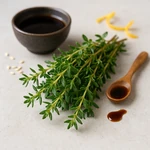
Thyme: What It Tastes Like, When to Add It, and What It Pairs With
Thyme may look modest, but it brings a deep, savory herbal note that can make simple food taste more “finished”. Learn how thyme behaves in cooking (fresh vs. dried), the best timing for adding it, and pairing ideas—including smart ways to use it alongside umami-rich Asian pantry staples.
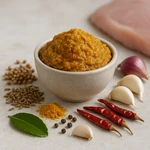
Turkey Seasoning Guide: From Classic Roast to Asian-Inspired Flavours
Turkey has a clean, delicate taste—great for everyday cooking and festive roasts, but it also means seasoning shows up clearly (for better or worse). This guide explains what “turkey seasoning” usually includes, how to use it as a dry rub or marinade, and how to shift turkey toward Asian-style dinners with smart, flavour-packed add-ons.
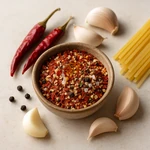
Aglio Olio Pepperoncino Seasoning: a fast route to garlic‑chilli flavour (far beyond pasta)
Aglio, olio, peperoncino: garlic, oil and chilli. It’s a minimalist Italian flavour trio that tastes bold, warm and clean when done right. In a ready-made seasoning blend, you get the same idea in a quicker, more consistent form—useful not only for spaghetti, but also for stir-fried noodles, rice bowls and quick wok dinners.
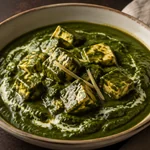
Recept na Palak Paneer
Prepare delicious Palak Paneer at home and discover the delicious combination of spinach and cheese in Indian style!
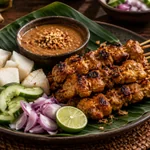
Satay Skewers (Marinated Meat) with Quick Peanut Sauce
Satay is Southeast Asia’s iconic grilled skewer: small pieces of meat soaked in a fragrant marinade, cooked fast over high heat, and served with a creamy peanut sauce. This version is easy to make at home on a grill, grill pan, or in the oven—ideal for weeknights and great for sharing.
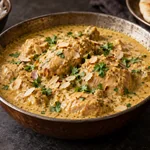
Chicken Korma Curry (Creamy, Mild Indian-Style Curry)
Chicken korma is a rich, gently spiced curry known for its velvety sauce made with yogurt, cream, and ground nuts. This approachable home recipe delivers a classic korma texture—fragrant, comforting, and mild enough for most spice levels.
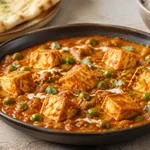
Recipe for Matar Paneer
Try this delicious recipe for Matar Paneer, a tasty Indian dish that will warm you up and delight your taste buds!
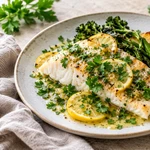
Parsley Leaf: the quiet herb that lifts soups, fish and marinades
Parsley leaf is easy to overlook because it rarely steals the spotlight—but that’s exactly why it’s so useful. A small pinch can brighten a broth, clean up a rich sauce, and add a fresh green finish to fish or grilled meats. Fresh and dried versions behave differently, so knowing when to use which makes everyday cooking noticeably more balanced.
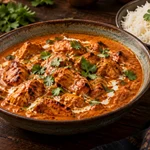
Chicken Tikka Masala (Creamy Tomato Curry You Can Make at Home)
Chicken tikka masala brings together smoky, spiced chicken and a silky tomato-based sauce enriched with cream. It’s restaurant-famous, but the home version is very doable—especially if you marinate ahead and build the sauce in layers.
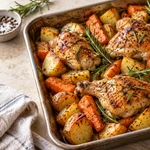
Rosemary: The Aromatic Herb That Lifts Roasts, Potatoes, and Marinades
Rosemary is one of those herbs that can make a dish taste “finished” with almost no effort. Used sparingly, its piney, resinous aroma deepens roasted meats, vegetables, and olive-oil based marinades—and it can be surprisingly effective in modern Asian-inspired grilling and umami-rich sauces, too.
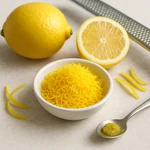
Lemon Zest: The Tiny Detail That Makes a Dish Taste Brighter
Lemon zest adds vivid citrus aroma without the sharp acidity of juice. Learn what zest really is, how to grate it without bitterness, and where it shines in Asian-style cooking—from coconut curries and stir-fries to desserts.
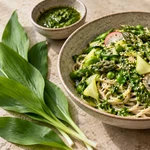
Wild Garlic (Ramsons): A Spring Herb With a Gentle Garlicky Aroma—And How to Use It in Asian Cooking
Wild garlic—also known as ramsons—is one of those short-season spring ingredients that can instantly make food taste brighter. It brings a fresh, leafy garlic character without the harsh bite of raw cloves, which makes it surprisingly easy to weave into quick Asian-style stir-fries, noodle dishes, coconut curries, and rice paper rolls.
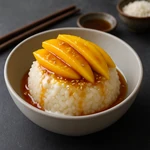
Sweet preparation in Asian cuisine: techniques, textures, and ingredients that change the rules
Sweet preparation in Asian cuisine often does not follow the “European” logic of cakes, butter creams, and wheat flour. It is much more about working with texture (elasticity, jelly, smoothness, layering), rice and starches, coconut bases, bean pastes – and techniques that are not just baking in the oven. This guide will help you navigate what is typical for Asian desserts, why they are so different, which techniques are most often repeated, and how to choose a good “starter” direction at home without unnecessary mistakes.
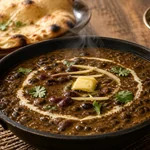
Recipe for Delhi Dal Makhani
Cook Delhi Dal Makhani, a creamy Indian specialty made from black lentils and beans, cooked with aromatic spices and cream for an unforgettable taste!
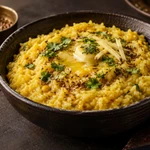
Indian Khichdi (Rice & Lentil Comfort Bowl) – Easy One-Pot Recipe
Khichdi is India’s classic “comfort in a bowl”: rice and lentils gently cooked with warming spices until soft, nourishing, and easy to digest. This simple one-pot recipe is ideal for a light dinner, meal prep, or days when you want something soothing but still satisfying.
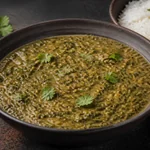
Recipe for Dal Palak
Try our recipe for Daal Palak, a delicious combination of lentils and spinach that will warm you up and delight you with its balanced flavor!
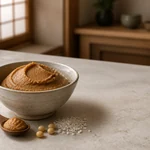
The miracle of miso
Miso paste is one of the basic building blocks of Japanese cuisine.
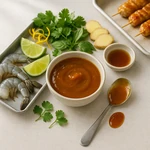
Baking in Asian cuisine: why thinking only about the oven is not enough
Baking in Asian cuisine exists and has its firm place – it just often doesn’t follow the same logic as Central European "I’ll bake a cake" baking. For both sweets and savory dishes, working with texture is equally important, and alongside the oven, steam, setting (gelation), cooling, molding, or brief finishing baking or frying play a significant role. This article will help you understand the differences and choose a technique that makes sense at home.
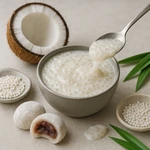
Texture of Asian desserts: why it matters and how to “read” it at home
With Asian desserts, it's often less about how sweet they are and more about how they feel in the mouth: springy, chewy, jellied, creamy, icy, or crunchy. This article will help you understand the most common textures, why they occur, which ingredients and techniques create them — and, most importantly, how to use texture to guide your choices and first attempts at home.
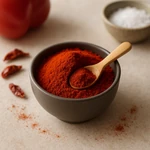
Delicacy Paprika ASTA 160: Gentle Sweetness, Deep Color, and a Reliable Spice for Hot Cooking
Sweet ground paprika is one of those quiet kitchen staples that can transform a pale sauce into something inviting. Delicacy Paprika with an ASTA 160 rating is valued for its rich red color and mild, slightly sweet aroma—perfect when you want warmth and depth without heat.
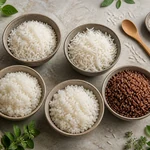
All about rice
We all love rice. In this article, we look at premium varieties like Jasmine and Basmati rice.
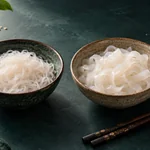
Konjac (Shirataki) Noodles: How to Prep, Cook, and Make Them Taste Great
Shirataki noodles—often called konjac noodles—are translucent, springy strands made from the konjac root. They’re naturally low in digestible carbs and quick to prepare, but they do have their own “rules”: rinse well, dry them properly, and let your sauce do the talking. Here’s how to use shirataki in soups, stir-fries, and cold salads without disappointment.
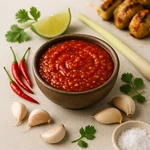
Orient Grill Seasoning: the spice blend that gives barbecue an exotic edge
When you want grilled food to taste instantly more “special,” a warm, aromatic spice blend can do more than an extra sauce ever will. Orient-style grill seasoning is made for high heat: it clings well, perfumes the grill, and works on meat, fish, tofu, and vegetables—either as a dry rub or a quick marinade.
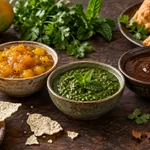
Chutney
Discover the magic of chutneys, sauces that will liven up any dish. Whether you like sweet mango, spicy garlic, or refreshing coriander, each variety adds a unique flavor. Learn how to use them with your favorite foods and discover new flavors.
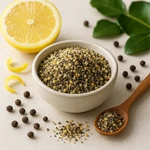
Lemon Pepper: The Bright Citrus Twist That Lifts Fish, Wok Dishes, and Rice
Lemon pepper is a simple seasoning with a surprisingly big impact: the warmth of black pepper meets a clean citrus aroma, making dishes taste lighter and more “awake.” Used well, a small pinch can sharpen stir-fries, refresh fried rice, and bring out the best in fish, chicken, tofu, and vegetables.
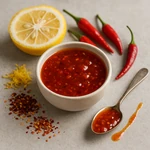
Sweet-Spicy Chili Sauce with Yuzu: Citrus Heat That Lifts Any Dish
Sweet-spicy chili sauce is already a kitchen shortcut for instant flavor—but add yuzu and it becomes something brighter and more versatile. The gentle sweetness helps it cling to food, the chili brings warmth, and yuzu adds a crisp citrus aroma that can make fried, grilled, or rich dishes taste lighter and more defined.
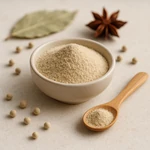
Ground White Pepper: Subtle Heat for Asian Dishes and Everyday Classics
Ground white pepper is a quiet workhorse: it brings a clean, warming pepper bite without the black flecks that can distract in pale soups and creamy sauces. Used thoughtfully, it can lift everything from Chinese broths and stir-fries to mashed potatoes and gravy.
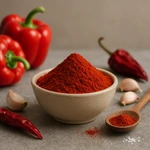
Sweet Hungarian Paprika (ASTA): how to spot it, use it well, and get the most color and flavor
Sweet Hungarian paprika is one of those quiet workhorses that can transform a dish with just a teaspoon—adding a warm red hue, gentle sweetness, and a rounded pepper aroma without real heat. If you understand the ASTA marking and learn how to heat paprika without turning it bitter, you’ll get consistently better stews, sauces, marinades, and even quick Asian-inspired stir-fries.
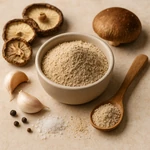
Mushroom Seasoning: the Quiet Umami Boost for Rice, Noodles, Soups, and Stir-Fries
Mushroom seasoning is one of those pantry shortcuts that makes everyday food taste like it had more time, more stock, and more depth. A small pinch can lift rice bowls, noodle sauces, soups, and quick wok meals with a savory, rounded “umami” finish—without turning the dish into something that tastes obviously mushroomy.
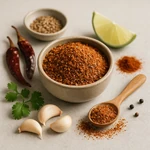
Mexiko Grill Seasoning: How to Get the Most Out of It on the BBQ and in Fast Weeknight Cooking
Mexiko-style grill seasoning is a shortcut to bold, smoky-spicy flavour—great on meat, vegetables, seafood, and plant-based proteins. Used the right way, it works as a quick dry rub, a juicy marinade base, and even a “fusion” seasoning that plays surprisingly well with Asian pantry staples like soy sauce, sesame, and lime.
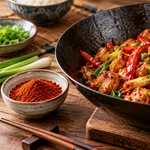
Hot peppers: how to use them and what to combine them with?
Hot paprika is one of the quickest ways to add warmth, color, and a rounded peppery aroma—without reaching for fresh chillies. Used well, it builds a pleasant heat that supports other flavors; used carelessly, it can turn bitter or overpower a dish. Here’s how to choose, dose, and combine hot paprika so the spice stays balanced, including practical tips for Asian-style meals.
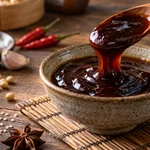
Hoisin Sauce: What It Is, How It Tastes, and How to Use It Well
Hoisin sauce is the sweet-savoury, deeply aromatic condiment that can make a simple stir-fry taste restaurant-level in minutes. Learn what’s inside, what it pairs with, and how to avoid common mistakes—plus a few fast ways to use it beyond dipping.
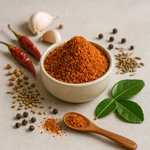
Seasoning Ground Meat: How to Turn a Plain Base into a Fragrant, Flavorful Dish (Including Asian Styles)
Ground meat is a weeknight workhorse—fast, versatile, and easy to portion. But it can taste surprisingly flat unless you build aroma and balance. This guide explains how to season ground meat on purpose: what flavors work, when to add spices, how to control heat and salt, and how to lean into Asian-inspired profiles with minimal effort.
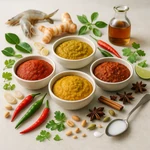
Red, green, yellow, panang, and massaman: what to expect
A practical guide to the five most common Thai curry pastes — red, green, yellow, panang, and massaman. I will explain the basic flavor profiles, when to choose each paste, how to use it at home, and what to watch out for when selecting and storing.
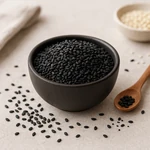
Black Sesame Seeds: Flavor, Best Uses, and How to Get the Most Out of Them
Black sesame seeds may be tiny, but they bring a surprisingly bold, nutty aroma, a gentle crunch, and instant visual contrast. Learn what makes them different from white sesame, when to use them whole vs. ground, how to toast them without bitterness, and easy ways to use them in both savory dishes and desserts.
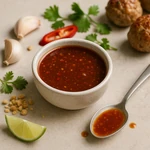
Sauce for Meatballs: How to Get the Flavor (and Texture) Right — with an Asian Twist
Meatballs are reliably good. The sauce is what makes them memorable: it adds aroma, keeps them juicy, and turns “just meatballs” into a dish you want to eat again tomorrow. Here’s a practical way to build a sauce that balances sweet–salty–sour–spicy, clings to the meatballs, and can lean Asian without feeling complicated.
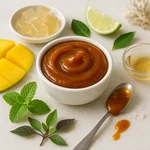
Syrups, fruits, and sweet ingredients in Asian desserts: how to understand them and how to use them
Asian desserts often don't rely on baking and butter creams but on smart combinations of textures, temperatures, and "sweet pantries": preserved fruit, syrups, pastes, and creams. In this guide, we will clarify why fruit in syrup is a full-fledged ingredient, what role syrup plays as an ingredient (not just a sweetener), and how to assemble your first simple desserts at home so they work in flavor and texture.
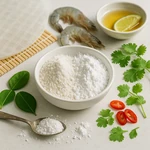
How to work with rice and tapioca flour: texture, techniques, and common mistakes
Rice and tapioca flour are fundamental building blocks in many Asian sweets – not because they "replace wheat," but because they help create specific textures: elastic, sticky, slippery, jelly-like, or pudding-like. If you approach them with the same logic as cake flour, you will often end up disappointed. This guide will help you understand how to think about them, how to choose the right technique (steaming, setting, baking…), and what to avoid.
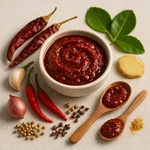
Devil’s Seasoning: How to Find Your Ideal Heat—and Make It Taste Great
“Devil’s seasoning” is a handy nickname for extra-spicy chili blends, pastes, and sauces that can turn plain rice, noodles, or a quick stir-fry into something exciting. The trick is choosing a heat level you’ll enjoy—and building flavor around it so the dish is bold, not just painful. This guide shows how to read spiciness cues, dose it confidently, and balance heat like Asian kitchens do.
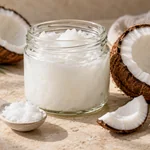
Coconut oil
Discover the secrets of coconut oil! Read our article, where we show you the differences between its types and their benefits for your skin, hair, and health. Find out which one is best for you!
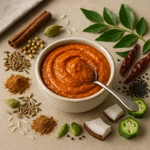
North and South India in the kitchen: how to recognize the difference on the plate and what to cook at home
"Indian cuisine" is not one taste or one sauce. For a European home cook, however, the division into north and south is one of the most practical reference points: it helps to understand why sometimes bread and a creamier sauce make more sense, other times rice, coconut, and a more pronounced acidity. This article will show the main differences, what both directions have in common, and how to bring them into everyday home cooking without unnecessary shortcuts and mistakes.
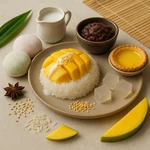
Asian desserts: what to expect from them (and why their texture will surprise you the most)
Asian desserts often can't be squeezed into familiar categories like “cake,” “pudding,” or “cookie.” Instead of heavy buttery pastries, they feature rice, coconut, starches, legumes, fruit, syrups, and especially texture – elastic, gel-like, pearl-like, or icy. This guide will help you understand what is typical for Asian sweets, the main dessert families, and how to practically navigate them.
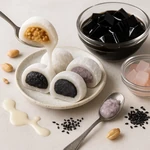
Mochi, grass jelly and other desserts with a "different" texture: how to understand them and what to expect
For many Asian desserts, the main point is in the texture – whether the bite is elastic, jellied, pearly, smooth, or icy. In this guide, you will get oriented in mochi, agar jellies, grass jelly, and other "textural" sweets and learn how to taste and combine them so they make sense even without complicated preparation.
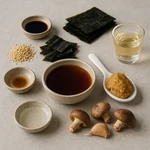
What to replace fish sauce, miso, mirin and other essentials with: honestly, functionally and without myths
Substitutes for Asian ingredients are a great backup plan – but this is exactly where the most common half-truths like “it’s the same” arise. In practice you often can’t replace the name, but rather the function in a specific dish: saltiness, umami, fermented character, gentle sweetness or a “rounding” of flavor. In the article you’ll find a simple decision system and honest, practical substitute options for fish sauce, soy sauce, miso and mirin – including when it’s better to admit the result won’t be the same.
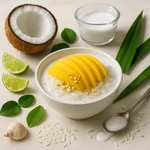
Coconut and rice desserts across Asia: how to navigate flavors and textures
Coconut and rice are among the most common "building blocks" of Asian desserts – but it’s not just about taste. In many countries, texture is equally important (and often more so): the elasticity of mochi, the slipperiness of tapioca pearls, firm agar jelly, or the icy layer of shaved ice desserts. This article provides an overview of the main types of coconut and rice sweets across Asia and practical tips on how to quickly understand them at home.
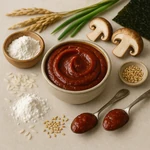
Vegetarian Asian cuisine: how to build flavor without meat (and without disappointment)
Vegetarian (and often vegan) Asian cuisine is not a 'deprived' version of cooking with meat. In many parts of Asia, it has its own traditions, techniques, and flavor logics – and good food here is not based on substitutes, but on umami, fermentation, texture, spices, herbs, and smart bases. The article provides an orientation in main styles, solid building blocks (tofu, tempeh, legumes), a practical guide on how to start at home, and what to watch out for in 'hidden non-animal' sauces and broths.
