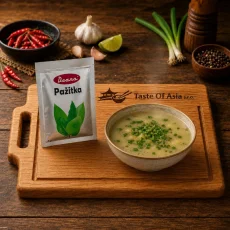
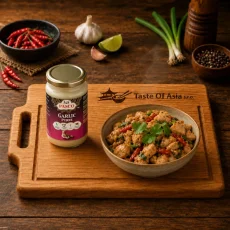
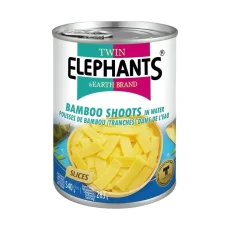
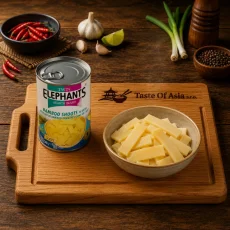
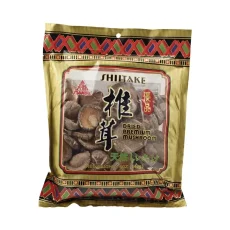
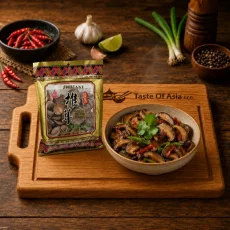
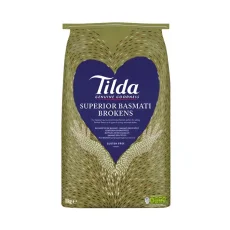
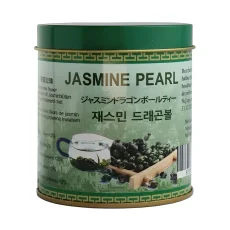
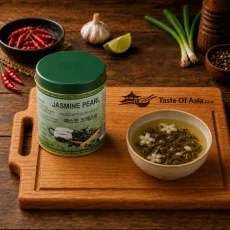
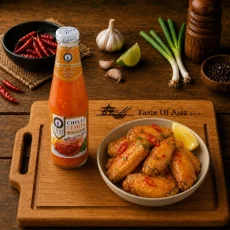
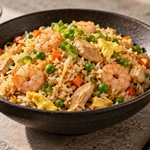
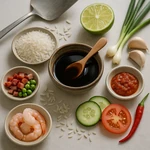
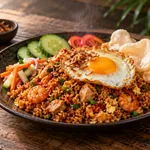
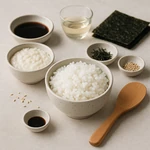
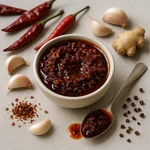
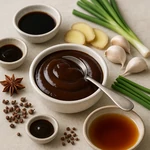
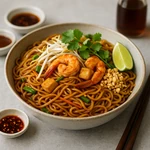
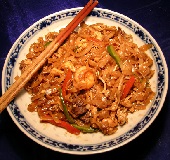
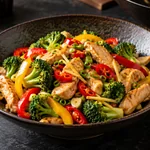
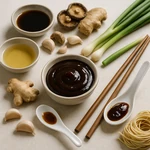
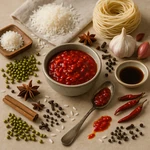
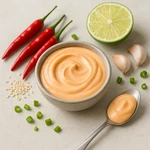
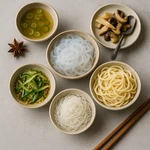
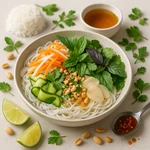
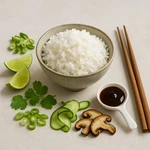
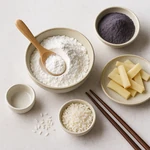
This Canton-style fried rice is the kind of flexible, weeknight-friendly dish you can build from what’s already in your fridge: cold rice, eggs, a little meat (or seafood), and crisp vegetables. The key is simple technique—high heat, quick cooking, and rice that’s properly cooled—so every grain stays separate and flavorful.
Discover the delicious world of custard—a creamy dessert that has won the hearts of gourmets around the world! What is the history of this silky temptation, where did it come from, and how did it become part of our favorite desserts? Read more about how custard is used in cooking and get inspired to make it at home!
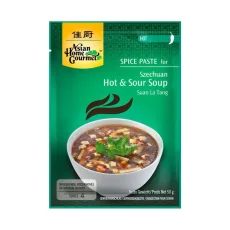
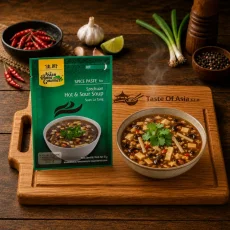
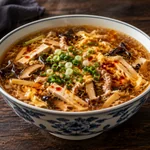
Hot & Sour soup is all about contrast: a warming chilli kick balanced by bright vinegar, plus satisfying textures from mushrooms, tofu, and silky egg ribbons. This home-friendly version comes together fast and is easy to adjust—make it sharper, hotter, or heartier depending on what you crave.
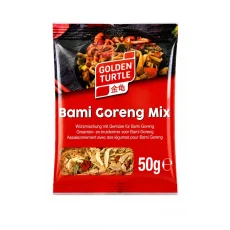
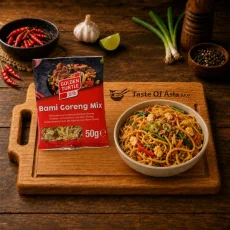
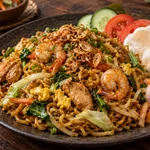
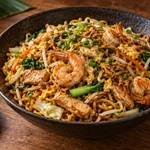
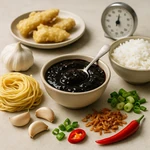
Bami Goreng is Indonesia’s beloved fried noodle dish: springy noodles tossed in a savory-sweet soy seasoning, quickly stir-fried with vegetables and your choice of chicken, shrimp, or tofu, then finished with egg and a squeeze of lime. This version is fast, flexible, and designed to work well on a home stovetop.
Asian cuisine is not just a collection of "exotic" recipes – it is mainly a set of practical habits that allow cooking quickly, tasty, and without feeling heavy. In this article, you'll find specific principles that you can bring home: from salty and warm breakfast to the "bowl" logic of meals and seasoning with sauces, acidity, and texture.
On menus and in home cooking, three names for “pan” rice often meet: nasi goreng, fried rice and Cantonese rice. They sound similar but do not mean the same thing. In this guide we'll clarify what is a technique (fried rice), what is a specific national style (nasi goreng) and why it makes sense to ask for clarification with “Cantonese rice.” And most importantly: how to choose the right rice and how to achieve good flavor at home without cooking “by one universal recipe.”
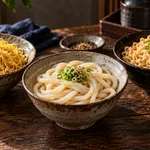
Discover the history, production, and different types of wheat noodles that dominate world cuisine. Learn how to prepare them properly and use them in popular recipes such as Kake Udon, Miso Ramen, or Zaru Soba. Read more about their versatile uses!
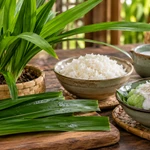
Discover the secrets of this exotic plant that will give your dishes a unique aroma and flavor. Immerse yourself in the fascinating history, uses, and recipes featuring pandan, which will open up new gastronomic horizons!
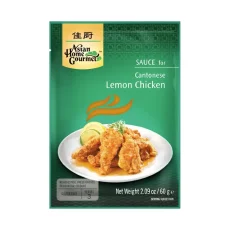
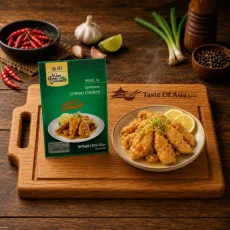
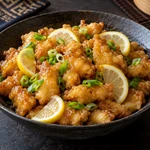
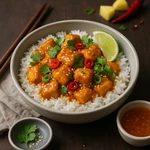
Cantonese-style lemon chicken is all about contrast: juicy, crispy-coated chicken pieces tossed in a glossy lemon sauce that’s sweet, tangy, and lightly savory. This home-friendly version keeps the crunch and delivers that restaurant-style citrus shine—without complicated steps.
This article will guide you through the secret that gives this Japanese dish its unmistakable character. You will discover why the sauce is key to the perfect balance of flavors and how its sweet and salty profile creates the harmony that makes this dish so exceptional. Read on to learn how it enhances the whole experience and why, without it, the dish would lose its power.
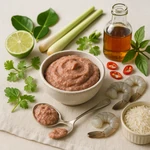
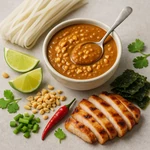
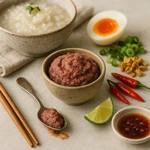
Nam Prik Kapi is a punchy Thai chili dip built around fermented shrimp paste, lime, and fresh chilies. A small spoonful adds salty depth, citrus brightness, and serious heat—perfect for turning plain rice, crisp vegetables, and simple fish or eggs into a complete, satisfying meal.
Broth, toppings, aroma oil—ramen gets a lot of attention for what’s on top. But the real backbone of the bowl is the noodle: springy, satisfying, and able to carry flavor. Here’s a practical guide to ramen noodles (fresh, dried, instant), how to cook them for the ideal bite, and how to use them not only in soup but also in quick stir-fries and “no-broth” bowls.
Sri Lankan cuisine is not just "Indian curry on an island." It is based on rice, coconut products, strong spices, sourness, chili, and especially on the fact that one meal often consists of several smaller components (curry, sambols, pickles). In this guide, you will find the most typical Sri Lankan dishes and a simple key to recognize and understand them.
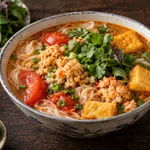
Bún Riêu is a bright, savory Vietnamese noodle soup built on tomatoes, seafood umami, and a generous pile of fresh herbs. This home-friendly version keeps the signature sweet-sour balance and “riêu” crab clusters—without requiring hard-to-find ingredients.
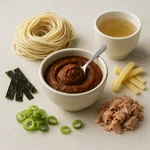
Mee goreng is the kind of dish you make once and then crave regularly: springy noodles tossed in a sweet-savoury, lightly spicy sauce, finished fast over high heat. This version is flexible (chicken, shrimp, tofu, or veg), works in a wok or large pan, and comes together quickly when you prep everything first.
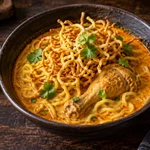
Khao Soi is a comforting Northern Thai curry noodle soup known for its creamy coconut broth, tender meat, and a crunchy noodle topping. This home-friendly version keeps the signature sweet-salty-spicy balance and the fun “mix-your-own” garnishes at the table.
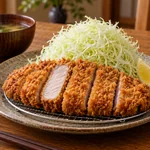
Discover the magic of Japanese cuisine with this recipe for a crispy dish that will amaze you with its simplicity and great taste. When tender pork chops meet a delicious sauce, the result is a dish that is perfect for any occasion. Be inspired by this recipe and experience a unique combination of flavors right in your own kitchen!
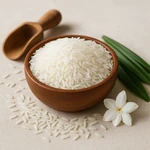
In many Southeast Asian meals, rice isn’t just a side dish—it’s the foundation that carries sauces, balances heat, and makes a bowl feel complete. ST25 is a premium Vietnamese jasmine-style rice known for its gentle floral aroma, tender bite, and everyday versatility. Here’s what makes it different, what to pair it with, and how to cook it (pot or rice cooker) without guesswork.
Maengda chilli paste is one of those Thai pantry shortcuts that can make plain rice, noodles, or a quick stir-fry taste “finished” in seconds. It’s not just about heat—its signature is a bold, lingering aroma and a concentrated savoury profile. Here’s what “Maengda” means, what to expect from the flavour, and how to use it well at home.
Why does brown rice deserve a place in your kitchen? This article will introduce you to all its benefits, ways to prepare it, and tips on how to incorporate it into your favorite dishes. Discover how brown rice can enrich your diet and give it that extra something!
Nasi Goreng is Indonesia’s iconic fried rice: smoky, savoury-sweet, and endlessly adaptable. The key is simple—use cold, dry rice and cook everything fast over high heat for that irresistible “wok” aroma.
With Gogi Tempura Mix with Spices, preparing tempura with chicken and vegetables is quick and easy. Enjoy crispy, delicious pieces of meat and vegetables that will transport you to the heart of Japan. Try it today and enjoy the authentic taste!
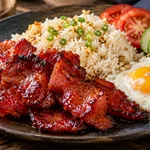
Tocino is a Filipino classic: thin slices of pork cured in a sweet-salty marinade, then pan-cooked until glossy and lightly caramelized. This homemade version is easy to prep ahead and perfect for a comfort-food breakfast with rice and a fried egg.
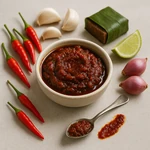
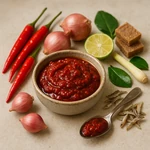
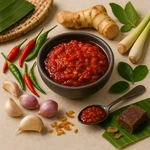
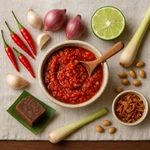
Sambal trassi is one of those Southeast Asian condiments that can transform a plain bowl of rice into something deeply savory and exciting. It combines hot chili with the unmistakable, funky depth of trassi (also spelled terasi)—a fermented shrimp paste that brings saltiness and intense umami.
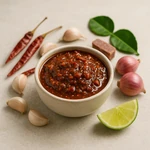
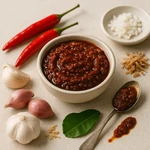
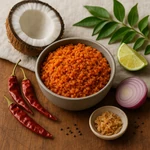
Nasi goreng is one of Southeast Asia’s most loved “use-what-you-have” dishes—fragrant fried rice that can be mild, smoky, or seriously spicy. A nasi goreng chilli paste gives you that street-food style flavour base in minutes: warm it in oil, toss in cold rice, and build the rest from whatever’s in your fridge.
A quick dinner from a few ingredients is not about "mixing something and hoping." In Asian street food, speed is based on a smart foundation, clear flavor, good final seasoning, and the fact that ingredients are prepared so they can be cooked in a short time. We will show you how to transfer this logic home without complicated preparation – and without overwhelming yourself with too many ingredients or steps.
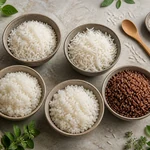
In Asian cuisines rice is often not “something for the sauce,” but the very framework of the dish. With coconut rice (typically nasi lemak style) and sushi rice you can clearly see how dramatically flavor, texture and even what we consider a finished meal can change—simply depending on which rice you choose and how you treat it.
Chilli paste in oil is the “one-spoon upgrade” for weeknight noodles, rice bowls, soups, and stir-fries. It delivers heat, deep roasted aroma, and a flavour-carrying oil in one jar—so you can build a more complex taste without making a full sauce from scratch.
"Chinese cuisine" is not a single uniform tradition, but a wide family of regional styles. Nevertheless, certain ingredients are repeated in it, without which home cooking with Chinese influences often sounds flat or "un-Chinese." In this guide, you will find an overview of the most typical ingredients, their function in dishes, the main differences, and practical tips for first use.
Three famous noodle dishes that look similar at first glance: "wok noodles." But the difference is not just in the country of origin. They differ in the type of noodles, the flavor of the sauce, and how exactly to work with heat and timing so the noodles remain elastic and the dish is neither dry nor "drowned."
Pad thai, phat thai nebo phad thai jsou smažené rýžové nudle, v Thajsku běžně prodávané na ulici, které si určitě zamilujete pro svou jednoduchou přípravu a skvělou chuť.
"Chinese cuisine" is not one style, but a large family of regional cuisines. In practice, this means that the basic side dishes (rice vs. wheat), typical ingredients (coast vs. inland), and flavor logic (somewhere spiciness dominates, elsewhere broth or sweet and sour) differ. In this article, you will get a simple orientation in the regions and mainly a practical guide on how to transfer this diversity into home cooking without chaos.
Nasi lemak is Malaysia’s iconic comfort meal: fragrant coconut rice served with spicy sambal, crunchy peanuts, salty fried anchovies, cucumber, and egg. This home-friendly version keeps the classic balance of creamy, hot, sweet, and crisp—perfect for brunch, lunch, or a quick “rice bowl” dinner.
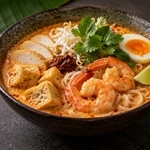
This coconut laksa is a Southeast Asian-style noodle soup that hits the sweet spot between creamy, fragrant and gently spicy. It comes together fast on a weeknight, and you can make it with chicken, prawns, or tofu—whatever you have.
Taiwanese cuisine is not just bubble tea and night markets. It is an independent, vibrant, and surprisingly diverse world where several layers of influences meet – and that's exactly why you can enter it smartly and step by step. In this guide, you will clarify what is typical for Taiwanese food, what the "Taiwanese taste" looks like in practice, and which first steps make the most sense at home without having to "cook the whole Taiwan" right away.
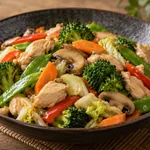
Chop suey is the ultimate “mix-and-match” stir-fry: tender protein, crisp vegetables, and a light savory sauce that clings to every bite. It’s fast, flexible, and perfect for using up leftover veg—served over rice or noodles for an easy weeknight meal.
Discover the unique flavor of brown rice chili paste! This article will guide you through the world of exotic flavors and show you how this spicy ingredient can spice up your favorite recipes. Read on to find out how it's made, where to use it, and why you should try it!
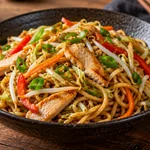
Chow mein is all about speed and heat: springy noodles, crisp-tender vegetables, and a savoury sauce that clings to every strand. This flexible recipe shows you the core technique, then lets you swap chicken for beef, tofu, shrimp—or go veggie-heavy.
Malaysian cuisine cannot be reduced to one “typical” flavor. It is a living mix of Malay, Chinese, Indian, Peranakan and local Bornean influences – and you will often find them all on one plate. In this guide we will show you how to reliably recognize Malaysian taste, how it differs across dishes and regions, and how to practically construct its most important flavor pillars at home.
Sri Lankan cuisine is not just “Indian curry on an island.” It is a distinct flavor landscape built on rice, coconut products, bold spices, chili and important accompaniments like sambol and various pickled or sour components. You understand it best not through a single iconic dish, but through the way of dining: several different curries and accompaniments mixed together on the plate.
Taiwanese cuisine is often simplified to bubble tea and night markets, but in reality, it is a distinct and very vibrant culinary world. Typical Taiwanese dishes often rely on rice, noodles, and broths, on small portions and snacking – and especially on texture: delicate vs. crunchy, slippery vs. elastic, starchy vs. broth-based. In this article, you will find an overview of the most famous dishes, how they taste, what makes them typical, and how to practically navigate them.
Fast Asian meals are not a "simplified restaurant," but a distinct world built on quick finishing, bold flavors, sauces, and texture. Once you understand the main formats (noodles, rice bowls, soups, cold dishes), you can make smart choices at home – and realistically fit into 30 minutes without compromising on taste.
Family Asian cooking doesn't have to mean a pile of exotic ingredients or "diet" versions of favorite dishes. In practice it's often enough to understand a simple logic: build the plate on rice or noodles in a reasonable proportion, add a clear protein, give vegetables real space, use the sauce more as a binder than a flood – and finish the whole meal with freshness, acidity, texture and umami.
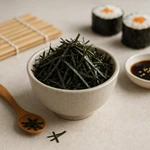
Kizami nori is roasted nori seaweed cut into delicate strips and used as a quick finishing garnish. A small pinch can lift the aroma of rice bowls, noodle soups, and salads—adding gentle brininess, subtle roastiness, and clean umami without changing the whole dish.
This chilli ginger garlic stir-fry is the kind of dinner you can cook faster than you can order takeaway: sizzling aromatics, crisp-tender vegetables, and a glossy sweet-sour-soy sauce. Make it with tofu, chicken, or just vegetables—one pan, big flavor.
Chinese cuisine is a great gateway to Asian cooking – but only if you don't approach it as one "universal" cuisine and don't try to cook everything right away. In this guide, you'll create a simple map (north vs. south, basic regional framework), choose the first types of dishes to make at home, and understand how to start with sauces and seasonings without typical shopping mistakes.
Asian cuisines were shaped by more than just climate and local agriculture – trade also played a crucial role. Spices, sugar, tea, citrus fruits, as well as techniques for working with grains and fermentation spread both by sea and land. In this article, we will show exactly what "trade influences" mean on the plate and how this perspective can help you better understand the differences between regions and cook smarter at home.
The most common dead end for beginners is trying to start "Asian cuisine" as one package. In practice, however, individual cuisines (Japanese, Chinese, Korean, Vietnamese, Thai, Indian, etc.) work differently: they have different flavors, different cooking pace, and different pantry requirements. It is much better to choose your first entry door – according to the style of dishes you like – and only then deal with the details.
Sriracha Mayo blends the garlicky chilli kick of Sriracha with the rich, smooth texture of mayonnaise. The result is an easy, all-purpose dip and drizzle that works just as well with sushi and poke as it does with fries, sandwiches, or noodle bowls.
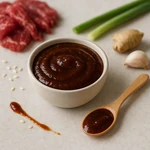
If you like the sticky, savory-sweet finish of Korean BBQ but don’t want to measure ten different ingredients on a weeknight, bulgogi-style hoisin sauce is the kind of pantry helper that earns its space. It’s thick, dark, sweet-umami and designed to work immediately as a quick marinade, a last-minute pan glaze, or a bold dipping sauce.
"Chinese taste" is not one universal sauce or one type of dish. It is a way of working with layers – saltiness, umami, subtle sweetness, sourness, spiciness, aromatic "warmth" of spices, and texture. When you understand what each layer does and how various techniques (wok, steaming, braising, broths) create it, you will navigate Chinese cuisine much more confidently – and stop confusing it with a few simplified European ideas.
Searching for an "Asian recipe" is often confusing because it is not one cuisine or one type of dish. In practice, you can start simply: learn to read the three most common families of Asian dishes – rice dishes, noodle dishes, and soup bowls. In this guide, we will compare them according to serving logic, taste, and home use, so recipes stop being random clicks and start making sense for you.
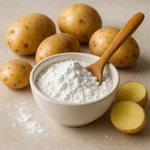
Potato starch doesn’t look like much, but it can change the texture of your cooking in minutes. Used the right way, it turns pan sauces glossy, helps soups feel rounder without tasting “floury,” and creates a light, shatteringly crisp crust on tofu, chicken, mushrooms, or vegetables—one of the small restaurant-style techniques that shows up again and again in Asian home cooking.
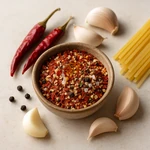
Aglio, olio, peperoncino: garlic, oil and chilli. It’s a minimalist Italian flavour trio that tastes bold, warm and clean when done right. In a ready-made seasoning blend, you get the same idea in a quicker, more consistent form—useful not only for spaghetti, but also for stir-fried noodles, rice bowls and quick wok dinners.
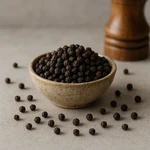
Black pepper is easy to overlook because it’s always within reach—but used thoughtfully, it can make Asian dishes taste more complete: warmer, more aromatic, and more layered. Here’s what black pepper actually brings to the plate, how to choose between whole and ground, and when to add it so it stays fragrant instead of turning bitter.
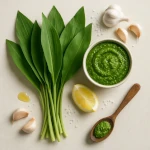
Wild garlic—also known as ramsons—is one of those short-season spring ingredients that can instantly make food taste brighter. It brings a fresh, leafy garlic character without the harsh bite of raw cloves, which makes it surprisingly easy to weave into quick Asian-style stir-fries, noodle dishes, coconut curries, and rice paper rolls.
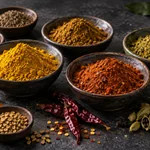
Curry spice is less a single seasoning and more a shortcut to layered flavour—warm, earthy, aromatic, sometimes spicy. Learn what “curry powder” really means, how it differs from curry pastes, and how to get the most from it in everyday cooking.
Vietnamese cuisine often overlaps with what is common for a large part of Asia: rice and noodles are not just side dishes, soup is often a full meal, and street food is a thoughtful system of quick specialties. In this guide, we will show a practical map of typical groups of dishes, according to which you can orient yourself both on the menu and at home and more easily choose what you will enjoy.
Light and balanced Asian dishes are not “diet versions” of classics or flavorless meals. In many parts of Asia, lightness is a natural result of how a dish is composed: what forms the base (rice or noodles), what carries the protein, what adds freshness, acidity, texture, and how a sauce or broth is used so that the ingredients are not overwhelmed.
Korean cuisine is often presented as a list of “iconic” names. For practical orientation, however, it works much better to understand in what format the food comes to the table: a bowl of rice, a noodle bowl, soup as a main dish, or a quick/street food approach. In this guide, we will show the main groups of typical Korean dishes, how to recognize them, what to expect from them, and how to start making them at home without unnecessary mistakes.
Indonesian cuisine is not a single "national taste," but a broad family of regional styles spread across a vast archipelago. Yet, it repeatedly returns to several fixed points: rice as the center of the meal, chili and sambal, sweet-salty depth thanks to kecap manis, aromatic pastes, and coconut, which can both soften and intensely concentrate the flavor. In this article, we will put these pillars together so that when cooking at home for the first time, you know what you are actually looking for and why it tastes "Indonesian."
Sambal in Indonesia does not mean one "chili paste," but a whole family of seasonings – from milder to very spicy, from fresh to cooked or fermented. In practice, sambal can function as a table condiment, but just as well as a base of a dish that transforms plain rice into a distinctive meal. In this article, we clarify the differences between types of sambal and ready-made pastes, how to choose them and how to start using them at home without the most common mistakes.
With Asian noodles, the most common disappointment doesn’t come from a “low-quality product” but from choosing the wrong type for the particular dish. In this guide, you’ll clarify based on the material (wheat, rice, buckwheat, starch, konjac), thickness, and behavior in broth, in a pan, and after cooling – and you’ll learn to choose noodles as practically as in Asian kitchens.
Asian salads and cold dishes are not just a light side dish or "vegetables with dressing." In many cuisines, they serve as a full meal – based on freshness, herbs, acidity, umami base, chili, and especially texture. In this guide, you will clarify what is typical for cold Asian cuisine, what the main forms are (from rolls to cold noodles), and how to assemble a bowl at home so that it tastes complete, not just "mixed."
"Light" Asian food is not about being small or bland. Often, it's actually a full bowl or plate that satiates but doesn’t feel heavy: it’s based on rice or noodles in a reasonable ratio, complemented by vegetables and herbs, with flavor carried by broth or precise seasoning, and the whole is held together by acidity, umami, and contrast of textures. In this guide, you’ll find practical orientation and specific "families" of dishes that make sense for everyday – from warm breakfast bowls to cold noodle salads.
A good "Asian pantry" is not about having dozens of sauces and pastes at home. It's about a few functional basics that repeat across many dishes: something for saltiness and umami, something for acidity and sweetness, something aromatic, something starchy and a few quick guarantees for texture. Here is a practical ten that will let you cook a surprisingly wide range of Asian dishes even from common fresh ingredients.
“Street food style at home” is not about copying stalls to the last detail. It’s about understanding why Asian street food works: speed, clear flavor, sauces and final seasoning, contrast of textures, and serving immediately without unnecessary complexity. The article contains a practical guide on how to transfer this logic to the home kitchen – even if you don’t cook from scratch.
Asian breakfast is not a single universal category. Depending on the country and region, morning can mean a bowl of rice with side dishes, noodle broth, delicate rice porridge (congee), pancakes made of fermented dough, coconut rice, or even toast and coffee. Often common is that breakfast is salty, warm, practical, and in many places connected to street food.
Cookies
This site uses cookies to provide services, customize ads, and analyze traffic. Your consent to the use of cookies will significantly help us to improve our services. More information



 Česky (CZK)
 Slovensky (EUR)
 Deutsch (EUR)
 Austria
 Belgium
 Bulgaria
 Croatia
 Denmark
 Estonia
 Finland
 France
 Germany
 Greece
 Hungary
 Italy
Italy Latvia
 Lithuania
 Luxembourg
 Netherlands
 Poland
 Portugal
 Romania
 Slovenia
 Spain
Spain Sweden