


 Česky (CZK)
 Slovensky (EUR)
 Deutsch (EUR)
 Austria
 Belgium
 Bulgaria
 Croatia
 Denmark
 Estonia
 Finland
 France
 Germany
 Greece
 Hungary
 Italy
Italy Latvia
 Lithuania
 Luxembourg
 Netherlands
 Poland
 Portugal
 Romania
 Slovenia
 Spain
Spain Sweden










potatoes
Products
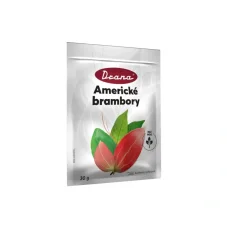
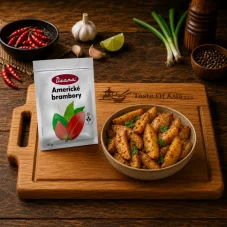
Drana American Potatoes 30 g
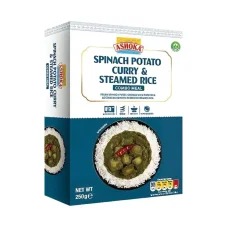
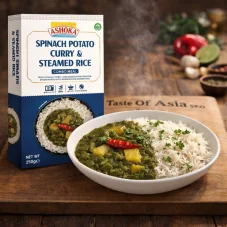
Ashoka Spinach curry with potatoes and steamed rice 250g
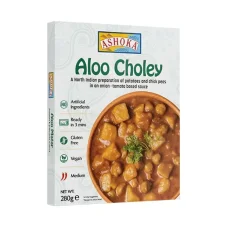
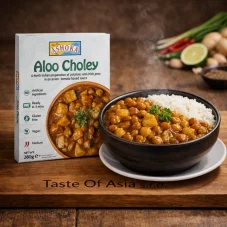
Ashoka Instant Aloo Choley 280 g
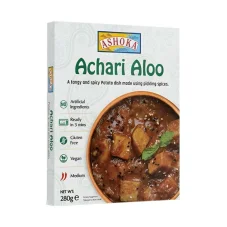
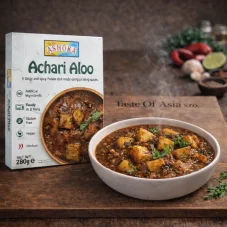
Ashoka Instant Achari Aloo 280 g
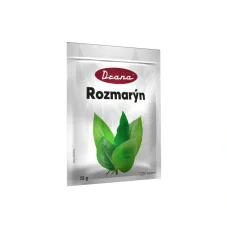
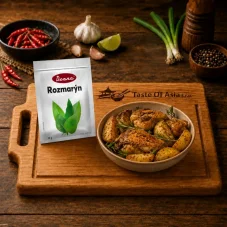
Drana Rosemary 15 g
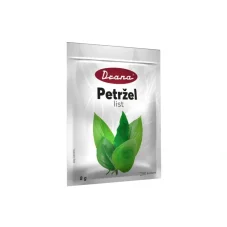
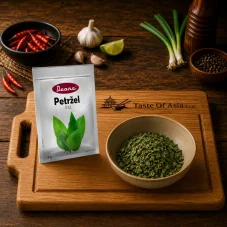
Drana Parsley Leaf 8 g

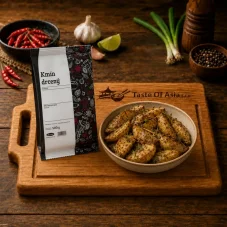
Drana Caraway Crushed 500 g
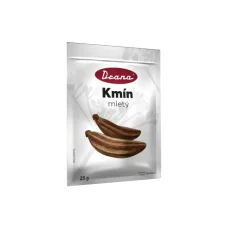
Drana Caraway Ground 25 g
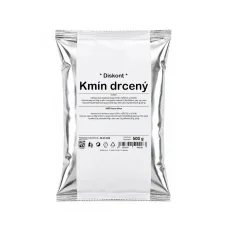
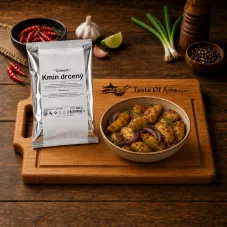
Drana Caraway Crushed Diskont 500 g
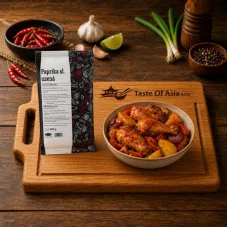
Drana Smoked Sweet Paprika 500 g

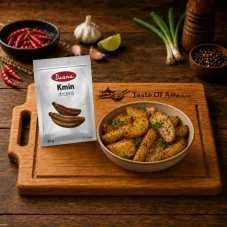
Drana Caraway Crushed 25 g
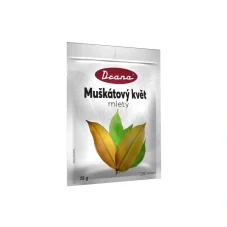
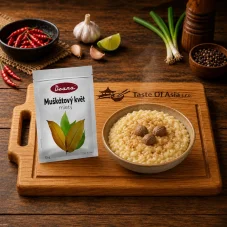
Drana Ground Mace 15 g

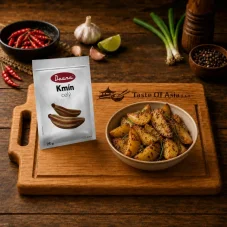
Drana Caraway Whole 25 g

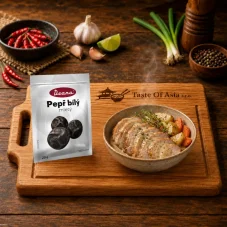
Drana Ground White Pepper 20 g
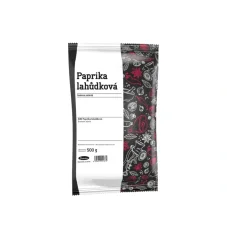
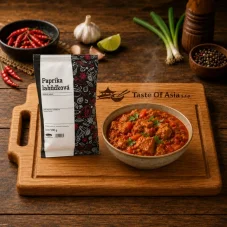
Drana Delicacy Paprika ASTA 160 500 g
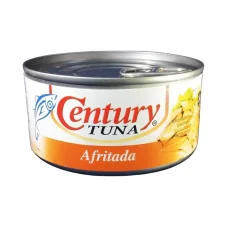
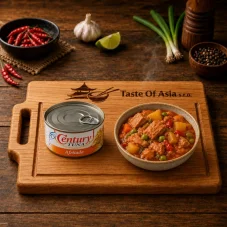
Century Tuna Tuna flakes Afritada 180 g

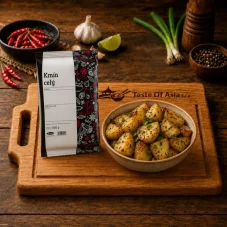
Drana Caraway Whole 500 g
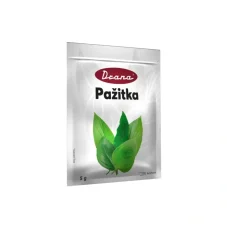
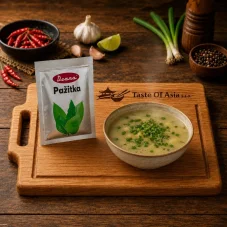
Drana Chives 5 g
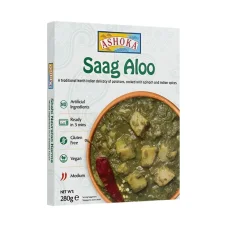
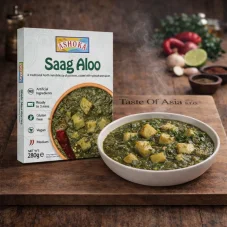

Ashoka Instant Saag Aloo 280 g
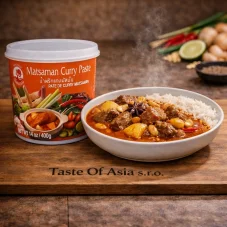
Cock Brand Kari Matsaman Paste 400 g
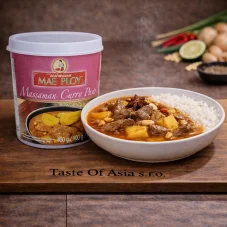

Mae Ploy Massaman Curry paste 400 g

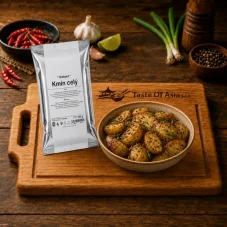
Drana Caraway Whole Diskont 500 g
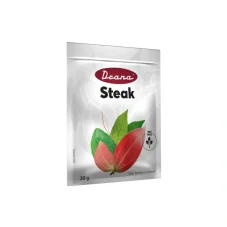
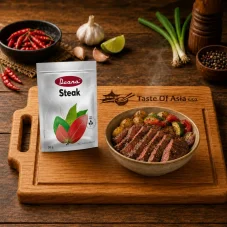

Drana Steak 30 g
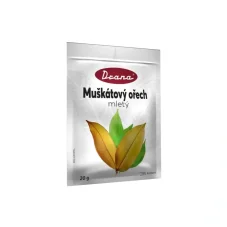
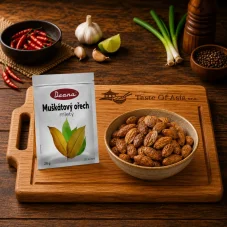
Drana Ground Nutmegs 20 g
Articles
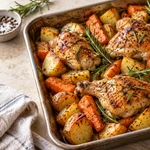
Rosemary: The Aromatic Herb That Lifts Roasts, Potatoes, and Marinades
Rosemary is one of those herbs that can make a dish taste “finished” with almost no effort. Used sparingly, its piney, resinous aroma deepens roasted meats, vegetables, and olive-oil based marinades—and it can be surprisingly effective in modern Asian-inspired grilling and umami-rich sauces, too.
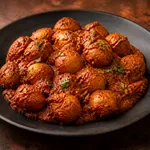
Recipe for Dum Aloo
Dum Aloo is a traditional Indian delicacy. Try this recipe!
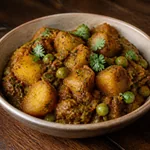
Recipe for Aloo Matar
Aloo Matar is a classic dish in Indian cuisine.
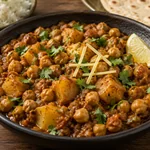
Recipe for Aloo Choley
Let's prepare a recipe for Aloo Choley, a delicious Indian dish made from potatoes and chickpeas, full of spices and flavors that will transport you right to the heart of India!
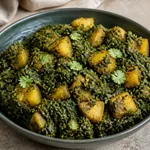
Recipe for Saag Aloo
Try this unique recipe for a traditional Indian delicacy.
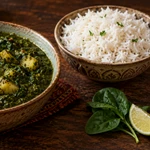
Spinach & Potato Curry with Steamed Rice (Easy One-Pot Curry Paste Method)
This spinach and potato curry is a comforting, meat-free dinner built around a simple curry paste base. Potatoes make it hearty, spinach brings color and freshness, and steamed rice soaks up the creamy sauce—perfect for an easy weeknight meal you can adjust from mild to spicy.
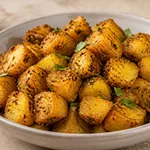
Recipe for Achari Aloo
Spicy Potatoes with an Indian Touch.
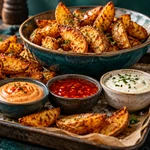
American-Style Potato Wedges: How to Get Them Crispy, Season Them Right, and Pick the Best Dips
“American potatoes” in Central Europe usually means oven-baked potato wedges with bold seasoning: crisp on the outside, fluffy inside, and made for dipping. This guide breaks down what makes wedges truly crunchy, how to season without burning spices, and how to pair them with punchy (including Asian-inspired) sauces.
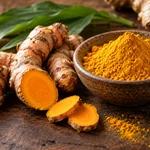
Turmeric
Discover the power of turmeric! This natural plant is the key to better health – from supporting digestion to protecting against inflammation. Turmeric extract with a high curcumin content is a powerful ally for your well-being and vitality. Be inspired by its natural healing properties and start using turmeric as part of your everyday life.
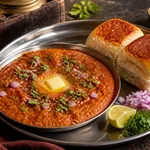
Recipe for Bombay Pav Bhaji
Bombay Pav Bhaji is a nutritious and tasty recipe full of vegetables. Try it for yourself!
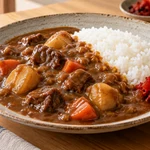
Recipe for Japanese Curry Kare Raisu
Discover the secrets of traditional Japanese curry, Kare Raisu! Learn a simple recipe for a delicious dish that combines exotic flavors with home comfort.
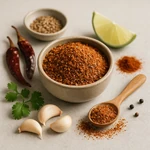
Mexiko Grill Seasoning: How to Get the Most Out of It on the BBQ and in Fast Weeknight Cooking
Mexiko-style grill seasoning is a shortcut to bold, smoky-spicy flavour—great on meat, vegetables, seafood, and plant-based proteins. Used the right way, it works as a quick dry rub, a juicy marinade base, and even a “fusion” seasoning that plays surprisingly well with Asian pantry staples like soy sauce, sesame, and lime.
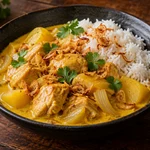
Thai Yellow Curry with Nam Prik Kaeng (Creamy Coconut Chicken Curry)
This Thai-style yellow curry is comforting, fragrant, and weeknight-friendly: rich coconut milk, tender chicken, and just enough heat from Nam Prik Kaeng curry paste. Serve it soupy over rice or simmer it down into a thicker curry—either way, it’s a bowl of pure warmth.
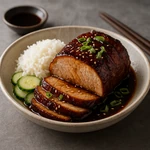
Boldly Seasoned Pork Roast with Juicy Pan Gravy (with an Optional Asian Twist)
This pork roast is all about two reliable moves: searing the meat well, then roasting it gently with just enough liquid to build a rich, spoonable gravy. A splash of dark soy sauce is optional—but it adds deep color and savory umami without turning the dish into “soy sauce pork.”
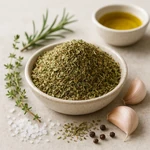
Provençal seasoning: a blend of herbs that enhances both vegetables and meat
Provençal seasoning—often sold as “Herbs de Provence”—is a fragrant mix of dried Mediterranean herbs that can make everyday food taste more rounded and aromatic in seconds. It’s a classic for roasted vegetables and grilled meats, but it also fits surprisingly well into simple Asian-style meals when you want extra aroma without adding complexity.
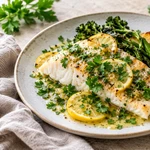
Parsley Leaf: the quiet herb that lifts soups, fish and marinades
Parsley leaf is easy to overlook because it rarely steals the spotlight—but that’s exactly why it’s so useful. A small pinch can brighten a broth, clean up a rich sauce, and add a fresh green finish to fish or grilled meats. Fresh and dried versions behave differently, so knowing when to use which makes everyday cooking noticeably more balanced.
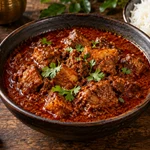
Goan Vindaloo Curry (Pork or Chicken): Spicy, Tangy Indian Curry
Vindaloo is a bold Goan curry known for its deep chilli heat and a distinctive tang from vinegar and garlic. This home-style recipe gives you a rich, thick sauce and tender meat—plus easy ways to adjust spice and acidity so it tastes intense, not harsh.
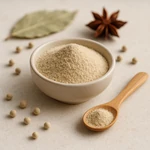
Ground White Pepper: Subtle Heat for Asian Dishes and Everyday Classics
Ground white pepper is a quiet workhorse: it brings a clean, warming pepper bite without the black flecks that can distract in pale soups and creamy sauces. Used thoughtfully, it can lift everything from Chinese broths and stir-fries to mashed potatoes and gravy.
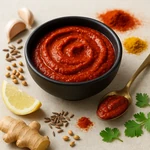
Tandoori Masala: the spice blend that brings authentic Indian flavour to meat and vegetables
Tandoori masala is a bold Indian spice mix made for high heat: aromatic, warmly spiced, and often gently hot. Combine it with yogurt and citrus for a quick marinade that works just as well in a home oven or on the grill as it does in a traditional tandoor.
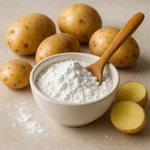
Potato Starch: The Quiet Trick Behind Extra Crispy Coatings and Silky Sauces
Potato starch doesn’t look like much, but it can change the texture of your cooking in minutes. Used the right way, it turns pan sauces glossy, helps soups feel rounder without tasting “floury,” and creates a light, shatteringly crisp crust on tofu, chicken, mushrooms, or vegetables—one of the small restaurant-style techniques that shows up again and again in Asian home cooking.
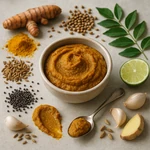
Colombo Curry: The Fragrant Caribbean Spice Blend Cooked Like Curry
Colombo curry (often simply “colombo”) is a Caribbean-style spice blend that behaves a lot like curry powder—but with its own identity. Bloom it briefly in oil, simmer it with chicken, fish, or vegetables, and finish the dish with something creamy (often coconut milk) plus a bright squeeze of lime.
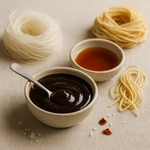
Which sauces and noodles to watch out for in gluten-free Asian cooking
Gluten-free Asian cooking often does not depend on whether you buy the "right" vegetables or meat, but on two tricky places: sauces and noodles. The basic ingredients can be naturally gluten-free, but one common soy sauce or wheat noodles can completely compromise the safety of the entire dish. The article provides specific guidance, the main risk situations, and practical procedures on how to handle this at home without unnecessary stress.
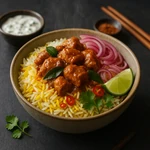
Donburi, biryani, and other one-bowl meals: how they work and how to understand them
One-bowl meals are not shortcuts or emergency meals in Asia – they are often well-thought-out rice dishes where rice is not a side dish but the center around which flavor, aroma, and texture are arranged. In this guide, we will show you how a bowl like Japanese donburi differs from layered biryani, what rice bowls have in common, and how to choose the right rice and style at home according to what you crave and how much time you have.
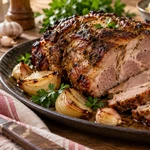
Oven-Roasted Pork Neck: Juicy Inside, Crisp Crust, Effortless Method
Pork neck (also sold as pork collar) is naturally marbled, which makes it one of the most forgiving cuts for oven roasting. This recipe keeps the prep simple, delivers a juicy sliceable roast, and finishes with a fragrant, lightly crisp crust—plus an optional sweet-salty glaze if you want a subtle Asian-inspired twist.
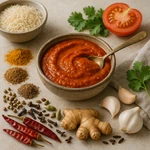
How to Start with Indian Cuisine: The First Directions, Key Ingredients, and Dishes to Understand It
Indian cuisine is not just one "typical" flavor but a whole map of regional styles – from delicate lentil dhals to fragrant rice plates and hearty sauces and marinades. If you want to start at home, the quickest way isn't to buy dozens of spices but to understand a few basic directions, one key technique (tadka), and choose a few initial dishes that teach you principles, not just one recipe.
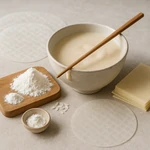
How to choose the right coating or dough: crispiness, elasticity, and translucency according to the type of flour and starch
In Asian cuisine, it is often not just the taste that matters, but mainly the texture: should the coating be crispy and light, the dough elastic and pliable, the sauce delicate and shiny, or the dumpling almost translucent after steaming? This is exactly where the choice of flour, starch, and type of coating makes the biggest difference. This guide will help you choose the right “coating or dough” depending on exactly what you want to cook – and avoid typical label mix-ups.
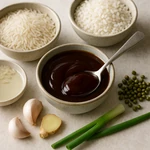
Gluten-free Asian cooking: how to recognize safe ingredients, avoid pastes, and cook at home stress-free
Gluten-free Asian cooking is not about a "special diet cuisine," but about good orientation in ingredients, labels, and preparation methods. In this guide, you'll clarify what is naturally gluten-free in Asia, where gluten typically lurks (often in sauces and noodles), and how to set up a simple system at home to ensure results are both tasty and safe.
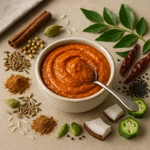
North and South India in the kitchen: how to recognize the difference on the plate and what to cook at home
"Indian cuisine" is not one taste or one sauce. For a European home cook, however, the division into north and south is one of the most practical reference points: it helps to understand why sometimes bread and a creamier sauce make more sense, other times rice, coconut, and a more pronounced acidity. This article will show the main differences, what both directions have in common, and how to bring them into everyday home cooking without unnecessary shortcuts and mistakes.
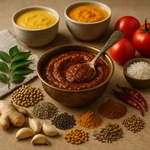
Indian curry: basics and main styles (and how not to get lost in them)
"Indian curry" is not one recipe nor one universal sauce. It is a broad family of saucy dishes and techniques that vary from region to region and household to household. In this guide, you'll clarify terms (curry vs. curry powder vs. masala), understand the main Indian directions, and most importantly: you will learn how to practically choose the right base and set your expectations so that the result tastes exactly how you want.
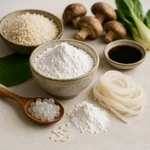
Naturally gluten-free Asian dishes: what is usually a safe base and where the traps lie
Asian cuisine can be great for gluten-free eating – it often relies on rice, legumes, vegetables, coconut, and fermented flavors. However, it can also surprise with "hidden" gluten in sauces, wheat noodles, coatings, or cross-contact during preparation. In the article, we clarify which dishes are naturally gluten-free, which are sometimes gluten-free, and how to navigate this at home and when ordering.
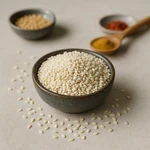
White Sesame Seeds: How to Use Them (and Why You’ll Want a Bag in Your Pantry)
White sesame seeds are one of those small ingredients that instantly make food feel more finished: a gentle nutty aroma, a subtle crunch, and a familiar “Asian kitchen” note on rice, noodles, salads, and stir-fries. Once you know when to toast them—and when not to—you’ll reach for them almost daily.
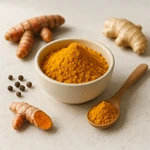
Ground Turmeric: How to Use It, What to Pair It With, and How to Get the Best Flavor
Ground turmeric is easy to recognize by its bold golden color—but its real value is the warm, earthy depth it adds to food. Used well, it can bring rice, vegetables, soups, and curries together into a cohesive, aromatic dish. Here’s how to cook with turmeric so it tastes rounded (not bitter), when to add it, and which flavor pairings make it shine.
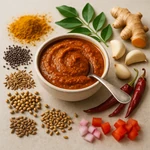
Madras Curry: a Spicy Indian Classic and Easy Ways to Use It at Home
Madras curry is one of the boldest “curry” styles you’ll find in European shops: warming spices, a lively chilli kick, and an aroma that instantly signals comfort food. Here’s what the label usually means, what flavours to expect, and how to turn Madras curry powder or paste into weeknight meals without overthinking it.
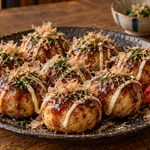
Recipe for Takoyaki Sauce and Food
This article will guide you through the secret that gives this Japanese dish its unmistakable character. You will discover why the sauce is key to the perfect balance of flavors and how its sweet and salty profile creates the harmony that makes this dish so exceptional. Read on to learn how it enhances the whole experience and why, without it, the dish would lose its power.
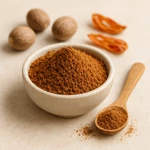
Ground Nutmeg: How to Use It, What It Pairs With, and Why It Works in Asian Cooking
Ground nutmeg is one of those “tiny pinch” spices that can make a dish feel warmer, smoother, and more complete. Used carefully, it lifts creamy sauces, potatoes, greens, and desserts—and it can also add a subtle finishing note to coconut curries and spice-forward Asian dishes.
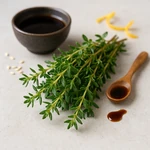
Thyme: What It Tastes Like, When to Add It, and What It Pairs With
Thyme may look modest, but it brings a deep, savory herbal note that can make simple food taste more “finished”. Learn how thyme behaves in cooking (fresh vs. dried), the best timing for adding it, and pairing ideas—including smart ways to use it alongside umami-rich Asian pantry staples.
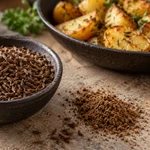
Caraway
Caraway can be subtle or boldly aromatic depending on when you add it and how much you use. This guide explains what caraway tastes like, how it’s different from cumin (often confused because of similar names), and practical ways to work it into rice, noodles, pickles, and spice blends with an Asian twist.
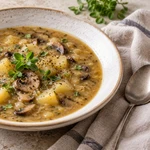
Marjoram: a gentle herb with big aroma (and how to use it beyond soup)
Marjoram is one of those quiet kitchen herbs that can make a dish feel instantly warmer and more complete. Its flavor is soft, slightly sweet, and deeply herbal—especially when you add it at the right moment. Here’s what marjoram tastes like, how it differs from oregano, what it pairs well with, and practical ways to use it in everyday cooking, including Mediterranean and West Asian–inspired meals.
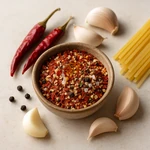
Aglio Olio Pepperoncino Seasoning: a fast route to garlic‑chilli flavour (far beyond pasta)
Aglio, olio, peperoncino: garlic, oil and chilli. It’s a minimalist Italian flavour trio that tastes bold, warm and clean when done right. In a ready-made seasoning blend, you get the same idea in a quicker, more consistent form—useful not only for spaghetti, but also for stir-fried noodles, rice bowls and quick wok dinners.
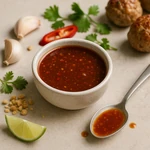
Sauce for Meatballs: How to Get the Flavor (and Texture) Right — with an Asian Twist
Meatballs are reliably good. The sauce is what makes them memorable: it adds aroma, keeps them juicy, and turns “just meatballs” into a dish you want to eat again tomorrow. Here’s a practical way to build a sauce that balances sweet–salty–sour–spicy, clings to the meatballs, and can lean Asian without feeling complicated.
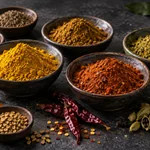
Curry Spice: What It Is, How to Use It, and How to Choose the Right Blend
Curry spice is less a single seasoning and more a shortcut to layered flavour—warm, earthy, aromatic, sometimes spicy. Learn what “curry powder” really means, how it differs from curry pastes, and how to get the most from it in everyday cooking.
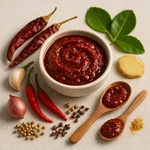
Devil’s Seasoning: How to Find Your Ideal Heat—and Make It Taste Great
“Devil’s seasoning” is a handy nickname for extra-spicy chili blends, pastes, and sauces that can turn plain rice, noodles, or a quick stir-fry into something exciting. The trick is choosing a heat level you’ll enjoy—and building flavor around it so the dish is bold, not just painful. This guide shows how to read spiciness cues, dose it confidently, and balance heat like Asian kitchens do.
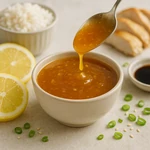
Sauce for Chicken and Rice: How to Nail an Asian-Style Flavor at Home
Chicken with rice can be a quick weeknight dinner or true comfort food—the difference is the sauce. Below you’ll find practical “building blocks” for common Asian-inspired sauce styles (bright and tangy, soy-umami, curry, or tomato-spiced), plus easy ways to thicken, balance flavors, and keep chicken juicy.
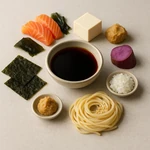
Regions of Japanese cuisine: why Hokkaido tastes different from Tokyo and Kyoto
Japanese cuisine is not uniform in taste. Besides shared principles (respect for ingredients, seasonality, purity of flavors), there are important regional differences based on climate, proximity to the sea and mountains, and historical availability of ingredients. In this guide, you will clarify the main areas and how to recognize them even when cooking at home.
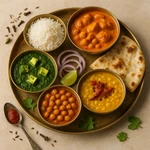
Typical Indian dishes: how to understand dhals, "curry", tandoori and street food
"Typical Indian food" does not have a single form. Indian cuisine is a family of regional styles – from delicate legume dhals through various sauce styles (korma, vindaloo, rogan josh, palak paneer, chole) to tandoori and the essential world of street snacks. In this guide, you will get clarity on the most typical groups of dishes, regional differences, and especially how to practically start with Indian flavors at home.
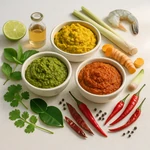
Thai curries and their colors: why it's not just about "different shades" and how to choose the right one
Green, red, yellow, panang, massaman... In Europe, Thai curries are often described mainly by color, as if it were one sauce in several variations. In reality, these are different flavor systems based on different pastes, different aromatics, different "coconutiness" and suitability for both quick cooking and slow simmering. This guide will help you understand the differences and especially choose a curry that makes sense for your dish and taste.
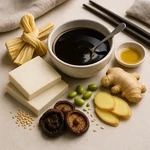
How to replace meat in Asian dishes: flavor, umami, and texture without compromise
Replacing meat in an Asian dish does not mean "finding one substitute." In practice, it is much more important to understand the role meat plays in a specific dish – whether it provides texture, carries the sauce, builds the broth, or creates a "grilled" impression. Once you distinguish this, the plant-based version can be full, umami, and convincingly flavorful.
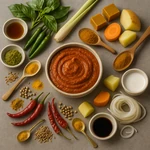
Curry in Asia: how it differs by country
Curry is not a specific sauce or a single “typical” dish. In different parts of Asia, it means different ingredients, different techniques, and a different final flavor profile – from slowly built South Asian sauces through Thai curries based on pastes to Japanese curry thickened with roux. This guide will help you understand the main differences and choose your curry style based on what you expect from it.

How Trade and Migration Changed Asia's Flavors: Why "Traditional" Often Means "Imported"
The flavors of Asian cuisines didn't emerge just "at home" from what grew outside the village. Alongside climate and local ingredients, they were shaped by trade routes and migration: the movement of crops, spices, preservation techniques, but also ideas of what a "properly balanced" meal is. When you understand this, you can more easily choose a style you'll enjoy – and above all, stop expecting there to be a single universal "Asian flavor."
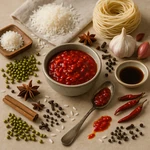
Trade influences in Asian cuisine: how ingredients, techniques, and flavors spread along routes
Asian cuisines were shaped by more than just climate and local agriculture – trade also played a crucial role. Spices, sugar, tea, citrus fruits, as well as techniques for working with grains and fermentation spread both by sea and land. In this article, we will show exactly what "trade influences" mean on the plate and how this perspective can help you better understand the differences between regions and cook smarter at home.
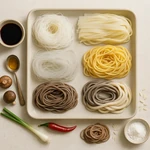
Asian noodle dishes: basic types and how to quickly navigate them
Noodle dishes in Asia are not "one soup" nor "noodles in a pan." They are entire families of dishes where the type of noodles, handling of broth or sauce, cooking method, and whether it is a quick street food, a hearty bowl, or a light cold dish differ. Once you understand a few basic differences, it will be much easier to pick the right noodles and the right preparation style.
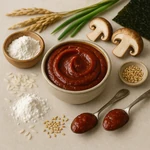
Vegan Asian cuisine without loss of flavor: umami, texture, and smart fundamentals
Vegan food in the Asian style does not have to be a compromise or a “substitute” for regular cuisine. In many parts of Asia, vegetarian and vegan cooking has its own traditions – and above all its own way of building flavor fullness: through umami, fermentation, working with texture, the right fat, acidity, and herbs. This article will show how to practically use these principles at home so that the food remains distinctive even without meat, fish, and dairy products.
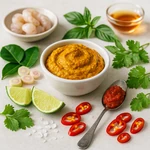
How to choose curry paste according to the dish: from quick coconut curry to slow braising
"Curry paste" is not one universal ingredient. Different types of bases can be hidden under the same name – from Thai aromatic pastes (which are briefly sautéed in fat) to Indian curry bases or Japanese curry roux. In this guide, you will orient yourself mainly by the type of dish you want to cook and avoid the most common mistakes that lead to bland or "strangely" tasting curry.
