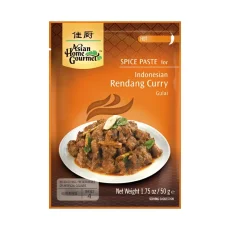
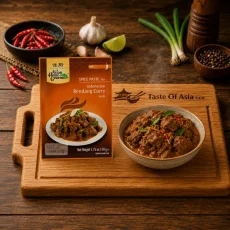
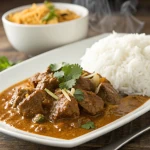
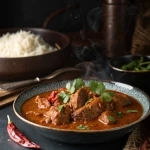
Rendang is Indonesia’s famous slow-cooked beef cooked down in coconut milk, aromatics, and warm spices until the sauce turns deeply concentrated and clings to every piece. It takes time rather than effort—and the reward is rich, fragrant comfort with a gentle (or fiery) chili kick.
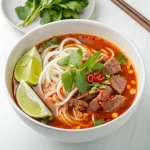
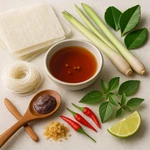
Bún bò Huế is Vietnam’s bold, lemongrass-forward noodle soup from the former imperial city of Huế. This recipe walks you through a fragrant beef-and-pork broth, a quick chili oil for that signature red hue, and the fresh herb toppings that make each bowl taste bright, spicy, and deeply savoury.
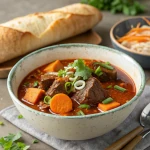
Bò Kho is Vietnam’s beloved beef stew: tender chunks of beef cooked with lemongrass, warm spices like star anise and cinnamon, and a savory-sweet broth you’ll want to mop up with bread. This version is written for home cooks, with practical timing, substitutions, and serving ideas.
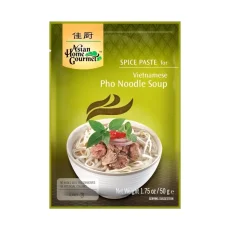
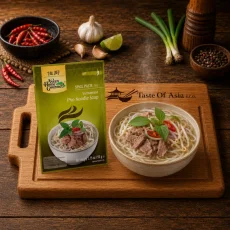
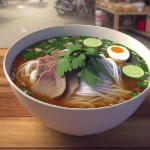
Pho is Vietnam’s iconic noodle soup: a clear, fragrant broth poured over silky rice noodles, topped with herbs, lime, and your choice of beef (pho bo) or chicken (pho ga). This home-friendly recipe focuses on the two things that matter most—building aroma in the stock and assembling bowls with fresh garnishes.
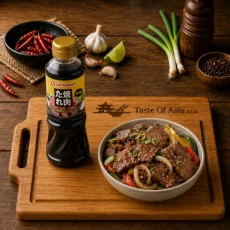
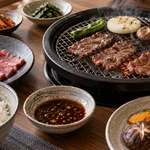
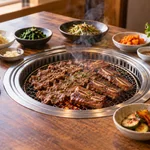
Discover the taste of Japan with our recipe for Yakiniku – juicy meat, delicious marinades, and grilling right at your table! Simple, quick, and irresistibly delicious!
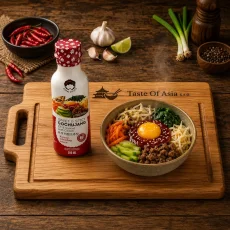
Discover the magic of Korean BBQ! With delicious sauces and tasty side dishes, you'll enjoy an unforgettable grilling experience full of flavors you'll love.
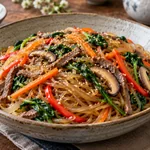
Discover a delicious recipe for Japchae with sauce – the perfect combination of rice noodles, fresh vegetables, and great flavor that will delight every lover of Korean cuisine.
Taiwanese cuisine is often simplified to bubble tea and night markets, but in reality, it is a distinct and very vibrant culinary world. Typical Taiwanese dishes often rely on rice, noodles, and broths, on small portions and snacking – and especially on texture: delicate vs. crunchy, slippery vs. elastic, starchy vs. broth-based. In this article, you will find an overview of the most famous dishes, how they taste, what makes them typical, and how to practically navigate them.
Taiwanese street food is not just a few 'grab-and-go' dishes and bubble tea. In Taiwan, street food meets bowls of broth, rice, noodles, small portions, and above all an emphasis on texture and precise final seasoning. When you know how to read this world, Taiwanese night markets will make much more sense to you – even if you don't experience them live.
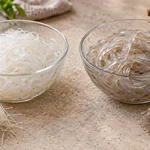
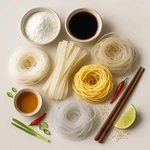
Glass noodles are light, delicate, and perfectly absorb all the flavors you put into them. Ideal for quick Asian dishes, whether in hot soups, stir-fries, or fresh salads. Discover their history, production, and how best to prepare them for authentic and delicious experiences!
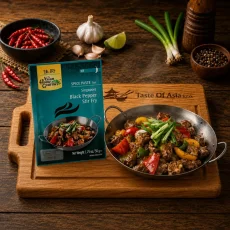
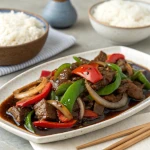
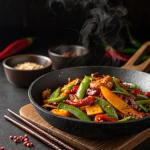
This black pepper stir-fry is all about bold aroma, a glossy savory sauce, and crisp-tender vegetables—ready in about 25 minutes. Use chicken, beef, or tofu, and don’t be shy with freshly ground black pepper.
Japchae is loved for its glossy noodles, crisp vegetables, and that unmistakable sweet‑savory aroma. Whether you’re using a ready-made sauce or mixing your own, the right japchae-style seasoning is what helps glass noodles absorb flavor, stay silky, and taste balanced—not bland or watery.
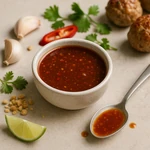
Meatballs are reliably good. The sauce is what makes them memorable: it adds aroma, keeps them juicy, and turns “just meatballs” into a dish you want to eat again tomorrow. Here’s a practical way to build a sauce that balances sweet–salty–sour–spicy, clings to the meatballs, and can lean Asian without feeling complicated.
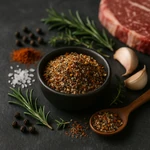
A great steak doesn’t need much, but it does need the right touch. The goal of steak seasoning isn’t to cover the flavor—it’s to sharpen it, build a better crust, and add aroma that blooms in high heat. Here’s how to choose (and use) rubs, marinades, and finishing glazes—plus simple ways to steer your steak toward an Asian-style flavor profile without overcomplicating dinner.
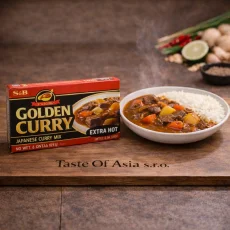
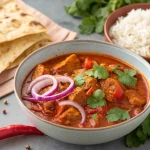
Madras curry is known for its deep colour, bold aroma and a confident chilli kick. This home-friendly version builds a rich onion-tomato base and finishes with warming spices (or a ready-made Madras curry blend) for a curry that works equally well with chicken, beef, lamb or tofu.
Rogan Josh is a deep-red, gently spiced curry traditionally associated with Kashmir. This version keeps the focus on whole aromatics, warming ground spices and yogurt for a smooth, clingy sauce—perfect with basmati rice or warm flatbread.
This Sichuan-style stir-fry is all about contrast: tender slices of chicken, crisp vegetables, and a bold, glossy sauce with chilli heat and that signature tingly “mála” kick from Sichuan peppercorns. It’s fast, weeknight-friendly, and easy to adapt to whatever you have in the fridge.
Taiwanese cuisine is not just bubble tea and night markets. It is a distinct, lively, and very diverse world where local styles meet various Chinese regional influences, a prominent Hakka layer, indigenous traditions, Japanese heritage, and modern urban food culture. If you really want to understand the Taiwanese taste, it pays to focus less on "spices" and more on broth, precise seasoning, and especially texture.
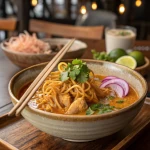
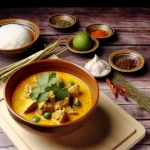
Khao Soi is a comforting Northern Thai curry noodle soup known for its creamy coconut broth, tender meat, and a crunchy noodle topping. This home-friendly version keeps the signature sweet-salty-spicy balance and the fun “mix-your-own” garnishes at the table.
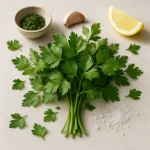
Parsley leaf is easy to overlook because it rarely steals the spotlight—but that’s exactly why it’s so useful. A small pinch can brighten a broth, clean up a rich sauce, and add a fresh green finish to fish or grilled meats. Fresh and dried versions behave differently, so knowing when to use which makes everyday cooking noticeably more balanced.
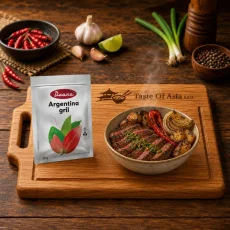
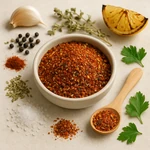
Argentina Grill seasoning is the kind of spice blend you reach for when you want instant smoky, roasty “grill energy” on meat, tofu, or vegetables—without planning a marinade. What’s surprising is how naturally it fits into fast Asian-style cooking too: stir-fries, noodles, fried rice, and quick pan sauces all benefit from its warm, savory backbone.
Taiwanese cuisine is not just bubble tea and night markets. It is an independent, vibrant, and surprisingly diverse world where several layers of influences meet – and that's exactly why you can enter it smartly and step by step. In this guide, you will clarify what is typical for Taiwanese food, what the "Taiwanese taste" looks like in practice, and which first steps make the most sense at home without having to "cook the whole Taiwan" right away.
Taiwanese cuisine is not just bubble tea and night markets. It is an independent and vibrant culinary world where local cooking meets various Chinese regional influences, a distinctive Hakka layer, indigenous traditions, Japanese heritage, and modern urban food culture. That's why it makes sense to start with the ingredients: how they taste, their role in the dish, and how to recognize if you've chosen the right type.
Vietnamese cuisine does not rely on one sauce or one famous dish. It is characterized by freshness, lightness, and the ability to layer multiple flavors so that the result feels lively: rice or rice noodles, herbs and leaves, acidity (lime, tamarind), fermented saltiness and umami (especially fish sauce), and contrasting textures. In this guide, you will find the most important Vietnamese ingredients, their function, and practical tips on how to start using them at home without unnecessary mistakes.
Nyonya curry is a bold, coconut-rich curry from Peranakan (Straits Chinese) kitchens, where Chinese techniques meet Malay spices. This approachable version delivers a deep, aromatic sauce with a gentle tang—perfect with steamed rice or flaky roti.
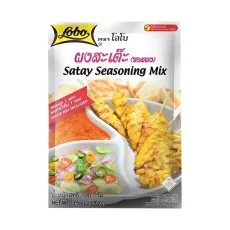
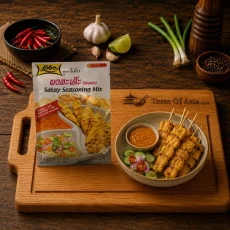
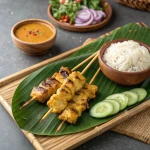
Satay is Southeast Asia’s iconic grilled skewer: small pieces of meat soaked in a fragrant marinade, cooked fast over high heat, and served with a creamy peanut sauce. This version is easy to make at home on a grill, grill pan, or in the oven—ideal for weeknights and great for sharing.
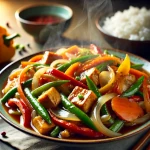
Chop suey is the ultimate “mix-and-match” stir-fry: tender protein, crisp vegetables, and a light savory sauce that clings to every bite. It’s fast, flexible, and perfect for using up leftover veg—served over rice or noodles for an easy weeknight meal.
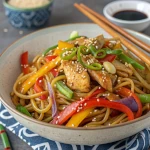
Chow mein is all about speed and heat: springy noodles, crisp-tender vegetables, and a savoury sauce that clings to every strand. This flexible recipe shows you the core technique, then lets you swap chicken for beef, tofu, shrimp—or go veggie-heavy.
Oyster and fish sauces can be easily confused at first glance: both are among the “basic” Asian seasonings and both can add distinct umami. However, they have different roles in the kitchen. Once you understand the difference between their roles (salting vs. rounding and connecting flavors), you will cook more confidently – and you will stop unintentionally shifting dishes into a completely different flavor logic.
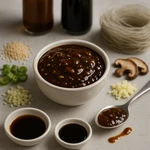
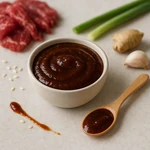
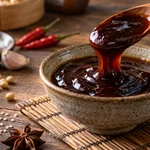
If you like the sticky, savory-sweet finish of Korean BBQ but don’t want to measure ten different ingredients on a weeknight, bulgogi-style hoisin sauce is the kind of pantry helper that earns its space. It’s thick, dark, sweet-umami and designed to work immediately as a quick marinade, a last-minute pan glaze, or a bold dipping sauce.
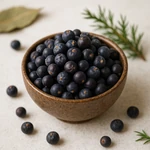
Whole juniper berries bring a distinctive evergreen, resinous aroma and a gently bitter-spicy edge that can transform stews, roasts, stocks, and pickles with just a few berries. Used with restraint, they add depth to rich meats and also work surprisingly well in modern soy-based marinades.
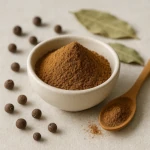
Ground allspice (often called “allspice powder”) is one of those quiet pantry staples that can transform a dish with just a pinch. It’s sweet-warm, intensely aromatic, and surprisingly versatile—useful not only in Western soups and pickling, but also as a subtle depth booster in Asian marinades, stir-fry sauces, and rice.
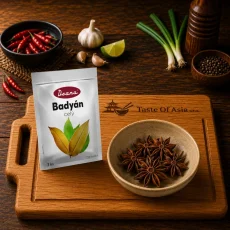
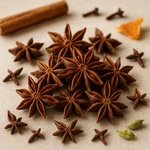
Whole star anise is one of those spices that can instantly shift a dish into an Asian flavor direction—sweetly spiced, gently licorice-like, and deeply aromatic. Used the right way, a single “star” can round out broths, braises, marinades, and even fruit-based desserts without taking over.
Whole allspice berries look modest, but a few pieces can transform a pot of broth, rice, or braise. Their aroma sits somewhere between clove, cinnamon, and pepper—warm, gently sweet, and surprisingly versatile. Here’s how to dose them, when to add them, and how to use them in Asian-inspired dishes without overpowering the food.
Whole cinnamon sticks are one of those quiet “background” spices that can transform a pot of broth, curry, or rice without making the dish taste like dessert. Used the right way, they add warmth and depth; used too aggressively, they can turn woody and bitter. Here’s how to get the most aroma from whole cinnamon—cleanly, controllably, and with an Asian pantry in mind.
Hoisin sauce is the sweet-savoury, deeply aromatic condiment that can make a simple stir-fry taste restaurant-level in minutes. Learn what’s inside, what it pairs with, and how to avoid common mistakes—plus a few fast ways to use it beyond dipping.
Game meat such as venison or wild boar has a deeper, more “forest” character than farmed meats—often leaner, sometimes slightly earthy, always worth treating with care. The right seasoning doesn’t mask that flavor; it frames it. Here’s a practical guide to classic pairings (juniper, pepper, herbs) plus Asian-inspired ideas—citrus, aromatics, chili, and layered umami—that can make game taste cleaner, rounder, and more modern.
Curry spice is less a single seasoning and more a shortcut to layered flavour—warm, earthy, aromatic, sometimes spicy. Learn what “curry powder” really means, how it differs from curry pastes, and how to get the most from it in everyday cooking.
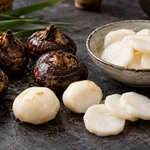
Discover the magic of water chestnuts! This unique ingredient, which is enjoying growing popularity around the world, will bring not only a fresh taste but also an unmistakable crunch to your favorite dishes. Suitable for stir-fries, curries, salads, or spring rolls, water chestnuts are a great choice for anyone looking for healthy and delicious ingredients. Read on to learn how we grow and harvest them, and how you can easily incorporate them into your cooking!
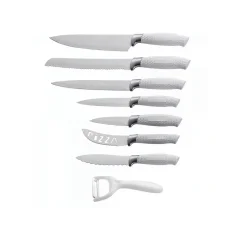
A good knife is less about looks and more about the right shape, steel, and maintenance routine. This guide explains the most common kitchen knife types (Western and Japanese), how different blade materials behave in real cooking, what to check before buying, and how to keep your edge sharp and safe for years.
Filipino cuisine is often simplified to "adobo," but its typical flavor is much broader and above all very practical: rice as the center of the meal, pronounced acidity (often from vinegar), saltiness and umami from soy and fish seasonings, garlic-onion aroma, and a sense for texture as well as complementary sauces. In the article, we will show you how to recognize these flavors in typical dishes and how to safely start with them at home without unnecessary mistakes.
Indonesian cuisine is not a single "national taste," but a broad family of regional styles spread across a vast archipelago. Yet, it repeatedly returns to several fixed points: rice as the center of the meal, chili and sambal, sweet-salty depth thanks to kecap manis, aromatic pastes, and coconut, which can both soften and intensely concentrate the flavor. In this article, we will put these pillars together so that when cooking at home for the first time, you know what you are actually looking for and why it tastes "Indonesian."
Filipino cuisine has a clear identity, but it cannot be reduced to a single "national" dish. Typical Filipino dishes only make sense when you understand three things: rice is the center of the plate, sourness and saltiness are the main flavor axis, and vinegar and salty seasonings play an important role. In this article, we will show you four representative dishes (adobo, sinigang, kinilaw, sisig) and practically explain how to eat them and why they taste the way they do.
Filipino cuisine is home-style, practical, and surprisingly diverse. To understand it, knowing just one "national" dish is not enough – it is important to understand the role of rice, how acidity and saltiness work, why vinegar is so prominent, and how main dishes, soup, side dishes, and sauces interact on the table. The article provides guidance on typical home dishes (adobo, sinigang, kinilaw, sisig), regional differences, and specific tips on how to start cooking Filipino food at home.
Asian noodles are not a single universal ingredient, but a large family of products. They differ in base (wheat, rice, buckwheat, starch, konjac), thickness, elasticity, and how they react to broth, sauce, or quick stir-frying. When you know what to expect from noodles, you will choose much more easily—and stop struggling at home with clumped or overcooked "mash."
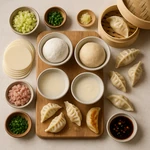
Dumplings (Asian dumplings and pockets) are not "one dish," but a whole family of bites determined by a trio: filling, wrapper/dough, and cooking method. Once you put these three things together, the differences between jiaozi, gyoza, mandu, wontons, or shumai start to make sense – and especially why some dumplings are for soup, others for the pan, and others for steaming.
"Light" Asian food is not about being small or bland. Often, it's actually a full bowl or plate that satiates but doesn’t feel heavy: it’s based on rice or noodles in a reasonable ratio, complemented by vegetables and herbs, with flavor carried by broth or precise seasoning, and the whole is held together by acidity, umami, and contrast of textures. In this guide, you’ll find practical orientation and specific "families" of dishes that make sense for everyday – from warm breakfast bowls to cold noodle salads.
Asian breakfast is not a single universal category. Depending on the country and region, morning can mean a bowl of rice with side dishes, noodle broth, delicate rice porridge (congee), pancakes made of fermented dough, coconut rice, or even toast and coffee. Often common is that breakfast is salty, warm, practical, and in many places connected to street food.
Cookies
This site uses cookies to provide services, customize ads, and analyze traffic. Your consent to the use of cookies will significantly help us to improve our services. More information



 Česky (CZK)
 Slovensky (EUR)
 Deutsch (EUR)
 Austria
 Belgium
 Bulgaria
 Croatia
 Denmark
 Estonia
 Finland
 France
 Germany
 Greece
 Hungary
 Italy
Italy Latvia
 Lithuania
 Luxembourg
 Netherlands
 Poland
 Portugal
 Romania
 Slovenia
 Spain
Spain Sweden