


 Česky (CZK)
 Slovensky (EUR)
 Deutsch (EUR)
 Austria
 Belgium
 Bulgaria
 Croatia
 Denmark
 Estonia
 Finland
 France
 Germany
 Greece
 Hungary
 Italy
Italy Latvia
 Lithuania
 Luxembourg
 Netherlands
 Poland
 Portugal
 Romania
 Slovenia
 Spain
Spain Sweden










lentils
Products
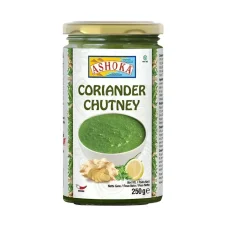
Ashoka Coriander Chutney 250 g
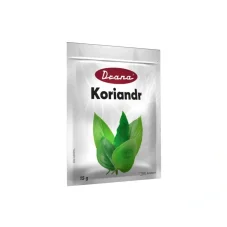
Drana Coriander 15 g

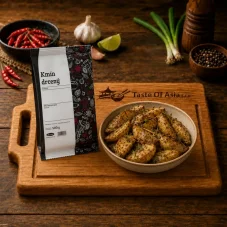
Drana Caraway Crushed 500 g
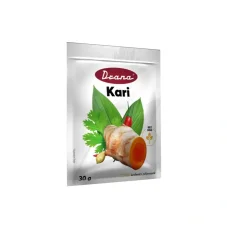
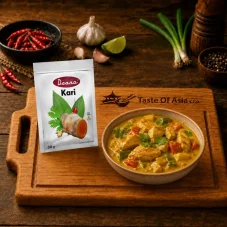
Drana Curry Powder 30 g

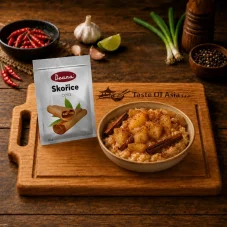
Drana Cinnamon Whole 3 pcs
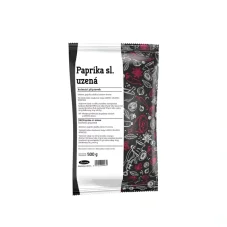
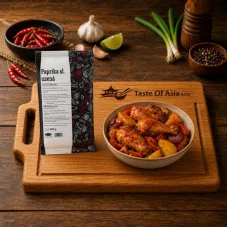
Drana Smoked Sweet Paprika 500 g


Drana White Mustard Seeds 500 g
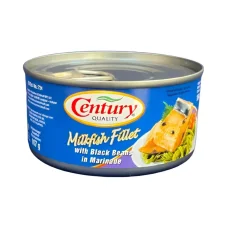
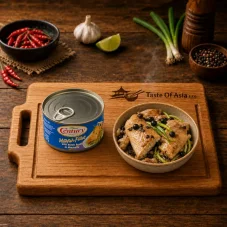


Century Tuna Chanos with black beans 184 g
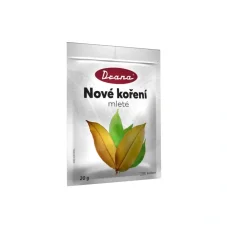
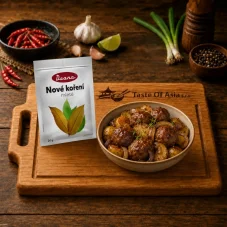
Drana New Spices Ground 20 g
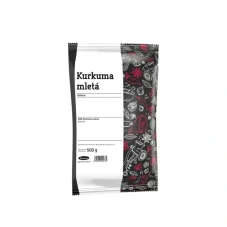
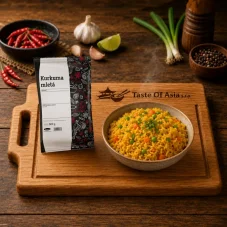
Drana Ground Turmeric 500 g

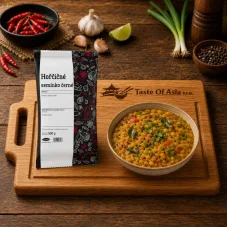
Drana Black Mustard Seeds 500 g
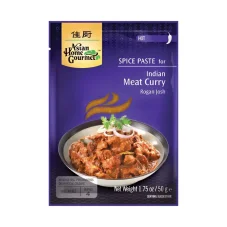

AHG Paste Rogan Josh 50 g
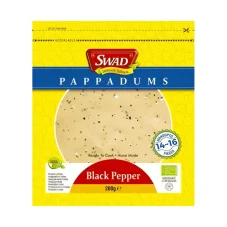
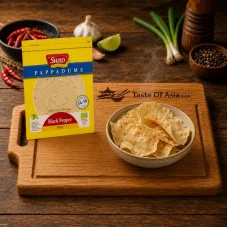
Swad Indian bread Papadum with black pepper 200g
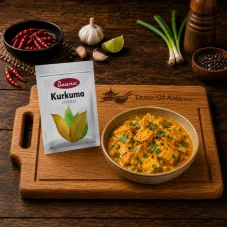
Drana Turmeric Ground 25 g
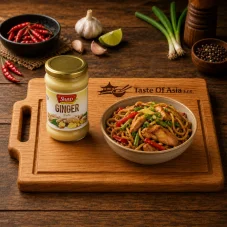
SWAD Garlic paste with ginger 300 g

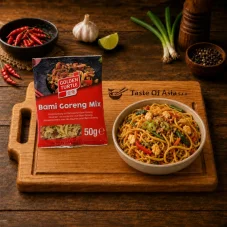


Golden Turtle Mix spices for Bami Goreng 50 g
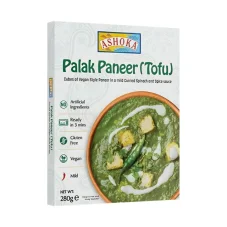
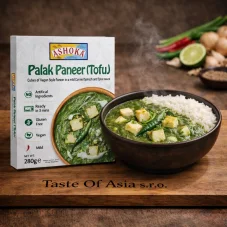
Ashoka Instant Palak Paneer (Tofu) 280 g
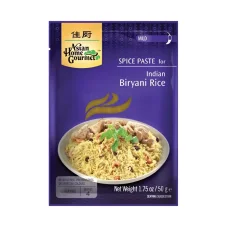
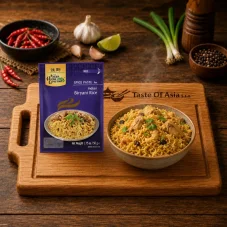
AHG Rice paste Indian Biryani 50 g
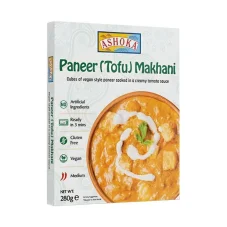
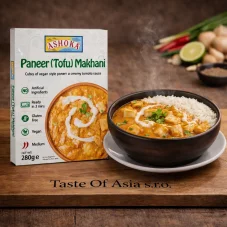
Ashoka Instant Paneer (Tofu) Makhani 280 g
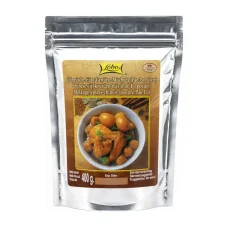
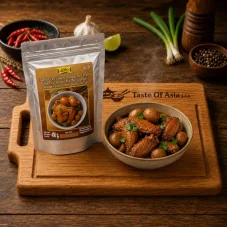
Lobo A mixture of five spices 400 g
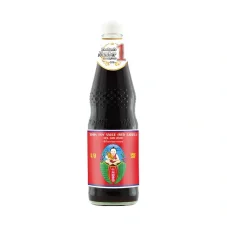
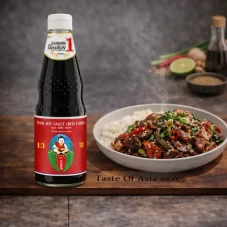
Dek Som Boon Light Soy sauce recipe D 700 ml


Dek Som Boon Soy sauce light recipe B 700 ml

Dek Som Boon Soy sauce light recipe C 630 ml
Articles
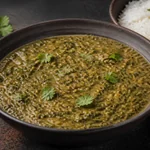
Recipe for Dal Palak
Try our recipe for Daal Palak, a delicious combination of lentils and spinach that will warm you up and delight you with its balanced flavor!
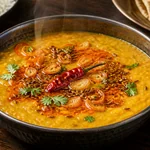
Recipe for Dal Tadka
Punjabi Choley with Tadka is a delicious Indian curry with chickpeas that you can easily prepare at home and enjoy the authentic taste of India.
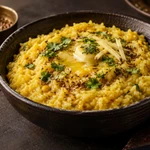
Indian Khichdi (Rice & Lentil Comfort Bowl) – Easy One-Pot Recipe
Khichdi is India’s classic “comfort in a bowl”: rice and lentils gently cooked with warming spices until soft, nourishing, and easy to digest. This simple one-pot recipe is ideal for a light dinner, meal prep, or days when you want something soothing but still satisfying.
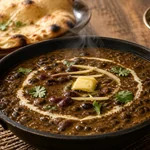
Recipe for Delhi Dal Makhani
Cook Delhi Dal Makhani, a creamy Indian specialty made from black lentils and beans, cooked with aromatic spices and cream for an unforgettable taste!
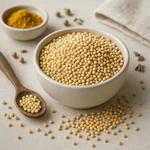
White Mustard Seeds: Flavor, Uses, and How to Cook with Them in Asian Cuisine
White mustard seeds may look like a minor pantry item, but used well they add fragrance, gentle heat, and a savory “lift” to curries, dals, stir-fries, and pickles. Here’s what they taste like, how they differ from darker mustard seeds, and when to use them whole or ground.
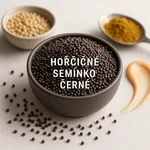
Black Mustard Seeds: Tiny Grains, Big Flavor
Black mustard seeds may look modest, but a small pinch can transform a dish—especially when briefly “bloomed” in hot oil until they start to pop. Learn what makes them different, how to use them without bitterness, and where they shine in everyday Asian-inspired cooking.
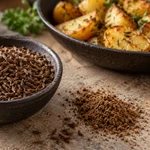
Caraway
Caraway can be subtle or boldly aromatic depending on when you add it and how much you use. This guide explains what caraway tastes like, how it’s different from cumin (often confused because of similar names), and practical ways to work it into rice, noodles, pickles, and spice blends with an Asian twist.
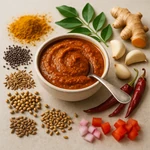
Madras Curry: a Spicy Indian Classic and Easy Ways to Use It at Home
Madras curry is one of the boldest “curry” styles you’ll find in European shops: warming spices, a lively chilli kick, and an aroma that instantly signals comfort food. Here’s what the label usually means, what flavours to expect, and how to turn Madras curry powder or paste into weeknight meals without overthinking it.
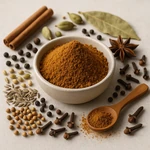
Garam Masala: the Fragrant Heart of Indian Cooking
Garam masala is one of the most recognizable spice blends from India—and one of the easiest ways to give everyday meals a distinctly Indian aroma. Used in the right amount and at the right moment, it adds warm, rounded depth to curries, lentils, roasted vegetables, and even simple rice without necessarily making food hot or fiery.
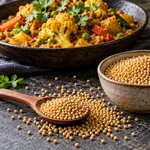
White Mustard Seeds: Flavor, Heat, and Smart Ways to Use Them in Cooking
White mustard seeds may look modest, but they can add a warm, gently peppery depth to everything from quick stir-fries to pickles and marinades. Here’s what they taste like, how they differ from brown/black mustard seeds, and when to use them whole versus ground—especially in Asian-inspired cooking.
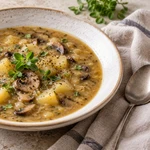
Marjoram: a gentle herb with big aroma (and how to use it beyond soup)
Marjoram is one of those quiet kitchen herbs that can make a dish feel instantly warmer and more complete. Its flavor is soft, slightly sweet, and deeply herbal—especially when you add it at the right moment. Here’s what marjoram tastes like, how it differs from oregano, what it pairs well with, and practical ways to use it in everyday cooking, including Mediterranean and West Asian–inspired meals.
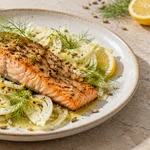
Fennel: how it tastes and what it is good for
Fennel is one of those ingredients that can feel like two things at once: a crisp vegetable and a deeply aromatic spice. Whether you’re working with the fresh bulb or fennel seeds, a small amount can make dishes taste brighter, rounder, and more “complete”—which is exactly why it shows up in so many Asian flavor traditions.
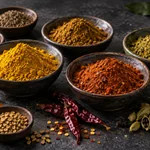
Curry Spice: What It Is, How to Use It, and How to Choose the Right Blend
Curry spice is less a single seasoning and more a shortcut to layered flavour—warm, earthy, aromatic, sometimes spicy. Learn what “curry powder” really means, how it differs from curry pastes, and how to get the most from it in everyday cooking.
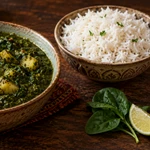
Spinach & Potato Curry with Steamed Rice (Easy One-Pot Curry Paste Method)
This spinach and potato curry is a comforting, meat-free dinner built around a simple curry paste base. Potatoes make it hearty, spinach brings color and freshness, and steamed rice soaks up the creamy sauce—perfect for an easy weeknight meal you can adjust from mild to spicy.
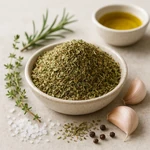
Provençal seasoning: a blend of herbs that enhances both vegetables and meat
Provençal seasoning—often sold as “Herbs de Provence”—is a fragrant mix of dried Mediterranean herbs that can make everyday food taste more rounded and aromatic in seconds. It’s a classic for roasted vegetables and grilled meats, but it also fits surprisingly well into simple Asian-style meals when you want extra aroma without adding complexity.
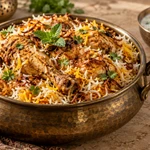
Indian Chicken Biryani Rice (Layered, Aromatic & Restaurant-Style at Home)
Biryani is the iconic Indian layered rice dish where fragrant basmati, warmly spiced meat, and caramelized onions come together in one pot. This home-friendly version keeps the classic “par-cook, layer, steam” method—so you get fluffy grains and deep flavor without complicated equipment.
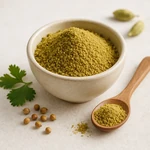
Ground Coriander: Flavor, Pairings, and How to Use It in Asian Cooking
Ground coriander is an easy-to-overlook spice that quietly makes dishes taste more “finished”. It softens harsh heat, lifts citrusy notes, and helps connect bold aromatics in curries, soups, marinades, and stir-fries—if you add it at the right moment.
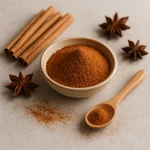
Ground Ceylon Cinnamon: What It Tastes Like, How to Use It, and How to Store It
Ground Ceylon cinnamon is a gentle, sweet-warm spice with a refined aroma that works in desserts, drinks, and surprisingly well in savory rice dishes and stews. Learn what sets Ceylon cinnamon apart, how to use it without overpowering a dish, and how to keep it fragrant for longer.
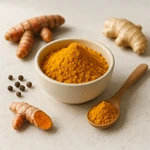
Ground Turmeric: How to Use It, What to Pair It With, and How to Get the Best Flavor
Ground turmeric is easy to recognize by its bold golden color—but its real value is the warm, earthy depth it adds to food. Used well, it can bring rice, vegetables, soups, and curries together into a cohesive, aromatic dish. Here’s how to cook with turmeric so it tastes rounded (not bitter), when to add it, and which flavor pairings make it shine.
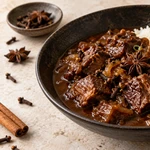
Whole Cloves: A Small Spice with a Big Aroma (and How to Use It)
Whole cloves can transform a pot of rice, a slow-simmered sauce, or a cup of tea with just a couple of buds. This guide explains what whole cloves taste like, why they’re used in Asian cooking, how to dose them without overpowering a dish, and when to keep them whole rather than grind them.
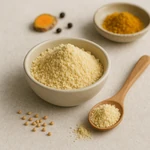
Ground White Mustard Seed: Flavor, Timing, and Smart Ways to Use It
Ground white mustard seed is a quiet workhorse in the spice cupboard: it brings a gentle heat, a warm mustard aroma, and extra “body” to sauces and marinades. Used well, it can deepen everything from salad dressings and rubs to Asian-style curries and stir-fry sauces—without overpowering the dish.
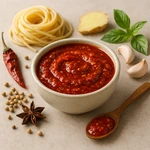
Spaghetti Seasoning That Won’t Bore You: How to Build Flavor (and Borrow from Asian Sauces)
Spaghetti is quick, reliable, and—if you’re not careful—predictable. The easiest way to keep it exciting is to think of “spaghetti seasoning” not as one fixed mix, but as a flavor direction you can repeat and tweak: herb-forward, garlicky, spicy, smoky, or umami-rich. And once you see spaghetti as “long noodles made from wheat,” it becomes surprisingly natural to season it with Asian-style sauces, pastes, and aromatics too.
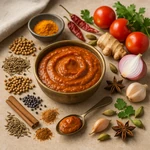
Taste of Indian cuisine: how to recognize it and create it at home
"Indian taste" is not one universal sauce nor a synonym for spicy food. Indian cuisine is a broad family of regional styles – from delicate legume dishes through tandoori breads and marinades to rice dishes with tamarind, coconut, and curry leaves. In this article, you will clarify what typically makes up Indian taste, how the north differs from the south, and how to build it in practice even without "pouring all the spices of the world" into the pot.
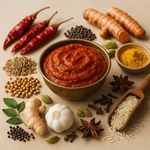
Typical Indian ingredients: their role in food and how to recognize them
Indian cuisine is not a single unified tradition, but a broad family of regional styles. That's why it's worth looking at "typical Indian ingredients" as practical building blocks: what forms the base (rice, breads, legumes), what gives the dish richness (ghee, yogurt, paneer), what builds aroma (spices, aromatics), and what provides an important contrast (for example tamarind). The article provides an overview of key ingredients, their functions, and concrete advice on how to start using them at home without unnecessary mistakes.
