


 Česky (CZK)
 Slovensky (EUR)
 Deutsch (EUR)
 Austria
 Belgium
 Bulgaria
 Croatia
 Denmark
 Estonia
 Finland
 France
 Germany
 Greece
 Hungary
 Italy
Italy Latvia
 Lithuania
 Luxembourg
 Netherlands
 Poland
 Portugal
 Romania
 Slovenia
 Spain
Spain Sweden










Paprika
Products
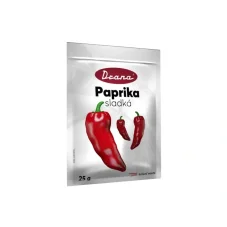
Drana Paprika Sweet 25 g
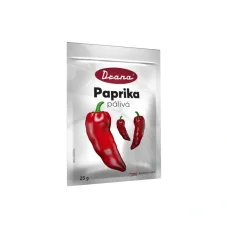
Drana Paprika Hot 25 g
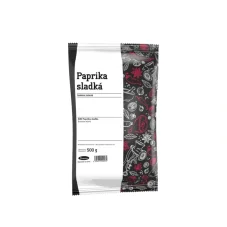
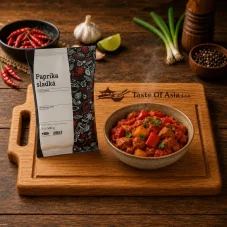
Drana Paprika Sweet 500 g
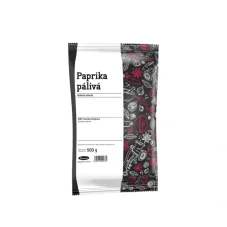
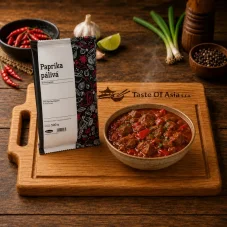
Drana Paprika Hot 500 g
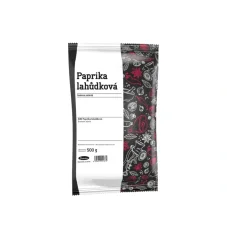
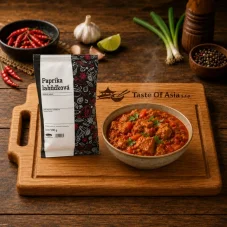
Drana Delicacy Paprika ASTA 160 500 g
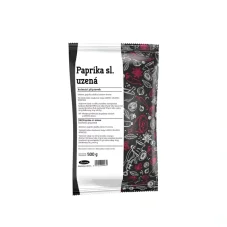
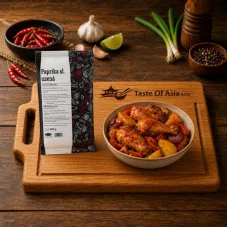
Drana Smoked Sweet Paprika 500 g
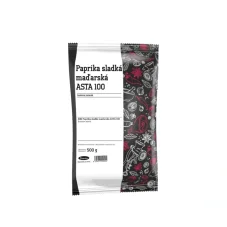
Drana Sweet Hungarian Paprika ASTA 500 g
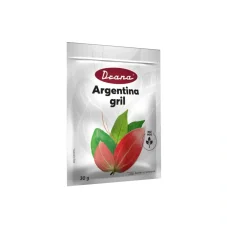
Drana Argentina Grill 30 g

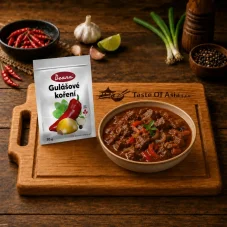
Drana Goulash seasoning 30 g
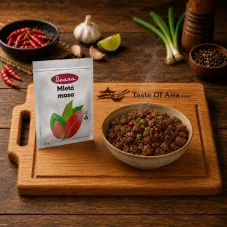
Drana Minced Meats 25 g
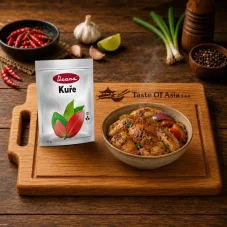

Drana Chicken 30 g
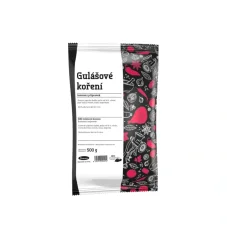
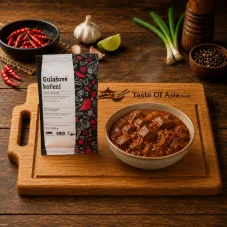
Drana Goulash Seasoning 500 g
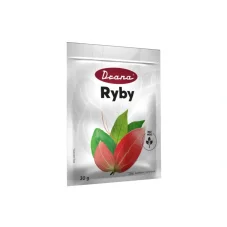
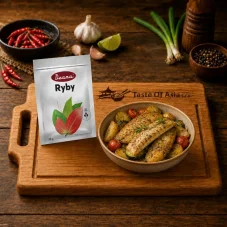

Drana Fish 30 g
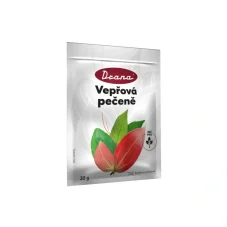
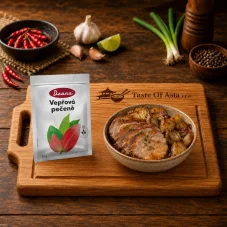
Drana Pork Roast 30 g
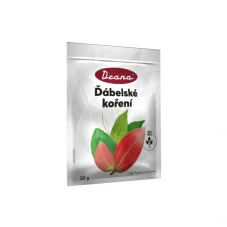
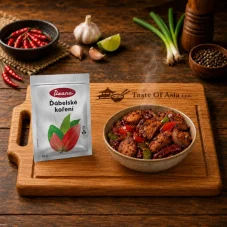
Drana Devil spice 30 g
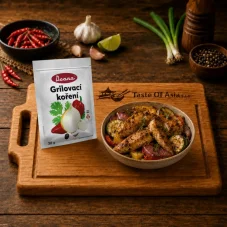
Drana Grilling spice 30 g
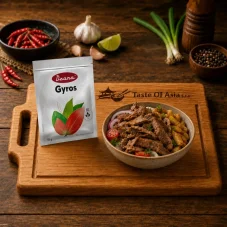
Drana Gyros 15 g
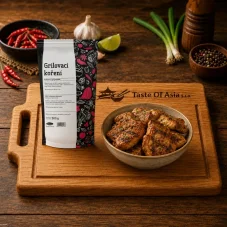
Drana Grill Seasoning 500 g
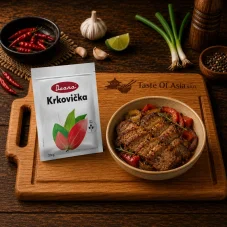
Drana Pork neck 30 g

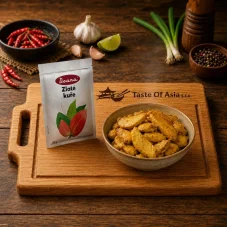
Drana Golden Chicken 30 g
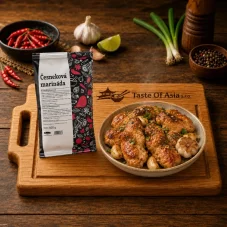
Drana Garlic Marinade 500 g

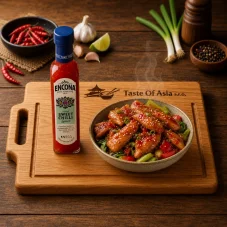
Encona Chilli Sauce Sweet Thai 142 ml
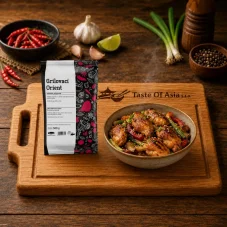
Drana Grill Orient 500 g
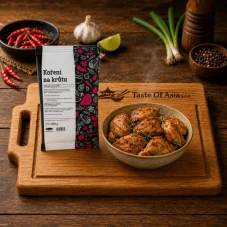
Drana Turkey Seasoning 500 g
Articles
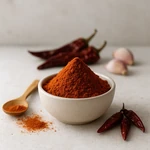
Smoked Sweet Paprika (Ground): How to Use It
Smoked sweet paprika is one of those spices that can make a simple meal taste like it spent time over charcoal. It brings gentle pepper sweetness, a warm red hue, and a distinct smoky aroma—without needing a grill. Here’s how to use it well, what it pairs with, how to avoid bitterness, and smart ways to fold it into Asian-style dishes.
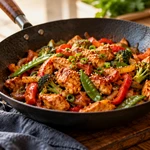
Sweet paprika how to use it in Asian cuisine
Sweet paprika is often treated as a “background” spice, but it can do three very practical things at once: deepen colour, add gentle sweetness, and round out sharp flavours—without extra heat. That’s exactly why it fits not only European staples, but also many everyday Asian stir-fries, noodle dishes, rice bowls, and soups.
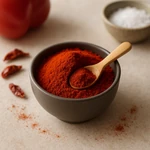
Delicacy Paprika ASTA 160: Gentle Sweetness, Deep Color, and a Reliable Spice for Hot Cooking
Sweet ground paprika is one of those quiet kitchen staples that can transform a pale sauce into something inviting. Delicacy Paprika with an ASTA 160 rating is valued for its rich red color and mild, slightly sweet aroma—perfect when you want warmth and depth without heat.
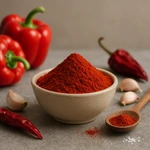
Sweet Hungarian Paprika (ASTA): how to spot it, use it well, and get the most color and flavor
Sweet Hungarian paprika is one of those quiet workhorses that can transform a dish with just a teaspoon—adding a warm red hue, gentle sweetness, and a rounded pepper aroma without real heat. If you understand the ASTA marking and learn how to heat paprika without turning it bitter, you’ll get consistently better stews, sauces, marinades, and even quick Asian-inspired stir-fries.
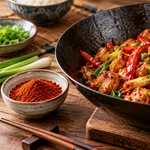
Hot peppers: how to use them and what to combine them with?
Hot paprika is one of the quickest ways to add warmth, color, and a rounded peppery aroma—without reaching for fresh chillies. Used well, it builds a pleasant heat that supports other flavors; used carelessly, it can turn bitter or overpower a dish. Here’s how to choose, dose, and combine hot paprika so the spice stays balanced, including practical tips for Asian-style meals.
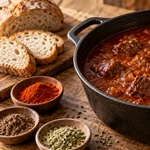
Goulash seasoning how to use it correctly?
Goulash seasoning is often treated as a one‑dish blend—something you grab only when you’re making a pot of stew. But its paprika-and-herb profile is versatile: used carefully, it can add warmth and depth to quick pan dinners, rice bowls, and even noodle stir-fries. Here’s how to get the best flavour without bitterness or heavy saltiness.
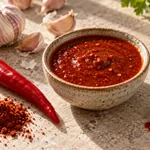
Cajun sauce
Add a spicy touch to grilled meat, fish, or vegetables with Cajun sauce. In this article, you will find its history, tips for use, and simple recipes for perfectly seasoning your dishes.
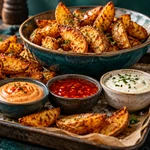
American-Style Potato Wedges: How to Get Them Crispy, Season Them Right, and Pick the Best Dips
“American potatoes” in Central Europe usually means oven-baked potato wedges with bold seasoning: crisp on the outside, fluffy inside, and made for dipping. This guide breaks down what makes wedges truly crunchy, how to season without burning spices, and how to pair them with punchy (including Asian-inspired) sauces.
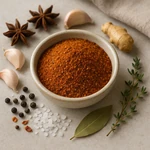
Seasoning for Pork Roast: How to Get Juicy Meat and a Bold, Crackly Crust
Pork roast can feel like a special occasion dish or an easy weeknight dinner—often the only difference is how you season it. Learn what “pork roast seasoning” really means, how to apply it for maximum aroma and crust, and how to add a subtle Asian-inspired edge (think warm spices and savory depth) without losing that classic roasted-pork character.
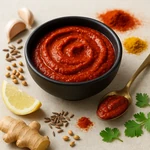
Tandoori Masala: the spice blend that brings authentic Indian flavour to meat and vegetables
Tandoori masala is a bold Indian spice mix made for high heat: aromatic, warmly spiced, and often gently hot. Combine it with yogurt and citrus for a quick marinade that works just as well in a home oven or on the grill as it does in a traditional tandoor.
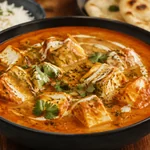
Recipe for Paneer Makhani
Let's cook a delicious paneer makhani together that will delight every foodie!
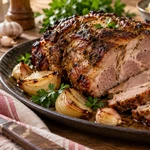
Oven-Roasted Pork Neck: Juicy Inside, Crisp Crust, Effortless Method
Pork neck (also sold as pork collar) is naturally marbled, which makes it one of the most forgiving cuts for oven roasting. This recipe keeps the prep simple, delivers a juicy sliceable roast, and finishes with a fragrant, lightly crisp crust—plus an optional sweet-salty glaze if you want a subtle Asian-inspired twist.
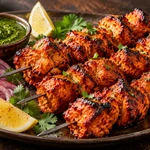
Tandoori Tikka (Oven or Grill): Juicy Indian-Style Chicken Skewers
Tandoori tikka is all about a tangy yogurt marinade, warming spices, and high heat that gives the chicken those irresistible charred edges. This home-friendly version is designed for a regular oven or outdoor grill—no tandoor required.
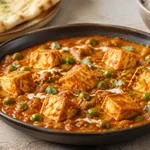
Recipe for Matar Paneer
Try this delicious recipe for Matar Paneer, a tasty Indian dish that will warm you up and delight your taste buds!
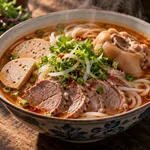
Bún Bò Huế (Vietnamese Spicy Beef & Pork Noodle Soup) — Recipe
Bún bò Huế is Vietnam’s bold, lemongrass-forward noodle soup from the former imperial city of Huế. This recipe walks you through a fragrant beef-and-pork broth, a quick chili oil for that signature red hue, and the fresh herb toppings that make each bowl taste bright, spicy, and deeply savoury.
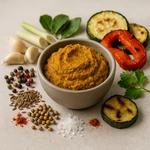
Seasoning for Grilled Vegetables: How to Choose a Blend (and Add an Asian Twist)
Grilled vegetables can taste effortlessly good—or surprisingly flat—depending on how you season them. This guide explains what makes a grill-friendly spice blend work, when to add it for the best aroma, and how to take the same vegetables in a more Asian direction using pastes, sauces, and smart finishing touches.
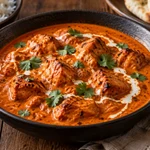
Murgh Makhani (Butter Chicken) Recipe: Creamy Tomato-Butter Curry at Home
Murgh Makhani—often called Butter Chicken—is a classic North Indian curry built on tender chicken, a velvety tomato sauce, warm spices, and a buttery finish. This home-cook friendly version keeps the flavor authentic while giving you practical options for the oven, pan, or grill.
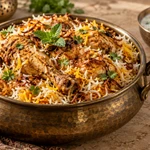
Indian Chicken Biryani Rice (Layered, Aromatic & Restaurant-Style at Home)
Biryani is the iconic Indian layered rice dish where fragrant basmati, warmly spiced meat, and caramelized onions come together in one pot. This home-friendly version keeps the classic “par-cook, layer, steam” method—so you get fluffy grains and deep flavor without complicated equipment.
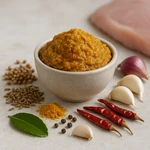
Turkey Seasoning Guide: From Classic Roast to Asian-Inspired Flavours
Turkey has a clean, delicate taste—great for everyday cooking and festive roasts, but it also means seasoning shows up clearly (for better or worse). This guide explains what “turkey seasoning” usually includes, how to use it as a dry rub or marinade, and how to shift turkey toward Asian-style dinners with smart, flavour-packed add-ons.
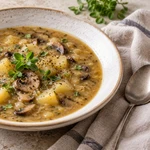
Marjoram: a gentle herb with big aroma (and how to use it beyond soup)
Marjoram is one of those quiet kitchen herbs that can make a dish feel instantly warmer and more complete. Its flavor is soft, slightly sweet, and deeply herbal—especially when you add it at the right moment. Here’s what marjoram tastes like, how it differs from oregano, what it pairs well with, and practical ways to use it in everyday cooking, including Mediterranean and West Asian–inspired meals.
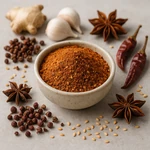
Chinese-Style Seasoning Mix: What It Tastes Like, What It’s For, and How to Use It Well
“Chinese seasoning” is a popular shortcut for fast stir-fries: it brings a warm, savory aroma and that familiar wok-style character even when you’re cooking with everyday ingredients. The trick is knowing when to add it, how much to use, and how to balance it so your dish doesn’t end up flat—or overly salty.
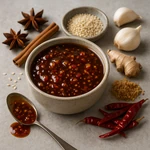
Spice for Honey-Glazed Ribs: Building a Sweet-Savory, Asian-Inspired Sticky Finish
Honey ribs feel “restaurant-level” because the flavor hits in layers: sweet up front, savory in the middle, and warm spice in the finish—plus that glossy, sticky glaze. The secret isn’t complicated technique; it’s choosing a spice profile that can season the meat and still shine after caramelization.
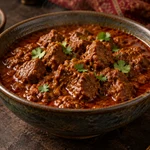
Rogan Josh (Kashmiri Lamb Curry) – A Rich, Aromatic Classic
Rogan Josh is a deep-red, gently spiced curry traditionally associated with Kashmir. This version keeps the focus on whole aromatics, warming ground spices and yogurt for a smooth, clingy sauce—perfect with basmati rice or warm flatbread.
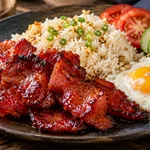
Homemade Filipino Tocino (Sweet-Cured Pork) Recipe
Tocino is a Filipino classic: thin slices of pork cured in a sweet-salty marinade, then pan-cooked until glossy and lightly caramelized. This homemade version is easy to prep ahead and perfect for a comfort-food breakfast with rice and a fried egg.
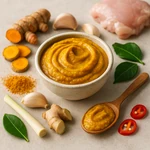
Golden Chicken Seasoning: How to Get a Gentle Flavor and a Beautiful Golden Color
“Golden chicken” seasoning isn’t one single fixed recipe—it’s a style of spice blend designed to make chicken taste warmly seasoned (not aggressively hot) and look appetizingly golden. Here’s what creates that effect, how to use the blend for roasting, pan-frying, or quick Asian-style stir-fries, and how to pair it with sauces so the result stays juicy and balanced.
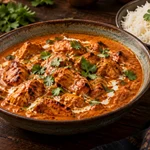
Chicken Tikka Masala (Creamy Tomato Curry You Can Make at Home)
Chicken tikka masala brings together smoky, spiced chicken and a silky tomato-based sauce enriched with cream. It’s restaurant-famous, but the home version is very doable—especially if you marinate ahead and build the sauce in layers.
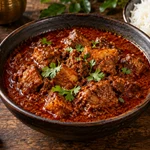
Goan Vindaloo Curry (Pork or Chicken): Spicy, Tangy Indian Curry
Vindaloo is a bold Goan curry known for its deep chilli heat and a distinctive tang from vinegar and garlic. This home-style recipe gives you a rich, thick sauce and tender meat—plus easy ways to adjust spice and acidity so it tastes intense, not harsh.
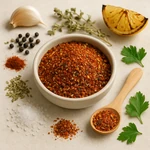
Argentina Grill Seasoning: a Bold “Grilled” Flavor That Also Works in Asian Cooking
Argentina Grill seasoning is the kind of spice blend you reach for when you want instant smoky, roasty “grill energy” on meat, tofu, or vegetables—without planning a marinade. What’s surprising is how naturally it fits into fast Asian-style cooking too: stir-fries, noodles, fried rice, and quick pan sauces all benefit from its warm, savory backbone.
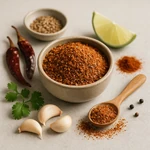
Mexiko Grill Seasoning: How to Get the Most Out of It on the BBQ and in Fast Weeknight Cooking
Mexiko-style grill seasoning is a shortcut to bold, smoky-spicy flavour—great on meat, vegetables, seafood, and plant-based proteins. Used the right way, it works as a quick dry rub, a juicy marinade base, and even a “fusion” seasoning that plays surprisingly well with Asian pantry staples like soy sauce, sesame, and lime.
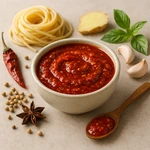
Spaghetti Seasoning That Won’t Bore You: How to Build Flavor (and Borrow from Asian Sauces)
Spaghetti is quick, reliable, and—if you’re not careful—predictable. The easiest way to keep it exciting is to think of “spaghetti seasoning” not as one fixed mix, but as a flavor direction you can repeat and tweak: herb-forward, garlicky, spicy, smoky, or umami-rich. And once you see spaghetti as “long noodles made from wheat,” it becomes surprisingly natural to season it with Asian-style sauces, pastes, and aromatics too.
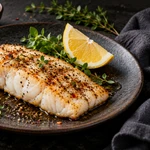
Seasoning Fish: How to Choose a Blend That Enhances (Not Overpowers) the Flavor
Fish cooks fast and tastes best when its natural sweetness and tenderness stay front and center. The trick is choosing seasonings that support the fish—whether you’re pan-frying a delicate white fillet, grilling salmon, or simmering seafood in a fragrant Asian-style sauce.
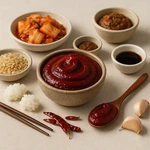
Taste of Korean cuisine: how spiciness, fermentation, rice, and “jang” work in practice
Korean cuisine is not just about spiciness and kimchi. We will explain the layers of flavors that make up Korean dishes – fermented bases (jang), types of spiciness, the role of rice, and working with textures – and provide specific, practical advice on how to safely put this together at home.
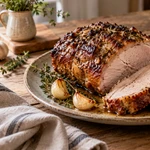
Seasoning Roast Pork Neck (Pork Collar)
Roast pork neck—also called pork collar—is naturally forgiving thanks to its marbling, but the difference between “nice” and “unforgettable” comes down to seasoning and timing. This guide shows you how to build flavor with a dry rub, a marinade, or a final glaze, plus a few easy Asian-leaning twists that still feel right for an oven roast.

Typical Korean dishes: how to understand them by rice, noodles, soups, and street food
Korean cuisine is often presented as a list of “iconic” names. For practical orientation, however, it works much better to understand in what format the food comes to the table: a bowl of rice, a noodle bowl, soup as a main dish, or a quick/street food approach. In this guide, we will show the main groups of typical Korean dishes, how to recognize them, what to expect from them, and how to start making them at home without unnecessary mistakes.
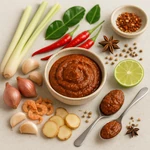
How to start with Malaysian cuisine: 5 logics to quickly get oriented at home
Malaysian cuisine is not one "typical taste," but a practical mix of several traditions meeting in one country – Malay, Chinese, Indian, Peranakan, and local Bornean. When you want to start with it at home, it doesn’t make sense to learn everything at once. In this guide, you will set simple orientation points (rice vs. noodles, coconut vs. broth, the role of sambal, accompanying sauces and dips) and pick a few first dishes to learn the Malaysian "system" fastest.
