

 Česky (CZK)
 Slovensky (EUR)
 Deutsch (EUR)
 Austria
 Belgium
 Bulgaria
 Croatia
 Denmark
 Estonia
 Finland
 France
 Germany
 Greece
 Hungary
 Italy
Italy Latvia
 Lithuania
 Luxembourg
 Netherlands
 Poland
 Portugal
 Romania
 Slovenia
 Spain
Spain Sweden










Spices and Herbs in Asian Cooking
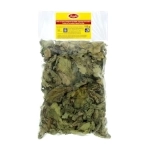
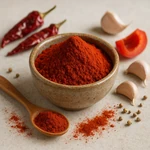
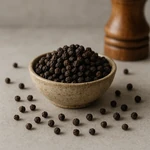
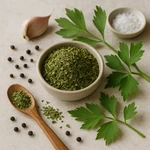
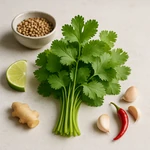
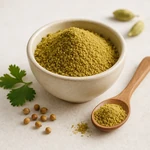
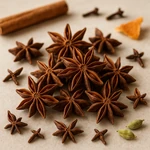
This guide focuses on spices and herbs used across Asian cuisines, explaining how they influence aroma, heat, and overall balance in a dish. You’ll find articles that clarify common spice and herb terms, outline typical uses in everyday cooking, and place these ingredients in the wider context of staple pantry items and cooking styles.
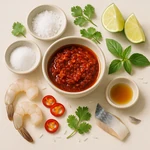
The most common mistakes in seasoning: spices, herbs, sauces, and marinades without unnecessary errors
Seasoning in Asian cuisine often matters more than the recipe itself. It's not just about spiciness or adding salt at the end. Flavor is built in layers: some develop when toasting spices, some in the sauce or marinade, and some only at the very end with fresh herbs or final condiments. In this article, we will go through the most common mistakes, why they happen, and more importantly, how to easily fix them in practice.
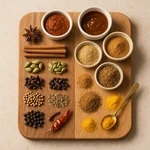
Whole spices vs. ground blends: when each is worthwhile and why
The difference between whole spices and ground blends is not just about convenience. It's mainly about how quickly and how long the aroma is released, whether you want to aromatize fat or broth with spices, or if you need to evenly flavor a sauce, marinade, or batter. In the article, we will show when it makes sense to choose whole spices, when to opt for ground ones (and when for ready-made pastes), what to watch out for when selecting, and how to set a practical compromise at home.
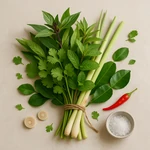
Basic herbs of Asian cuisine: how to recognize, choose, and use them at home
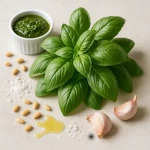
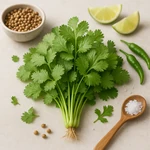
Asian cuisine is not just about spiciness or "exoticism" – its typical flavor often comes from how it works with aroma, freshness, and a long aftertaste. It is precisely herbs and fresh aromatics that can elevate a dish from a "good sauce" to something that truly smells and tastes like a favorite bistro. In this guide, you will get clarity on which herbs are good to know (coriander, Asian basils, perilla/shiso), how they differ, when to add them, and what mistakes to watch out for.
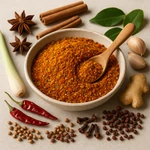
Spices in Asian cuisine: how to understand aromas, herbs and the right use
Asian cuisine is not just about spiciness or "exotic" ingredients. It is often defined by the work with aroma: freshness, warmth, earthiness, citrus notes, bitterness and long aftertaste. Spices and herbs are not just a supplement – in many dishes they form the very backbone of flavor. And just as important as what you use is also when and how you use it.
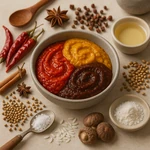
How to build flavor using spices: roles, timing and a clean result without “overloading”
Good seasoning isn't about dumping as many aromatics into the pot as possible. In Asian cooking flavor is often built as a whole: something gives the dish depth, something defines its character, something adds contrast and something remains as a long finish. When you understand these roles and the timing, you'll start using spices and herbs more precisely — and stop ending up with dishes that “smell great” but taste chaotic.
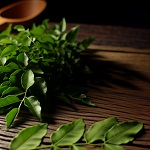
Curry leaves
Are you interested in how to use curry leaves in the kitchen? This aromatic ingredient is key to many Indian dishes. Read on to learn how to use curry leaves correctly for authentic and delicious food.
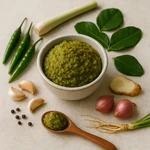
Thai-Style Curry Paste: Flavour, Best Uses, and How to Cook with It at Home
“Thai-style curry” is often a convenient label for a ready-to-use curry base inspired by Thai cooking—fragrant herbs, warm spices, and a gentle to medium heat that turns into a creamy sauce with coconut milk. Here’s what that wording typically means, how the taste differs from other curry pastes, and how to get consistently good results in everyday home cooking.
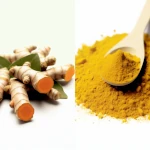
Turmeric
Discover the power of turmeric! This natural plant is the key to better health – from supporting digestion to protecting against inflammation. Turmeric extract with a high curcumin content is a powerful ally for your well-being and vitality. Be inspired by its natural healing properties and start using turmeric as part of your everyday life.
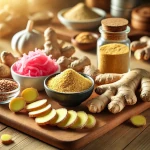
Ginger
Ginger is a wonderful natural remedy that will enrich your health and taste buds. Read about its benefits, how to use it in the kitchen, and what forms it comes in.
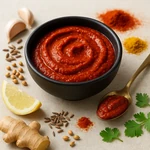
Tandoori Masala: the spice blend that brings authentic Indian flavour to meat and vegetables
Tandoori masala is a bold Indian spice mix made for high heat: aromatic, warmly spiced, and often gently hot. Combine it with yogurt and citrus for a quick marinade that works just as well in a home oven or on the grill as it does in a traditional tandoor.

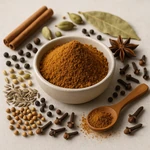


To explore how spices and herbs work alongside other pantry essentials, continue with Sauces and Pastes , learn about foundations like Rice , or see how seasonings come together in Wok Cooking .