


 Česky (CZK)
 Slovensky (EUR)
 Deutsch (EUR)
 Austria
 Belgium
 Bulgaria
 Croatia
 Denmark
 Estonia
 Finland
 France
 Germany
 Greece
 Hungary
 Italy
Italy Latvia
 Lithuania
 Luxembourg
 Netherlands
 Poland
 Portugal
 Romania
 Slovenia
 Spain
Spain Sweden










ube extract
Articles
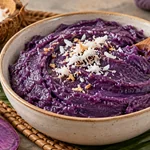
Ube
Discover the magic of ube—a purple superfood packed with vitamins, fiber, and minerals! Try creative recipes with ube jam and enhance your dishes with its distinctive flavor and color.
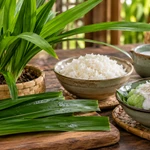
Pandan plant
Discover the secrets of this exotic plant that will give your dishes a unique aroma and flavor. Immerse yourself in the fascinating history, uses, and recipes featuring pandan, which will open up new gastronomic horizons!
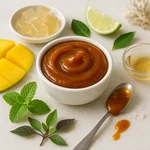
Syrups, fruits, and sweet ingredients in Asian desserts: how to understand them and how to use them
Asian desserts often don't rely on baking and butter creams but on smart combinations of textures, temperatures, and "sweet pantries": preserved fruit, syrups, pastes, and creams. In this guide, we will clarify why fruit in syrup is a full-fledged ingredient, what role syrup plays as an ingredient (not just a sweetener), and how to assemble your first simple desserts at home so they work in flavor and texture.
Custard
Discover the delicious world of custard—a creamy dessert that has won the hearts of gourmets around the world! What is the history of this silky temptation, where did it come from, and how did it become part of our favorite desserts? Read more about how custard is used in cooking and get inspired to make it at home!
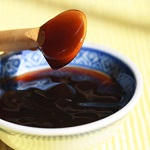
All about Oyster Sauce
Oyster sauce is one of the cornerstones of Asian cuisine. In this article, we will tell you its history, production process and some interesting tips!
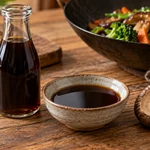
Soy mushroom sauce
Discover the magic of soy mushroom sauce – an indispensable addition to your kitchen. This sauce adds depth and umami flavor to any dish, ideal for stir-fries, soups, or marinades. Learn how to use it properly and what dishes you can enhance with it. Click on our article to find out more about the benefits and uses of this unique sauce!
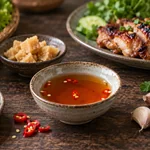
Fish sauce
Enrich your kitchen with fish sauce, which brings umami flavor to every dish. Discover its uses in soups, noodles, and other Asian dishes.
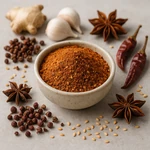
Chinese-Style Seasoning Mix: What It Tastes Like, What It’s For, and How to Use It Well
“Chinese seasoning” is a popular shortcut for fast stir-fries: it brings a warm, savory aroma and that familiar wok-style character even when you’re cooking with everyday ingredients. The trick is knowing when to add it, how much to use, and how to balance it so your dish doesn’t end up flat—or overly salty.
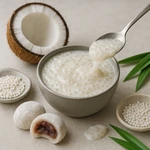
Texture of Asian desserts: why it matters and how to “read” it at home
With Asian desserts, it's often less about how sweet they are and more about how they feel in the mouth: springy, chewy, jellied, creamy, icy, or crunchy. This article will help you understand the most common textures, why they occur, which ingredients and techniques create them — and, most importantly, how to use texture to guide your choices and first attempts at home.
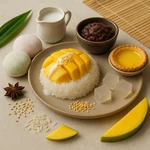
Asian desserts: what to expect from them (and why their texture will surprise you the most)
Asian desserts often can't be squeezed into familiar categories like “cake,” “pudding,” or “cookie.” Instead of heavy buttery pastries, they feature rice, coconut, starches, legumes, fruit, syrups, and especially texture – elastic, gel-like, pearl-like, or icy. This guide will help you understand what is typical for Asian sweets, the main dessert families, and how to practically navigate them.
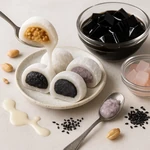
Mochi, grass jelly and other desserts with a "different" texture: how to understand them and what to expect
For many Asian desserts, the main point is in the texture – whether the bite is elastic, jellied, pearly, smooth, or icy. In this guide, you will get oriented in mochi, agar jellies, grass jelly, and other "textural" sweets and learn how to taste and combine them so they make sense even without complicated preparation.
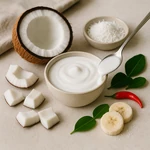
How to work with coconut in savory and sweet dishes: milk, cream, desiccated coconut and oil
Coconut in the kitchen does not mean “one ingredient.” Under the same word are hidden coconut milk, cream, concentrated creams, desiccated coconut, oil, sugar and other products – and each behaves differently. In this guide you will clarify the differences, learn to read labels and gain practical rules for how to use coconut in curry, soups and desserts so that the food is neither watery nor excessively “coconutty.”
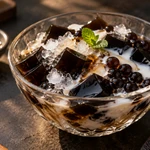
Grass Jelly: What It Is, How It Tastes, and Easy Ways to Use It
Grass jelly is a classic East and Southeast Asian dessert ingredient with a dark color, a delicate herbal note, and a pleasantly bouncy texture. Because it’s usually sold ready to eat, it’s one of the easiest ways to add “bubble tea” texture and a refreshing finish to summer drinks and fruit-based desserts.
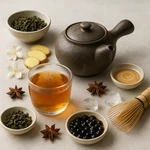
Beverages and teas in Asian cuisine: from "real" tea to bubble tea and matcha latte
Asian drinks are not just sweet drinks with ice. Alongside traditional tea culture, there is a modern world of drinks where texture, visuals, tea base, syrups, and the possibility to "assemble" a drink exactly to taste play a role. In this guide, we will clarify what real tea is, what the main types of tea are, why bubble tea is more than a trend, and how to avoid the most common disappointments in practice.
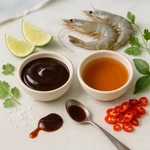
Oyster vs. fish sauce: what is the difference and when to use each
Oyster and fish sauces can be easily confused at first glance: both are among the “basic” Asian seasonings and both can add distinct umami. However, they have different roles in the kitchen. Once you understand the difference between their roles (salting vs. rounding and connecting flavors), you will cook more confidently – and you will stop unintentionally shifting dishes into a completely different flavor logic.
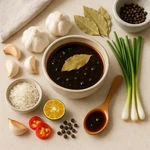
Typical Filipino ingredients: what makes the taste of the Philippines and how to start with them at home
Filipino cuisine is not just adobo. It is island "home" cooking based on rice, pronounced acidity (often from vinegar), salty seasonings with a touch of fermentation, and an aromatic base of garlic, onion, and pepper. In this guide, you will clarify which ingredients are truly typical for the Philippines, their role in dishes, how to recognize the right type, and what to avoid with your first purchases.
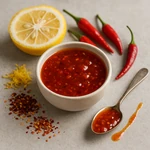
Sweet-Spicy Chili Sauce with Yuzu: Citrus Heat That Lifts Any Dish
Sweet-spicy chili sauce is already a kitchen shortcut for instant flavor—but add yuzu and it becomes something brighter and more versatile. The gentle sweetness helps it cling to food, the chili brings warmth, and yuzu adds a crisp citrus aroma that can make fried, grilled, or rich dishes taste lighter and more defined.
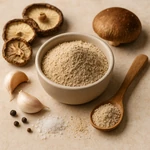
Mushroom Seasoning: the Quiet Umami Boost for Rice, Noodles, Soups, and Stir-Fries
Mushroom seasoning is one of those pantry shortcuts that makes everyday food taste like it had more time, more stock, and more depth. A small pinch can lift rice bowls, noodle sauces, soups, and quick wok meals with a savory, rounded “umami” finish—without turning the dish into something that tastes obviously mushroomy.
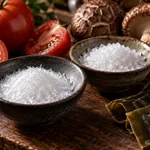
MSG (Monosodium Glutamate): What It Is, How It Adds Umami, and How to Use It Well
MSG—short for monosodium glutamate—is one of the most misunderstood seasonings in modern kitchens. It enhances savory “umami” depth, can help you rely less on salt, and has been studied extensively for safety. Here’s how it works, where it naturally occurs, and how to use it in everyday cooking.
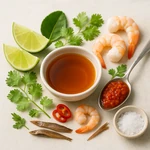
Basic sauces of Asian cuisine: how to understand them and use them correctly
The basic sauces of Asian cuisine are not just “something for seasoning.” In many dishes they form the very flavor backbone: they determine whether the result will be merely salty and flat, or deep, layered and flavorfully “anchored” in a particular cuisine. This guide will help you understand the roles of individual sauces, choose a sensible basic set for the home kitchen, and avoid the most common mix-ups.
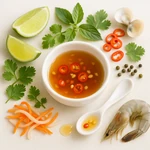
The taste of Vietnamese cuisine: why it feels light, fresh, yet full
Vietnamese cuisine is not just phở (noodle soup broth) and bánh mì (baguette filled with meat and vegetables). It is based on freshness, lightness, and especially on the ability to combine multiple layers of flavor so that the food feels lively but not heavy. In practice, it means thoughtful balancing of salty, sour, sweet, spicy, and umami – and a big role of herbs, rice, noodles, broths, and fermented seasonings.
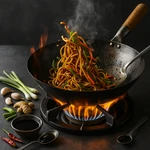
Wok hei and high temperature: why food from a wok tastes different (and what you can replicate at home)
In Asian cooking, it's often not just the choice of ingredients that matters, but the way heat is managed. The wok and very high temperatures create a character that people describe as "wok hei" – the typical impression of quick, intense searing. In the article, we compare what this really means in practice, why the wok is different from a regular pan, how home and professional conditions differ, and how to get the most out of high heat even on a regular stove.
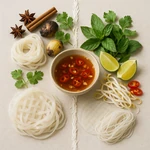
North and South of Vietnam in the kitchen: how to recognize differences in taste and cook “Vietnamese” at home
Vietnamese cuisine is not a single uniform flavor – striking differences between the north, central region, and south are one of the main reasons the same “Vietnamese” dish can taste slightly different each time. In this article we will show what is typical for the north, how the central region is more pronounced, and why the south is often described as sweeter. And most importantly: how to use these differences when choosing ingredients and seasoning at home.
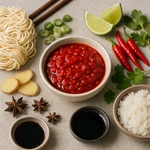
Northern and southern tastes of Asia: how to understand them and cook by them at home
“Northern vs. southern tastes” is a useful shorthand for quickly orienting yourself in Asian food — but we mustn’t take it as an exact map. In this article we’ll show what this concept really means, why it arose, what the typical differences in ingredients and techniques are, and how to extract practical tips for home cooking.
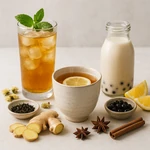
Hot, cold and seasonal Asian drinks: how to understand them and what to expect from flavor and texture
Asian drinks today include much more than just sweet lemonades with ice. Alongside the traditional tea culture, there are urban "café" drinks where the tea base, texture (pearls, jelly, pieces of fruit), work with aroma and color, and the option to customize sweetness and ice all play a role. In this guide, we will clarify what is typical for modern Asian drinks, how hot and cold variants differ, what “real tea” means, and what mistakes to watch out for.
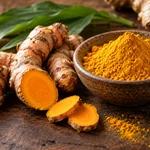
Turmeric
Discover the power of turmeric! This natural plant is the key to better health – from supporting digestion to protecting against inflammation. Turmeric extract with a high curcumin content is a powerful ally for your well-being and vitality. Be inspired by its natural healing properties and start using turmeric as part of your everyday life.
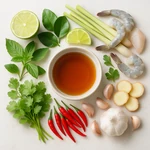
How to Start with Thai Cuisine: Flavors, Sauces, and the First Sure Steps
Thai cuisine is not just a few famous dishes. It is a cooking method where salty (umami), sour, sweet, spicy, and herb-fresh flavors are deliberately balanced – so the result feels lively but not chaotic. In the article, you will understand what makes the "Thai taste" Thai, how not to get lost in curry pastes, fish sauce, and coconut products, and how to set up a simple, functional start at home.
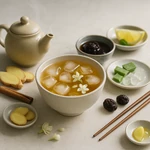
What to drink in summer, winter, and with different meals: a practical guide to Asian drinks and teas
Asian drinks are not just "something sweet with ice." They often have a tea base, work with distinctive aromas (citrus, ginger, jasmine), with temperature and sometimes even texture – so they can be both a drink and a small snack. In this guide, we'll clarify what makes sense to drink in summer, winter, and how to choose a drink based on the type of meal so that the whole feels balanced and "complete."
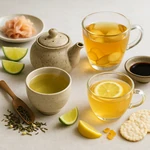
What to drink with Asian food: from real tea to modern drinks
Choosing the right drink for Asian food is not just a detail. A drink can soften the food, cleanse the palate between bites, or on the contrary, "overpower" the flavor of what you put effort into cooking. In this guide, you will mainly get oriented in teas (from green to dark/post-fermented) and modern Asian drinks like bubble tea or matcha latte – and most importantly, when each style makes sense.
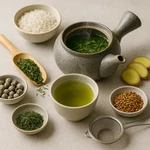
How to Prepare Asian Teas at Home: From "True Tea" to Modern Iced Drinks
Preparing Asian teas at home is not about a single correct procedure, but about knowing what type of tea you have in hand and what to expect from it. Once you get oriented with the main tea categories, the differences between Chinese and Japanese styles, and learn to read the packaging information, even modern drinks like bubble tea, matcha latte, or citrus iced drinks will start to make sense.
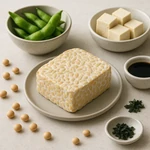
Tempeh, edamame, and other soy products: how to understand and use them in the kitchen
Soy products are not just one "protein cube" in different packages. From the same crop comes delicate tofu, fresh edamame, soy milk, and also distinctive fermented products like tempeh – and each behaves completely differently in the kitchen. In this article, you will clarify the differences, typical uses, and the most common mistakes that lead to disappointment.

Hot & Sour, ramen and other bold Asian soups: how to tell them apart and how to “build” them at home
A bold Asian soup is not just “something warm in a bowl.” It is often a complete meal—built on broth, noodles or rice, aroma, clever acidity, spiciness and final seasoning. In this guide we’ll clarify how ramen, Chinese hot & sour soup, hotpot or Filipino sinigang differ—and mainly how to learn to use their logic at home without unnecessary mistakes.
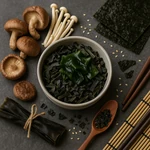
Mushrooms and seaweeds in Asian cuisine: umami, texture and practical use at home
Mushrooms and seaweeds in many Asian cuisines are often not the “main star” of the plate. All the more important they can be: they provide umami, build the depth of a broth, add springiness or crunch, and sometimes function only as a small but crucial finishing element. When you understand the role they should play in a dish, you will be able to choose and use them much more confidently – and often extract flavor without aggressive salting.
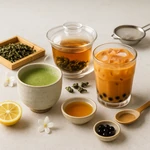
Overview of Asian teas and drinks: how to understand the types, flavors, and modern drinks
“Asian tea” is not one thing. The word tea covers true tea from the tea plant (Camellia sinensis), flavored blends, and also modern drinks that are based on tea but work with milk, ice, citrus, fruit concentrates, and especially texture (typically bubble tea). This overview gives you a quick orientation: what true tea is, what the major types are and why they taste completely different, how to read packaging, how to choose a style by taste, and what common misconceptions even people who “have been drinking tea for years” encounter.
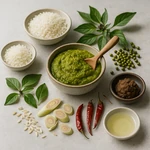
Culture and Contexts of Asian Cuisine: How Climate, Ingredients, and Dining Change the Taste on the Plate
“Asian cuisine” sounds like one category, but in practice it encompasses a large cultural space where food evolved according to climate, available crops, religion, social rules, trade, migration, and daily rhythms of life. When you understand these contexts, it becomes easier to choose a style you will enjoy, and you’ll stop making typical mistakes (like reducing everything simply to spiciness).
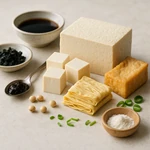
Guide to tofu and soy products: how to understand the types, taste, and uses
Tofu is not just one “white cube” and soy products are not a single universal meat substitute. From the same raw material – soy – both delicate, neutral ingredients (tofu, soy milk) and distinctive fermented products (tempeh, miso, soy sauces) are made. However, they behave completely differently in the kitchen. This guide will help you choose the right type for a specific dish, understand textural differences, and avoid the most common mistakes.
