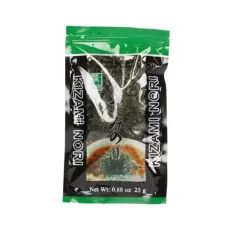
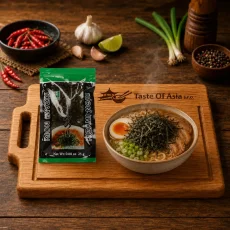
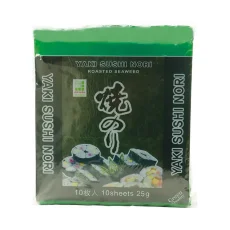
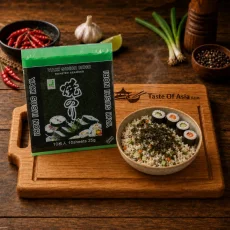
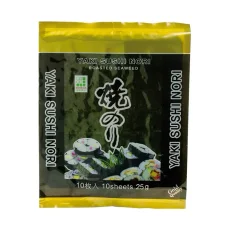
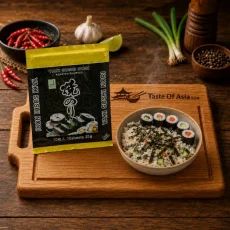
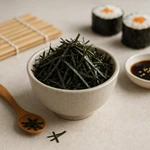
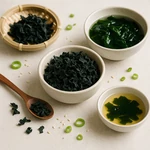
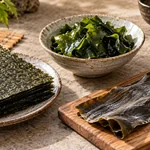
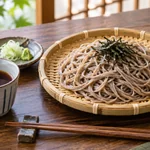
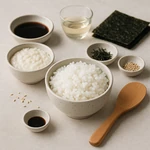
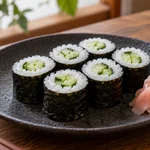
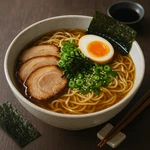
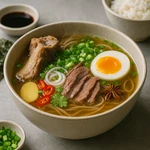
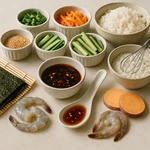
Kizami nori is roasted nori seaweed cut into delicate strips and used as a quick finishing garnish. A small pinch can lift the aroma of rice bowls, noodle soups, and salads—adding gentle brininess, subtle roastiness, and clean umami without changing the whole dish.
Dried seaweeds are the “silent engine” of flavor in many Asian cuisines: sometimes they form the base of broths and umami, other times they add crunch, color or a delicate ocean aroma as a finishing touch. Once you understand what nori, wakame and kombu are for, seaweeds stop being an exotic specialty and become a practical ingredient you can cook with at home simply and precisely.
Discover the power of the ocean on your plate! Seaweed brings unique flavors and nutritional properties to the kitchen. From sushi to soups, its uses are endless. Add this natural ingredient to your diet to boost your health and enrich your meals!
Try this recipe for Japanese sauce, which has a fascinating history and can enhance any dish! Find out how this delicious sauce originated in Japan and how you can easily make it at home.
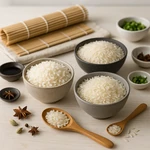
In Asian cuisines rice is often not “something for the sauce,” but the very framework of the dish. With coconut rice (typically nasi lemak style) and sushi rice you can clearly see how dramatically flavor, texture and even what we consider a finished meal can change—simply depending on which rice you choose and how you treat it.
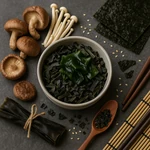
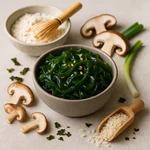
Mushrooms and seaweeds in many Asian cuisines are often not the “main star” of the plate. All the more important they can be: they provide umami, build the depth of a broth, add springiness or crunch, and sometimes function only as a small but crucial finishing element. When you understand the role they should play in a dish, you will be able to choose and use them much more confidently – and often extract flavor without aggressive salting.
“Rice is rice” only holds until you want a really good curry, fluffy biryani or cohesive sushi. Jasmine, basmati and sushi rice differ in aroma, starch structure and how they behave when cooked — and that determines the final texture and how well the rice carries sauce, holds its shape or can be picked up with chopsticks.
Japanese cuisine is not uniform in taste. Besides shared principles (respect for ingredients, seasonality, purity of flavors), there are important regional differences based on climate, proximity to the sea and mountains, and historical availability of ingredients. In this guide, you will clarify the main areas and how to recognize them even when cooking at home.
Sweetened rice vinegar is a secret ingredient that will give your dishes a unique sweet and sour taste! In this article, you will learn how to best use it in the kitchen, what flavor combinations it offers, and in which recipes you can try it. Explore the possibilities of this Asian specialty and get inspired for your next culinary creations.
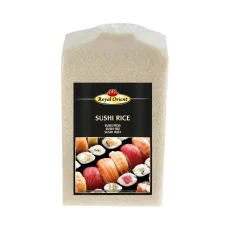
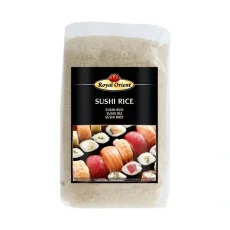
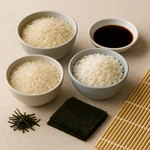
Discover the secrets of perfect sushi rice! In our new article, you will learn everything you need to know—from its history and cultivation to proper preparation and tips for use. Whether you are a sushi lover or a beginner, our advice will help you prepare the best sushi right at home. Don't miss it! Click and read more!
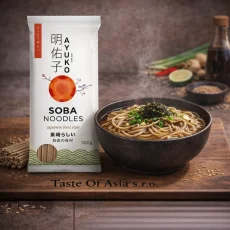
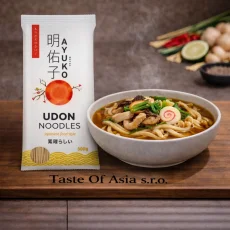
Japchae is not “Korean ramen” and ramen is not just noodle soup. In Asian cuisines noodles are often not a side but the very core of the dish – they carry broth, sauce, dip and texture. In this guide you’ll clarify the main types of noodle dishes (from broth bowls to cold noodles), the differences between ramen/udon/soba and why japchae is built on a completely different logic than European “pasta with sauce.”
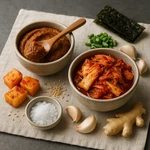
Fermentation in Asian cuisine is not a "health trend," but one of the main ways to achieve flavor: umami, depth, subtle acidity, and interesting texture. Kimchi and miso are the two most accessible fermented worlds that clearly show why some ferments are eaten alone as side dishes, while others act more like an engine under sauces and soups. In the article, we'll also clarify the common misconception "fermented = probiotic" and add practical tips on how to incorporate fermented bases into everyday cooking without complicated recipes.
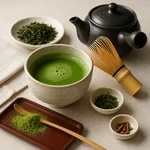
For many people, Japanese teas are the first “serious” contact with green tea — and at the same time a source of confusion: why sencha sometimes tastes fresh and other times bold, what exactly matcha is (and why it’s not the same as the sweet mix for a matcha latte), and how to tell what you’re actually buying. In this guide you’ll sort out the basic terms, the differences between the main Japanese styles, and practical rules that will keep the tea from losing its flavor or meaning.
“Special” ingredients in Asian cuisine are often not extravagances but practical flavor building blocks: they add umami, interesting texture, or just a subtle contrast at the end. When you know what function to expect from them, they stop being unclear and start being useful. This guide will mainly walk you through seaweed and mushrooms (including dried) and show a few typical pitfalls people encounter when choosing.
In Asian cuisine, broth is much more than just "soup water" – it is often the main flavor of the entire dish. In this guide, we will compare the basic types of broths (from Japanese dashi through Vietnamese phở to long-simmered bone broth), explain the difference between broth, soup, and sauce base, and add practical tips on how to achieve clarity, depth, and balanced saltiness at home without unnecessary mistakes.
Rice in Asian cuisine is not "just a side dish." In sushi, it determines whether the rice holds its shape and can be eaten with chopsticks; in curry, it affects how the sauce meets the aroma and tenderness; and in fried rice, it decides whether you get a loose wok dish or a sticky mash. This guide will help you choose the type of rice based on the dish – and understand why one universal rice is usually not enough.
A bold Asian soup is not just “something warm in a bowl.” It is often a complete meal—built on broth, noodles or rice, aroma, clever acidity, spiciness and final seasoning. In this guide we’ll clarify how ramen, Chinese hot & sour soup, hotpot or Filipino sinigang differ—and mainly how to learn to use their logic at home without unnecessary mistakes.
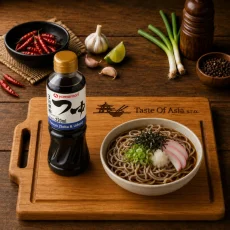
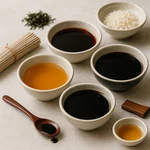
Soy sauce is not a single universal liquid "for everything," but a whole family of sauces with different roles in the kitchen: sometimes mainly to salt and add umami, other times to darken and round off, and sometimes it acts as a table condiment. In this guide, we will compare the most common styles (light/dark, Japanese shoyu, and Korean ganjang) and especially how to use them practically at home without unnecessary mistakes.
How do fast street foods, festive menus, noodle bowls, or dishes based on seaweed and mushrooms differ in Asian cuisine? This guide explains the main types of meals according to the occasion, presents representative examples, and offers practical advice: what to buy at the start, how to combine ingredients, and how to avoid the most common mistakes.
In many Asian kitchens, the outcome is decided not at the stove, but on the cutting board: by chopping, order of preparation, separating components, drying, soaking, and timing. Mise en place (prepared ingredients and components in advance) is not a "professional luxury" here, but a practical assurance that nothing will burn, nothing will remain raw, and the food will have a clean rhythm and flavor.
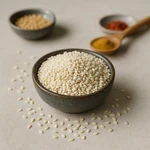
White sesame seeds are one of those small ingredients that instantly make food feel more finished: a gentle nutty aroma, a subtle crunch, and a familiar “Asian kitchen” note on rice, noodles, salads, and stir-fries. Once you know when to toast them—and when not to—you’ll reach for them almost daily.
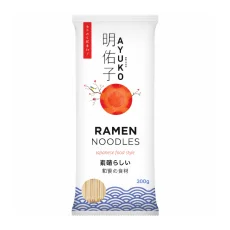
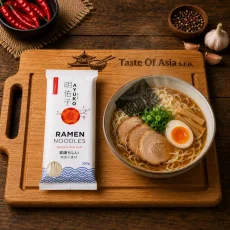
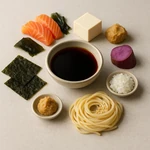
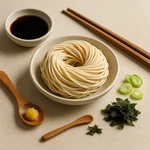
Broth, toppings, aroma oil—ramen gets a lot of attention for what’s on top. But the real backbone of the bowl is the noodle: springy, satisfying, and able to carry flavor. Here’s a practical guide to ramen noodles (fresh, dried, instant), how to cook them for the ideal bite, and how to use them not only in soup but also in quick stir-fries and “no-broth” bowls.
Cookies
This site uses cookies to provide services, customize ads, and analyze traffic. Your consent to the use of cookies will significantly help us to improve our services. More information



 Česky (CZK)
 Slovensky (EUR)
 Deutsch (EUR)
 Austria
 Belgium
 Bulgaria
 Croatia
 Denmark
 Estonia
 Finland
 France
 Germany
 Greece
 Hungary
 Italy
Italy Latvia
 Lithuania
 Luxembourg
 Netherlands
 Poland
 Portugal
 Romania
 Slovenia
 Spain
Spain Sweden