česneková pasta

Articles

Spaghetti Aglio, Olio & Pepperoncino: a Fast, Spicy Pasta in Minutes

Spaghetti Aglio, Olio & Pepperoncino: a Fast, Spicy Pasta in Minutes

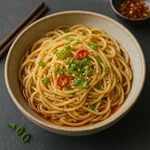
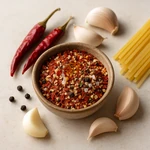
Aglio, olio & pepperoncino is the classic Italian “pantry pasta”: spaghetti tossed with fragrant garlic, olive oil, and chili. The whole dish comes together in the time it takes to boil pasta—provided you treat the garlic gently and use a splash of starchy pasta water to make everything glossy and cohesive.


Island cuisines of Asia: what shapes them and how to navigate them

Island cuisines of Asia: what shapes them and how to navigate them

"Island cuisines of Asia" is not one style nor one typical flavor. It is a collection of regional cuisines that developed in island and coastal environments – where cooking is shaped by the sea, climate, local agriculture, as well as trade and migration. In this guide, we will focus on the island axis of Southeast Asia (Indonesia, the Philippines, Malaysia, and the Singaporean mix of influences) and show how to interpret these influences in the taste of food and how to assemble a foundation at home to orient yourself practically, not just based on impressions.


Spaghetti Seasoning That Won’t Bore You: How to Build Flavor (and Borrow from Asian Sauces)

Spaghetti Seasoning That Won’t Bore You: How to Build Flavor (and Borrow from Asian Sauces)

Spaghetti is quick, reliable, and—if you’re not careful—predictable. The easiest way to keep it exciting is to think of “spaghetti seasoning” not as one fixed mix, but as a flavor direction you can repeat and tweak: herb-forward, garlicky, spicy, smoky, or umami-rich. And once you see spaghetti as “long noodles made from wheat,” it becomes surprisingly natural to season it with Asian-style sauces, pastes, and aromatics too.


Taste of Indian cuisine: how to recognize it and create it at home

Taste of Indian cuisine: how to recognize it and create it at home

"Indian taste" is not one universal sauce nor a synonym for spicy food. Indian cuisine is a broad family of regional styles – from delicate legume dishes through tandoori breads and marinades to rice dishes with tamarind, coconut, and curry leaves. In this article, you will clarify what typically makes up Indian taste, how the north differs from the south, and how to build it in practice even without "pouring all the spices of the world" into the pot.


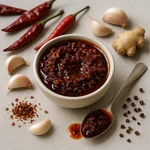
Sambal Trassi: Indonesian Chili Paste with a Bold Shrimp-Paste Umami Kick

Sambal Trassi: Indonesian Chili Paste with a Bold Shrimp-Paste Umami Kick

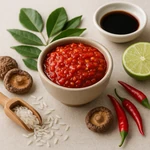
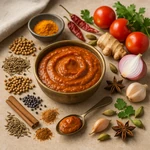
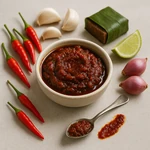
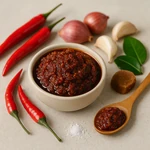
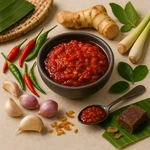
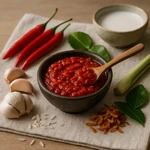
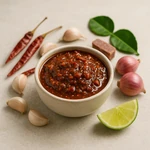
Sambal trassi is one of those Southeast Asian condiments that can transform a plain bowl of rice into something deeply savory and exciting. It combines hot chili with the unmistakable, funky depth of trassi (also spelled terasi)—a fermented shrimp paste that brings saltiness and intense umami.


The taste of Filipino cuisine: acidity, vinegar, rice, and umami that hold the food together

The taste of Filipino cuisine: acidity, vinegar, rice, and umami that hold the food together

Filipino cuisine is often simplified to "adobo," but its typical flavor is much broader and above all very practical: rice as the center of the meal, pronounced acidity (often from vinegar), saltiness and umami from soy and fish seasonings, garlic-onion aroma, and a sense for texture as well as complementary sauces. In the article, we will show you how to recognize these flavors in typical dishes and how to safely start with them at home without unnecessary mistakes.


Konjac (Shirataki) Noodles: How to Prep, Cook, and Make Them Taste Great

Konjac (Shirataki) Noodles: How to Prep, Cook, and Make Them Taste Great

Shirataki noodles—often called konjac noodles—are translucent, springy strands made from the konjac root. They’re naturally low in digestible carbs and quick to prepare, but they do have their own “rules”: rinse well, dry them properly, and let your sauce do the talking. Here’s how to use shirataki in soups, stir-fries, and cold salads without disappointment.


Japchae, ramen and other noodle dishes: why the same “noodle” doesn’t make the same bowl

Japchae, ramen and other noodle dishes: why the same “noodle” doesn’t make the same bowl

Japchae is not “Korean ramen” and ramen is not just noodle soup. In Asian cuisines noodles are often not a side but the very core of the dish – they carry broth, sauce, dip and texture. In this guide you’ll clarify the main types of noodle dishes (from broth bowls to cold noodles), the differences between ramen/udon/soba and why japchae is built on a completely different logic than European “pasta with sauce.”


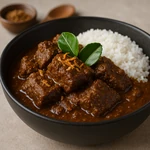
Rendang, korma, vindaloo: why they are not "just curry" and how to understand saucy dishes

Rendang, korma, vindaloo: why they are not "just curry" and how to understand saucy dishes

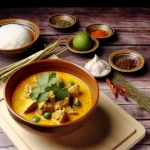
Rendang, korma, vindaloo, Thai curry or Japanese curry are often lumped together under one category "curry" in our country. But this label is rather indicative – and if you take it literally, you might easily pick the wrong base, season the sauce poorly, or expect a different taste and consistency. In this article, we clarify what is meant by "curry" (and related saucy dishes) in different parts of Asia, what the main families are, and how to start practically at home without unnecessary mistakes.


Mee Goreng (Southeast Asian Fried Noodles) – Easy Weeknight Recipe

Mee Goreng (Southeast Asian Fried Noodles) – Easy Weeknight Recipe

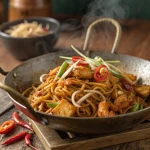
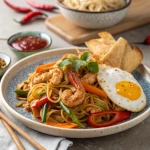
Mee goreng is the kind of dish you make once and then crave regularly: springy noodles tossed in a sweet-savoury, lightly spicy sauce, finished fast over high heat. This version is flexible (chicken, shrimp, tofu, or veg), works in a wok or large pan, and comes together quickly when you prep everything first.


Basil: the Fragrant Herb That Lifts Mediterranean Classics and Asian Favorites

Basil: the Fragrant Herb That Lifts Mediterranean Classics and Asian Favorites

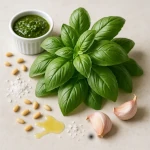
Basil is one of those ingredients that can change a dish with just a few leaves. Used well, it brings a bright, slightly sweet, herbal aroma to everything from tomato salads and pasta to spicy stir-fries, noodle soups, and coconut curries. Here’s how to get the most out of fresh and dried basil, when to add it, and what flavors it loves.


Taste of Indonesian cuisine: sambal, kecap manis, coconut, and rice as the center of the meal

Taste of Indonesian cuisine: sambal, kecap manis, coconut, and rice as the center of the meal

Indonesian cuisine is not a single "national taste," but a broad family of regional styles spread across a vast archipelago. Yet, it repeatedly returns to several fixed points: rice as the center of the meal, chili and sambal, sweet-salty depth thanks to kecap manis, aromatic pastes, and coconut, which can both soften and intensely concentrate the flavor. In this article, we will put these pillars together so that when cooking at home for the first time, you know what you are actually looking for and why it tastes "Indonesian."


The Taste of Thai Cuisine: How to Understand It and Build It at Home (Without Common Mistakes)

The Taste of Thai Cuisine: How to Understand It and Build It at Home (Without Common Mistakes)

Thai food can taste “very bold”, but its strength is rarely one dominant flavour. What’s typical is layering: first you build an aromatic base (often with pastes), then you season gradually (for example with soy sauce), and only at the end you fine-tune heat and top aromas. When these steps get swapped or pushed too hard, the result is often just spicy, over-salty, or oddly flat. This guide gives you a practical framework for building Thai flavour at home step by step—and for fixing the most common problems.


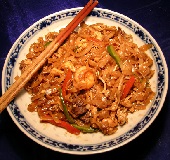
Fried Pad Thai noodles

Fried Pad Thai noodles

Pad thai, phat thai nebo phad thai jsou smažené rýžové nudle, v Thajsku běžně prodávané na ulici, které si určitě zamilujete pro svou jednoduchou přípravu a skvělou chuť.


How to start with Filipino cuisine: flavor logic, first dishes, and mistakes beginners make

How to start with Filipino cuisine: flavor logic, first dishes, and mistakes beginners make

Filipino cuisine is not just adobo – it is a practical, "homey" island cuisine built on rice, strong sourness, and salty umami seasoning. In this guide, you will clarify how typical Filipino flavor works, how it differs from neighboring island styles (Indonesia, Malaysia, Singapore), and most importantly: what to start with at home so that your first attempts make sense and have quick success.


Tom Yum Soup (Thai Hot & Sour Soup) – Easy Home Recipe

Tom Yum Soup (Thai Hot & Sour Soup) – Easy Home Recipe

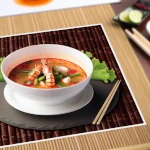
Tom Yum is Thailand’s famous hot-and-sour soup: aromatic lemongrass and kaffir lime leaves, a bright hit of lime, salty fish sauce, and as much chilli heat as you like. This recipe keeps the process simple while delivering the bold, restaurant-style flavour Tom Yum is known for.


Tom Kha Soup (Thai Coconut Chicken Soup) — Easy Home Recipe

Tom Kha Soup (Thai Coconut Chicken Soup) — Easy Home Recipe

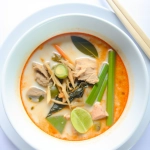
Tom Kha is a classic Thai soup built on coconut milk, fragrant herbs, and a bright lime finish. This home-friendly version delivers the signature creamy–tangy balance with chicken and mushrooms, plus practical tips so the coconut stays silky and the flavours stay clear.


Hot & Sour Soup (Quick Chinese-Style Recipe)

Hot & Sour Soup (Quick Chinese-Style Recipe)

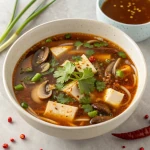
Hot & Sour soup is all about contrast: a warming chilli kick balanced by bright vinegar, plus satisfying textures from mushrooms, tofu, and silky egg ribbons. This home-friendly version comes together fast and is easy to adjust—make it sharper, hotter, or heartier depending on what you crave.


Typical Indian ingredients: their role in food and how to recognize them

Typical Indian ingredients: their role in food and how to recognize them

Indian cuisine is not a single unified tradition, but a broad family of regional styles. That's why it's worth looking at "typical Indian ingredients" as practical building blocks: what forms the base (rice, breads, legumes), what gives the dish richness (ghee, yogurt, paneer), what builds aroma (spices, aromatics), and what provides an important contrast (for example tamarind). The article provides an overview of key ingredients, their functions, and concrete advice on how to start using them at home without unnecessary mistakes.


How to start with Indonesian cuisine: rice, sambal, kecap manis, and a few dishes that will teach you the most

How to start with Indonesian cuisine: rice, sambal, kecap manis, and a few dishes that will teach you the most

Indonesian cuisine is not one "uniform" flavor, but a huge world of regional styles across the islands. The good news is that starting at home is surprisingly easy if you don't try to cook everything at once. In the article, we will show what is typical for Indonesia, how to recognize its flavor, what the most important differences are (including a brief orientation in island Southeast Asia), and how to choose your first ingredients and first dishes without unnecessary mistakes.


Bami Goreng Noodles (Indonesian-Style Fried Noodles) — Easy Weeknight Recipe

Bami Goreng Noodles (Indonesian-Style Fried Noodles) — Easy Weeknight Recipe

Bami Goreng is Indonesia’s beloved fried noodle dish: springy noodles tossed in a savory-sweet soy seasoning, quickly stir-fried with vegetables and your choice of chicken, shrimp, or tofu, then finished with egg and a squeeze of lime. This version is fast, flexible, and designed to work well on a home stovetop.


Street food from the market vs. street food at home: what cannot be copied (and what makes sense)

Street food from the market vs. street food at home: what cannot be copied (and what makes sense)

Asian street food is not just "food from the street." In many parts of Asia, it is an everyday way of eating, where speed, specialization, local identity, and especially taste "readable from the first bite" matter. That's why it is useful to distinguish market street food and home-style street food: at home, you usually won't replicate the same heat and rhythm of the stall, but you can very well imitate the flavor profile, the work with sauces, contrasts, and "right now" service.


Singaporean street food: how to understand it through hawker culture, iconic dishes, and flavor logic

Singaporean street food: how to understand it through hawker culture, iconic dishes, and flavor logic

Singaporean street food is not just "fast food from the street." It is an urban system of dining and cooking that grew out of the multicultural environment of a port city – and it is best understood through hawker centers, specialized stalls, and several iconic dishes. In the article, we will clarify what is typical for Singapore, why Chinese, Malay, Indian, and Peranakan influences meet here, and how to take a practical guide from it: what to taste first and how to tackle Singaporean flavors at home without unnecessary mistakes.


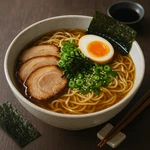
Wheat noodles

Wheat noodles

Discover the history, production, and different types of wheat noodles that dominate world cuisine. Learn how to prepare them properly and use them in popular recipes such as Kake Udon, Miso Ramen, or Zaru Soba. Read more about their versatile uses!


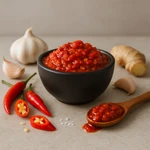
Maengda Chilli Paste: Thai Heat with a Distinct Aroma (and How to Use It)

Maengda Chilli Paste: Thai Heat with a Distinct Aroma (and How to Use It)

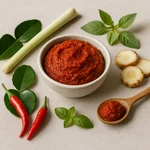
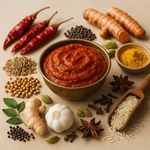
Maengda chilli paste is one of those Thai pantry shortcuts that can make plain rice, noodles, or a quick stir-fry taste “finished” in seconds. It’s not just about heat—its signature is a bold, lingering aroma and a concentrated savoury profile. Here’s what “Maengda” means, what to expect from the flavour, and how to use it well at home.


Rice noodles

Rice noodles

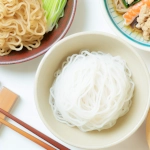
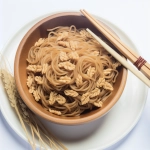
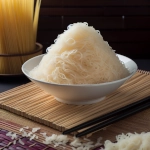
Discover the fascinating world of rice noodles! Whether it's delicate vermicelli noodles, wide slices, or tapioca varieties, these noodles are the basis of many Asian dishes. In our article, you will learn about their history, how they are made, and how you can incorporate them into your own culinary creations. Immerse yourself in traditional flavors and textures that will introduce you to the secrets of Asian cuisine!


Vietnamese Pho Soup Recipe (Pho Bo or Pho Ga)

Vietnamese Pho Soup Recipe (Pho Bo or Pho Ga)

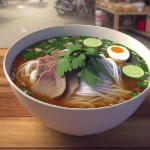
Pho is Vietnam’s iconic noodle soup: a clear, fragrant broth poured over silky rice noodles, topped with herbs, lime, and your choice of beef (pho bo) or chicken (pho ga). This home-friendly recipe focuses on the two things that matter most—building aroma in the stock and assembling bowls with fresh garnishes.


Plates: How to Choose the Right Shape and Material for Every Meal

Plates: How to Choose the Right Shape and Material for Every Meal

A plate is more than a flat surface for food. Its shape affects portioning and presentation, its material influences heat and durability, and the right mix of pieces makes everyday meals—from curry and stir-fries to sushi nights—feel easier and more enjoyable.


Rice vs. wheat noodles: when to choose which (and why it's not just "about taste")

Rice vs. wheat noodles: when to choose which (and why it's not just "about taste")

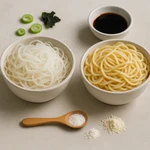
Rice and wheat noodles behave similarly at first glance, but they serve completely different roles in the bowl. The difference is not just in the ingredient – it reflects in elasticity, "bite", behavior in broth, in the wok, and how easily the noodles overcook. This guide will help you pick the right type based on the dish (pho, pad thai, ramen, udon, mie goreng…) and avoid the most common mistakes.


How to properly cook Asian noodles: choose the right type and do not overcook them

How to properly cook Asian noodles: choose the right type and do not overcook them

For Asian noodles, it's usually not a 'secret trick' that matters, but the correct choice of noodle type for a specific dish and the timing of the heat treatment. Noodles behave differently in broth, differently in a wok, differently in cold bowls – and the most common mistake (overcooking) often occurs because the noodles continue to soften until the final serving.


How to flavor tofu and vegetables: marinade, glaze, and final seasoning without unnecessary mistakes

How to flavor tofu and vegetables: marinade, glaze, and final seasoning without unnecessary mistakes

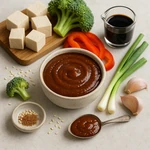
Tofu and vegetables can be great, but on their own, they often feel 'flat' – lacking saltiness, umami, and aroma. In Asian cuisine, this is not solved with a single universal marinade but with a cleverly divided approach to flavor: some is added in advance, some develops on the pan, and some is refined at the end. When you understand what each step is supposed to do, seasoning will start to make sense and the results will be consistently better.


How to read packaging and types of Asian noodles: how to recognize what will really work for you at home

How to read packaging and types of Asian noodles: how to recognize what will really work for you at home

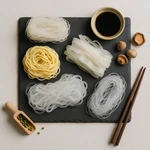
With Asian noodles, the name on the front of the package is often only indicative. Whether the noodles are suitable for broth, wok, or a cold bowl is usually decided by their ingredients, thickness, and pre-treatment. In this guide, we will show you how to read labels, what the main noodle families are (wheat, rice, buckwheat, starch-based, and konjac), and how to choose a type that won’t overcook, fall apart, and gives the dish exactly the texture you expect.

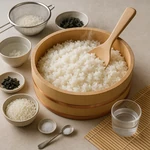
How to cook Asian rice correctly: grain type, texture, and methods for jasmine, basmati, sushi, and sticky rice

How to cook Asian rice correctly: grain type, texture, and methods for jasmine, basmati, sushi, and sticky rice

"Rice is just rice" does not work in Asian cooking. The same pot and the same method will sometimes give you a fragrant, tender side dish for curry, other times a mushy mess, or on the contrary dry separate grains that don't suit the dish. In this guide, you will clarify how to choose rice and cook it at home so that it has the right aroma, cohesion, and texture – for jasmine, basmati, sushi, and sticky rice.
%s ...
%s
%image %title %code %s
%s