


 Česky (CZK)
 Slovensky (EUR)
 Deutsch (EUR)
 Austria
 Belgium
 Bulgaria
 Croatia
 Denmark
 Estonia
 Finland
 France
 Germany
 Greece
 Hungary
 Italy
Italy Latvia
 Lithuania
 Luxembourg
 Netherlands
 Poland
 Portugal
 Romania
 Slovenia
 Spain
Spain Sweden










How to properly cook Asian noodles: choose the right type and do not overcook them
For Asian noodles, it's usually not a 'secret trick' that matters, but the correct choice of noodle type for a specific dish and the timing of the heat treatment. Noodles behave differently in broth, differently in a wok, differently in cold bowls – and the most common mistake (overcooking) often occurs because the noodles continue to soften until the final serving.
Noodles are not a side dish: what determines the result
In many Asian dishes, noodles are not just 'something for the sauce,' but the main carrier of flavor and texture. Therefore, it is good to think about noodles similarly to the kinds of pasta in Italian cuisine: different shapes and compositions fit soups, quick stir-frying, and cold dishes.
The first step is not to look for the 'best noodles,' but to clarify what you expect from them: should they hold their shape in hot broth, withstand stirring in a wok, or be delicate and smooth for cold serving? Only then does it make sense to choose within the noodle category specific type.
What noodles are made of – and how it affects cooking
The basic division of Asian noodles is based on the main ingredient. The composition determines flexibility, fragility, absorbency, and whether noodles "stand up" to broth or fall apart easily.
Wheat noodles: flexibility, 'bite,' and durability
Wheat noodles tend to be more elastic and dense. They usually tolerate stirring and longer contact with hot liquid or sauce better, making them versatile for soups and stir-fries. This includes various ramen noodles, udon, and many Chinese noodles. A practical example of wheat noodles for quick preparations is branch of wheat noodles – in wok style, it’s useful that they are less prone to becoming mushy when stirred.
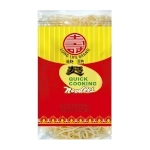
If you want a specific example of a type aimed at quick pan-frying, you can find, for example, Longlife Chinese quick noodles – with such noodles, it is key not to let them cook completely soft before the wok (because they soften further in the pan).
Rice noodles: finer texture, sensitivity to overcooking
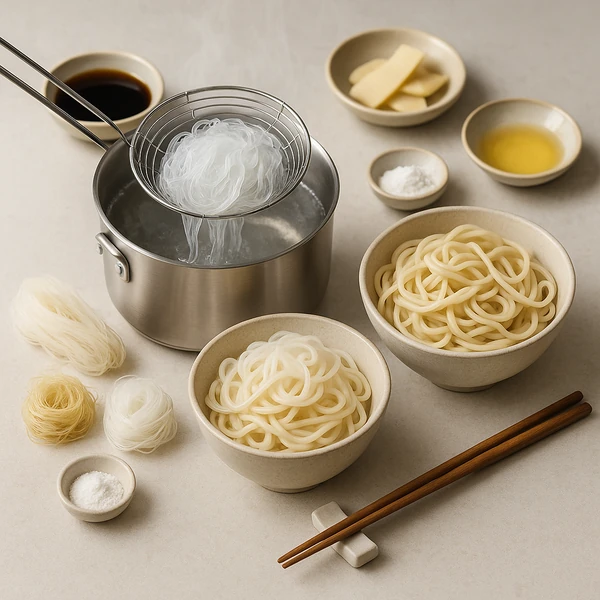
Rice noodles are typical especially for Southeast Asia and exist in a wide range of thicknesses and shapes – from very fine to wider flat ones. They are often cooked briefly, blanched, or just soaked, but generally, they are sensitive to overcooking. Properly prepared rice noodles do not fall apart into mush but remain elastic and separate.
Buckwheat noodles: flavor depends on ingredient ratios
Buckwheat noodles (typically soba) have an earthier, stronger flavor. The ratio between buckwheat and wheat plays a big role – if you buy them mainly for the buckwheat taste, it is not enough to follow the name only; it’s worth checking the composition.
Starch and glass noodles: "glassy" elasticity and different handling of water
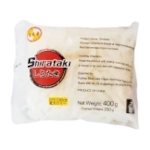
Starch noodles (often called glass noodles) are smooth, elastic to glassy after cooking and work differently than flour noodles. Often, it is enough to pour hot water over them or cook briefly – depending on the specific type. If you want specifically this texture type, it makes sense to choose directly in the glass noodles category.
Konjac and other special variants: different behavior, different expectations
With special variants (including low-carb and konjac), it is important to expect that they will behave and taste differently from wheat or rice noodles. If you are looking in this direction, orient yourself in the konjac noodles category and choose according to the type of dish you want to use them in.
Choose noodles by dish: soup, wok, 'dry,' and cold bowls
Asian noodle dishes can basically be understood as several 'worlds' where the role of broth, sauce, and texture changes. The same noodles often don't behave equally well in them.
Noodle soups and broth bowls: durability in hot liquid
For soup, you need noodles that keep their shape even after contact with hot broth and do not immediately tear or fall apart. Typically suitable are ramen, udon, soba for lighter Japanese broths, rice noodles for phở or other Southeast Asian soups, and sometimes glass noodles for lighter clear soups.
Practical detail: in soups, it's common that noodles continue cooking even after being drained (in the bowl, in the broth). Therefore, it’s worth ending the first cooking phase "a bit earlier" than when you want to eat.
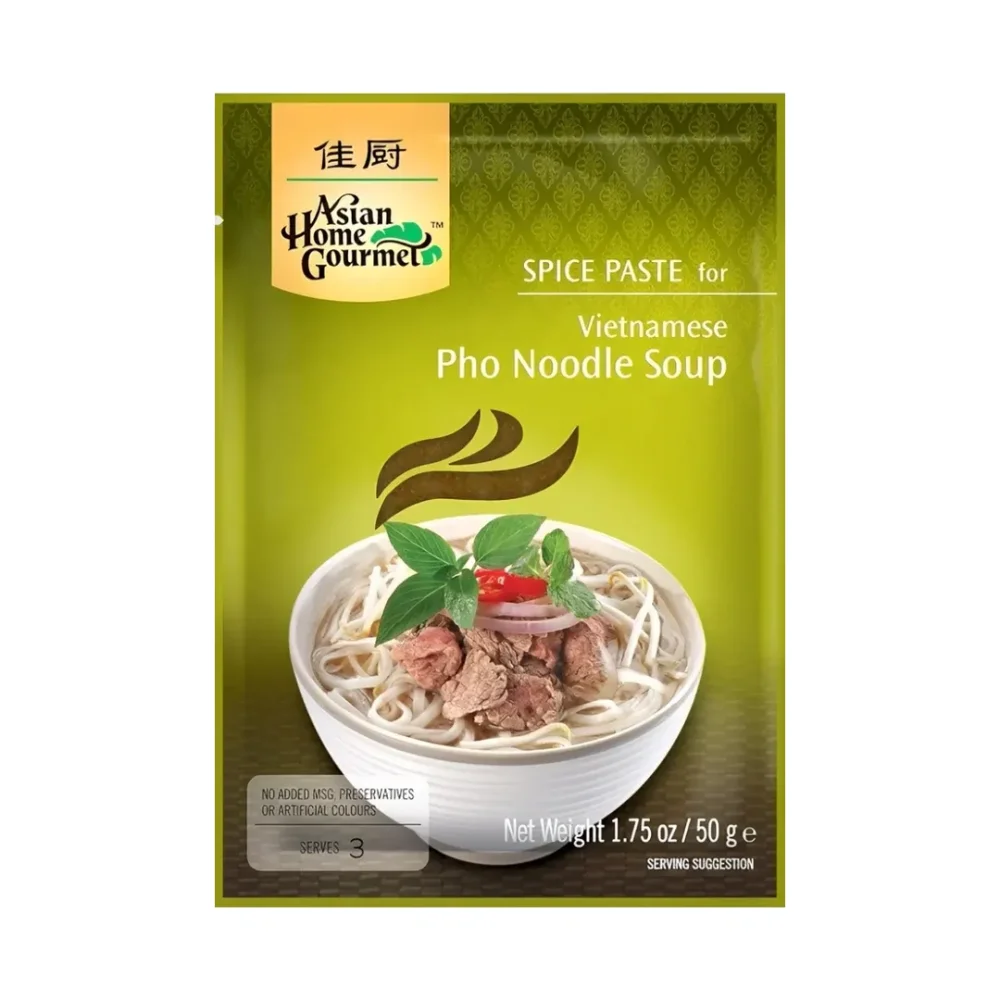
If you want to quickly build the flavor base of Vietnamese phở soup at home, AHG phở soup paste may come in handy – in that case, watch that the noodles don't become too soft unnecessarily in the hot broth.
Stir-fried and wok noodle dishes: emphasis on timing
For stir-fry dishes, you need noodles that tolerate stirring, contact with fat and sauce, and short aggressive heat. Wheat wok noodles, wider rice noodles, some ramen noodles for drier preparations, and glass noodles work well if you want a lighter, more elastic texture.
The key rule for wok: noodles must not be overcooked before placing in the pan. Otherwise, they easily fall apart when stirred and in contact with sauce. It helps to pre-cook just until they are still slightly firm and let them finish cooking in the pan.
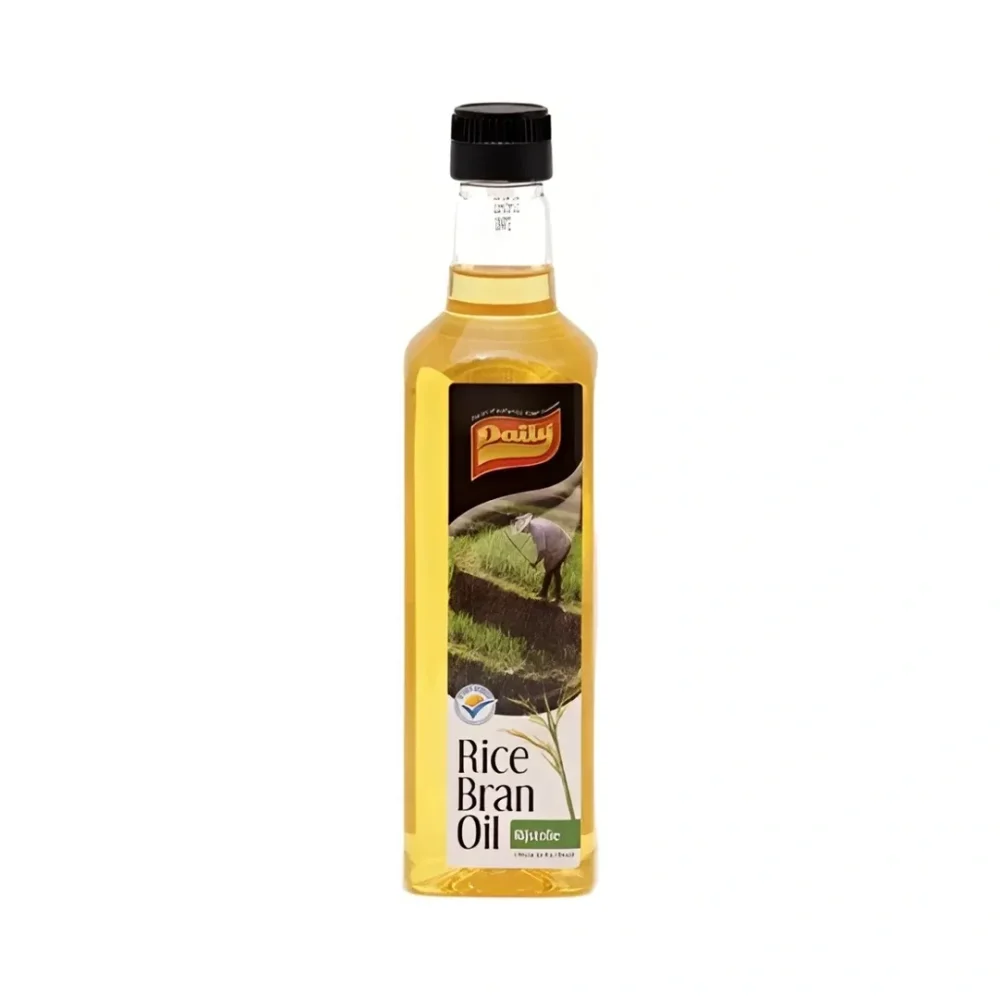
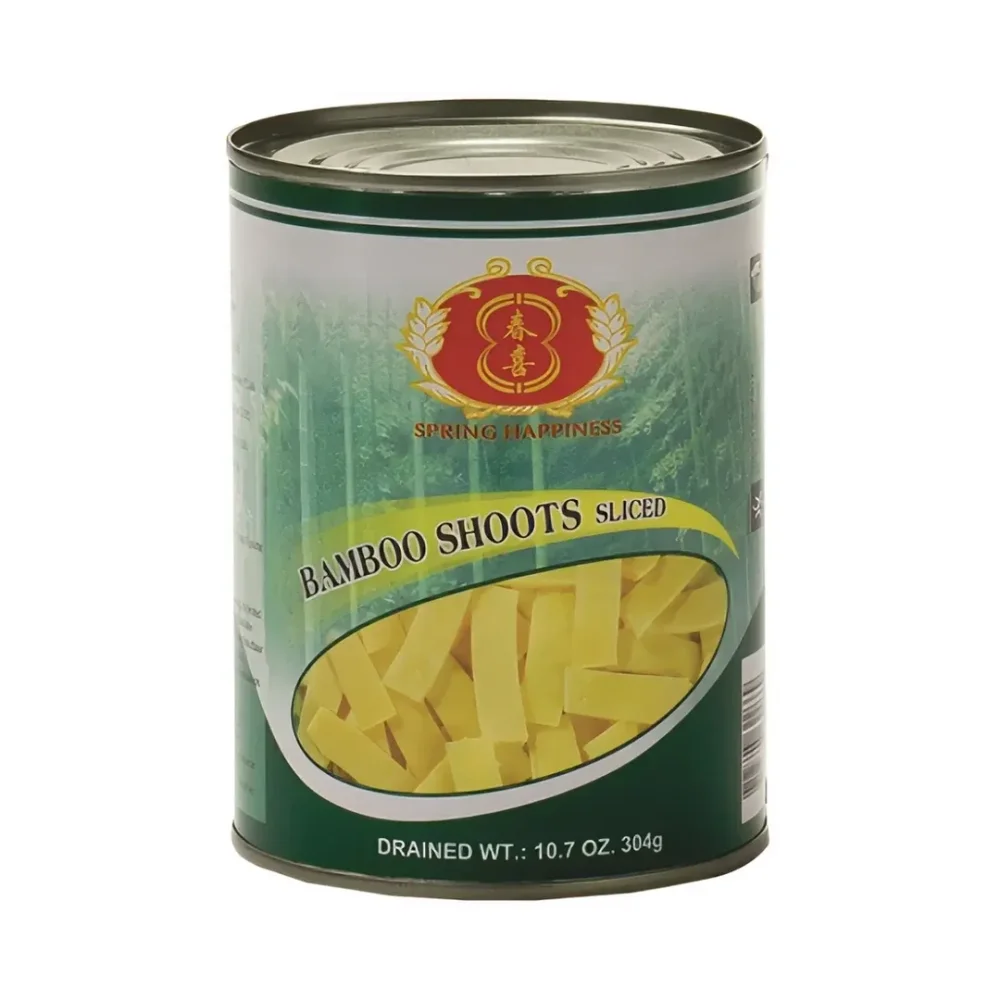
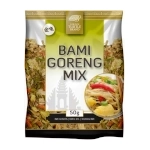
For stir-frying, a neutral oil that doesn’t overpower the taste of other ingredients is suitable – an example is Daily rice oil. And if you want to add a crunchy element that absorbs sauce well, often sliced bamboo shootswork.
Dry, mixed and 'dip' noodles: sauce as a partner, not a bath
For noodles served more 'dry,' it is important that they are not too wet and hold their structure. This often shows the difference between noodles that tolerate thicker sauce and those that quickly fall apart in it. A good mental test is the question: should noodles carry the sauce or swim in it?
If you are interested in more intense blends and quick flavorings for noodle dishes, it can be useful to select directly in the category of noodle pastes and spices – here, too, the same seasoning can work differently on wheat vs. rice noodles because they absorb liquid and fat differently.
Cold and seasonal noodles: texture after cooling
For cold dishes, noodles that keep their texture even after cooling are suitable. It is often helpful to rinse after cooking (typical for soba and somen) as this stops softening and improves texture clarity.
Cold noodles often get a final seasoning and toppings: sesame can add aroma even without long heat treatment, and toasted sesame significantly 'opens' the scent. If you use toasted sesame, it is good to watch that it is not old or over-toasted – otherwise, the flavor can be flat to bitter.
How to prepare noodles to hold shape: cooking vs. soaking and proper 'finishing' in the dish
General rule: the most common mistake is overcooking
With Asian noodles, it is very common that the final heat treatment continues after draining: in hot broth, in a pan with sauce, or even in a heated bowl during serving. Therefore, it is sensible to stop the first phase of cooking slightly before the final softness. The result is usually more elastic and noodles break less.
When to cook and when just soak
- Very fine rice noodles are often just soaked.
- Wider rice noodles are sometimes briefly boiled or blanched.
- Ramen, udon, soba and most wheat noodles are cooked.
- Glass noodles often require just pouring hot water over them or brief boiling.
Because the same label can differ in thickness and production style, it’s practical to watch not only the name but also the intended use and how noodles respond to soaking and cooking. In other words: choose the right type, not just the right category.
Rinsing after cooking: sometimes helps, sometimes harms
Rinsing after cooking is not a universal rule. It is mainly useful when you want to stop softening and work with a clean texture:
- for soba and somen for cold serving,
- for some rice noodles when you need to stop softening quickly,
- for noodles intended for salads.
On the contrary, in some soup or sauce applications you don't want to wash off all the surface starch and heat – precisely that can help connect noodles with sauce or broth.
How to recognize higher-quality noodles (and why it’s not just about price)
Quality is not automatically the same as price. Different noodle types look for different signals, but for dry noodles, a good sign generally is:
- clearly stated composition without 'chaos',
- a reasonably short list of ingredients,
- typical aroma of the ingredient when opened,
- good texture after cooking (not quick mush),
- ability to hold shape even after short time in sauce or broth.
For soba, the ratio of buckwheat to wheat is also important (if you want buckwheat flavor, read the composition). For ramen noodles, quality often shows in elasticity, resistance to overcooking, and clear 'bite.' For rice noodles, the rule is that with proper preparation, they remain elastic and separate, not mushy and falling apart.
Most common mistakes and how to fix them quickly
- Overcooking (and subsequent falling apart): if you know the noodles will go into broth or pan, end the first preparation earlier. This is essential for wok dishes.
- Wrong type of noodle for the dish: for soup, choose more durable noodles; for cold bowls, those that hold texture after cooling. Don’t rely only on the photo of the finished dish.
- Incorrect rinsing: if you want the sauce to bond better with noodles, rinsing can harm; when you need to stop softening (salad, cold bowl), it helps.
- 'Wet' wok dish instead of stir-fried (typically with pad thai): pad thai (Thai stir-fried rice noodles) is sensitive to timing and amount of liquid. A frequent problem is overcooking noodles, too wet sauce, and loss of contrast (acidity and strong seasoning). It helps to add liquid components gradually and watch that noodles are not fully soft before the pan.
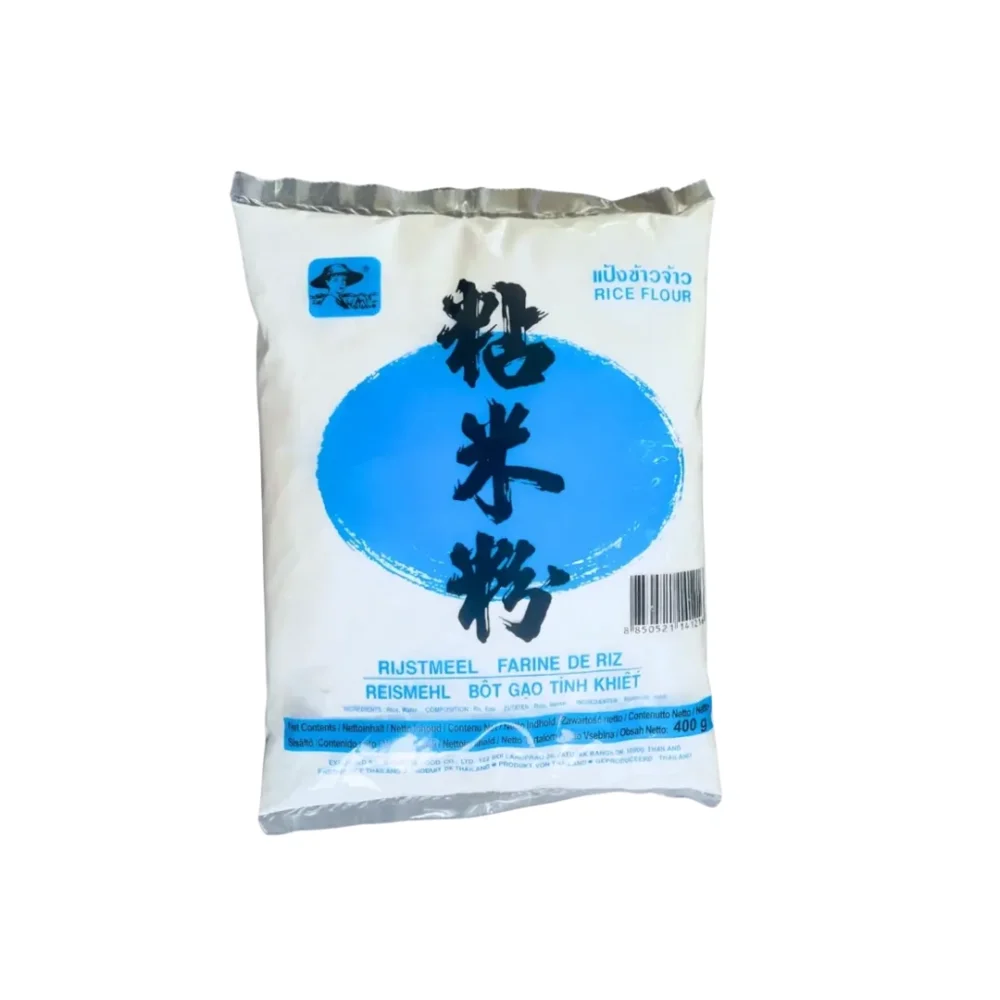
- Sauce is too thin and "runs off" the noodles: sometimes it helps to work with thickness. In such situations, rice flour is used as a gentle thickener – an example is Farmer Brand rice flour, which is good for thickening sauces and soups. (For thickening in general: the goal is for the sauce to coat the noodles, not run off them.)
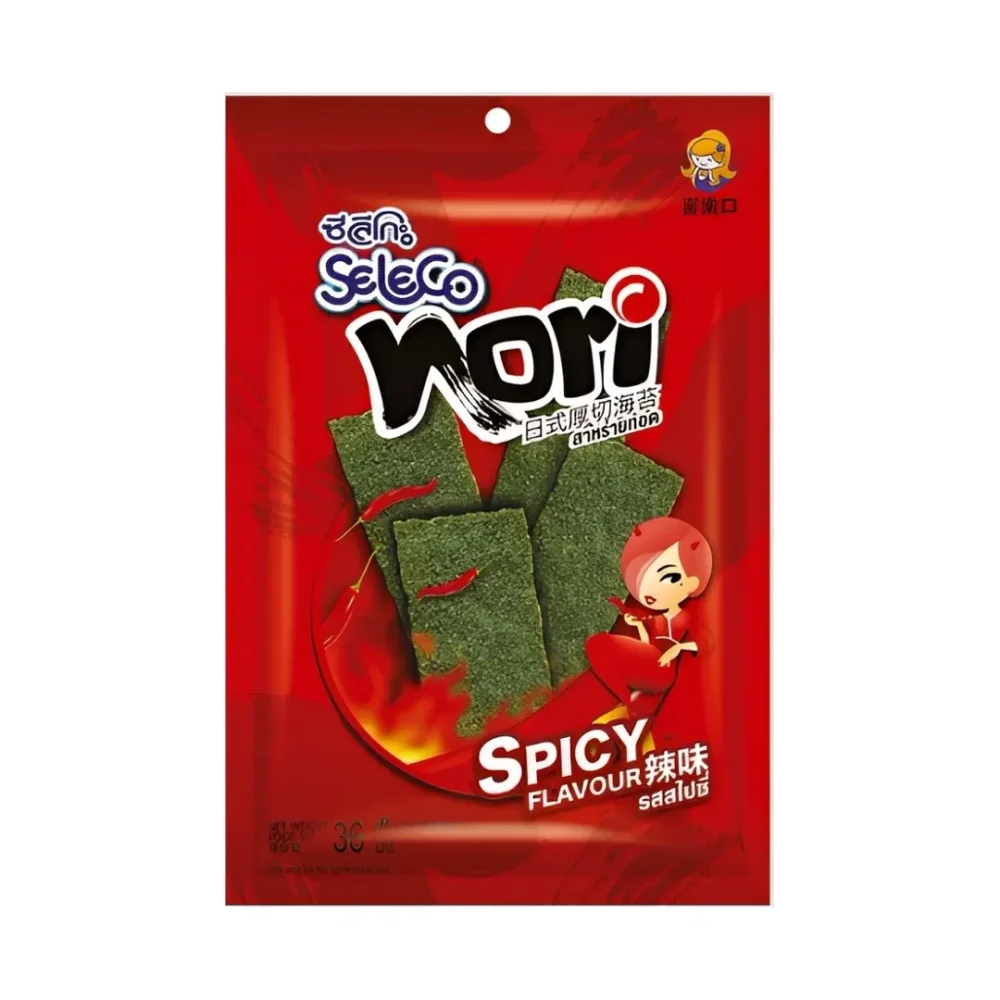
- Noodles "lack something" at the end: in noodle bowls, topping and final seasoning play a big role. If you want a quick crunchy element, a simple topping like seasoned spicy seaweedthat is added to rice, noodles, and soups, can work.
What to take away from the article
- Asian noodles are a big family – choose according to composition (wheat/rice/buckwheat/starch/konjac) and based on whether you cook a soup, wok, dry noodles, or cold bowl.
- The most common mistake is overcooking: noodles often "finish cooking" in broth, on the pan, or in the bowl.
- Cooking vs. soaking is not a minor detail – very fine rice noodles are often just soaked, glass noodles often need just pouring hot water, wheat types are typically cooked.
- Rinsing is not mandatory. It helps with cold noodles and salads but can harm where you want sauce or broth to bond well with noodles.
- Higher-quality noodles can be recognized mainly by texture after cooking and the ability to hold shape in sauce/broth – not just by brand or price.

Read next
If you want to explore this topic further, continue with these related blog guides and articles:
