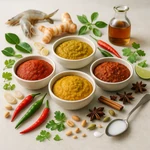
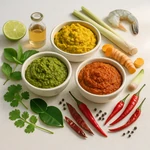
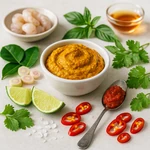
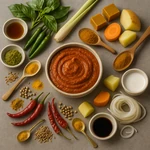
A practical guide to the five most common Thai curry pastes — red, green, yellow, panang, and massaman. I will explain the basic flavor profiles, when to choose each paste, how to use it at home, and what to watch out for when selecting and storing.
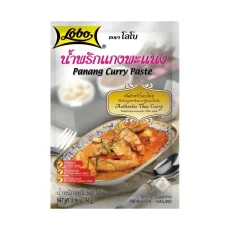
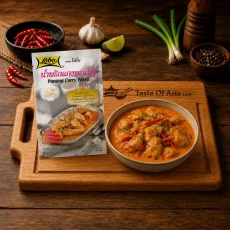
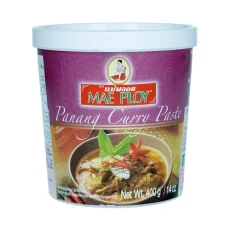
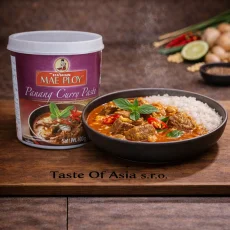
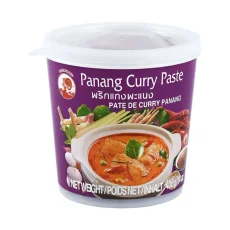
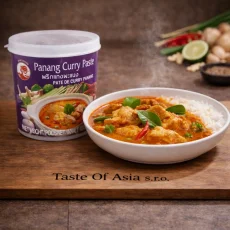
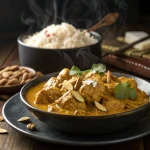
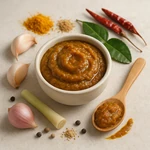
Panang curry is a Thai classic: rich coconut sauce, aromatic curry paste, and a gentle nutty depth that makes it feel luxurious without being complicated. This home-friendly version works with chicken, tofu, or seafood and comes together fast enough for a weeknight dinner.
Green, red, yellow, panang, massaman... In Europe, Thai curries are often described mainly by color, as if it were one sauce in several variations. In reality, these are different flavor systems based on different pastes, different aromatics, different "coconutiness" and suitability for both quick cooking and slow simmering. This guide will help you understand the differences and especially choose a curry that makes sense for your dish and taste.
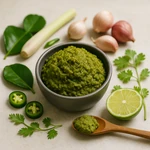
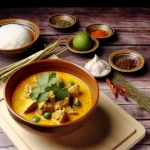
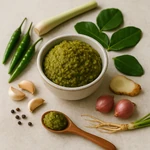
Thai green curry is one of those flavors that instantly fills the kitchen: fragrant herbs, lively chili heat, and a silky coconut base. Learn what “green curry” really means, how to handle curry paste for maximum aroma, and how to use it beyond a classic bowl of curry and rice.
"Curry paste" is not one universal ingredient. Different types of bases can be hidden under the same name – from Thai aromatic pastes (which are briefly sautéed in fat) to Indian curry bases or Japanese curry roux. In this guide, you will orient yourself mainly by the type of dish you want to cook and avoid the most common mistakes that lead to bland or "strangely" tasting curry.
Nyonya curry is a bold, coconut-rich curry from Peranakan (Straits Chinese) kitchens, where Chinese techniques meet Malay spices. This approachable version delivers a deep, aromatic sauce with a gentle tang—perfect with steamed rice or flaky roti.
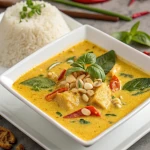
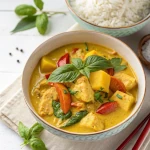
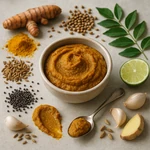
This Thai-style yellow curry is comforting, fragrant, and weeknight-friendly: rich coconut milk, tender chicken, and just enough heat from Nam Prik Kaeng curry paste. Serve it soupy over rice or simmer it down into a thicker curry—either way, it’s a bowl of pure warmth.
Chicken korma is a rich, gently spiced curry known for its velvety sauce made with yogurt, cream, and ground nuts. This approachable home recipe delivers a classic korma texture—fragrant, comforting, and mild enough for most spice levels.
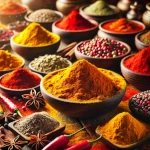
Curry spice is less a single seasoning and more a shortcut to layered flavour—warm, earthy, aromatic, sometimes spicy. Learn what “curry powder” really means, how it differs from curry pastes, and how to get the most from it in everyday cooking.
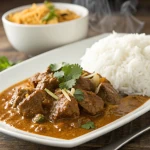
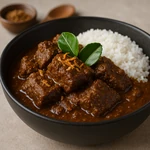
Rendang is Indonesia’s famous slow-cooked beef cooked down in coconut milk, aromatics, and warm spices until the sauce turns deeply concentrated and clings to every piece. It takes time rather than effort—and the reward is rich, fragrant comfort with a gentle (or fiery) chili kick.
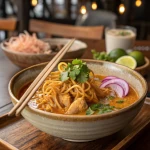
Khao Soi is a comforting Northern Thai curry noodle soup known for its creamy coconut broth, tender meat, and a crunchy noodle topping. This home-friendly version keeps the signature sweet-salty-spicy balance and the fun “mix-your-own” garnishes at the table.
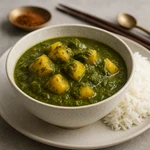
This spinach and potato curry is a comforting, meat-free dinner built around a simple curry paste base. Potatoes make it hearty, spinach brings color and freshness, and steamed rice soaks up the creamy sauce—perfect for an easy weeknight meal you can adjust from mild to spicy.
Chicken is one of the easiest proteins to flavor: it cooks quickly, absorbs aromatics well, and works in a pan, oven, or on the grill. The real question isn’t “which seasoning is best”, but which format and flavor style fits your dish—dry spice mix, curry paste, a ready-made sauce, or a quick marinade.
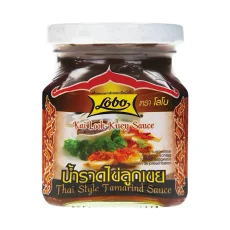
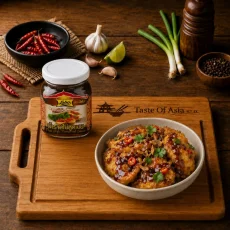
“Thai-style curry” is often a convenient label for a ready-to-use curry base inspired by Thai cooking—fragrant herbs, warm spices, and a gentle to medium heat that turns into a creamy sauce with coconut milk. Here’s what that wording typically means, how the taste differs from other curry pastes, and how to get consistently good results in everyday home cooking.
Colombo curry (often simply “colombo”) is a Caribbean-style spice blend that behaves a lot like curry powder—but with its own identity. Bloom it briefly in oil, simmer it with chicken, fish, or vegetables, and finish the dish with something creamy (often coconut milk) plus a bright squeeze of lime.
Rendang, korma, vindaloo, Thai curry or Japanese curry are often lumped together under one category "curry" in our country. But this label is rather indicative – and if you take it literally, you might easily pick the wrong base, season the sauce poorly, or expect a different taste and consistency. In this article, we clarify what is meant by "curry" (and related saucy dishes) in different parts of Asia, what the main families are, and how to start practically at home without unnecessary mistakes.
Curry is not a specific sauce or a single “typical” dish. In different parts of Asia, it means different ingredients, different techniques, and a different final flavor profile – from slowly built South Asian sauces through Thai curries based on pastes to Japanese curry thickened with roux. This guide will help you understand the main differences and choose your curry style based on what you expect from it.
Cookies
This site uses cookies to provide services, customize ads, and analyze traffic. Your consent to the use of cookies will significantly help us to improve our services. More information



 Česky (CZK)
 Slovensky (EUR)
 Deutsch (EUR)
 Austria
 Belgium
 Bulgaria
 Croatia
 Denmark
 Estonia
 Finland
 France
 Germany
 Greece
 Hungary
 Italy
Italy Latvia
 Lithuania
 Luxembourg
 Netherlands
 Poland
 Portugal
 Romania
 Slovenia
 Spain
Spain Sweden