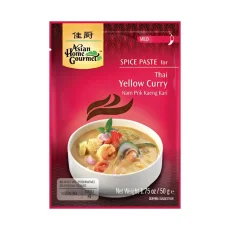
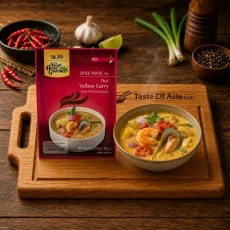
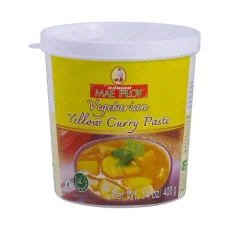
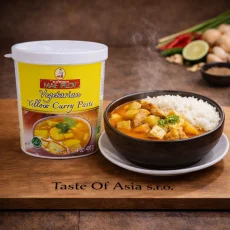
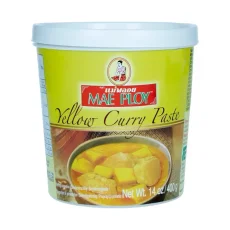
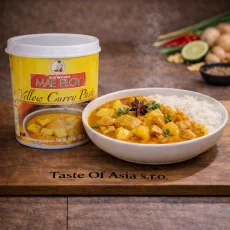
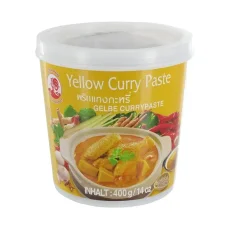
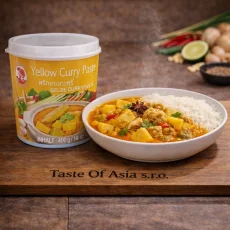
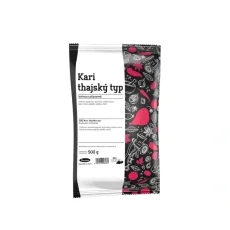
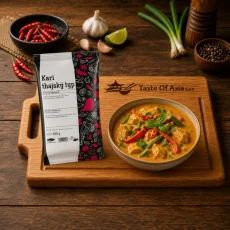
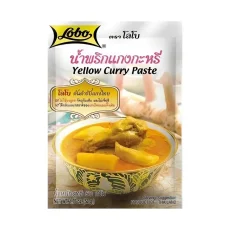
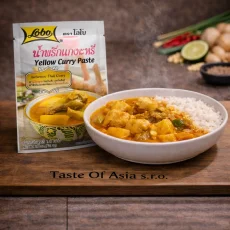
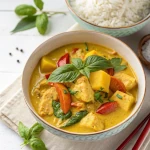
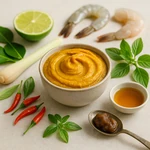
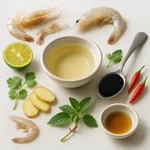
This Thai-style yellow curry is comforting, fragrant, and weeknight-friendly: rich coconut milk, tender chicken, and just enough heat from Nam Prik Kaeng curry paste. Serve it soupy over rice or simmer it down into a thicker curry—either way, it’s a bowl of pure warmth.
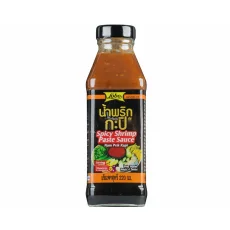
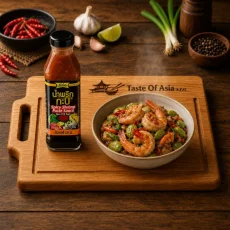
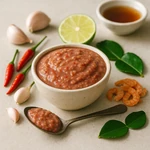
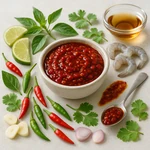
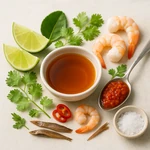
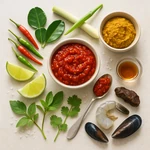
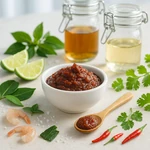
Nam Prik Kapi is a punchy Thai chili dip built around fermented shrimp paste, lime, and fresh chilies. A small spoonful adds salty depth, citrus brightness, and serious heat—perfect for turning plain rice, crisp vegetables, and simple fish or eggs into a complete, satisfying meal.
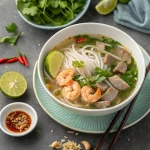
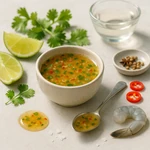
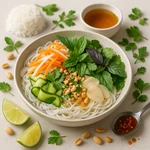
Hu Tieu Nam Vang is a light yet deeply savoury noodle soup built on a clear aromatic broth, tender pork, sweet prawns, and a generous pile of fresh herbs. This version keeps the process home‑friendly, with an optional shortcut for busy days.
"Chili" in Asian cuisine does not mean one universal sauce. Under the same word hide thin vinegar sauces for the table, thick fermented cooking pastes, fried and roasted mixtures with oil, chili oils, and coarse relishes. When you understand their role (not just spiciness), you will season more precisely and more often hit the flavor of a specific cuisine and dish.
Thai cuisine is often described through famous dishes like tom yum, green curry, or pad thai. However, this easily creates the impression that "Thai tastes like this" – and that’s it. In reality, Thailand is regionally distinctive: the same principle of balancing flavors (saltiness and umami, sourness, sweetness, spiciness, herbal freshness) is composed differently in various parts of the country. If you want to cook Thai food at home or just better understand dishes on a menu, regions are one of the shortest ways for the flavors to start making sense to you.
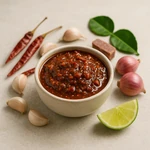
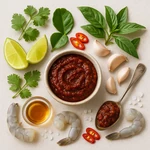
Maengda chilli paste is one of those Thai pantry shortcuts that can make plain rice, noodles, or a quick stir-fry taste “finished” in seconds. It’s not just about heat—its signature is a bold, lingering aroma and a concentrated savoury profile. Here’s what “Maengda” means, what to expect from the flavour, and how to use it well at home.
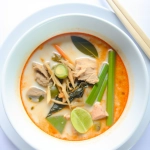
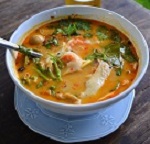
Tom Kha is a classic Thai soup built on coconut milk, fragrant herbs, and a bright lime finish. This home-friendly version delivers the signature creamy–tangy balance with chicken and mushrooms, plus practical tips so the coconut stays silky and the flavours stay clear.
The basic sauces of Asian cuisine are not just “something for seasoning.” In many dishes they form the very flavor backbone: they determine whether the result will be merely salty and flat, or deep, layered and flavorfully “anchored” in a particular cuisine. This guide will help you understand the roles of individual sauces, choose a sensible basic set for the home kitchen, and avoid the most common mix-ups.
You cook noodles or "something like" an Asian stir-fry, but the result is flatter, heavier, or flavor-wise indefinite – while in a restaurant it tastes clear and "lively." Often it is not one secret trick, but several repeated beginner mistakes: a poorly chosen style of cuisine, missing final seasoning, uncontrolled spiciness, and unfinished preparation of ingredients. In the article, we break it down into specific steps that can be done right at the next cooking.
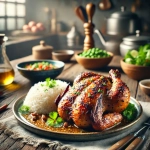
Kai Yang is Thailand’s iconic grilled chicken: deeply aromatic from garlic, coriander and lemongrass, juicy inside, and lightly charred outside. This recipe gives you a practical, grill-friendly method plus a quick Nam Jim Jaew dipping sauce to serve alongside sticky rice.
Chilli in Asian cuisine is not just a “test of courage.” In a balanced dish, spiciness is one layer of flavor – it can add energy, contrast, and depth, but only when you know what type of heat you are adding and what role a specific product plays. For a beginner, the key difference is between plain chilli, sambal, and curry paste.
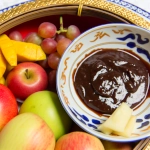
What is fruit dip and why is it so popular? Discover how it can add a new dimension of flavor to fruit! From fresh yogurt to creamy sweet varieties—get inspired and find out why fruit dips are a hit at every party and a favorite part of healthy snacks.
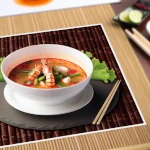
Tom Yum is Thailand’s famous hot-and-sour soup: aromatic lemongrass and kaffir lime leaves, a bright hit of lime, salty fish sauce, and as much chilli heat as you like. This recipe keeps the process simple while delivering the bold, restaurant-style flavour Tom Yum is known for.
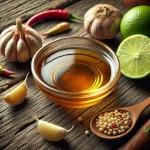
Vinegar in Asian cuisine is not an "extra sourness," but a practical tool that can enhance flavor, balance saltiness, and make the dish clearer. When you know when acidity should be part of the base and when it is just a final accent, you will decide much more confidently in sauces, dips, and marinades.
Fermented sauces and pastes are among the most important "flavor bases" in Asian cuisines: in small amounts, they can provide umami, depth, aroma, and the finished character of a dish. To work as they should, they need, besides proper use, reasonable home storage – especially after opening, when you work with them by teaspoons and drops.
Asian salads and cold dishes are not just a light side dish or "vegetables with dressing." In many cuisines, they serve as a full meal – based on freshness, herbs, acidity, umami base, chili, and especially texture. In this guide, you will clarify what is typical for cold Asian cuisine, what the main forms are (from rolls to cold noodles), and how to assemble a bowl at home so that it tastes complete, not just "mixed."
Fermentation is one of the key methods in Asian kitchens to create depth of flavor, umami, aroma, and a "finished taste" – often even in dishes that rely on only a few ingredients. This guide will help you navigate the main groups of fermented bases (from soy sauces through pastes to fish and marine ferments), understand their role, and avoid common mistakes in selection and use.
Cookies
This site uses cookies to provide services, customize ads, and analyze traffic. Your consent to the use of cookies will significantly help us to improve our services. More information



 Česky (CZK)
 Slovensky (EUR)
 Deutsch (EUR)
 Austria
 Belgium
 Bulgaria
 Croatia
 Denmark
 Estonia
 Finland
 France
 Germany
 Greece
 Hungary
 Italy
Italy Latvia
 Lithuania
 Luxembourg
 Netherlands
 Poland
 Portugal
 Romania
 Slovenia
 Spain
Spain Sweden