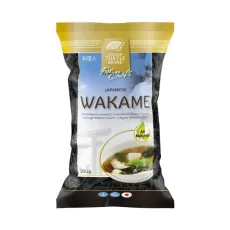
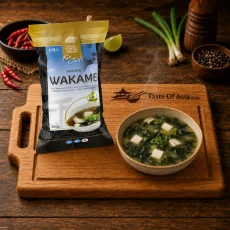
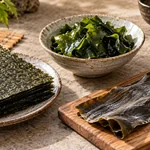
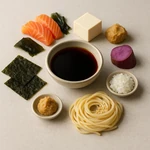
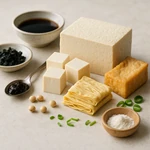
Dried seaweeds are the “silent engine” of flavor in many Asian cuisines: sometimes they form the base of broths and umami, other times they add crunch, color or a delicate ocean aroma as a finishing touch. Once you understand what nori, wakame and kombu are for, seaweeds stop being an exotic specialty and become a practical ingredient you can cook with at home simply and precisely.

Discover the power of the ocean on your plate! Seaweed brings unique flavors and nutritional properties to the kitchen. From sushi to soups, its uses are endless. Add this natural ingredient to your diet to boost your health and enrich your meals!

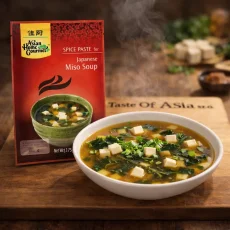
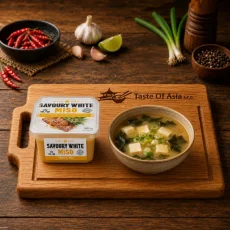
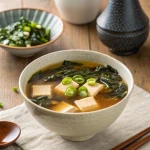
Miso soup is quick to make, deeply savory, and easy to customize. This recipe shows the traditional approach with kombu and katsuobushi dashi, plus tofu and wakame—perfect as a light breakfast, starter, or side for a Japanese-style meal.

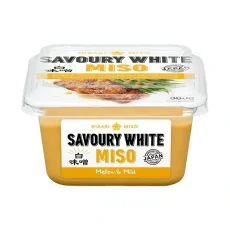
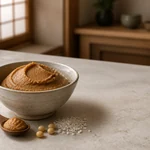
Miso paste is one of the basic building blocks of Japanese cuisine.

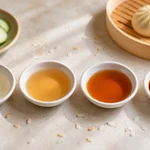
Where did the vinegar come from? What are the typical vinegars in Asia and how are they used?

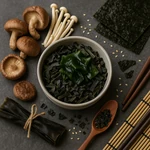
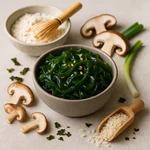
Mushrooms and seaweeds in many Asian cuisines are often not the “main star” of the plate. All the more important they can be: they provide umami, build the depth of a broth, add springiness or crunch, and sometimes function only as a small but crucial finishing element. When you understand the role they should play in a dish, you will be able to choose and use them much more confidently – and often extract flavor without aggressive salting.

“Special” ingredients in Asian cuisine are often not extravagances but practical flavor building blocks: they add umami, interesting texture, or just a subtle contrast at the end. When you know what function to expect from them, they stop being unclear and start being useful. This guide will mainly walk you through seaweed and mushrooms (including dried) and show a few typical pitfalls people encounter when choosing.

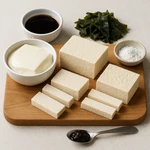
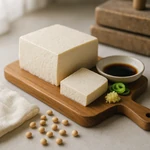
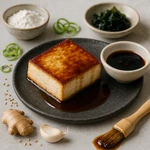
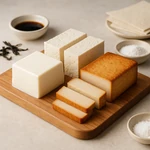
Tofu is not a one-size-fits-all block. The differences between smooth silken tofu and firm tofu are crucial in the kitchen – they determine whether tofu will create a creamy texture in soup or withstand the pan, marinade, and grill. In this guide, you'll learn how tofu is made, what its main types are, and how to choose the right one based on the dish you want to cook.

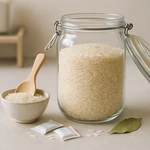
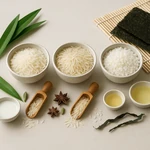
In many Asian cuisines, rice is not just a "side dish" but the foundation around which the whole meal is built. That is why it makes sense to store it so that it remains dry, fragrant (for aromatic types), and above all consistent when cooking. In the article, you will find a practical system for the home pantry, guidance on rice types, and the most common mistakes that lead to bland taste or unexpected texture.

In many Asian cuisines, rice is not "just a side dish," but the center of the entire meal. In this overview, you will clarify the main types of rice dishes (bowls with toppings, mixed dishes, fragrant flavored rices, and festive layered dishes) and understand why texture and aroma of the rice are as important as what lies on top.

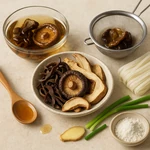
Dried mushrooms in Asian cuisine are not just a "reserve for worse times." They often function as a standalone ingredient with their own aroma and texture – typically shiitake. The article includes a practical soaking procedure (including cold vs. warm water), working with soaking water, and tips on how to get maximum flavor from mushrooms in broths, soups, and pan dishes.

"Good tofu" is not universally the firmest or the softest. You recognize quality mainly by whether a particular tofu corresponds to what you need from it in a dish: a different type fits soup, another for the pan, and another for cream or dessert. The article explains clear differences between silken and firm tofu and practical signs to identify a quality piece right after opening and during cooking.

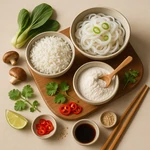
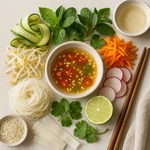
Light and balanced Asian dishes are not “diet versions” of classics or flavorless meals. In many parts of Asia, lightness is a natural result of how a dish is composed: what forms the base (rice or noodles), what carries the protein, what adds freshness, acidity, texture, and how a sauce or broth is used so that the ingredients are not overwhelmed.

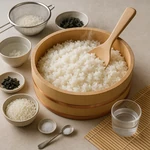
Rice in Asian cuisines is often not just "something to go with the main dish" – it is the foundation upon which the rest of the dish is built. If you choose the wrong type, the sauce won't soak in, the bowl is hard to eat with chopsticks, or the planned fried rice turns into mush. In this guide, you will quickly get oriented in rice types and especially how to select them according to the specific dish.

Tofu often tastes "bland" on first try – and that is its strength. If you choose the right type (soft for soup vs. firm for pan) and base the flavor on a good sauce and texture, it starts working as an excellent carrier for marinade, spices, and umami. In the article, we will show you how to navigate tofu, the common mistakes that ruin the result, and what to do to make tofu really taste good at home.

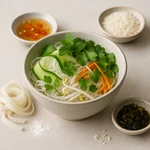
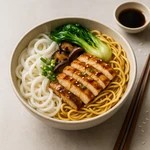
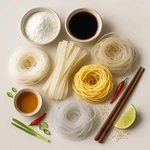
Noodles are a broad family of ingredients in Asian cuisine – and each works differently. When you reach for "some noodles," it often ends up that they get soggy in the broth, break in the wok, or lose texture after cooling. In this guide, we'll show you what to look for in a recipe, how to decide based on the type of dish (ramen, phở, pad thai, stir-fry, cold bowls), and what to watch out for during preparation to ensure the result tastes and looks just right.

"Low-fat" Asian food often does not mean tasteless food or a small portion. In many Asian cuisines, lightness is achieved differently: through broth, herbs, acidity, smart seasoning, and a good ratio of rice or noodles to vegetables and other components.

Tofu is not a single universal "block" that fits everywhere the same. The difference between soft (silken/soft), firm (firm/extra firm), and flavored varieties like smoked tofu lies mainly in texture, water content, and how tofu tolerates stirring, frying, and how quickly it absorbs the flavor of sauces. In this guide, you will compare the basic types and get practical rules to choose the right tofu for soup, wok, or a quick rice bowl.

Japanese cuisine is not uniform in taste. Besides shared principles (respect for ingredients, seasonality, purity of flavors), there are important regional differences based on climate, proximity to the sea and mountains, and historical availability of ingredients. In this guide, you will clarify the main areas and how to recognize them even when cooking at home.

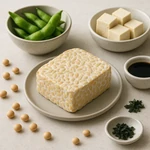
Soy products are not just one "protein cube" in different packages. From the same crop comes delicate tofu, fresh edamame, soy milk, and also distinctive fermented products like tempeh – and each behaves completely differently in the kitchen. In this article, you will clarify the differences, typical uses, and the most common mistakes that lead to disappointment.

Asian noodles are not a single universal ingredient, but a large family of products. They differ in base (wheat, rice, buckwheat, starch, konjac), thickness, elasticity, and how they react to broth, sauce, or quick stir-frying. When you know what to expect from noodles, you will choose much more easily—and stop struggling at home with clumped or overcooked "mash."

"Rice is just rice" does not work in Asian cooking. The same pot and the same method will sometimes give you a fragrant, tender side dish for curry, other times a mushy mess, or on the contrary dry separate grains that don't suit the dish. In this guide, you will clarify how to choose rice and cook it at home so that it has the right aroma, cohesion, and texture – for jasmine, basmati, sushi, and sticky rice.

Tofu is not just one “white cube” and soy products are not a single universal meat substitute. From the same raw material – soy – both delicate, neutral ingredients (tofu, soy milk) and distinctive fermented products (tempeh, miso, soy sauces) are made. However, they behave completely differently in the kitchen. This guide will help you choose the right type for a specific dish, understand textural differences, and avoid the most common mistakes.