


 Česky (CZK)
 Slovensky (EUR)
 Deutsch (EUR)
 Austria
 Belgium
 Bulgaria
 Croatia
 Denmark
 Estonia
 Finland
 France
 Germany
 Greece
 Hungary
 Italy
Italy Latvia
 Lithuania
 Luxembourg
 Netherlands
 Poland
 Portugal
 Romania
 Slovenia
 Spain
Spain Sweden










Pandan
Products
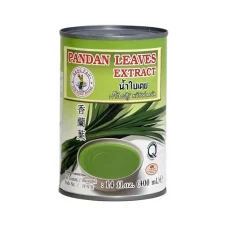
Nang Fah Pandan Leaf Extract 400 ml
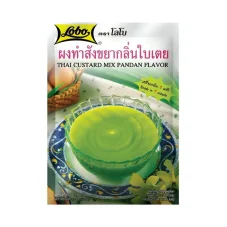


Lobo Thai Custard with Pandan flavour 120 g
Articles
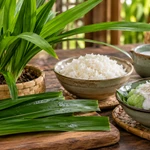
Pandan plant
Discover the secrets of this exotic plant that will give your dishes a unique aroma and flavor. Immerse yourself in the fascinating history, uses, and recipes featuring pandan, which will open up new gastronomic horizons!
Custard
Discover the delicious world of custard—a creamy dessert that has won the hearts of gourmets around the world! What is the history of this silky temptation, where did it come from, and how did it become part of our favorite desserts? Read more about how custard is used in cooking and get inspired to make it at home!
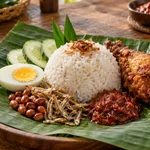
Nasi Lemak (Malaysian Coconut Rice) with Sambal, Anchovies & Peanuts
Nasi lemak is Malaysia’s iconic comfort meal: fragrant coconut rice served with spicy sambal, crunchy peanuts, salty fried anchovies, cucumber, and egg. This home-friendly version keeps the classic balance of creamy, hot, sweet, and crisp—perfect for brunch, lunch, or a quick “rice bowl” dinner.
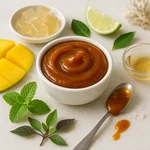
Syrups, fruits, and sweet ingredients in Asian desserts: how to understand them and how to use them
Asian desserts often don't rely on baking and butter creams but on smart combinations of textures, temperatures, and "sweet pantries": preserved fruit, syrups, pastes, and creams. In this guide, we will clarify why fruit in syrup is a full-fledged ingredient, what role syrup plays as an ingredient (not just a sweetener), and how to assemble your first simple desserts at home so they work in flavor and texture.
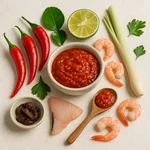
Typical Malaysian ingredients: how to recognize the "Malaysian" taste and how to recreate it at home
Malaysian cuisine is not a single uniform "national taste," but a practical mix of several traditions that meet and often blend in one territory and often even in one dish. This makes it all the more important to recognize the ingredients that keep reappearing in Malaysian cooking: rice and noodles, coconut, chili and sambal, aromatic herbs, tamarind and lime, and pronounced fermented marine components. In this article, we will arrange them according to their function, explain the differences, and add specific tips on how to start with them without unnecessary mistakes.
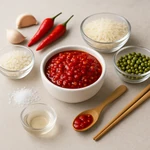
How to choose Asian ingredients: by function, not by impression
A good Asian ingredient is not automatically the most expensive one or the one with the "most authentic" packaging. In home cooking, it is much more important whether you have chosen the right type for a particular dish (and whether you understand what the ingredient does in the dish). This guide summarizes practical rules that will help you decide more confidently about sauces, pastes, rice, or tofu – and with less risk of disappointment.
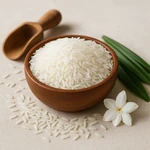
Hom Mali Jasmine Rice: Thailand’s Fragrant Classic That Elevates Any Meal
Hom Mali is the jasmine rice people remember: naturally fragrant, gently sweet, and soft without turning mushy. Learn what “Hom Mali” really means, how it differs from other rice styles, and how to cook it so the aroma and texture shine—whether you’re serving curry, stir-fry, or a simple bowl with herbs and lime.
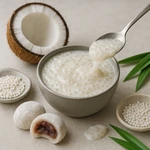
Texture of Asian desserts: why it matters and how to “read” it at home
With Asian desserts, it's often less about how sweet they are and more about how they feel in the mouth: springy, chewy, jellied, creamy, icy, or crunchy. This article will help you understand the most common textures, why they occur, which ingredients and techniques create them — and, most importantly, how to use texture to guide your choices and first attempts at home.
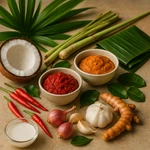
Typical Singaporean ingredients: what makes laksa, nasi lemak, and hawker dishes flavorful
Singaporean cuisine originated in a port city where different communities and their techniques have long met. Therefore, you won't find a single "national" pantry here, but a functional mix: rice and noodles, coconut, chili and sambal, soy and fish umami seasonings, aromatics like garlic and ginger – alongside ready-made pastes that have a clear role in specific dishes. In the article, you'll sort out what is typical for Singapore, what the main variants are, and how to start with these ingredients at home without unnecessary mistakes.
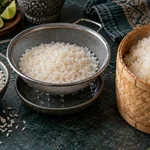
Sticky rice
Discover the secrets of sticky rice! Do you know how this type of rice changes traditional dishes? Read about how it is grown, prepared, and used in selected Asian specialties.
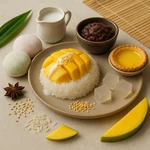
Asian desserts: what to expect from them (and why their texture will surprise you the most)
Asian desserts often can't be squeezed into familiar categories like “cake,” “pudding,” or “cookie.” Instead of heavy buttery pastries, they feature rice, coconut, starches, legumes, fruit, syrups, and especially texture – elastic, gel-like, pearl-like, or icy. This guide will help you understand what is typical for Asian sweets, the main dessert families, and how to practically navigate them.
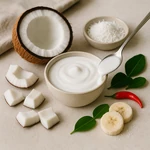
How to work with coconut in savory and sweet dishes: milk, cream, desiccated coconut and oil
Coconut in the kitchen does not mean “one ingredient.” Under the same word are hidden coconut milk, cream, concentrated creams, desiccated coconut, oil, sugar and other products – and each behaves differently. In this guide you will clarify the differences, learn to read labels and gain practical rules for how to use coconut in curry, soups and desserts so that the food is neither watery nor excessively “coconutty.”
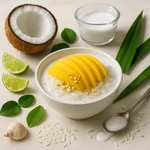
Coconut and rice desserts across Asia: how to navigate flavors and textures
Coconut and rice are among the most common "building blocks" of Asian desserts – but it’s not just about taste. In many countries, texture is equally important (and often more so): the elasticity of mochi, the slipperiness of tapioca pearls, firm agar jelly, or the icy layer of shaved ice desserts. This article provides an overview of the main types of coconut and rice sweets across Asia and practical tips on how to quickly understand them at home.
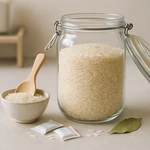
How to store rice at home: to preserve its aroma, taste, and predictable texture
In many Asian cuisines, rice is not just a "side dish" but the foundation around which the whole meal is built. That is why it makes sense to store it so that it remains dry, fragrant (for aromatic types), and above all consistent when cooking. In the article, you will find a practical system for the home pantry, guidance on rice types, and the most common mistakes that lead to bland taste or unexpected texture.
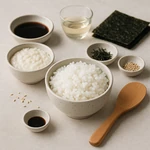
Coconut rice vs. sushi rice: why rice itself makes a difference in “ready” rice dishes
In Asian cuisines rice is often not “something for the sauce,” but the very framework of the dish. With coconut rice (typically nasi lemak style) and sushi rice you can clearly see how dramatically flavor, texture and even what we consider a finished meal can change—simply depending on which rice you choose and how you treat it.
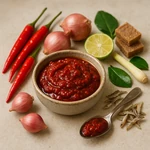
The taste of Malaysian cuisine: how to recognize it, why it is so diverse and how to build it at home
Malaysian cuisine cannot be reduced to one “typical” flavor. It is a living mix of Malay, Chinese, Indian, Peranakan and local Bornean influences – and you will often find them all on one plate. In this guide we will show you how to reliably recognize Malaysian taste, how it differs across dishes and regions, and how to practically construct its most important flavor pillars at home.
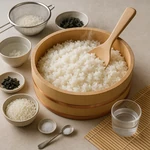
How to cook Asian rice correctly: grain type, texture, and methods for jasmine, basmati, sushi, and sticky rice
"Rice is just rice" does not work in Asian cooking. The same pot and the same method will sometimes give you a fragrant, tender side dish for curry, other times a mushy mess, or on the contrary dry separate grains that don't suit the dish. In this guide, you will clarify how to choose rice and cook it at home so that it has the right aroma, cohesion, and texture – for jasmine, basmati, sushi, and sticky rice.
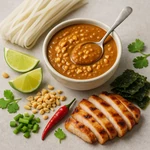
Street food style at home without complicated preparation: how to achieve bold flavor and proper texture
“Street food style at home” is not about copying stalls to the last detail. It’s about understanding why Asian street food works: speed, clear flavor, sauces and final seasoning, contrast of textures, and serving immediately without unnecessary complexity. The article contains a practical guide on how to transfer this logic to the home kitchen – even if you don’t cook from scratch.
