


 Česky (CZK)
 Slovensky (EUR)
 Deutsch (EUR)
 Austria
 Belgium
 Bulgaria
 Croatia
 Denmark
 Estonia
 Finland
 France
 Germany
 Greece
 Hungary
 Italy
Italy Latvia
 Lithuania
 Luxembourg
 Netherlands
 Poland
 Portugal
 Romania
 Slovenia
 Spain
Spain Sweden










Paneer
Products
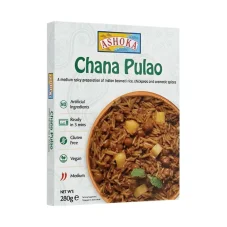
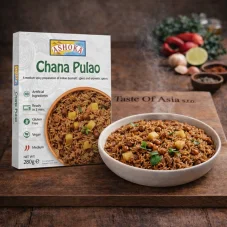
Ashoka Instant Chana Pulao 280 g
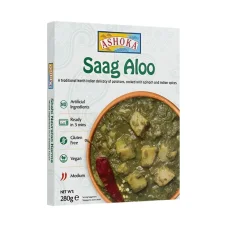
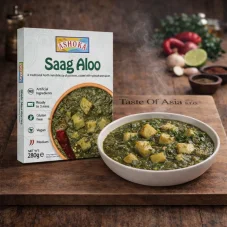

Ashoka Instant Saag Aloo 280 g
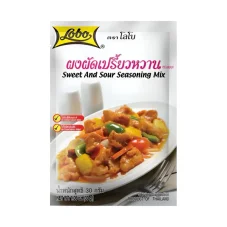
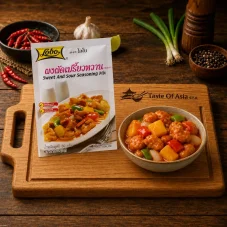


Lobo Mix for Sweet and Sour sauce 30 g
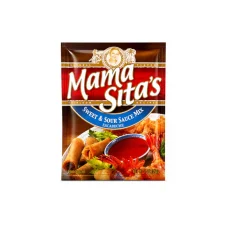
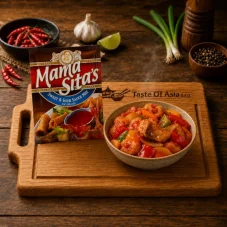
Mama Sita 's Mix for sweet and sour sauce 57 g
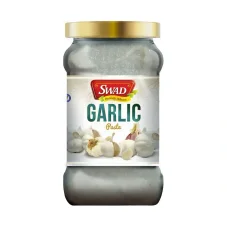
Swad Garlic paste 300 g
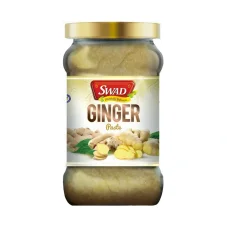
SWAD Garlic paste with ginger 300 g
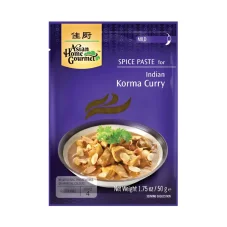
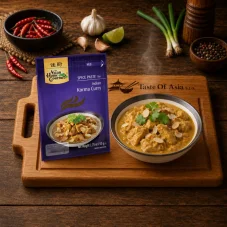
AHG Paste Korma curry 50 g
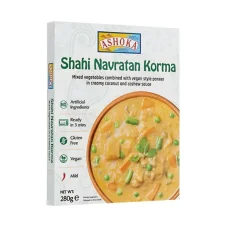
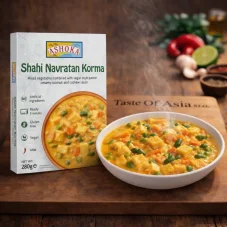
Ashoka Instant Shahi Navratan Korma 280 g
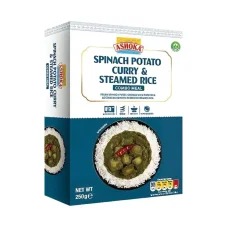
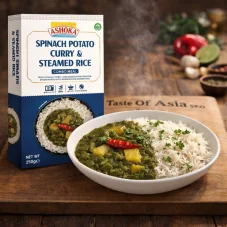
Ashoka Spinach curry with potatoes and steamed rice 250g
Articles
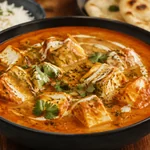
Recipe for Paneer Makhani
Let's cook a delicious paneer makhani together that will delight every foodie!
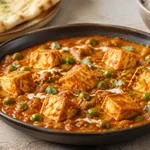
Recipe for Matar Paneer
Try this delicious recipe for Matar Paneer, a tasty Indian dish that will warm you up and delight your taste buds!
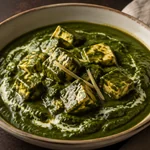
Recept na Palak Paneer
Prepare delicious Palak Paneer at home and discover the delicious combination of spinach and cheese in Indian style!
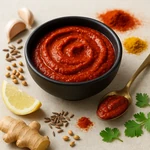
Tandoori Masala: the spice blend that brings authentic Indian flavour to meat and vegetables
Tandoori masala is a bold Indian spice mix made for high heat: aromatic, warmly spiced, and often gently hot. Combine it with yogurt and citrus for a quick marinade that works just as well in a home oven or on the grill as it does in a traditional tandoor.
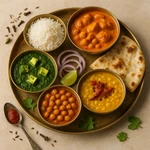
Typical Indian dishes: how to understand dhals, "curry", tandoori and street food
"Typical Indian food" does not have a single form. Indian cuisine is a family of regional styles – from delicate legume dhals through various sauce styles (korma, vindaloo, rogan josh, palak paneer, chole) to tandoori and the essential world of street snacks. In this guide, you will get clarity on the most typical groups of dishes, regional differences, and especially how to practically start with Indian flavors at home.
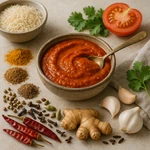
How to Start with Indian Cuisine: The First Directions, Key Ingredients, and Dishes to Understand It
Indian cuisine is not just one "typical" flavor but a whole map of regional styles – from delicate lentil dhals to fragrant rice plates and hearty sauces and marinades. If you want to start at home, the quickest way isn't to buy dozens of spices but to understand a few basic directions, one key technique (tadka), and choose a few initial dishes that teach you principles, not just one recipe.
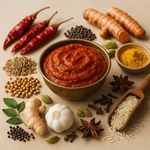
Typical Indian ingredients: their role in food and how to recognize them
Indian cuisine is not a single unified tradition, but a broad family of regional styles. That's why it's worth looking at "typical Indian ingredients" as practical building blocks: what forms the base (rice, breads, legumes), what gives the dish richness (ghee, yogurt, paneer), what builds aroma (spices, aromatics), and what provides an important contrast (for example tamarind). The article provides an overview of key ingredients, their functions, and concrete advice on how to start using them at home without unnecessary mistakes.
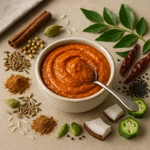
North and South India in the kitchen: how to recognize the difference on the plate and what to cook at home
"Indian cuisine" is not one taste or one sauce. For a European home cook, however, the division into north and south is one of the most practical reference points: it helps to understand why sometimes bread and a creamier sauce make more sense, other times rice, coconut, and a more pronounced acidity. This article will show the main differences, what both directions have in common, and how to bring them into everyday home cooking without unnecessary shortcuts and mistakes.
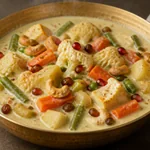
Recipe for Shahi Navratan Korma
A great recipe for the Indian dish Shahi Navratan Kormac
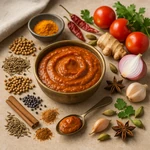
Taste of Indian cuisine: how to recognize it and create it at home
"Indian taste" is not one universal sauce nor a synonym for spicy food. Indian cuisine is a broad family of regional styles – from delicate legume dishes through tandoori breads and marinades to rice dishes with tamarind, coconut, and curry leaves. In this article, you will clarify what typically makes up Indian taste, how the north differs from the south, and how to build it in practice even without "pouring all the spices of the world" into the pot.
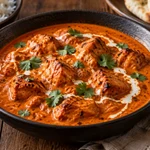
Murgh Makhani (Butter Chicken) Recipe: Creamy Tomato-Butter Curry at Home
Murgh Makhani—often called Butter Chicken—is a classic North Indian curry built on tender chicken, a velvety tomato sauce, warm spices, and a buttery finish. This home-cook friendly version keeps the flavor authentic while giving you practical options for the oven, pan, or grill.
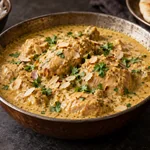
Chicken Korma Curry (Creamy, Mild Indian-Style Curry)
Chicken korma is a rich, gently spiced curry known for its velvety sauce made with yogurt, cream, and ground nuts. This approachable home recipe delivers a classic korma texture—fragrant, comforting, and mild enough for most spice levels.
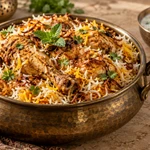
Indian Chicken Biryani Rice (Layered, Aromatic & Restaurant-Style at Home)
Biryani is the iconic Indian layered rice dish where fragrant basmati, warmly spiced meat, and caramelized onions come together in one pot. This home-friendly version keeps the classic “par-cook, layer, steam” method—so you get fluffy grains and deep flavor without complicated equipment.
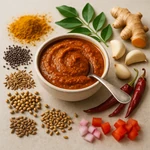
Madras Curry: a Spicy Indian Classic and Easy Ways to Use It at Home
Madras curry is one of the boldest “curry” styles you’ll find in European shops: warming spices, a lively chilli kick, and an aroma that instantly signals comfort food. Here’s what the label usually means, what flavours to expect, and how to turn Madras curry powder or paste into weeknight meals without overthinking it.
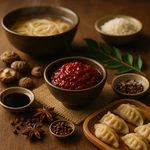
Inland cuisines of Asia: why they are richer, grain-based, and built on broths
When you say “Asian cuisine,” many people mainly imagine coastal flavors – fish sauce, seafood, or coconut. However, a large part of Asia is inland, mountainous, or steppe, and it is precisely there that cooking styles developed that rely on grains (both rice and wheat), doughs, dumplings, long-simmered broths, and bold seasoning. In this article, we will clarify what “inland Asia” means in cooking, what the main differences are (mainly along the China–India axis), and how to build a usable foundation for home cooking from these principles.
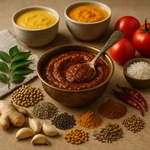
Indian curry: basics and main styles (and how not to get lost in them)
"Indian curry" is not one recipe nor one universal sauce. It is a broad family of saucy dishes and techniques that vary from region to region and household to household. In this guide, you'll clarify terms (curry vs. curry powder vs. masala), understand the main Indian directions, and most importantly: you will learn how to practically choose the right base and set your expectations so that the result tastes exactly how you want.
