


 Česky (CZK)
 Slovensky (EUR)
 Deutsch (EUR)
 Austria
 Belgium
 Bulgaria
 Croatia
 Denmark
 Estonia
 Finland
 France
 Germany
 Greece
 Hungary
 Italy
Italy Latvia
 Lithuania
 Luxembourg
 Netherlands
 Poland
 Portugal
 Romania
 Slovenia
 Spain
Spain Sweden










gochugaru
Products
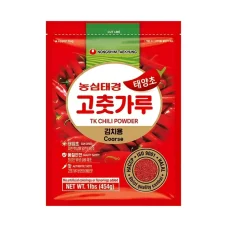
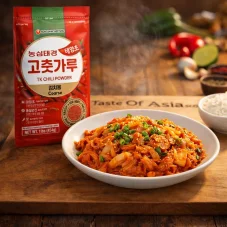
Nongshim Coarsely Ground Chili Pepper Gochugaru 454 g
Articles
Korean BBQ
Discover the magic of Korean BBQ! With delicious sauces and tasty side dishes, you'll enjoy an unforgettable grilling experience full of flavors you'll love.
Taste of Korean cuisine: how spiciness, fermentation, rice, and “jang” work in practice
Korean cuisine is not just about spiciness and kimchi. We will explain the layers of flavors that make up Korean dishes – fermented bases (jang), types of spiciness, the role of rice, and working with textures – and provide specific, practical advice on how to safely put this together at home.
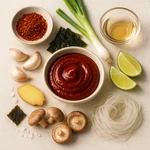
How to Start with Korean Cuisine: First Dishes, Basic Flavors, and Mistakes That Hold You Back
Korean cuisine can seem "wild" – spicy, fermented, and full of new names. In reality, however, it is very logical: it is based on rice, soups, smart fermented foundations, and small side dishes that balance flavor and texture. In this guide, you will clarify what is typical for Korea, which basics make sense to acquire first, and how to cook your first Korean week at home without unnecessary mistakes.
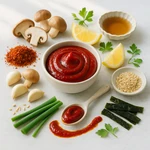
Typical Korean ingredients: how to understand “jang”, chili, and fermented bases
Korean cuisine is not just "spicy and kimchi." It is built on a thoughtful use of fermented bases, contrasts of flavors, and the harmony of rice, soup, and several smaller side dishes at the table. In this guide, you will clarify which ingredients make the Korean flavor Korean, what functions they have in the food, and how to select and use them at home without unnecessary mistakes.
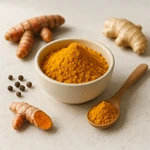
Ground Turmeric: How to Use It, What to Pair It With, and How to Get the Best Flavor
Ground turmeric is easy to recognize by its bold golden color—but its real value is the warm, earthy depth it adds to food. Used well, it can bring rice, vegetables, soups, and curries together into a cohesive, aromatic dish. Here’s how to cook with turmeric so it tastes rounded (not bitter), when to add it, and which flavor pairings make it shine.
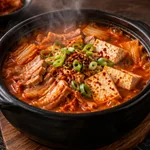
Kimchi Soup (Kimchi Jjigae) with Pork and Tofu
Kimchi soup is the kind of Korean comfort food that tastes bigger than its ingredient list: tangy, spicy, and deeply savory. This version uses pork and tofu for a hearty bowl you can cook on a weeknight—especially if you have well-fermented kimchi in the fridge.

Brown rice chili paste
Discover the unique flavor of brown rice chili paste! This article will guide you through the world of exotic flavors and show you how this spicy ingredient can spice up your favorite recipes. Read on to find out how it's made, where to use it, and why you should try it!
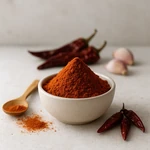
Smoked Sweet Paprika (Ground): How to Use It
Smoked sweet paprika is one of those spices that can make a simple meal taste like it spent time over charcoal. It brings gentle pepper sweetness, a warm red hue, and a distinct smoky aroma—without needing a grill. Here’s how to use it well, what it pairs with, how to avoid bitterness, and smart ways to fold it into Asian-style dishes.

Typical Korean dishes: how to understand them by rice, noodles, soups, and street food
Korean cuisine is often presented as a list of “iconic” names. For practical orientation, however, it works much better to understand in what format the food comes to the table: a bowl of rice, a noodle bowl, soup as a main dish, or a quick/street food approach. In this guide, we will show the main groups of typical Korean dishes, how to recognize them, what to expect from them, and how to start making them at home without unnecessary mistakes.
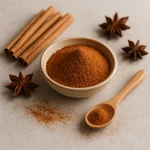
Ground Ceylon Cinnamon: What It Tastes Like, How to Use It, and How to Store It
Ground Ceylon cinnamon is a gentle, sweet-warm spice with a refined aroma that works in desserts, drinks, and surprisingly well in savory rice dishes and stews. Learn what sets Ceylon cinnamon apart, how to use it without overpowering a dish, and how to keep it fragrant for longer.
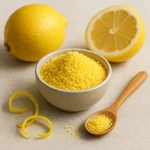
Ground Lemon Zest: How to Use It (and When It Beats Fresh)
Ground lemon zest is dried, finely milled lemon peel that delivers citrus aroma without adding liquid. It’s a smart pantry tool for baking, spice blends, creamy sauces, and Asian-style curries—especially when you want consistent results and zero grating.
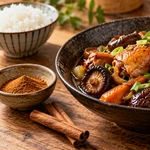
Ground cinnamon aroma that warms you up
Ground cinnamon is one of those pantry staples that can change a dish with a single pinch. Most people reach for it in baking or coffee, but it can be just as useful in savoury cooking—especially in Asian recipes where coconut milk, rice, chilli heat, and aromatic spices are balanced in one pot.
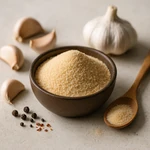
Ground Garlic: A Fast Way to Big Flavor (Especially in Asian Cooking)
Ground garlic is one of those pantry staples that earns its place: it’s quick, consistent, and easy to dose—ideal for weeknight stir-fries, marinades, soups, and dry seasoning blends. Here’s how it differs from fresh garlic, when to add it to avoid bitterness, and how to pair it for the most fragrant results.
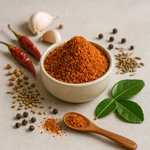
Seasoning Ground Meat: How to Turn a Plain Base into a Fragrant, Flavorful Dish (Including Asian Styles)
Ground meat is a weeknight workhorse—fast, versatile, and easy to portion. But it can taste surprisingly flat unless you build aroma and balance. This guide explains how to season ground meat on purpose: what flavors work, when to add spices, how to control heat and salt, and how to lean into Asian-inspired profiles with minimal effort.
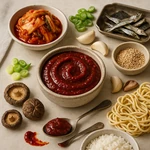
Basics of the Korean pantry: how to understand jang, kimchi, sesame, and soy sauce
The Korean "pantry" is not a list of exotic groceries, but a set of flavor foundations that make even simple dishes start to make sense. When you understand how fermented pastes and sauces (jang) work, the role of kimchi, why sesame is often used only at the very end, and how Korean soy sauces differ, Korean cuisine will come together for you into a clear system – not a random spicy mix.
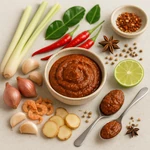
How to start with Malaysian cuisine: 5 logics to quickly get oriented at home
Malaysian cuisine is not one "typical taste," but a practical mix of several traditions meeting in one country – Malay, Chinese, Indian, Peranakan, and local Bornean. When you want to start with it at home, it doesn’t make sense to learn everything at once. In this guide, you will set simple orientation points (rice vs. noodles, coconut vs. broth, the role of sambal, accompanying sauces and dips) and pick a few first dishes to learn the Malaysian "system" fastest.
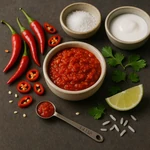
How to work with spiciness without ruining the food: add, tone down, and keep the flavor under control
Spiciness in Asian cuisine is not a contest of "the biggest fire," but one of the layers of flavor that is meant to enliven, highlight, and balance the dish. However, if you overdo the amount or choose the wrong type of chili base, you can easily end up with a dish that is sharp but flavorless—or downright inedible. In this article, you will find practical methods on how to safely increase spiciness, how to tone it down, and how to avoid common beginner mistakes.
