garam mas

Products

Articles

Garam Masala: the Fragrant Heart of Indian Cooking

Garam Masala: the Fragrant Heart of Indian Cooking

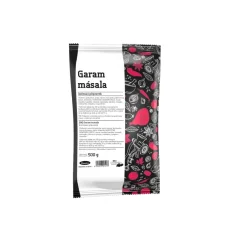
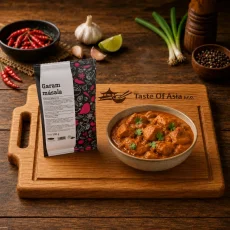
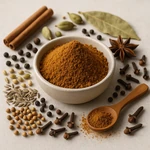
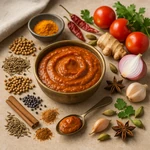
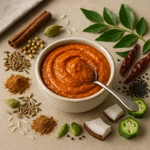
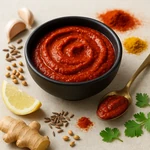
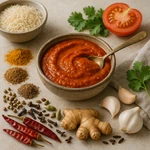
Garam masala is one of the most recognizable spice blends from India—and one of the easiest ways to give everyday meals a distinctly Indian aroma. Used in the right amount and at the right moment, it adds warm, rounded depth to curries, lentils, roasted vegetables, and even simple rice without necessarily making food hot or fiery.


Recipe for Delhi Dal Makhani

Recipe for Delhi Dal Makhani

Cook Delhi Dal Makhani, a creamy Indian specialty made from black lentils and beans, cooked with aromatic spices and cream for an unforgettable taste!


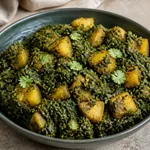
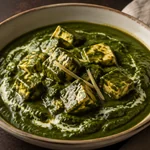
Recept na Palak Paneer

Recept na Palak Paneer

Prepare delicious Palak Paneer at home and discover the delicious combination of spinach and cheese in Indian style!


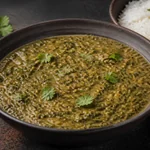
Recipe for Dal Palak

Recipe for Dal Palak

Try our recipe for Daal Palak, a delicious combination of lentils and spinach that will warm you up and delight you with its balanced flavor!


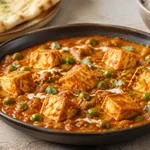
Recipe for Matar Paneer

Recipe for Matar Paneer

Try this delicious recipe for Matar Paneer, a tasty Indian dish that will warm you up and delight your taste buds!


Recipe for Baighan Bharta

Recipe for Baighan Bharta

Try our quick recipe for Baingan Bharta, a delicious and authentic Indian delicacy that you will love!


Recipe for Dal Tadka

Recipe for Dal Tadka

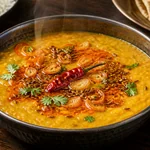
Punjabi Choley with Tadka is a delicious Indian curry with chickpeas that you can easily prepare at home and enjoy the authentic taste of India.


Recipe for Aloo Choley

Recipe for Aloo Choley

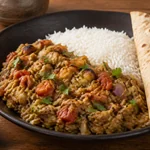
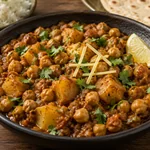
Let's prepare a recipe for Aloo Choley, a delicious Indian dish made from potatoes and chickpeas, full of spices and flavors that will transport you right to the heart of India!


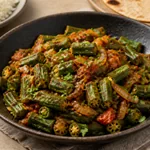
Okra

Okra

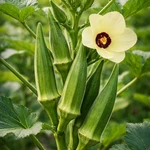
Discover the secrets of a tropical plant that not only provides nutritional value but also adds a unique flavor and texture to your dishes. In our article, you will learn everything about okra—how to use it in the kitchen, what health benefits it has, and why it should be part of your diet. Don't miss this great tip for enriching your diet!


Papadum

Papadum

Are you curious about the secrets behind this traditional flatbread, which is popular all over the world? Read our article, where we will introduce you to the history of papadum, its different varieties, and ways of serving it. Learn how to prepare this delicious piece of Indian cuisine at home and discover how it can be the perfect addition to your diet.


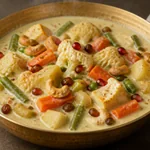
Chicken Korma Curry (Creamy, Mild Indian-Style Curry)

Chicken Korma Curry (Creamy, Mild Indian-Style Curry)

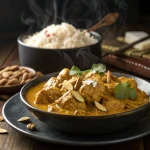
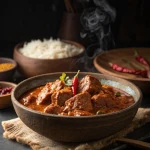
Chicken korma is a rich, gently spiced curry known for its velvety sauce made with yogurt, cream, and ground nuts. This approachable home recipe delivers a classic korma texture—fragrant, comforting, and mild enough for most spice levels.


Typical Indian dishes: how to understand dhals, "curry", tandoori and street food

Typical Indian dishes: how to understand dhals, "curry", tandoori and street food

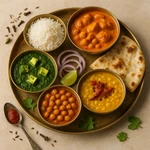
"Typical Indian food" does not have a single form. Indian cuisine is a family of regional styles – from delicate legume dhals through various sauce styles (korma, vindaloo, rogan josh, palak paneer, chole) to tandoori and the essential world of street snacks. In this guide, you will get clarity on the most typical groups of dishes, regional differences, and especially how to practically start with Indian flavors at home.


Taste of Indian cuisine: how to recognize it and create it at home

Taste of Indian cuisine: how to recognize it and create it at home

"Indian taste" is not one universal sauce nor a synonym for spicy food. Indian cuisine is a broad family of regional styles – from delicate legume dishes through tandoori breads and marinades to rice dishes with tamarind, coconut, and curry leaves. In this article, you will clarify what typically makes up Indian taste, how the north differs from the south, and how to build it in practice even without "pouring all the spices of the world" into the pot.


The most common mistakes in seasoning: spices, herbs, sauces, and marinades without unnecessary errors

The most common mistakes in seasoning: spices, herbs, sauces, and marinades without unnecessary errors

Seasoning in Asian cuisine often matters more than the recipe itself. It's not just about spiciness or adding salt at the end. Flavor is built in layers: some develop when toasting spices, some in the sauce or marinade, and some only at the very end with fresh herbs or final condiments. In this article, we will go through the most common mistakes, why they happen, and more importantly, how to easily fix them in practice.


Donburi, biryani, and other one-bowl meals: how they work and how to understand them

Donburi, biryani, and other one-bowl meals: how they work and how to understand them

One-bowl meals are not shortcuts or emergency meals in Asia – they are often well-thought-out rice dishes where rice is not a side dish but the center around which flavor, aroma, and texture are arranged. In this guide, we will show you how a bowl like Japanese donburi differs from layered biryani, what rice bowls have in common, and how to choose the right rice and style at home according to what you crave and how much time you have.


Madras Curry (Spicy South-Indian–Style Curry) – Easy Home Recipe

Madras Curry (Spicy South-Indian–Style Curry) – Easy Home Recipe

Madras curry is known for its deep colour, bold aroma and a confident chilli kick. This home-friendly version builds a rich onion-tomato base and finishes with warming spices (or a ready-made Madras curry blend) for a curry that works equally well with chicken, beef, lamb or tofu.


Typical Indian ingredients: their role in food and how to recognize them

Typical Indian ingredients: their role in food and how to recognize them

Indian cuisine is not a single unified tradition, but a broad family of regional styles. That's why it's worth looking at "typical Indian ingredients" as practical building blocks: what forms the base (rice, breads, legumes), what gives the dish richness (ghee, yogurt, paneer), what builds aroma (spices, aromatics), and what provides an important contrast (for example tamarind). The article provides an overview of key ingredients, their functions, and concrete advice on how to start using them at home without unnecessary mistakes.


North and South India in the kitchen: how to recognize the difference on the plate and what to cook at home

North and South India in the kitchen: how to recognize the difference on the plate and what to cook at home

"Indian cuisine" is not one taste or one sauce. For a European home cook, however, the division into north and south is one of the most practical reference points: it helps to understand why sometimes bread and a creamier sauce make more sense, other times rice, coconut, and a more pronounced acidity. This article will show the main differences, what both directions have in common, and how to bring them into everyday home cooking without unnecessary shortcuts and mistakes.


Basmati Rice

Basmati Rice

Are you wondering why basmati rice is so popular? This aromatic, long-grain rice has a rich history and is perfect for many dishes. Read about its origins, varieties, and the best ways to prepare it!


Meals that work for multiple people and an ordinary week: the Asian logic of bowls, noodles and sides

Meals that work for multiple people and an ordinary week: the Asian logic of bowls, noodles and sides

Cooking for more people on a workweek is less about “perfect recipes” and more about how to smartly build a meal: so it’s satisfying without feeling heavy, and can be easily adjusted to the tastes at the table. In many Asian cuisines this practicality is natural – based on a bowl or plate where there is a place for a base, a protein, vegetables, freshness, acidity, texture and precise seasoning.


Black pepper that gives food zest and depth

Black pepper that gives food zest and depth

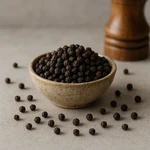
Black pepper is easy to overlook because it’s always within reach—but used thoughtfully, it can make Asian dishes taste more complete: warmer, more aromatic, and more layered. Here’s what black pepper actually brings to the plate, how to choose between whole and ground, and when to add it so it stays fragrant instead of turning bitter.


%s ...
%s
%image %title %code %s
%s