


 Česky (CZK)
 Slovensky (EUR)
 Deutsch (EUR)
 Austria
 Belgium
 Bulgaria
 Croatia
 Denmark
 Estonia
 Finland
 France
 Germany
 Greece
 Hungary
 Italy
Italy Latvia
 Lithuania
 Luxembourg
 Netherlands
 Poland
 Portugal
 Romania
 Slovenia
 Spain
Spain Sweden










ube
Products
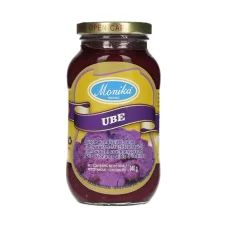
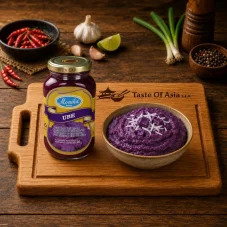
Monika Ube jam 340 g
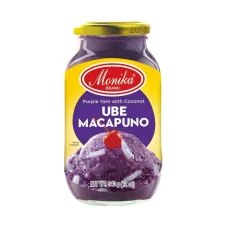
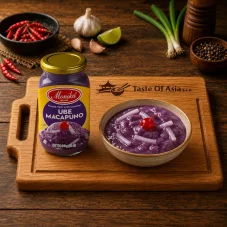
Monika Ube Macapuno jam with Coconut 340 g
Articles
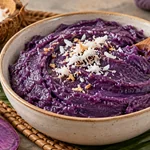
Ube
Discover the magic of ube—a purple superfood packed with vitamins, fiber, and minerals! Try creative recipes with ube jam and enhance your dishes with its distinctive flavor and color.
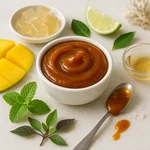
Syrups, fruits, and sweet ingredients in Asian desserts: how to understand them and how to use them
Asian desserts often don't rely on baking and butter creams but on smart combinations of textures, temperatures, and "sweet pantries": preserved fruit, syrups, pastes, and creams. In this guide, we will clarify why fruit in syrup is a full-fledged ingredient, what role syrup plays as an ingredient (not just a sweetener), and how to assemble your first simple desserts at home so they work in flavor and texture.
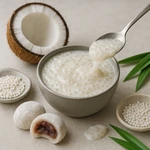
Texture of Asian desserts: why it matters and how to “read” it at home
With Asian desserts, it's often less about how sweet they are and more about how they feel in the mouth: springy, chewy, jellied, creamy, icy, or crunchy. This article will help you understand the most common textures, why they occur, which ingredients and techniques create them — and, most importantly, how to use texture to guide your choices and first attempts at home.
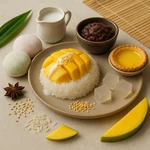
Asian desserts: what to expect from them (and why their texture will surprise you the most)
Asian desserts often can't be squeezed into familiar categories like “cake,” “pudding,” or “cookie.” Instead of heavy buttery pastries, they feature rice, coconut, starches, legumes, fruit, syrups, and especially texture – elastic, gel-like, pearl-like, or icy. This guide will help you understand what is typical for Asian sweets, the main dessert families, and how to practically navigate them.
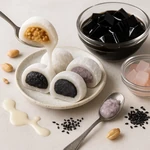
Mochi, grass jelly and other desserts with a "different" texture: how to understand them and what to expect
For many Asian desserts, the main point is in the texture – whether the bite is elastic, jellied, pearly, smooth, or icy. In this guide, you will get oriented in mochi, agar jellies, grass jelly, and other "textural" sweets and learn how to taste and combine them so they make sense even without complicated preparation.
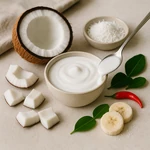
How to work with coconut in savory and sweet dishes: milk, cream, desiccated coconut and oil
Coconut in the kitchen does not mean “one ingredient.” Under the same word are hidden coconut milk, cream, concentrated creams, desiccated coconut, oil, sugar and other products – and each behaves differently. In this guide you will clarify the differences, learn to read labels and gain practical rules for how to use coconut in curry, soups and desserts so that the food is neither watery nor excessively “coconutty.”
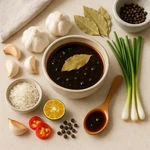
Typical Filipino ingredients: what makes the taste of the Philippines and how to start with them at home
Filipino cuisine is not just adobo. It is island "home" cooking based on rice, pronounced acidity (often from vinegar), salty seasonings with a touch of fermentation, and an aromatic base of garlic, onion, and pepper. In this guide, you will clarify which ingredients are truly typical for the Philippines, their role in dishes, how to recognize the right type, and what to avoid with your first purchases.
