Česky (CZK)
 Slovensky (EUR)
 Deutsch (EUR)
 Austria
 Belgium
 Bulgaria
 Croatia
 Denmark
 Estonia
 Finland
 France
 Germany
 Greece
 Hungary
 Italy
Italy Latvia
 Lithuania
 Luxembourg
 Netherlands
 Poland
 Portugal
 Romania
 Slovenia
 Spain
Spain Sweden










Fermented Pastes and Sauces
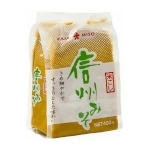
This guide category explains fermented pastes and sauces used across Asian cooking, focusing on what fermentation changes in flavour and aroma, how these ingredients are typically used in everyday dishes, and how to read labels and styles so you can tell similar products apart.
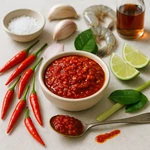
Sambal and fermented chili pastes: how to understand them and use them without mistakes
Chili paste can not only make food "spicy," but also give it a complete flavor, depth, and often umami. The key difference is whether the paste is fermented (and behaves like a concentrated base), or if it is more of a chili blend or chili paste in oil meant for quick seasoning. In this article, we compare the main types of fermented chili pastes in Asia, how to recognize them by their role in the kitchen, how to start using them at home, and how to avoid the most common mistakes.
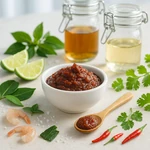
How to store fermented sauces and pastes: to keep them lasting and not lose flavor
Fermented sauces and pastes are among the most important "flavor bases" in Asian cuisines: in small amounts, they can provide umami, depth, aroma, and the finished character of a dish. To work as they should, they need, besides proper use, reasonable home storage – especially after opening, when you work with them by teaspoons and drops.
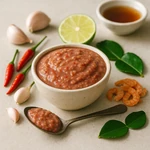
Nam Prik Kapi (Thai Shrimp Paste Chili Dip): the Bold Classic That Wakes Up Rice and Veg
Nam Prik Kapi is a punchy Thai chili dip built around fermented shrimp paste, lime, and fresh chilies. A small spoonful adds salty depth, citrus brightness, and serious heat—perfect for turning plain rice, crisp vegetables, and simple fish or eggs into a complete, satisfying meal.
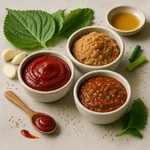
Gochujang, doenjang, and ssamjang: how to understand Korean fermented pastes
Korean “jang” – that is fermented sauces and pastes – are the flavor backbone of the entire cuisine. In practice, however, confusion often arises: gochujang, doenjang, and ssamjang look like “some dark pastes,” but each has a different role. In the article, we will show what to expect from them, how to use them in everyday cooking, and why it’s not worth mixing them up.
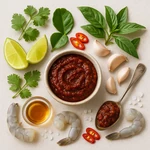
Fermented foundations of Asian cuisine: how to understand and use them at home
Fermentation is one of the key methods in Asian kitchens to create depth of flavor, umami, aroma, and a "finished taste" – often even in dishes that rely on only a few ingredients. This guide will help you navigate the main groups of fermented bases (from soy sauces through pastes to fish and marine ferments), understand their role, and avoid common mistakes in selection and use.
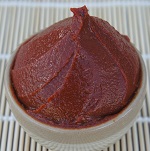
The miracle of miso
Miso paste is one of the basic building blocks of Japanese cuisine.
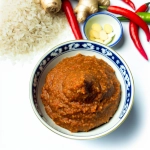
Brown rice chili paste
Discover the unique flavor of brown rice chili paste! This article will guide you through the world of exotic flavors and show you how this spicy ingredient can spice up your favorite recipes. Read on to find out how it's made, where to use it, and why you should try it!
To place fermented pastes and sauces in a wider kitchen context, you can also explore Sauces and Pastes , learn more about pairing them with Tofu and Soy Products , or round out the basics with Spices and Herbs .