

 Česky (CZK)
 Slovensky (EUR)
 Deutsch (EUR)
 Austria
 Belgium
 Bulgaria
 Croatia
 Denmark
 Estonia
 Finland
 France
 Germany
 Greece
 Hungary
 Italy
Italy Latvia
 Lithuania
 Luxembourg
 Netherlands
 Poland
 Portugal
 Romania
 Slovenia
 Spain
Spain Sweden










Tofu and Soy Products: Types, Uses, and Basics
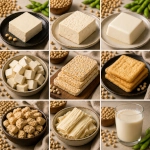
This guide focuses on tofu and other soy-based products used in Asian cooking, explaining what they are, how they differ in texture and flavor, and where they typically fit in everyday dishes. You’ll find clear, practical context for reading labels, understanding common styles, and matching soy products to cooking methods such as stir-frying, simmering, or adding to soups.
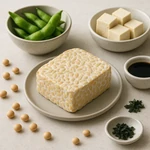
Tempeh, edamame, and other soy products: how to understand and use them in the kitchen
Soy products are not just one "protein cube" in different packages. From the same crop comes delicate tofu, fresh edamame, soy milk, and also distinctive fermented products like tempeh – and each behaves completely differently in the kitchen. In this article, you will clarify the differences, typical uses, and the most common mistakes that lead to disappointment.
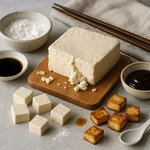
Most common mistakes when cooking with tofu: why it sometimes fails and how to easily turn it to your advantage
Tofu has a reputation as a "boring substitute" mainly because it is often treated as a single universal ingredient. But tofu is primarily about working with texture and how well it can carry the flavor of sauces, marinades, or broth. When you choose the right type (silken vs. firm) and understand the difference between "salting" and "glazing" through various styles of soy sauces, tofu stops being a compromise and becomes one of the most practical ingredients in the kitchen.
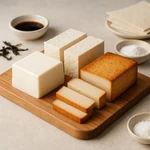
Soft, firm, and smoked tofu: how to understand and use them correctly
Tofu is not a single universal "block" that fits everywhere the same. The difference between soft (silken/soft), firm (firm/extra firm), and flavored varieties like smoked tofu lies mainly in texture, water content, and how tofu tolerates stirring, frying, and how quickly it absorbs the flavor of sauces. In this guide, you will compare the basic types and get practical rules to choose the right tofu for soup, wok, or a quick rice bowl.
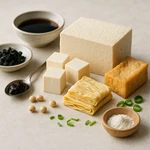
Guide to tofu and soy products: how to understand the types, taste, and uses
Tofu is not just one “white cube” and soy products are not a single universal meat substitute. From the same raw material – soy – both delicate, neutral ingredients (tofu, soy milk) and distinctive fermented products (tempeh, miso, soy sauces) are made. However, they behave completely differently in the kitchen. This guide will help you choose the right type for a specific dish, understand textural differences, and avoid the most common mistakes.
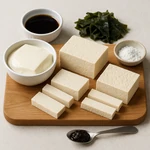
How to choose tofu: the key is texture (silken vs. firm) and the way it is used
Tofu is not a one-size-fits-all block. The differences between smooth silken tofu and firm tofu are crucial in the kitchen – they determine whether tofu will create a creamy texture in soup or withstand the pan, marinade, and grill. In this guide, you'll learn how tofu is made, what its main types are, and how to choose the right one based on the dish you want to cook.
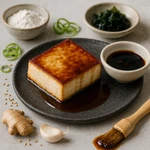
How to prepare tofu so it tastes good: type of tofu, sauce, and proper technique
Tofu often tastes "bland" on first try – and that is its strength. If you choose the right type (soft for soup vs. firm for pan) and base the flavor on a good sauce and texture, it starts working as an excellent carrier for marinade, spices, and umami. In the article, we will show you how to navigate tofu, the common mistakes that ruin the result, and what to do to make tofu really taste good at home.
For a deeper selection guide, see How to Choose Tofu and Soy Products ; to place soy ingredients in a wider pantry context, explore Sauces and Pastes and Fermented Pastes and Sauces .