

 Česky (CZK)
 Slovensky (EUR)
 Deutsch (EUR)
 Austria
 Belgium
 Bulgaria
 Croatia
 Denmark
 Estonia
 Finland
 France
 Germany
 Greece
 Hungary
 Italy
Italy Latvia
 Lithuania
 Luxembourg
 Netherlands
 Poland
 Portugal
 Romania
 Slovenia
 Spain
Spain Sweden










Sri Lankan Cuisine: topics, dishes and essentials
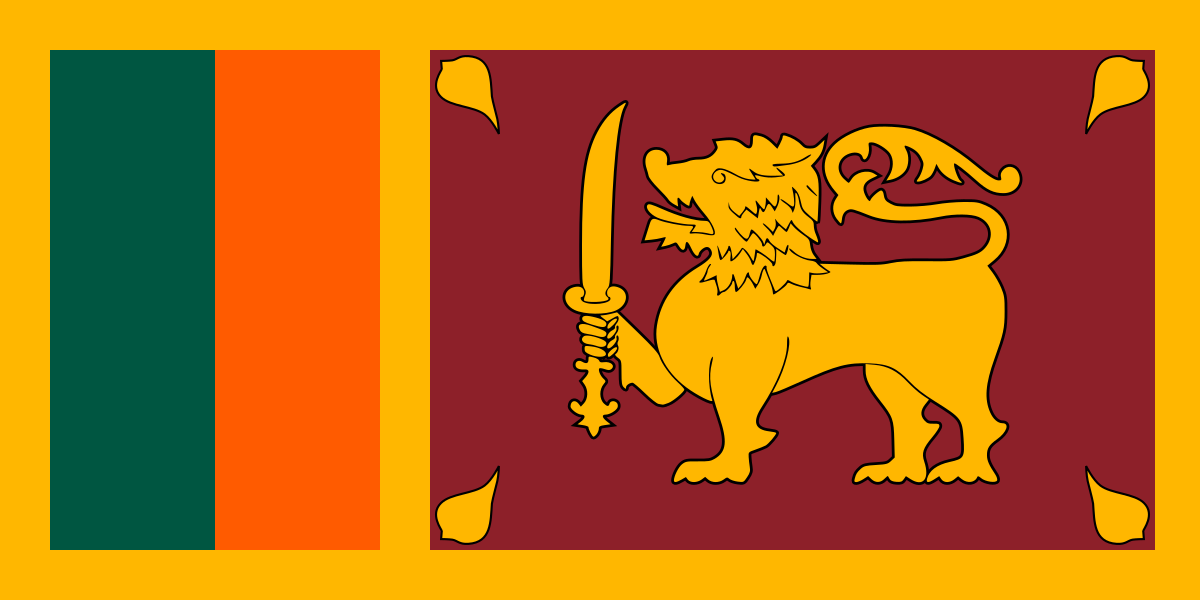
This guide category focuses on Sri Lankan cuisine, bringing together reading that explains what defines the country’s food culture, how typical meals are structured, and which ingredients and cooking approaches are commonly associated with Sri Lankan dishes.
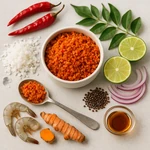
Sri Lankan curry and sambols: how they work together and why "rice & curry" doesn't make sense without them
Sri Lankan cuisine is not just "Indian curry on an island." It is built on rice, coconut, spices, chili, and mainly on a smart composition of the meal: alongside curry (in various forms) stand sambols, pickles, and other complements that precisely tune the heat, acidity, and contrast. Once you understand the role of sambol, Sri Lankan curries suddenly make much more sense.
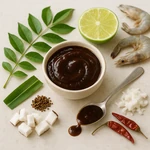
Typical Sri Lankan ingredients: what makes up the flavor of Sri Lanka and how to get started with it at home
Sri Lankan cuisine is not "Indian curry on an island." It is built on rice, coconut products, pronounced spices, chili and contrasts – alongside a gentle coconut component there is often acidity, heat and various sambols or pickled accompaniments. In this guide you will find typical Sri Lankan ingredients, their role in dishes, the main differences and practical tips on how to choose and use them.
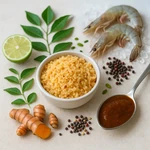
Typical Sri Lankan dishes: what to taste and how to understand them
Sri Lankan cuisine is not just "Indian curry on an island." It is based on rice, coconut products, strong spices, sourness, chili, and especially on the fact that one meal often consists of several smaller components (curry, sambols, pickles). In this guide, you will find the most typical Sri Lankan dishes and a simple key to recognize and understand them.
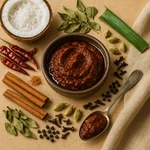
How to start with Sri Lankan cuisine: rice, coconut, sambols, and the smart first plate "rice and curry"
Sri Lankan cuisine is not "Indian curry on an island." It is based on rice, coconut products, bold spices, acidity, chili, and mainly on eating the whole as a combination of several small bowls – curry, sambols, and other accompaniments. If you want to start at home, you need to understand this logic: not chasing one perfect curry, but assembling contrasts so that the food begins to taste Sri Lankan.
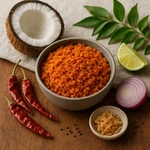
The taste of Sri Lankan cuisine: coconut, spices, acidity and “rice and curry”
Sri Lankan cuisine is not just “Indian curry on an island.” It is a distinct flavor landscape built on rice, coconut products, bold spices, chili and important accompaniments like sambol and various pickled or sour components. You understand it best not through a single iconic dish, but through the way of dining: several different curries and accompaniments mixed together on the plate.
To place Sri Lankan food in a wider context, you may also want to compare it with nearby traditions such as Indian Cuisine , explore Southeast Asian influences via Malaysian Cuisine , or broaden the view with Regional Styles of Asia .