Česky (CZK)
 Slovensky (EUR)
 Deutsch (EUR)
 Austria
 Belgium
 Bulgaria
 Croatia
 Denmark
 Estonia
 Finland
 France
 Germany
 Greece
 Hungary
 Italy
Italy Latvia
 Lithuania
 Luxembourg
 Netherlands
 Poland
 Portugal
 Romania
 Slovenia
 Spain
Spain Sweden








Filipino Cuisine: guides to flavours and staples

This guide gathers articles that introduce Filipino cuisine through its core flavours, everyday staples, and the context behind well-known dishes. Expect clear explanations of what defines the cuisine, how ingredients are typically used, and how Filipino food fits within the wider landscape of Southeast Asian cooking.
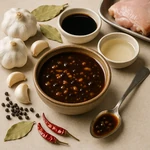
Filipino home-cooked meals: what they taste like and how to understand them
Filipino cuisine is home-style, practical, and surprisingly diverse. To understand it, knowing just one "national" dish is not enough – it is important to understand the role of rice, how acidity and saltiness work, why vinegar is so prominent, and how main dishes, soup, side dishes, and sauces interact on the table. The article provides guidance on typical home dishes (adobo, sinigang, kinilaw, sisig), regional differences, and specific tips on how to start cooking Filipino food at home.
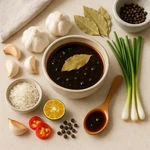
Typical Filipino ingredients: what makes the taste of the Philippines and how to start with them at home
Filipino cuisine is not just adobo. It is island "home" cooking based on rice, pronounced acidity (often from vinegar), salty seasonings with a touch of fermentation, and an aromatic base of garlic, onion, and pepper. In this guide, you will clarify which ingredients are truly typical for the Philippines, their role in dishes, how to recognize the right type, and what to avoid with your first purchases.
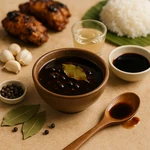
Typical Filipino dishes: adobo, sinigang, kinilaw and sisig (and how to understand them at the table)
Filipino cuisine has a clear identity, but it cannot be reduced to a single "national" dish. Typical Filipino dishes only make sense when you understand three things: rice is the center of the plate, sourness and saltiness are the main flavor axis, and vinegar and salty seasonings play an important role. In this article, we will show you four representative dishes (adobo, sinigang, kinilaw, sisig) and practically explain how to eat them and why they taste the way they do.
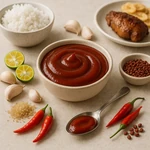
How to start with Filipino cuisine: flavor logic, first dishes, and mistakes beginners make
Filipino cuisine is not just adobo – it is a practical, "homey" island cuisine built on rice, strong sourness, and salty umami seasoning. In this guide, you will clarify how typical Filipino flavor works, how it differs from neighboring island styles (Indonesia, Malaysia, Singapore), and most importantly: what to start with at home so that your first attempts make sense and have quick success.
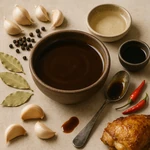
The taste of Filipino cuisine: acidity, vinegar, rice, and umami that hold the food together
Filipino cuisine is often simplified to "adobo," but its typical flavor is much broader and above all very practical: rice as the center of the meal, pronounced acidity (often from vinegar), saltiness and umami from soy and fish seasonings, garlic-onion aroma, and a sense for texture as well as complementary sauces. In the article, we will show you how to recognize these flavors in typical dishes and how to safely start with them at home without unnecessary mistakes.
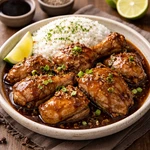
Recipe for Adobo with Sauce
Discover the taste of the Philippines! Adobo is a traditional dish that combines unique ingredients and rich history. Try this delicious recipe that will transport you straight to the Philippines—perfect for any occasion!
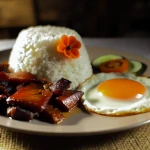
Homemade Filipino Tocino (Sweet-Cured Pork) Recipe
Tocino is a Filipino classic: thin slices of pork cured in a sweet-salty marinade, then pan-cooked until glossy and lightly caramelized. This homemade version is easy to prep ahead and perfect for a comfort-food breakfast with rice and a fried egg.
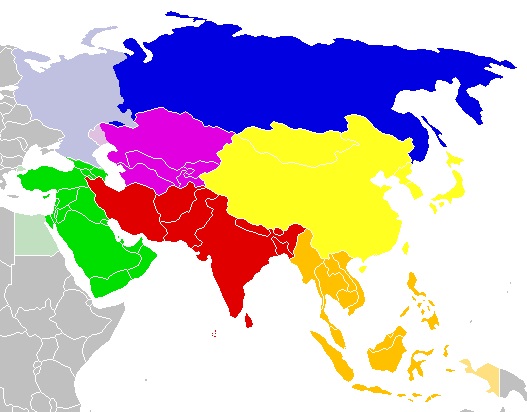
To compare neighbouring food traditions, you can also read about Indonesian Cuisine , Malaysian Cuisine , or explore broader context in Regional Styles of Asia .