


 Česky (CZK)
 Slovensky (EUR)
 Deutsch (EUR)
 Austria
 Belgium
 Bulgaria
 Croatia
 Denmark
 Estonia
 Finland
 France
 Germany
 Greece
 Hungary
 Italy
Italy Latvia
 Lithuania
 Luxembourg
 Netherlands
 Poland
 Portugal
 Romania
 Slovenia
 Spain
Spain Sweden










How to prepare tofu so it tastes good: type of tofu, sauce, and proper technique
Tofu often tastes "bland" on first try – and that is its strength. If you choose the right type (soft for soup vs. firm for pan) and base the flavor on a good sauce and texture, it starts working as an excellent carrier for marinade, spices, and umami. In the article, we will show you how to navigate tofu, the common mistakes that ruin the result, and what to do to make tofu really taste good at home.
Why tofu often doesn't taste good: it's not "bad," it just needs a role
Tofu belongs among coagulated and pressed soy products. It is made from soy milk, which is coagulated similarly to milk when making cheese, and then pressed into blocks. The degree of pressing and the amount of water in tofu determine how it will behave in the kitchen.
Its greatest advantage is not that it tastes "strong" by itself, but that it excellently absorbs the flavor of surrounding ingredients. Therefore, it works as a carrier of marinade, sauce, broth, or spices. However, if you prepare it in a way that does not suit that type of tofu (for example, flipping soft tofu in a pan), the result is usually a crumbled texture and flat taste.
The second important thing: tofu and other soy products are not just one "meat substitute." It is an entire family of ingredients, ranging from soft, neutral products to strongly fermented ones (like miso or tempeh). In the kitchen, this means completely different techniques and expectations.
What tofu actually is (and how to set your taste expectations)
Tofu is a soy product created by coagulating soy milk with coagulants and then pressing it into blocks. Practically, this means:
- more water = softer, more delicate tofu,
- more pressing = firmer tofu that can withstand pan frying, grilling, and baking,
- different production technology can change both the resulting texture and behavior in food.
Tofu is therefore worth perceiving as a building block: sometimes it is the main protein component, other times purely texture in soup, or a base for a cream or dessert. When you give it the right function, it will taste natural – without feeling like you have to "rescue" it.
The most important difference: silken vs. firm (and why to cook according to that)
With tofu, it is crucial not just to ask "Is it tofu?" but mainly: is it soft or firm? That determines whether the tofu should be gently placed in broth or whether it should be crispy in a pan.
Silken tofu: soft, smooth, delicate
Silken tofu is very soft and smooth. It is typically suited for miso soup, delicate stews, cold dishes, dips, dressings, desserts, and creams. At the same time, an important limitation applies: it doesn't work where you will stir it aggressively or repeatedly flip it in a pan.
A practical shortcut: consider silken tofu as an ingredient "for liquid or cream," not as a block meant for frying.
Firm and extra firm: firm tofu for pan, wok, grill, and baking
Firmer tofu (firm to extra firm) has less water content and can handle more intense treatment. The firmer the tofu, the more it suits pan, wok, grill, and baking. Especially with these types, you will appreciate that tofu can be an excellent carrier of sauce: the surface can get "coated" with flavor and inside it remains juicy – if you work correctly with water and technique.
How to choose tofu according to the dish (quick and reliable)
- For soup: silken tofu, soft tofu, or a softer firm type if you want larger cubes.
- For pan and wok: firm tofu, extra firm tofu, or pre-dried and pressed tofu.
- For grill: firm to extra firm tofu, or marinated blocks with lower water content.
- For salads and bowls: pan-fried firm tofu, sometimes even cold soft tofu if it is meant to be the main texture.
- For desserts and creams: silken tofu.
This is one of the biggest "aha moments": it pays to choose tofu according to its role in the dish, not just because it is tofu.
If you want more flavor already in the base: tempeh and other soy family
If tofu still seems too mild to you even after proper preparation, it is fair to say that within the family of soy products there are ingredients that are naturally more pronounced – and yet used similarly (in pan, marinades, noodle dishes).
Tempeh comes from Indonesia and is made by fermenting whole (or partially peeled) soybeans. Unlike tofu, it is not made from soy milk. It has a denser bite, more pronounced texture, and a nutty, slightly earthy to lightly tangy flavor. Where tofu mostly absorbs the flavor of its surroundings, tempeh actively contributes to the dish – many people perceive it as "heartier" and texturally closer to meat.
Besides this, there are also more marginal soy ingredients, such as yuba (tofu skin) with a specific layered and flexible structure. For some dishes, it can be an interesting alternative in texture, even though it behaves differently than regular tofu.
The taste of tofu is most often built on sauce: why the type of soy sauce matters
In Asian cuisine, sauces are not just "something on top." They often form the flavor backbone of the dish: they determine whether the result is just salty or has depth and umami. This applies doubly to tofu because tofu itself is usually mild – and sauce is what gives it direction.
Moreover, soy sauce is not a single ingredient with a fixed profile. Under one name, you encounter significantly different styles (Chinese light and dark, Japanese shoyu, Korean ganjang, Thai soy sauces for wok and noodles, and sweet Southeast Asian variants). That is why there is so much confusion around it: different countries use different classifications and names and the words "light" and "dark" do not mean the same everywhere.
Light vs. dark: a simple guide that helps with tofu
- Light soy sauce often functions practically as a working sauce for saltiness and seasoning (and carries umami as well).
- Dark soy sauce is more often used where you want a deeper color, rounder tone, or a slight sweet effect.
A specific example of a light sauce for everyday cooking can be Dek Som Boon light soy sauce – it is a type of sauce that suits seasoning stir-frys, noodles, and rice, highlighting umami without heavy darkening.
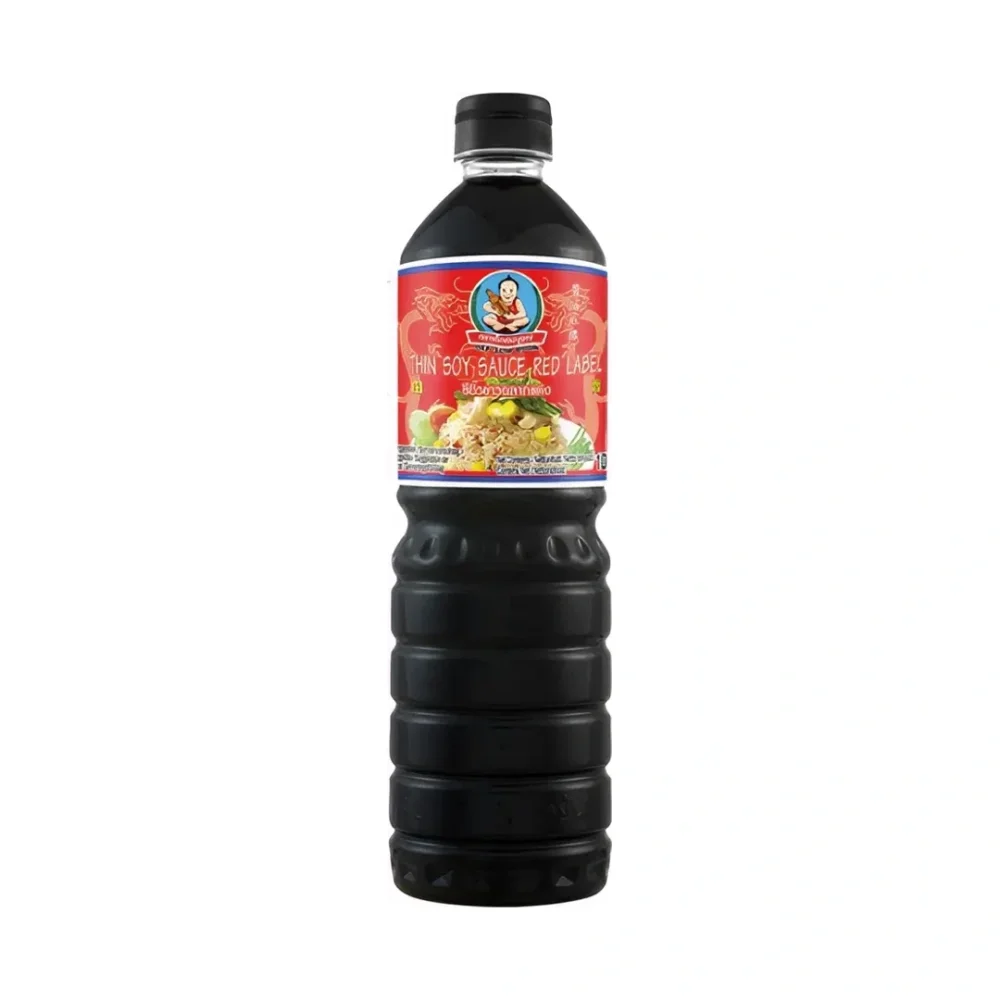
💡 What to watch out for: sweet soy varieties are not "dark soy sauce"
In Southeast Asia, there are sweet, thick, syrupy soy sauce varieties (typically Indonesian style). It is important not to mechanically treat them as a substitute for dark soy sauce: they have different logic (sweetness, thickness, glazing) and can easily disrupt the final flavor profile if you use them "just because they are dark."
Practically at home: 4 reliable ways to get flavor and texture from tofu
Below are four approaches based on how tofu works: soft types for liquids and creams, firm types for pan and coatings. These are not recipes but concrete directions that you can cook and improvise by.
1) Soup and broth: silken tofu in miso soup (gently, without "stirring")
Silken tofu proves itself in soups where you don't want to stress it by flipping. A typical practical example is miso soup: tofu is added so that it remains in whole pieces and gives the soup a gentle, smooth texture.
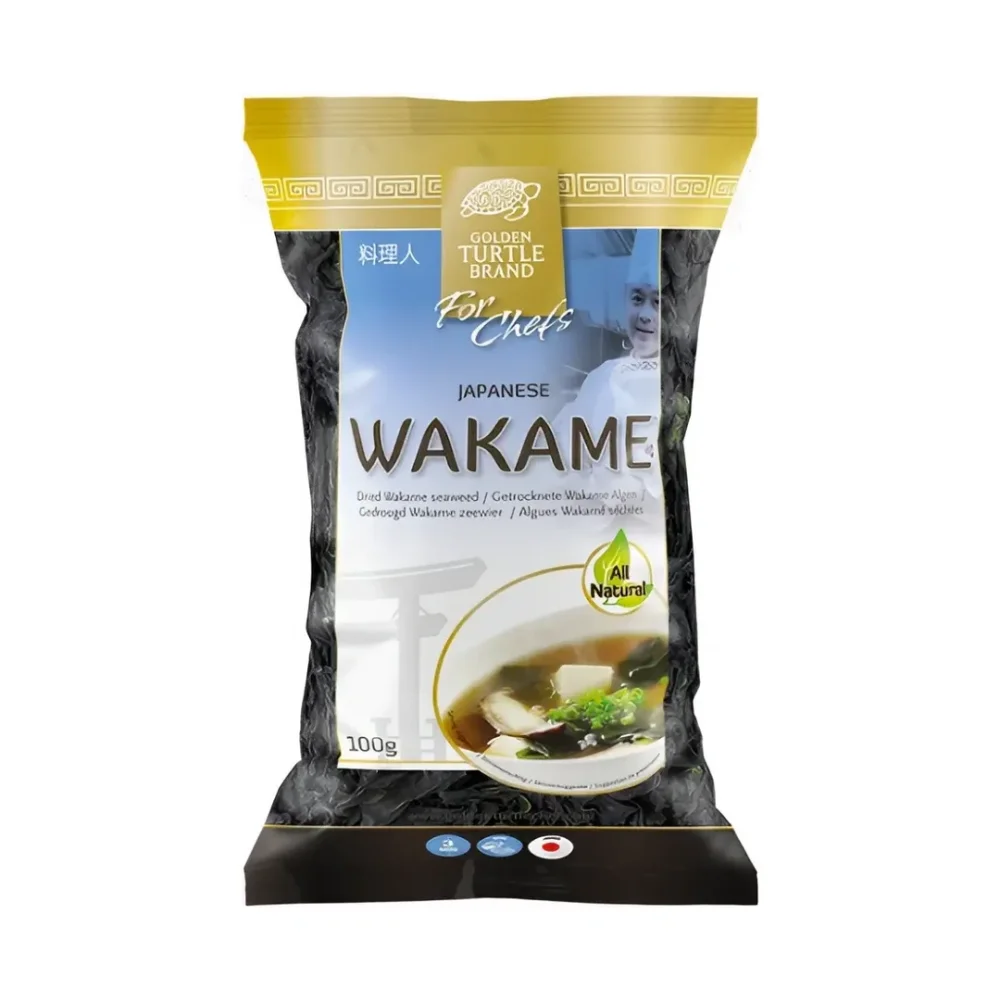
Often, a sea ingredient is added to miso and tofu for a gentle "sea" depth. A practical ingredient is dried wakame seaweed, which softens after soaking and complements miso and other broths well.
2) Pan and wok: firm tofu as a carrier of sauce (saltiness + umami, not just "salt")
In wok meals and stir-fry, it is crucial for tofu that the sauce is not just salty. Good soy sauce carries umami and thanks to fermentation, the flavor is rounder and less flat salty. In the dish, it functions as a flavor carrier, not a salt replacement.
It makes sense to gradually work with firmer tofu and choose sauce according to the goal:
- if you want tofu to season without heavy darkening, aim rather for the light type,
- if you want a darker, rounder impression and more color, a darker style might make sense.
Because different regions use different classifications, it's good not to assume that "dark" always means the same – better stick to the role you seek in the dish (seasoning vs. color and rounding).
3) Pronounced umami from fermentation: tofu with black bean sauce
If you want tofu to taste "more on its own," it pays off to reach for fermented seasonings that add depth. One example is black bean fermented sauce. It is intense and umami-rich, and in stir-fry with tofu it holds that a small amount is enough – that's why it's good to add it gradually and taste as you go.
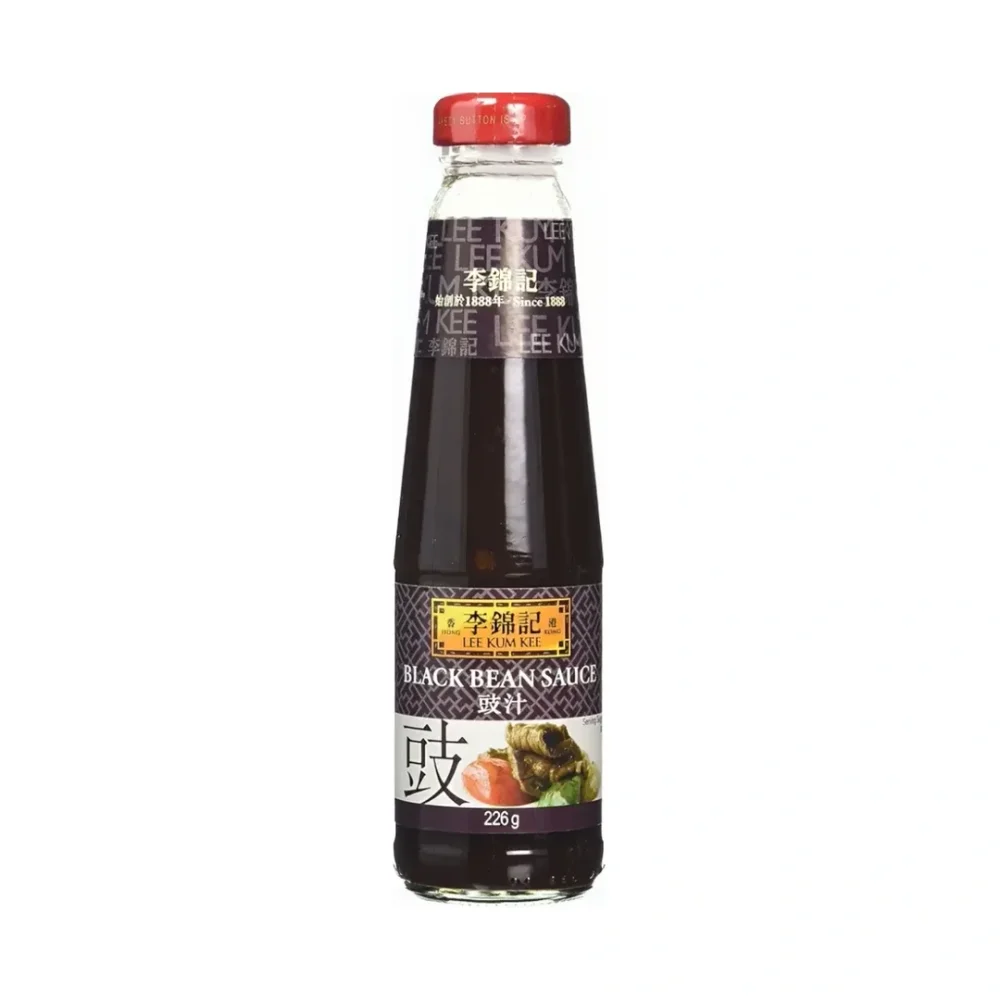
This is a useful trick especially when you feel tofu "absorbs the flavor," but the result is still flat. Fermented sauce can give a more specific character without needing complicated "reforming" of tofu.
4) Crispy surface: coating and batter that help "lift" tofu
With firmer tofu, the decisive difference between a "soft cube" and "something you want to eat" is often the surface. Crunch and golden crust make tofu a full-bodied texture that pairs well with sauce.
- For a light coating, rice flour works well – it is delicate and suits even a more fragile crust coating.
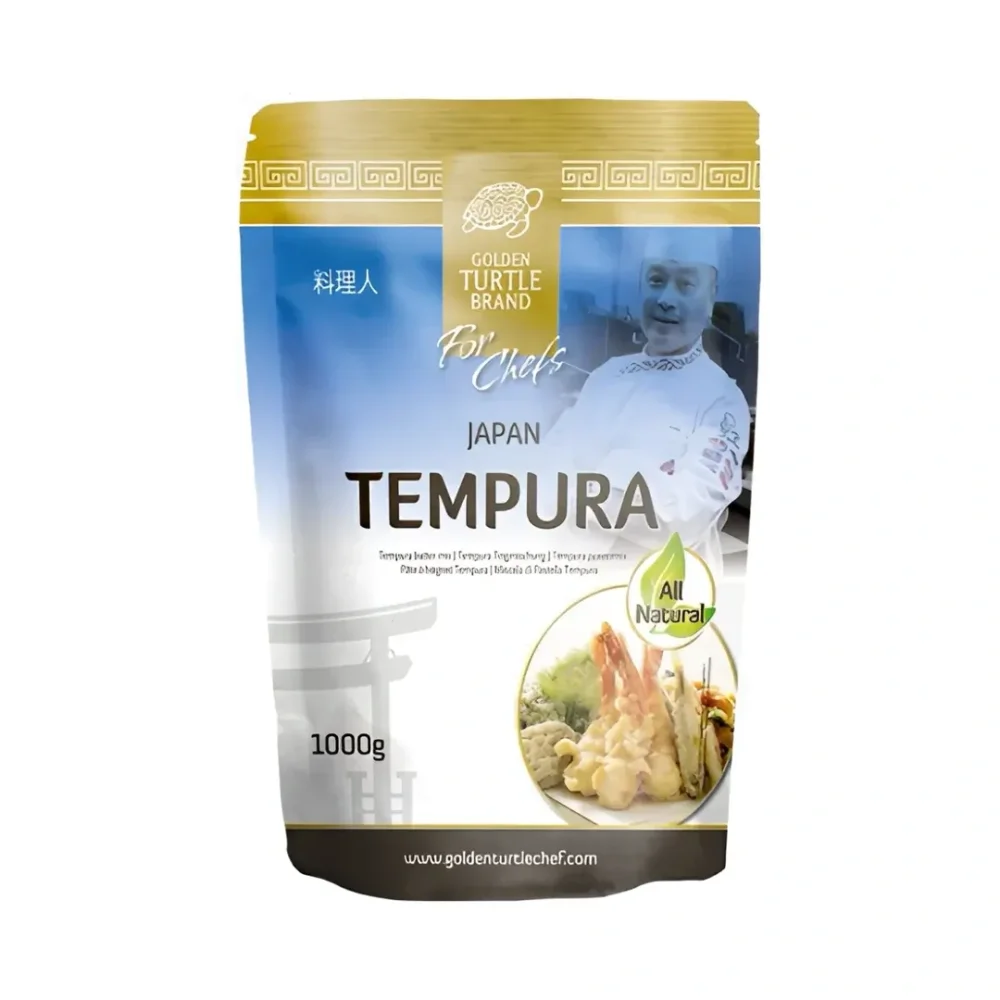
- If you want a "tempura" type of crispiness, you can use a ready mix such as tempura mix. Although commonly used for vegetables or other ingredients, the principle of a light batter can also be used for tofu when you want maximum contrast between crispy surface and soft interior.
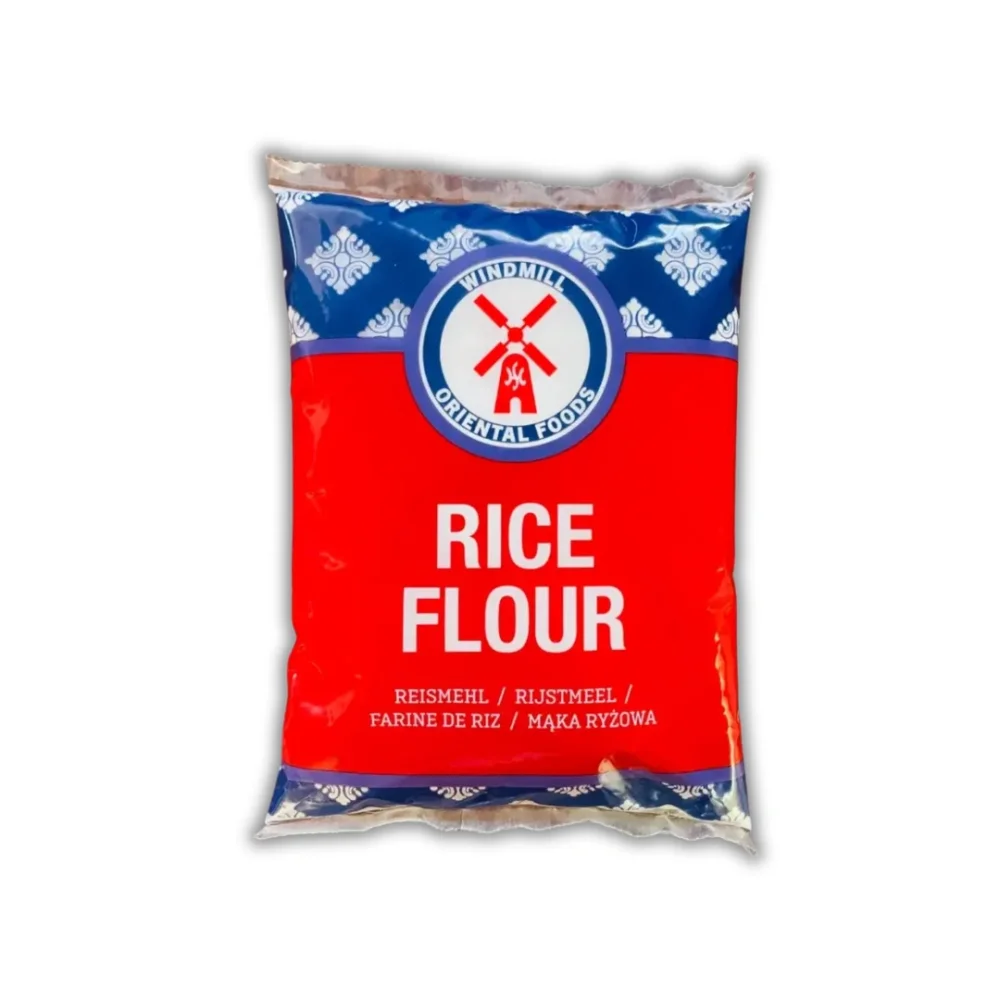
In both cases, a simple rule applies: the best tofu to use is one intended for pan (firm/extra firm). Soft silken tofu makes no sense for breading because it is delicate and crumbles.
Most common mistakes that unnecessarily ruin tofu (and how to avoid them) ⚠️
- Wrong type of tofu for the technique: Silken tofu used for frying will tear and crumble. Firm tofu for delicate broth can feel "rubbery" if you expect a silky texture. First choose the role (soup vs. pan vs. cream), then tofu.
- Expecting tofu to be strong on its own: Tofu is strong mainly as a carrier for marinade, sauce, broth, or spices. If you don’t embed it in flavor (sauce, fermentation, broth), the result will naturally be mild.
- Confusing "soy sauce as just one sauce"Various regional styles and export names mix under the name soy sauce. "Light" and "dark" don't mean the same everywhere – and sweet, syrupy varieties have a completely different culinary logic than regular working soy sauce.
- Too aggressive stirring of soft tofu: For silken tofu, it pays to work carefully – in soup or stewed dishes, rather add gently and move minimally to keep it in pieces.
- Over-salting with strong seasonings: Fermented sauces and strong pastes are flavor-concentrated. If you add them without control, they easily overpower the rest of the dish. The proven approach is to add in small amounts and build flavor gradually.
What to take away from the article
- Tofu is not a "bland mistake" – it is a universal flavor carrier, which works when you give it the right role.
- The most important distinction is silken vs. firm: soft tofu for soups, cold dishes, and creams; firm tofu for pan, wok, grill, and baking.
- The taste of tofu is often built on sauce. Soy sauce is not one – different styles have different uses and "light/dark" may not mean the same across regions.
- If you want tofu to seem "done," also work with texture (crispy surface, coating, light batter).
- If you want a naturally more pronounced soy ingredient, also worth attention is tempeh, which has its own character thanks to fermentation.

Read next
If you want to explore this topic further, continue with these related blog guides and articles:
