

 Česky (CZK)
 Slovensky (EUR)
 Deutsch (EUR)
 Austria
 Belgium
 Bulgaria
 Croatia
 Denmark
 Estonia
 Finland
 France
 Germany
 Greece
 Hungary
 Italy
Italy Latvia
 Lithuania
 Luxembourg
 Netherlands
 Poland
 Portugal
 Romania
 Slovenia
 Spain
Spain Sweden










Cutting and Ingredient Prep Techniques
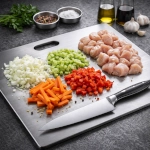
This section focuses on the practical prep techniques that underpin many Asian dishes, from how ingredients are trimmed and portioned to why certain cuts, thicknesses, and prep steps are used for different cooking methods. Articles explain how preparation affects texture, cooking time, and flavour absorption, helping you understand what to do before the heat goes on.
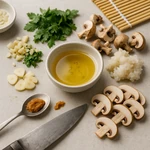
The Most Common Mistakes in Ingredient Preparation (and How to Quickly Fix Them)
In Asian cooking, the result often “breaks” even before you turn on the stove: on the cutting board, in bowls with prepared ingredients, and in how you organize the steps. High temperature, quick stir-frying, and precise order of adding ingredients don't forgive when vegetables are cut haphazardly, aromatics wait next to a hot wok, or wet ingredients fly into the pan. This article summarizes the mistakes that most often ruin texture and taste – and most importantly, what to do about them in practice.
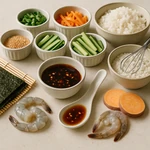
Mise en place Asian style: why good food is often decided even before cooking
In many Asian kitchens, the outcome is decided not at the stove, but on the cutting board: by chopping, order of preparation, separating components, drying, soaking, and timing. Mise en place (prepared ingredients and components in advance) is not a "professional luxury" here, but a practical assurance that nothing will burn, nothing will remain raw, and the food will have a clean rhythm and flavor.
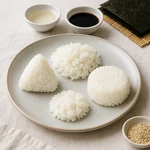
How size and shape change the taste and texture of food: the most important decisions are made on the cutting board
The same ingredient can look and taste completely different depending on how you cut it. In Asian cuisines, where cooking is often quick, at high temperatures, and in a precise sequence of steps, cutting is not a "side preparation" – it is part of the technique. The shape determines how quickly the ingredient softens, how it holds juice, how it browns, how much sauce clings to it, and how it is eaten with chopsticks or a spoon.
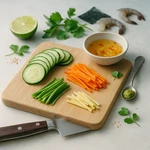
Cutting ingredients for Asian cooking: why success or failure happens on the cutting board
In many Asian kitchens, the outcome is decided not on the stove, but already on the cutting board. The shape, size, and uniformity of the cut directly determine what gets grilled in the pan, what only steams, what releases water, and what, on the contrary, burns. This guide gives you practical rules on how to adapt cutting to the technique (wok, soup, salad, grill, fillings) and how to set up preparation at home so that the food keeps the rhythm.
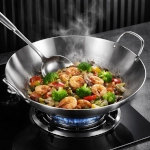
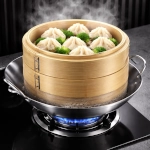
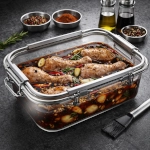
To see how prep choices carry through into the pan or pot, continue with Wok Cooking , compare gentle methods in Steaming , or learn how flavours develop earlier in the process in Marinating and Seasoning .