


 Česky (CZK)
 Slovensky (EUR)
 Deutsch (EUR)
 Austria
 Belgium
 Bulgaria
 Croatia
 Denmark
 Estonia
 Finland
 France
 Germany
 Greece
 Hungary
 Italy
Italy Latvia
 Lithuania
 Luxembourg
 Netherlands
 Poland
 Portugal
 Romania
 Slovenia
 Spain
Spain Sweden










The most common mistakes when working with noodles (and how to quickly fix them at home)
Noodles are one of the fastest ways to an "Asian" dinner, but at the same time they often show whether you understand the ingredient and timing. One wrong choice of noodle type, a few extra minutes in the pot, or a too wet sauce and instead of a springy texture, you end up with a stuck block, broken mash, or rubbery mass. In this article, you'll find specific mistakes that happen over and over again, and especially practical ways to avoid them – depending on whether you are cooking a broth bowl, wok, "dry" stir-fried noodles, or a cold bowl.
The good news is that most noodle failures don’t happen because the noodles are "bad." Most often they are just inappropriately chosen for the specific dish, or treated like a universal product. The thing about noodles is: the winner is the one who knows, what to expect from them (resistance in broth vs. quick coating by sauce vs. texture after cooling) and adjusts selection and preparation accordingly.
1) Noodles are not one thing: what ultimately matters most
In European habit, "noodles" are often lumped together. In the Asian context, however, it is a large family of products that differ by ingredient (flour vs. rice vs. starch), structure (thin/wide, smooth/coarser), elasticity and also by whether they are intended more for broth, for wok, for salad or for thick sauce.
A practical rule that saves the most disappointment: don’t start with the question "which noodles are best," but with the question "what role are they supposed to play in my dish". Sometimes noodles are meant to carry the broth and toppings, other times they should be coated in sauce in a few minutes in the pan, and other times they should stay springy even after cooling.
2) What noodles can be made of and how they behave in practice
The biggest differences are made by the base ingredient. It influences elasticity, brittleness, absorbency, and how easily noodles can be overcooked.
Wheat noodles: elasticity and endurance in broth and wok
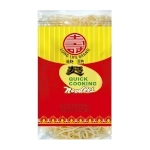
Wheat noodles tend to be denser and elastic. They usually tolerate stirring and longer heat contact better than delicate rice variants, so they are often used in broth bowls and stir-fried dishes. If you are looking for this type of behavior, it makes sense to start with the wheat noodlescategory.
Rice noodles: finer texture but more sensitive to overcooking
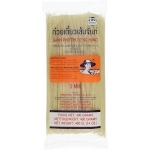
Rice noodles are often associated with Southeast Asia and are used in various soups and wok dishes. They typically are finer and can overcook or break apart quickly if you give them too much time or subject them to additional heat in the sauce. A guide to types and thicknesses can help in the rice noodlessection.
Buckwheat noodles (soba): flavor is important, but composition is decisive
Soba noodles have their own earthy character. A common misunderstanding with soba is that people focus only on the word "soba" and overlook the buckwheat to wheat ratio. If you choose soba because of the buckwheat flavor, it’s worth looking at the composition, not just the name.
Starch and glass noodles: translucent elasticity and "slippery" texture
Starch (glass) noodles typically have after cooking a smooth, elastic to glassy texture. They function differently than flour noodles: in some dishes, they create the main "wow" texture effect, while in others they might feel too slippery if you expect typical "chewing." If you want exactly this type of texture, explore the glass noodlescategory.
Konjac and other special variants: different logic than classic noodles
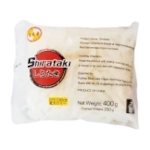
Konjac variants are a separate chapter – just because their flavor and texture aim in a different direction than wheat or rice noodles. When you use them, treat them as a specific type with its own usage, not as a universal substitute. For basic orientation, there is the konjac noodlescategory.
3) How to choose noodles according to the dish (and thus prevent half the mistakes)
Asian noodle dishes are not one technique. They differ by the role of broth or sauce, method of heat preparation, and whether noodles should be eaten "wet," "dry," or cold. Therefore, it is useful to choose noodles based on the type of dish you aim to prepare – not only by the name on the package or the photo of the finished dish.
Broth bowls: noodles must withstand hot broth
For soups, you need noodles that hold their shape and don’t immediately tear or break apart. Typically, ramen, udon or soba are used in lighter Japanese broths, rice noodles for phở and bun, and some glass noodles for lighter clear soups. Here, the "overcooking" mistake often appears: even though the noodles are soft in the pot, they continue to be thermally stressed in the hot broth in the bowl.
Practical tip: if you know the noodles will go into the broth, try to cook them so that they are still elastic and "finish" in the bowl.
Wok and stir-fried dishes: noodles must finish cooking in the pan, not fall apart
For stir-fry you need noodles that can endure stirring, contact with fat and sauce, and short, intense heat. Wheat wok noodles, wider rice noodles, some ramen for drier preparations, or glass noodles (if you want a lighter elastic texture) work well.
It is also a world where frequent mix-ups occur: pad thai, chow mein, and mie goreng are not "almost the same". Even though all three can be stir-fried, they differ in noodle type and flavor logic. For example, timing and sauce work are key in pad thai; mie goreng often features a sweeter and darker profile and different seasoning.
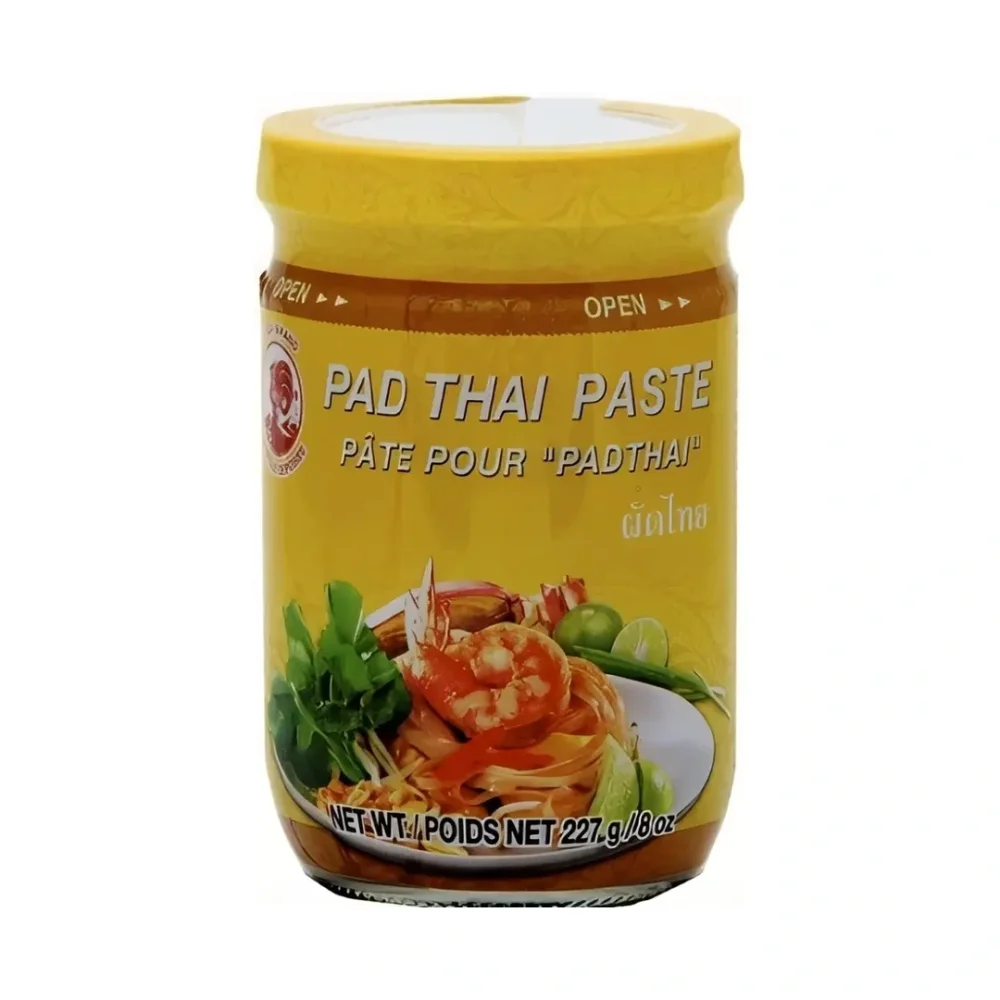
If you want to save mixing multiple ingredients and still keep the wok rhythm, a practical shortcut may be a ready base like Cock Brand Pad Thai paste – but it remains true that the result mainly depends on the noodles not being overcooked and the sauce not being unnecessarily "watery."
Cold and "seasonal" bowls: texture after cooling is a test of quality and choice
With cold noodles (typically various soba bowls or noodles served with a dip), it shows whether the noodles hold their texture even after cooling. This is a different requirement than for broth or wok: here you don't want noodles to soften into a single mass after a while.
Mise en place for noodles: saves chaos and sticking
In quick noodle dishes, failure usually isn’t about flavor but organization. In Asian cooking, mise en place (everything prepared ahead) is often a condition of success: have sauce measured separately, aromatics prepared, delicate ingredients aside, and noodles soaked or pre-cooked as needed. Starting to chop only "during" leads to noodles finishing cooking, sticking together, or overcooking meanwhile.
Additionally, a simple wok rule applies: wet ingredients tend to steam more than fry. If you want quick frying and not "cooking in your own juice," make sure what goes on the pan isn’t unnecessarily wet.
How to recognize better-quality noodles (without obsessing over price)
Quality is not just a price issue. For dried noodles, a good signal is generally clearly stated composition (without unnecessary confusion), a reasonably short ingredient list, typical ingredient aroma upon opening, and especially how noodles behave after cooking: whether they have good texture, don’t fall apart into mush, and can hold shape for a while after contact with sauce or broth.
4) 5 most common mistakes when working with noodles – and what to do instead
-
Mistake: choosing noodles based on dish name, not on "function"
Buying "some Asian noodles" and expecting them to work for everything is the fastest way to disappointment. The same noodles that don’t work well for pad thai won’t work for ramen, and the same noodles don’t fit cold soba bowls and thick woks. Also, shortcuts like "ramen = whole Asian noodle culture" or "all noodles are interchangeable" do not hold.
What to do instead: ask yourself three questions: (1) will the dish be broth-based or stir-fried? (2) will the noodles cook further in sauce/broth? (3) should they be fine and smooth, or rather dense and elastic? Only then choose the type. For quick orientation on types, start with the noodlesdirectory.
-
Mistake: overcooking noodles before the final "finishing"
One of the most common home kitchen situations: noodles are cooked "soft," drained, and then reheated in sauce or broth. The result is often breakage, sticking, or rubbery texture. For more sensitive types (often rice), it can be a matter of short time.
What to do instead: expect that noodles will receive additional heat in sauce or broth. The goal is for them to be after the first stage still elastic and reach final texture only in the last minute in the pan or bowl.
-
Mistake: not separating noodles after draining – they stick into one block
Some noodles tend to stick together after draining if not used immediately. Often, a little slick film of oil or quick stirring solves the problem; if not done, you get a "brick" you can’t untangle in the pan without breaking.
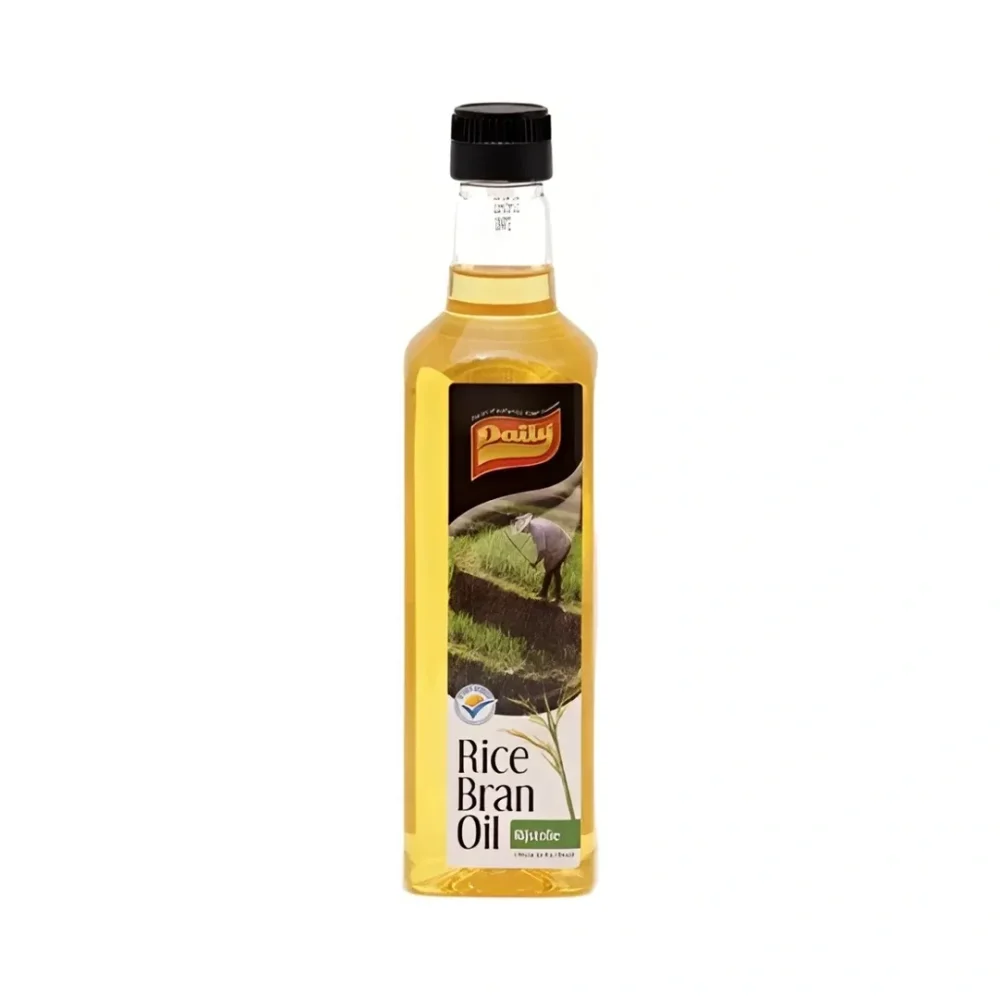
What to do instead: if you know noodles won’t go immediately into the dish, lightly toss them with a small amount of neutral oil. A practical example can be rice oil, which does not overpower the noodle flavor.
-
Mistake: wrong sauce-to-noodle ratio (drowned thin vs. dry thick)
Fine noodles easily "get lost" in heavy or overly wet sauce. On the other hand, thicker noodles can feel dry when there is too little sauce or the sauce is too thin and quickly sinks to the bottom.
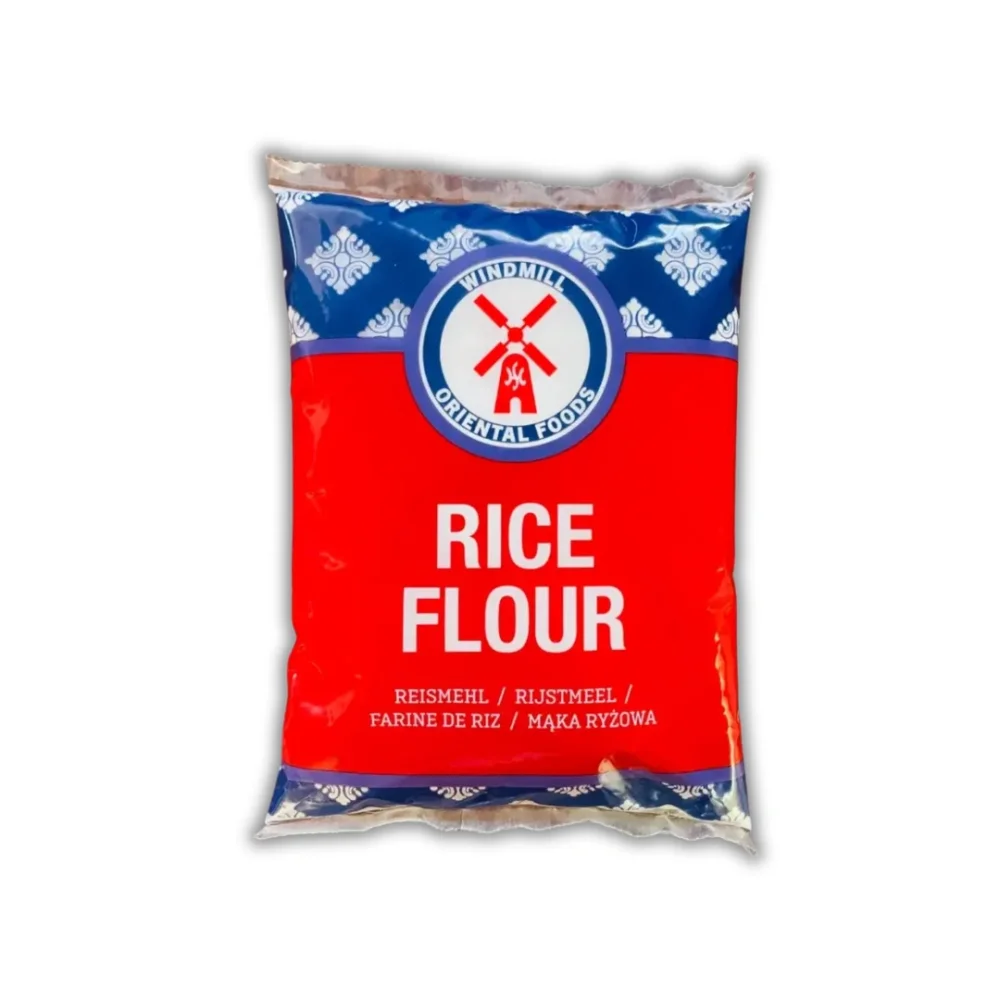
What to do instead: the sauce should coat the noodles, not create a soup (unless that’s the intent). Start with smaller amounts, stir, and add gradually. When the sauce is too thin and noodles "float" in it, gently thicken it – for example, with rice flour, commonly used also for thickening sauces and soups, like Windmill rice flour. But always thicken gradually: the goal is a consistency that clings to the noodles, not a heavy paste.
-
Mistake: ignoring composition and assuming "name = guarantee"
Two typical mistakes: automatically assuming that all rice noodles are gluten-free, or that every soba noodle is purely buckwheat. In practice, composition, thickness, and sometimes the intended preparation method decide.
What to do instead: read the ingredients and consider them as an equally important part of the selection as the shape of the noodle. And beware of marketing words like "premium," "authentic," or "traditional" – by themselves they won't tell you if the noodles will work for your intention.
5) What to take away from the article
- Choose noodles based on their role in the dish (broth, wok, cold bowl, thick sauce), not based on the photo or the name of the dish.
- Basic ingredient (wheat, rice, buckwheat, starch, konjac) determines elasticity, sensitivity to overcooking, and how the noodles behave after cooling.
- Do not overcook in advance: if the noodles still have to go into sauce or broth, let them finish cooking in the last stage.
- Think about sticking after draining: some noodles require quick use, or gentle separation/stirring, otherwise they will form one block.
- Watch the sauce-to-noodle ratio: the sauce should coat, not drown (unless it's soup). When the sauce is too thin, address the consistency, not additional noodle cooking time.
- Ingredients are not a detail: for both soba and rice noodles, it is often the difference between "works" and "doesn't work."
If you want to take your noodle cooking a step further, choose one specific world (broth bowl, wok, or cold noodles) and keep one type of noodle at home that has proven successful for you. You will gain control over texture – and that is as important for noodles as flavor.

Read next
If you want to explore this topic further, continue with these related blog guides and articles:
