


 Česky (CZK)
 Slovensky (EUR)
 Deutsch (EUR)
 Austria
 Belgium
 Bulgaria
 Croatia
 Denmark
 Estonia
 Finland
 France
 Germany
 Greece
 Hungary
 Italy
Italy Latvia
 Lithuania
 Luxembourg
 Netherlands
 Poland
 Portugal
 Romania
 Slovenia
 Spain
Spain Sweden










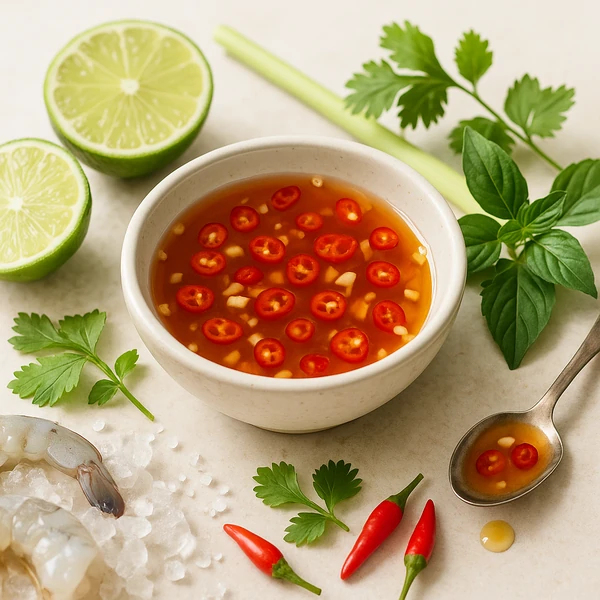
Basic sauces to build flavor from: wok, glaze, braising, dip, and noodle bowl
In Asian cuisine, it's often not a complicated recipe that matters, but the liquid base you use and how you build flavor from it. Sometimes it's broth, other times sauce – and very often something in between. In this article, you'll clarify what a "basic sauce" is, how it differs from broth and soup, and most importantly: what practical types of sauce bases exist and how to use them at home without unnecessary mistakes.
Why "basic sauces" are so important in Asian cooking
Many Asian dishes rely on taking ingredients, briefly cooking them, and in a few minutes connecting them with a liquid base. This base sets the direction (where the flavor is headed), the depth (whether the dish will feel complete and full), and the clarity (whether the resulting flavor will be clear or just vaguely "salty").
It's important that the "base" can be light and nearly transparent, dark and more concentrated, quick or slowly simmered, spiced or fermented. And this range is one of the keys to why Asian dishes can be both light and intense at the same time.
📌 Key takeaways from the article
Many Asian dishes rely on taking ingredients, briefly cooking them, and in a few minutes connecting them with a liquid base. This base sets the direction (where the flavor is headed), the depth (whether the dish will feel complete and full), and the clarity (whether the resulting flavor will be clear or just vaguely "salty"). It's important that the "base" can be light and nearly transparent, dark and more concentrated, quick or slowly simmered, spiced or…

Read next
If you want to explore this topic further, continue with these related blog guides and articles:
