

 Česky (CZK)
 Slovensky (EUR)
 Deutsch (EUR)
 Austria
 Belgium
 Bulgaria
 Croatia
 Denmark
 Estonia
 Finland
 France
 Germany
 Greece
 Hungary
 Italy
Italy Latvia
 Lithuania
 Luxembourg
 Netherlands
 Poland
 Portugal
 Romania
 Slovenia
 Spain
Spain Sweden










Common Beginner Mistakes in Asian Cooking

This section gathers beginner-focused articles that highlight the most common mistakes people make when starting with Asian cooking, from misreading labels and confusing similar ingredients to using the wrong heat, timing, or seasoning balance. The goal is to explain what typically goes wrong, why it happens, and what to do differently next time so your results are more consistent as you learn.
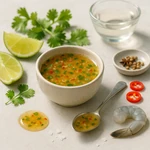
Why food doesn't taste like in a restaurant: the most common causes (and what to do about them at home)
You cook noodles or "something like" an Asian stir-fry, but the result is flatter, heavier, or flavor-wise indefinite – while in a restaurant it tastes clear and "lively." Often it is not one secret trick, but several repeated beginner mistakes: a poorly chosen style of cuisine, missing final seasoning, uncontrolled spiciness, and unfinished preparation of ingredients. In the article, we break it down into specific steps that can be done right at the next cooking.
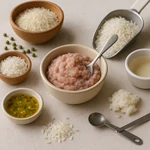
Most common beginner mistakes in Asian cooking (and how to fix them quickly)
Starting with “Asian cuisine” sounds tempting, but beginners often run into the same obstacles: they choose too many directions at once, buy ingredients without a plan, and then are disappointed by the result and the cooking pace. In this article you’ll find the most common mistakes, why they happen and, most importantly, concrete ways to fix them – from choosing your first cuisine to working with a wok and controlling heat so it’s managed, not a “tongue attack.”
To build stronger foundations around these pitfalls, continue with Basic Asian Pantry for core staples and how they fit together, First Pantry Shopping for a practical starting plan, or How to Work with Spiciness to understand heat and balance.