


 Česky (CZK)
 Slovensky (EUR)
 Deutsch (EUR)
 Austria
 Belgium
 Bulgaria
 Croatia
 Denmark
 Estonia
 Finland
 France
 Germany
 Greece
 Hungary
 Italy
Italy Latvia
 Lithuania
 Luxembourg
 Netherlands
 Poland
 Portugal
 Romania
 Slovenia
 Spain
Spain Sweden










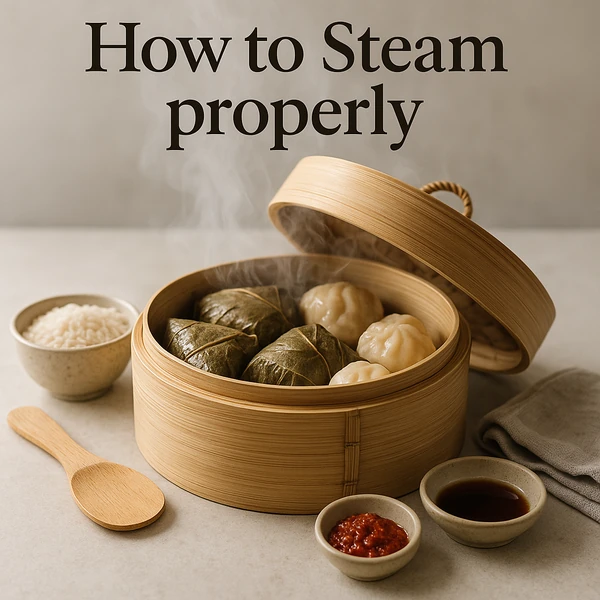
How to steam properly: when to choose steam and how not to ruin dumplings, bao, or dim sum
Steaming (cooking with steam) is one of the techniques in Asian cuisine that fundamentally changes the outcome: it preserves a different texture and doesn't soak the ingredient like direct contact with water. That's why it's important to consider not only "what to cook" but also "how to cook" – for dumplings, dim sum, and other delicate bites, the technique often matters more than we admit at home.
Why steaming is so important in Asian cuisine
Asian cuisines are not defined only by ingredients or sauces, but also by how they work with heat, steam, fat, broth, and especially texture. Typically, alongside short and intense techniques, there are also gentler procedures – and steaming belongs precisely to this "gentle" category.
Steaming is not just a "healthier cooking" method. It is a way to preserve the structure of the wrapper, the juiciness of the filling, and the purity of the flavor. For many Asian bites (dim sum, bao, some dumplings), steam is directly part of the food's identity: choosing another method will make the result taste like a different dish.
What exactly steaming means and how it differs from boiling in water
Simply put: when cooking in water, the food is in direct contact with the liquid; when steaming, the heating medium is steam. This is why these techniques should not be confused.
- Steaming helps maintain texture and doesn't soak the ingredient like direct contact with water.
- Boiling in water gives a softer, gentle result, but for delicate wrappers and thin pockets, the texture can quickly disappear.
In practice, this means that the same type of "pocket" can be excellent when steamed but disappointing in water (or vice versa). Therefore, it's useful to know the basic families of dumplings and the logic of wrappers.
When to choose steam: dim sum, bao, and delicate dumplings vs. other techniques
In Asian cuisine, there are several main preparation methods for dumplings and buns. The difference is not cosmetic – the texture of the wrapper, the perception of the filling, and how well the food "tolerates" seasoning all change.
Steaming: typically dim sum and more delicate pieces
Steaming, according to knowledge sources, suits most dim sum pieces and types where you want delicacy and a clean wrapper structure: bao (leavened filled buns), har gow (often starch-based, translucent wrapper), siu mai, xiao long bao and many dumplings with thinner wrappers.
Boiling in water: more robust pockets
Boiling in water suits firmer types of pockets, for example jiaozi and some mandu. The result is soft and tender, but different from steaming.
Pan-frying and finishing with steam: contrast for gyoza
The classic method for gyoza and other “pan-fried” pockets is pan-frying followed by finishing with steam: crispy bottom, soft top, juicy filling. This is a good example that "steam" is not just a standalone method – it's often part of a combined technique.
Soup / broth: when the wrapper is supposed to serve also in liquid
Wontons and some mandu work great directly in broth. It's essential that the wrapper is not too fragile and that the filling doesn’t clash in flavor with the soup.
Wrappers and doughs: why steam "saves" some things and reveals others
For dumplings, the wrapper decides as much about the result as the filling. And the wrapper often indicates whether steam, water, pan, or broth makes sense.
- Wheat wrapper (jiaozi, gyoza, mandu, wontons): usually flexible and versatile – it can handle steam, water, and pan cooking. However, it depends on thickness and specific type.
- Starch translucent wrapper (typically har gow): is more delicate and sensitive. Steaming is the natural choice because it helps keep the elegance and “shine” of the wrapper.
- Leavened dough (bao and filled buns): produces a soft, fluffy result when steamed. If a wrong method is chosen for this type, it immediately shows in the structure.
Thickness of the wrapper is also important .Thicker wrappers forgive more and tolerate rougher handling, while thin wrappers are more elegant but sensitive. That’s why some delicate pieces easily overcook and lose texture.
Practically: how to decide at home how to steam and how to approach seasoning
If you want to improve quickly in steaming, it helps to think in three steps: type of food → correct method → appropriate seasoning.
1) Start by choosing the right method according to the type of dumplings
- Want a delicate, clean result and a more sensitive wrapper? Go for steaming (dim sum, bao, har gow, siu mai, xiao long bao).
- Want a soft, “homemade” result with more robust pockets? Choose boiling in water (e.g., jiaozi, some mandu).
- Want a contrast of crisp and soft? Consider pan-frying and finishing with steam (gyoza and related types).
This decision often has more impact than the choice of dip.
2) For delicately steamed pieces, watch the “fragile” texture
Knowledge sources explicitly warn that thinner types (wontons, har gow, and other delicate pieces) easily overcook and lose texture. In practice, it's useful to approach steaming as a technique that rewards gentleness and attention – especially for things defined by their wrapper structure.
3) Seasoning: delicate pieces don’t need an "aggressive" dip
One common mistake with dumplings is overpowering everything with one strong dip. Delicate dim sum pieces usually don’t want aggressive seasoning – whereas more robust types (like gyoza or momo) often require stronger dips instead.
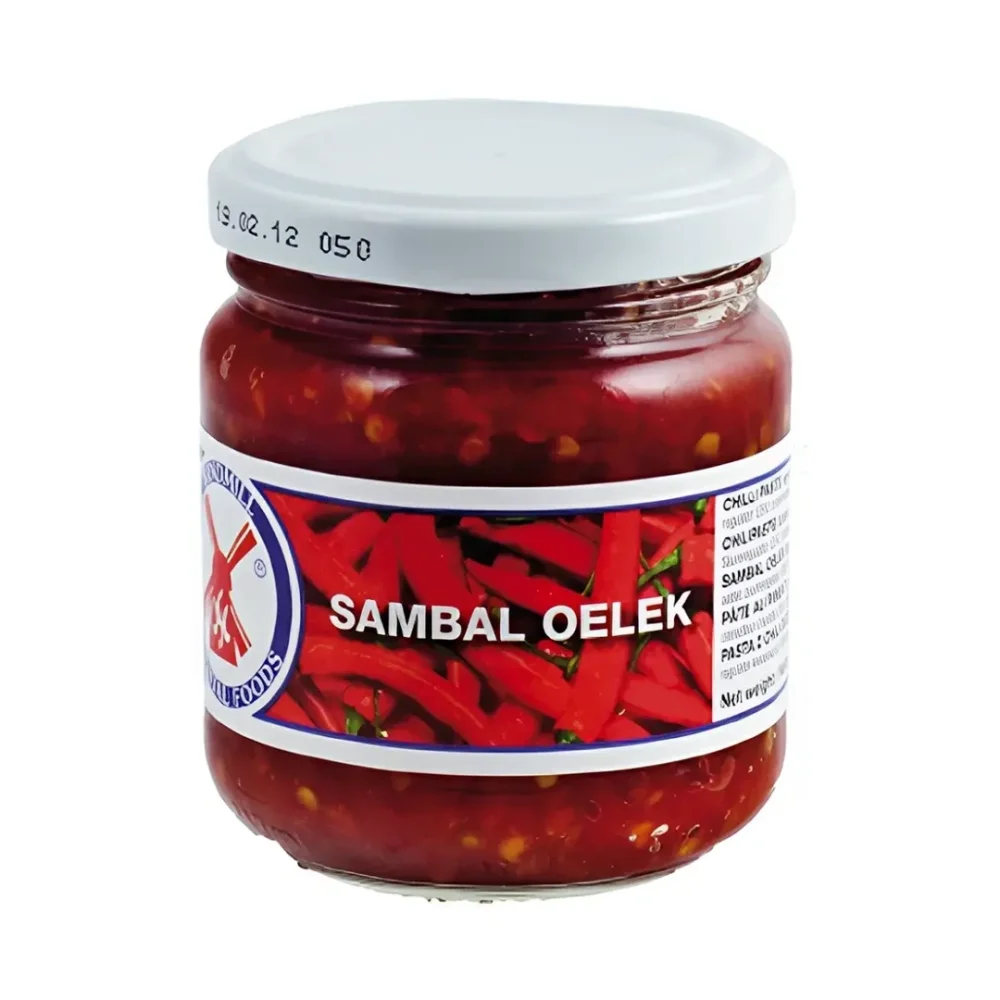
If you want to add spiciness in a controlled manner, a practical example is chili paste like Sambal Oelek – added in small amounts, so it's easy to keep the dip's "strength" in check.
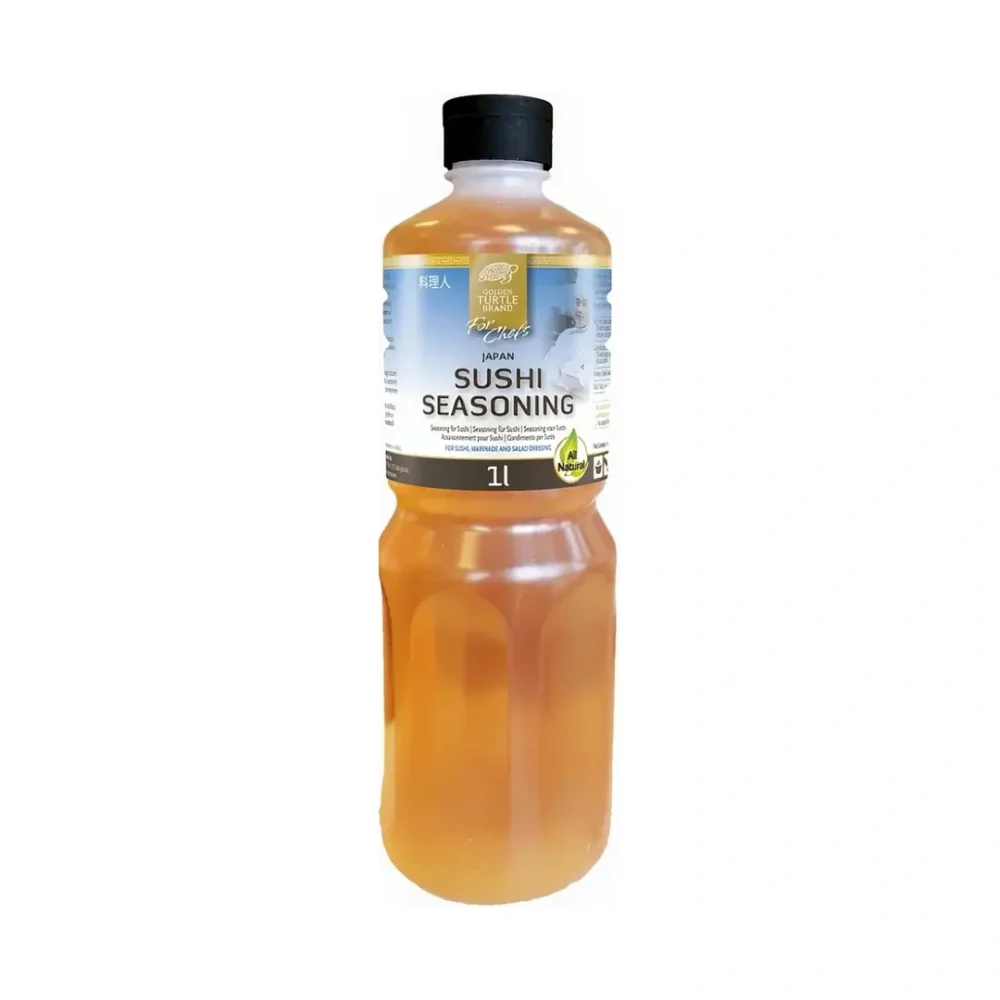
And if your dip lacks acidity or quick balance, it’s good to have a lightly sour seasoning ready, usable in dressings as well, such as sushi seasoning (this principle is especially useful for more delicate bites where you don’t want to overpower the flavor).
4) Frozen dumplings: unplanned thawing can damage the wrapper
Another practical note from sources: many frozen dumplings are better cooked or steamed straight from frozen. Thawing can damage the wrapper – and for steamed types where the wrapper is key, it shows quickly.
Most common mistakes and misunderstandings in steaming (and how to avoid them)
- Confusing steaming with boiling in water. Steam preserves a different texture; direct contact with water can push the wrapper and filling into a “softer” state, which may not suit the type.
- Overcooking delicate types. Wontons, har gow, and other thinner pieces easily overcook and lose texture – steaming demands sensitivity to time and intensity.
- Wrong method for wrong type. Sources mention typical missteps: bao pan-cooked without steam won’t work like gyoza; wontons lose their advantage in dry pan-frying; xiao long bao require gentle steaming.
- Dip that overpowers everything. Delicate dim sum pieces often don’t need aggressive seasoning; for more robust types it’s the opposite. It’s not about "right/wrong," but about seasoning that respects the nature of the bite.
- Unplanned thawing. For frozen dumplings, thawing can damage the wrapper; it’s often safer to cook or steam straight from frozen.
What to take away from the article
- Steaming in Asian cuisine is not a detail: it often determines whether the dish will feel “right,” especially in texture.
- Steaming and boiling in water are not interchangeable – steam typically preserves structure and doesn’t soak the ingredient like water.
- For dumplings, choose the method according to the type: dim sum and bao often belong to steam, jiaozi tolerate water, gyoza work great with a combination of pan-frying + steam, wontons often shine in broth.
- The wrapper is key: wheat, starch translucent, and leavened behave differently – and that determines how “safe” a given method is.
- The most common disasters are overcooking delicate pieces, choosing the wrong method, and using a dip that drowns out everything else.

Read next
If you want to explore this topic further, continue with these related blog guides and articles:
