
shiitake
Products


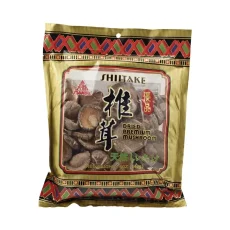
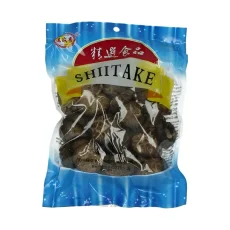
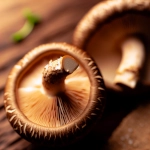
City Aroma Shiitake mushrooms 85 g

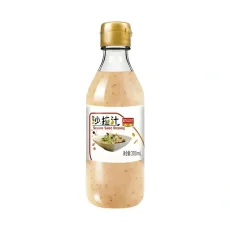
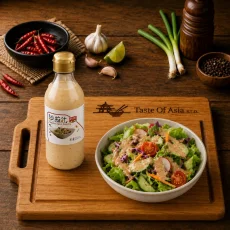
Kingzest Sesame Salad Dressing 200 ml

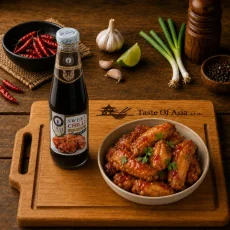
Thai Dancer Black Chilli Sweet Sauce 300 ml

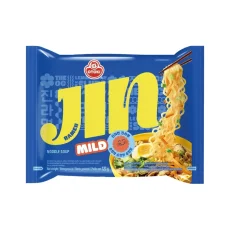
Otoki Instant Noodles Jin Ramen 120 g

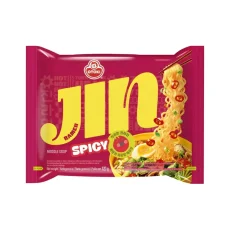
Otoki Instant Noodles Jin Ramen Spicy 120 g
Articles

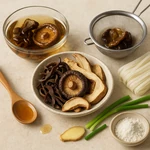
Shiitake mushrooms
Are you interested in how shiitake mushrooms can enrich your dishes? Read about their origin, unique flavor, and how to prepare them in various dishes. Discover everything you need to know about these mushrooms!

How to use dried mushrooms: soaking, umami, and practical tricks for Asian dishes
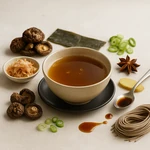
Dried mushrooms in Asian cuisine are not just a "reserve for worse times." They often function as a standalone ingredient with their own aroma and texture – typically shiitake. The article includes a practical soaking procedure (including cold vs. warm water), working with soaking water, and tips on how to get maximum flavor from mushrooms in broths, soups, and pan dishes.

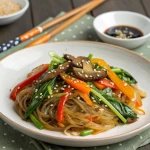
Recipe for Japchae with sauce
Discover a delicious recipe for Japchae with sauce – the perfect combination of rice noodles, fresh vegetables, and great flavor that will delight every lover of Korean cuisine.

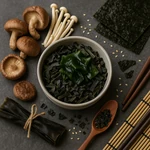
Mushrooms and seaweeds in Asian cuisine: umami, texture and practical use at home
Mushrooms and seaweeds in many Asian cuisines are often not the “main star” of the plate. All the more important they can be: they provide umami, build the depth of a broth, add springiness or crunch, and sometimes function only as a small but crucial finishing element. When you understand the role they should play in a dish, you will be able to choose and use them much more confidently – and often extract flavor without aggressive salting.

Asian cuisine by country: how to understand flavors, ingredients, and cooking styles
"Asian cuisine" is not a single cuisine but a whole map of styles: from delicate broths and umami to aromatic, spicy, and hot dishes. This guide provides you with a practical compass on how to navigate by countries and regions, how to choose a good starting point for cooking at home, and which universal ingredients will open the most doors without having to build a pantry full of dozens of specialties.

Inland cuisines of Asia: why they are richer, grain-based, and built on broths
When you say “Asian cuisine,” many people mainly imagine coastal flavors – fish sauce, seafood, or coconut. However, a large part of Asia is inland, mountainous, or steppe, and it is precisely there that cooking styles developed that rely on grains (both rice and wheat), doughs, dumplings, long-simmered broths, and bold seasoning. In this article, we will clarify what “inland Asia” means in cooking, what the main differences are (mainly along the China–India axis), and how to build a usable foundation for home cooking from these principles.

Soy mushroom sauce
Discover the magic of soy mushroom sauce – an indispensable addition to your kitchen. This sauce adds depth and umami flavor to any dish, ideal for stir-fries, soups, or marinades. Learn how to use it properly and what dishes you can enhance with it. Click on our article to find out more about the benefits and uses of this unique sauce!

Special ingredients not to be afraid of: mushrooms, seaweed, and a few smart shortcuts
“Special” ingredients in Asian cuisine are often not extravagances but practical flavor building blocks: they add umami, interesting texture, or just a subtle contrast at the end. When you know what function to expect from them, they stop being unclear and start being useful. This guide will mainly walk you through seaweed and mushrooms (including dried) and show a few typical pitfalls people encounter when choosing.

Mushroom Seasoning: the Quiet Umami Boost for Rice, Noodles, Soups, and Stir-Fries
Mushroom seasoning is one of those pantry shortcuts that makes everyday food taste like it had more time, more stock, and more depth. A small pinch can lift rice bowls, noodle sauces, soups, and quick wok meals with a savory, rounded “umami” finish—without turning the dish into something that tastes obviously mushroomy.

Taste of Korean cuisine: how spiciness, fermentation, rice, and “jang” work in practice
Korean cuisine is not just about spiciness and kimchi. We will explain the layers of flavors that make up Korean dishes – fermented bases (jang), types of spiciness, the role of rice, and working with textures – and provide specific, practical advice on how to safely put this together at home.

Types of Meals and Occasions
How do fast street foods, festive menus, noodle bowls, or dishes based on seaweed and mushrooms differ in Asian cuisine? This guide explains the main types of meals according to the occasion, presents representative examples, and offers practical advice: what to buy at the start, how to combine ingredients, and how to avoid the most common mistakes.

How to Start with Korean Cuisine: First Dishes, Basic Flavors, and Mistakes That Hold You Back
Korean cuisine can seem "wild" – spicy, fermented, and full of new names. In reality, however, it is very logical: it is based on rice, soups, smart fermented foundations, and small side dishes that balance flavor and texture. In this guide, you will clarify what is typical for Korea, which basics make sense to acquire first, and how to cook your first Korean week at home without unnecessary mistakes.

Typical Korean ingredients: how to understand “jang”, chili, and fermented bases
Korean cuisine is not just "spicy and kimchi." It is built on a thoughtful use of fermented bases, contrasts of flavors, and the harmony of rice, soup, and several smaller side dishes at the table. In this guide, you will clarify which ingredients make the Korean flavor Korean, what functions they have in the food, and how to select and use them at home without unnecessary mistakes.

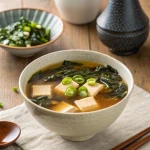
Classic Japanese Miso Soup (with Homemade Dashi)
Miso soup is quick to make, deeply savory, and easy to customize. This recipe shows the traditional approach with kombu and katsuobushi dashi, plus tofu and wakame—perfect as a light breakfast, starter, or side for a Japanese-style meal.

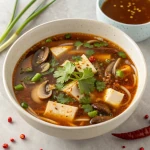
Hot & Sour Soup (Quick Chinese-Style Recipe)
Hot & Sour soup is all about contrast: a warming chilli kick balanced by bright vinegar, plus satisfying textures from mushrooms, tofu, and silky egg ribbons. This home-friendly version comes together fast and is easy to adjust—make it sharper, hotter, or heartier depending on what you crave.

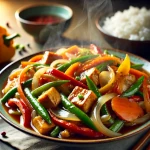
Quick Chop Suey (Chopsuey) Stir-Fry: Chicken, Tofu, or Whatever’s in Your Fridge
Chop suey is the ultimate “mix-and-match” stir-fry: tender protein, crisp vegetables, and a light savory sauce that clings to every bite. It’s fast, flexible, and perfect for using up leftover veg—served over rice or noodles for an easy weeknight meal.

Typical Korean dishes: how to understand them by rice, noodles, soups, and street food
Korean cuisine is often presented as a list of “iconic” names. For practical orientation, however, it works much better to understand in what format the food comes to the table: a bowl of rice, a noodle bowl, soup as a main dish, or a quick/street food approach. In this guide, we will show the main groups of typical Korean dishes, how to recognize them, what to expect from them, and how to start making them at home without unnecessary mistakes.

How to replace meat in Asian dishes: flavor, umami, and texture without compromise
Replacing meat in an Asian dish does not mean "finding one substitute." In practice, it is much more important to understand the role meat plays in a specific dish – whether it provides texture, carries the sauce, builds the broth, or creates a "grilled" impression. Once you distinguish this, the plant-based version can be full, umami, and convincingly flavorful.

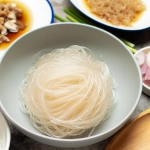
Glass noodles
Glass noodles are light, delicate, and perfectly absorb all the flavors you put into them. Ideal for quick Asian dishes, whether in hot soups, stir-fries, or fresh salads. Discover their history, production, and how best to prepare them for authentic and delicious experiences!

MSG (Monosodium Glutamate): What It Is, How It Adds Umami, and How to Use It Well
MSG—short for monosodium glutamate—is one of the most misunderstood seasonings in modern kitchens. It enhances savory “umami” depth, can help you rely less on salt, and has been studied extensively for safety. Here’s how it works, where it naturally occurs, and how to use it in everyday cooking.

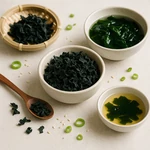
How to use dried seaweeds: nori, wakame and kombu in practice
Dried seaweeds are the “silent engine” of flavor in many Asian cuisines: sometimes they form the base of broths and umami, other times they add crunch, color or a delicate ocean aroma as a finishing touch. Once you understand what nori, wakame and kombu are for, seaweeds stop being an exotic specialty and become a practical ingredient you can cook with at home simply and precisely.

Coastal Asian cuisine: why it tastes different and how to transfer its logic to home cooking
Coastal Asian cuisines did not develop "according to a map" but according to what was at hand: seas, rivers, deltas, islands, and ports. That is why they often feature lighter, livelier flavors, quick final seasoning, and an emphasis on saltiness, acidity, and umami – typically through fermented bases like fish sauce. In the article, we clarify what is typical for the coastal style, how it differs (especially along the Vietnam–Thailand axis), and how to navigate these flavors during your first attempts at home.

Basics of broths in Asian cuisine: how they work and why they often determine the taste
In Asian cuisine, broth is often not just "liquid under the noodles." It is a building block that carries umami, connects ingredients, and determines whether the dish feels clean and precise or just vaguely salty. In this guide, we'll clarify the difference between broth, soup, and "basic sauce," go through the main types of Asian broths (including dashi), and most importantly: how to start with them at home without common mistakes.

Fillings, doughs, and cooking methods of dumplings: how to understand Asian dumplings
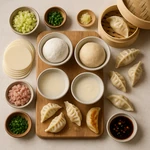
Dumplings (Asian dumplings and pockets) are not "one dish," but a whole family of bites determined by a trio: filling, wrapper/dough, and cooking method. Once you put these three things together, the differences between jiaozi, gyoza, mandu, wontons, or shumai start to make sense – and especially why some dumplings are for soup, others for the pan, and others for steaming.

10 ingredients with which you can cook the most
A good "Asian pantry" is not about having dozens of sauces and pastes at home. It's about a few functional basics that repeat across many dishes: something for saltiness and umami, something for acidity and sweetness, something aromatic, something starchy and a few quick guarantees for texture. Here is a practical ten that will let you cook a surprisingly wide range of Asian dishes even from common fresh ingredients.

Vegan Asian cuisine without loss of flavor: umami, texture, and smart fundamentals
Vegan food in the Asian style does not have to be a compromise or a “substitute” for regular cuisine. In many parts of Asia, vegetarian and vegan cooking has its own traditions – and above all its own way of building flavor fullness: through umami, fermentation, working with texture, the right fat, acidity, and herbs. This article will show how to practically use these principles at home so that the food remains distinctive even without meat, fish, and dairy products.