

 Česky (CZK)
 Slovensky (EUR)
 Deutsch (EUR)
 Austria
 Belgium
 Bulgaria
 Croatia
 Denmark
 Estonia
 Finland
 France
 Germany
 Greece
 Hungary
 Italy
Italy Latvia
 Lithuania
 Luxembourg
 Netherlands
 Poland
 Portugal
 Romania
 Slovenia
 Spain
Spain Sweden










Single - Ajinomoto
Explore single spices and dried herbs for everyday cooking and easy seasoning, whether you’re preparing Asian favourites or adding a simple finishing touch to your own recipes.
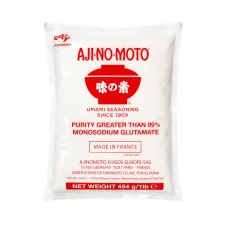
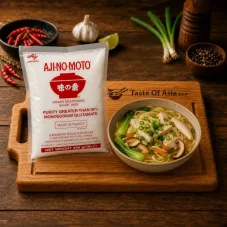
Ajinomoto Glutamate 454 g
Articles
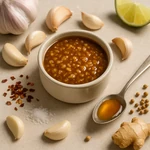
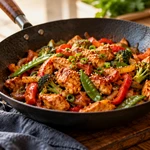
Garlic Marinade: How to Get the Most Out of It (Especially in Asian-Style Cooking)
Garlic marinade is one of those kitchen shortcuts that doesn’t feel like a shortcut: it can make chicken, pork, tofu, or vegetables taste deeper, smell incredible, and stay juicier—fast. The trick is knowing how garlic behaves with heat, how long to marinate different ingredients, and how to balance sweet, salty, and acidic notes for Asian-inspired results.
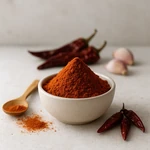
Smoked Sweet Paprika (Ground): How to Use It
Smoked sweet paprika is one of those spices that can make a simple meal taste like it spent time over charcoal. It brings gentle pepper sweetness, a warm red hue, and a distinct smoky aroma—without needing a grill. Here’s how to use it well, what it pairs with, how to avoid bitterness, and smart ways to fold it into Asian-style dishes.
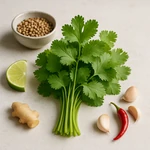
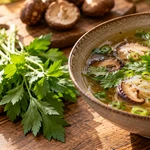
Coriander (Cilantro) in Asian Cooking: Flavor, Uses, Pairings, and Practical Tips
Coriander is one ingredient with two very different personalities: the fresh herb (often called cilantro) and the dried seeds used as a spice. Learn what each one tastes like, when to add it, and how to get that bright, authentic “Asian” lift in curries, soups, noodles, and rice.
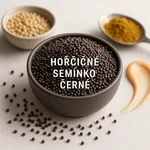
Black Mustard Seeds: Tiny Grains, Big Flavor
Black mustard seeds may look modest, but a small pinch can transform a dish—especially when briefly “bloomed” in hot oil until they start to pop. Learn what makes them different, how to use them without bitterness, and where they shine in everyday Asian-inspired cooking.
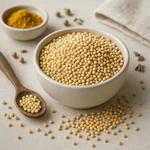
White Mustard Seeds: Flavor, Uses, and How to Cook with Them in Asian Cuisine
White mustard seeds may look like a minor pantry item, but used well they add fragrance, gentle heat, and a savory “lift” to curries, dals, stir-fries, and pickles. Here’s what they taste like, how they differ from darker mustard seeds, and when to use them whole or ground.
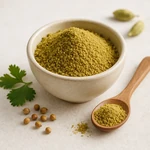
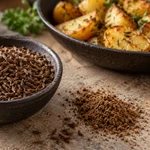
Ground Coriander: Flavor, Pairings, and How to Use It in Asian Cooking
Ground coriander is an easy-to-overlook spice that quietly makes dishes taste more “finished”. It softens harsh heat, lifts citrusy notes, and helps connect bold aromatics in curries, soups, marinades, and stir-fries—if you add it at the right moment.
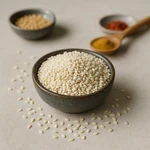
White Sesame Seeds: How to Use Them (and Why You’ll Want a Bag in Your Pantry)
White sesame seeds are one of those small ingredients that instantly make food feel more finished: a gentle nutty aroma, a subtle crunch, and a familiar “Asian kitchen” note on rice, noodles, salads, and stir-fries. Once you know when to toast them—and when not to—you’ll reach for them almost daily.
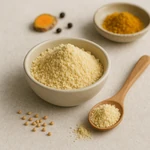
Ground White Mustard Seed: Flavor, Timing, and Smart Ways to Use It
Ground white mustard seed is a quiet workhorse in the spice cupboard: it brings a gentle heat, a warm mustard aroma, and extra “body” to sauces and marinades. Used well, it can deepen everything from salad dressings and rubs to Asian-style curries and stir-fry sauces—without overpowering the dish.
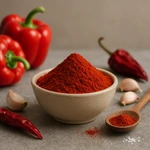
Sweet Hungarian Paprika (ASTA): how to spot it, use it well, and get the most color and flavor
Sweet Hungarian paprika is one of those quiet workhorses that can transform a dish with just a teaspoon—adding a warm red hue, gentle sweetness, and a rounded pepper aroma without real heat. If you understand the ASTA marking and learn how to heat paprika without turning it bitter, you’ll get consistently better stews, sauces, marinades, and even quick Asian-inspired stir-fries.
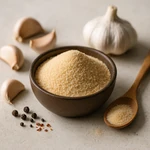
Ground Garlic: A Fast Way to Big Flavor (Especially in Asian Cooking)
Ground garlic is one of those pantry staples that earns its place: it’s quick, consistent, and easy to dose—ideal for weeknight stir-fries, marinades, soups, and dry seasoning blends. Here’s how it differs from fresh garlic, when to add it to avoid bitterness, and how to pair it for the most fragrant results.
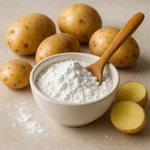
Looking to build flavour faster? Try ready-made Mixtures of spices , add depth with Broths , or round out your pantry with Sugar and salt .